The vast, unexplored depths of the ocean hold a wealth of sunken treasures, lost infrastructure, and crucial scientific data. For decades, recovering objects from these challenging environments has been a painstaking and often hazardous endeavor. Traditional methods, while effective in certain scenarios, frequently struggle with precision, environmental impact, and the sheer scale of some recovery operations. This has created a persistent need for more advanced and efficient solutions. The emergence of a new, revolutionary submarine crane recovery system promises to redefine the landscape of underwater salvage and construction, offering unprecedented capabilities for grappling, lifting, and securing objects from the ocean floor. This system is not merely an incremental improvement; it represents a paradigm shift in how humanity interacts with and extracts resources from the submerged world.
Genesis of Innovation: Addressing the Limitations of Current Technology
The development of the revolutionary submarine crane recovery system was born out of a critical assessment of existing underwater recovery technologies. For years, the maritime industry, scientific research institutions, and defense organizations have relied on a combination of ROVs (Remotely Operated Vehicles), AUVs (Autonomous Underwater Vehicles), and conventional surface-based cranes, often augmented by divers. While these tools have served their purpose, they each possess inherent limitations that the new system aims to overcome.
The Inherent Challenges of Underwater Operations
Working underwater presents a unique set of formidable challenges. The immense pressure exerted by the water column, particularly at significant depths, necessitates robust and specially designed equipment. Visibility is often severely limited by turbidity, bioluminescence, and the absence of natural light, making precise manipulation difficult. Currents can exert powerful forces, hindering delicate maneuvers and posing safety risks. Furthermore, the corrosive nature of saltwater demands materials that can withstand prolonged exposure without degradation. These environmental factors contribute to the complexity and cost associated with any underwater operation.
Gaps in Existing Recovery Capabilities
Traditional crane systems, while capable of lifting substantial weight, often lack the fine control required for intricate salvage operations. Positioning these surface vessels precisely over a target can be challenging, especially in rough seas, leading to potential damage to the recovery site or the object itself. ROVs offer improved maneuverability and sensory feedback but are typically limited by their lifting capacity, often requiring multiple dives or specialized support vessels for larger objects. Divers, while capable of intricate work, are limited by depth, decompression requirements, and the inherent dangers of their profession, making large-scale or deep-sea operations impractical. The new submarine crane recovery system is designed to bridge these gaps by combining the lifting power of a crane with the precision and agility of advanced submersible technology.
The Vision for a Transformative Solution
The vision behind the revolutionary submarine crane recovery system was to create a single, integrated platform that could perform a wide range of underwater recovery tasks with enhanced efficiency, safety, and precision. This involved conceptualizing a system that could operate independently or in conjunction with surface vessels, adapt to varying environmental conditions, and handle objects of diverse shapes, sizes, and weights. The goal was not just to lift more, but to lift smarter, with less impact on the surrounding environment and greater success rates. This forward-thinking approach has led to the development of a system that is poised to revolutionize multiple sectors.
The Japanese submarine crane recovery system has garnered attention for its innovative approach to underwater salvage operations. For a deeper understanding of the advancements in maritime recovery technologies, you can explore a related article that discusses various recovery systems and their applications in modern naval operations. Check it out here: In the War Room.
Design and Engineering Prowess: The Core of the System
The success of any advanced technological system lies in its underlying design and engineering. The revolutionary submarine crane recovery system is a testament to cutting-edge engineering, integrating sophisticated mechanical, hydraulic, and control systems to achieve its extraordinary capabilities. The modularity and adaptability of its design are key factors in its versatility and effectiveness across a broad spectrum of applications.
Integrated Crane and Submersible Architecture
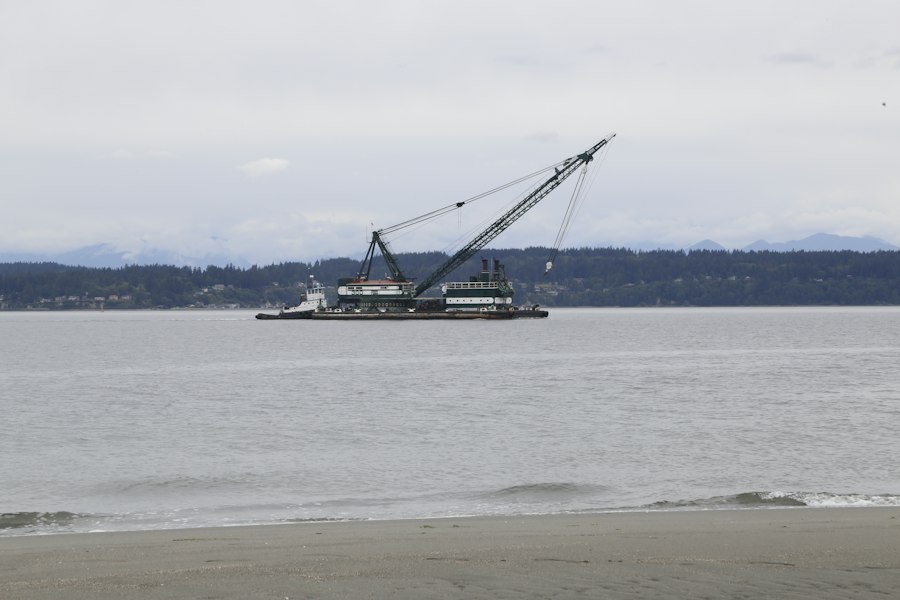
At the heart of the system is a novel integration of a heavy-lift crane mechanism with a highly maneuverable submersible platform. Unlike conventional approaches where cranes are typically mounted on surface vessels and controlled remotely, this system features a robust, articulated crane structure that is part of the submersible itself. This allows for precise positioning and manipulation of the crane’s boom and payload directly at the target location on the seabed. The submersible hull is designed to withstand extreme pressures, providing a stable and controlled environment for the crane’s operation, even in turbulent waters.
Advanced Manipulator and Gripping Technologies
The effectiveness of any recovery system hinges on its ability to securely grasp and lift objects. This submarine crane recovery system incorporates a suite of advanced manipulator arms and interchangeable gripping tools. These are not standard industrial claws; they are intelligent, force-feedback-enabled manipulators capable of delicate handling or immense clamping power, depending on the task. The gripping mechanisms are designed to adapt to irregular shapes and textures, minimizing the risk of slippage or damage to the recovered object. Options range from multi-fingered robotic hands for precise object manipulation to powerful, custom-designed grapples for large debris or structural components.
State-of-the-Art Propulsion and Maneuvering Systems
Achieving precise positioning and movement on the seabed is paramount. The submersible platform is equipped with a sophisticated array of thrusters that provide exceptional maneuverability in all axes. This allows the system to navigate complex underwater terrain, avoid obstacles, and hold its position with remarkable stability, even against strong currents. Advanced navigation systems, including acoustic positioning, inertial navigation, and Doppler Velocity Logs (DVLs), provide real-time data on the submersible’s location and velocity, enabling the operator to execute intricate maneuvers with confidence.
Robust Power and Control Infrastructure
The system’s power requirements are substantial, necessitating a robust and reliable energy source. Depending on the specific configuration, this can include high-density battery arrays, umbilical power from a surface vessel, or even an integrated power generation system for extended autonomous operations. The control system is equally sophisticated, employing advanced algorithms for load balancing, stability control, and precise articulation of the crane and manipulator arms. Intuitive human-machine interfaces, coupled with extensive sensor feedback (cameras, sonar, pressure sensors), allow operators to oversee and direct operations with a high degree of situational awareness.
Operational Scenarios: Transforming Diverse Underwater Tasks
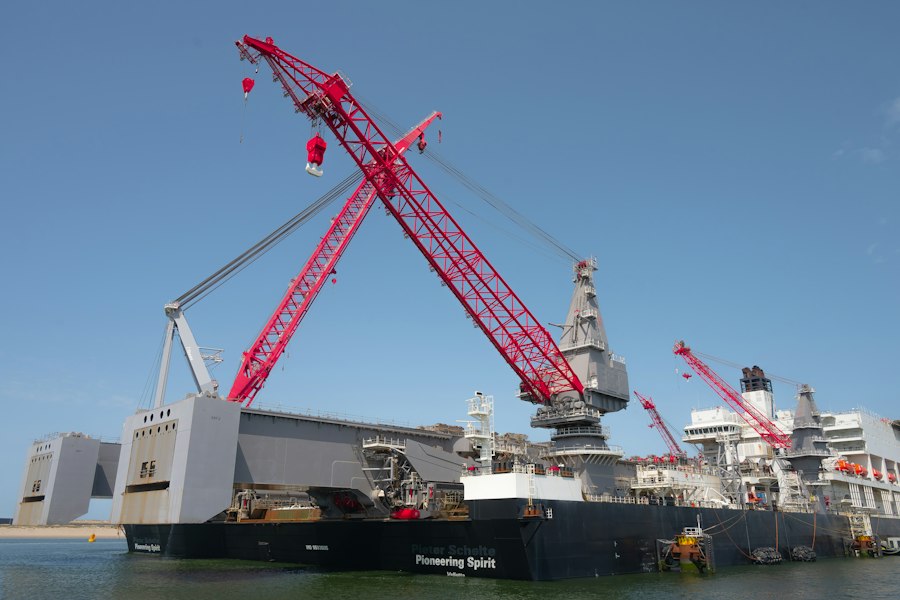
The revolutionary submarine crane recovery system is not a niche solution; its versatile design opens doors to transformative capabilities across a wide array of industries and applications. From salvaging lost cargo to maintaining critical offshore infrastructure, its impact is expected to be far-reaching.
Maritime Salvage and Wreck Recovery
One of the most immediate and impactful applications of this system lies in maritime salvage. The recovery of sunken vessels, lost cargo, and debris from shipwrecks has historically been a dangerous and expensive undertaking. The submarine crane’s ability to precisely lift and maneuver large objects from depths previously inaccessible to conventional methods will dramatically improve efficiency and safety. This can range from recovering valuable cargo from modern shipping disasters to addressing the environmental hazards posed by aging, corroded wrecks. Its precision also minimizes the disturbance to sensitive marine ecosystems surrounding wrecks, a critical consideration in modern salvage operations.
Offshore Infrastructure Maintenance and Decommissioning
The oil and gas industry, as well as the burgeoning offshore wind sector, relies heavily on extensive underwater infrastructure. The maintenance, repair, and eventual decommissioning of these structures present significant engineering challenges. The submarine crane system offers a powerful solution for lifting and manipulating heavy components like pipelines, wellheads, subsea structures, and wind turbine foundations. Its ability to operate in challenging weather conditions reduces downtime and the need for expensive, weather-dependent surface vessels. For decommissioning, it provides a controlled and efficient means of dismantling and removing obsolete infrastructure, minimizing environmental impact.
Scientific Research and Exploration
The scientific community stands to benefit immensely from this revolutionary technology. Deep-sea research often requires the deployment and recovery of heavy equipment, sampling devices, and even entire experimental setups. The submarine crane system allows for more ambitious and complex scientific missions, enabling researchers to collect more data and conduct experiments in remote and challenging environments. This could include retrieving deep-sea sediment cores, deploying and retrieving autonomous sensor arrays, or even assisting in the installation of permanent oceanographic monitoring stations. The precision afforded by the system also ensures that delicate samples and equipment are not damaged during recovery.
Underwater Construction and Installation
Beyond recovery, the system is also a powerful tool for underwater construction and installation. It can be used to precisely place and secure heavy components for new subsea structures, pipelines, and even artificial reefs. Its ability to work with high precision allows for the accurate alignment and connection of complex subsea modules, reducing the time and cost associated with these critical operations. This capability is vital for expanding humanity’s presence and activities in the marine environment, from new energy infrastructures to underwater communication networks.
Navigational Sophistication and Control Systems
The operational success of the revolutionary submarine crane recovery system is intrinsically linked to its advanced navigation and control capabilities. These sophisticated systems ensure that the submersible can accurately reach its target, maintain a stable position, and execute complex lifting maneuvers with unparalleled precision, even in the most challenging underwater environments.
Precision Positioning and Station Keeping
Maintaining a precise position on the seabed is a fundamental requirement for any effective underwater recovery or construction operation. The system employs a multi-layered approach to achieve this. High-frequency acoustic positioning systems, such as LBL (Long Baseline) or USBL (Ultra-Short Baseline) systems, work in conjunction with inertial navigation units (INS) and Doppler Velocity Logs (DVLs). The INS provides continuous updates on the submersible’s orientation and movement, while the DVL measures its velocity relative to the seabed. This data is fused by the onboard computer to provide highly accurate real-time position information, allowing the submersible to hold its position against currents with remarkable stability. This is crucial for tasks that require delicate placement or prolonged operation over a specific point.
Real-time Environmental Sensing and Adaptability
The underwater environment is dynamic and can present unforeseen challenges. The system is equipped with a comprehensive suite of sensors designed to continuously monitor environmental conditions. High-resolution cameras provide visual feedback, while sonar systems map the surrounding terrain and detect potential obstacles. Pressure sensors, temperature probes, and current meters provide crucial data on the ambient conditions. This information is fed into the control system, which can then dynamically adjust the submersible’s propulsion, ballast, and crane operation to compensate for changing currents, seabed topography, or other environmental factors, ensuring operational continuity and safety.
Intuitive Operator Interface and Human-Machine Interaction
Despite the complexity of the underlying technology, the operator interface is designed to be intuitive and user-friendly. Advanced graphical displays present a clear and comprehensive overview of the submersible’s status, sensor data, and the operational environment. Operators can interact with the system through joysticks, touch screens, and customized control panels. Force feedback on the manipulator controls allows operators to “feel” the interaction with the seabed or the object being manipulated, providing a crucial layer of tactile awareness that enhances precision and control. The system also supports varying levels of automation, allowing operators to delegate specific tasks to the system while maintaining oversight.
Intelligent Load Management and Safety Protocols
The crane’s lifting capacity is substantial, and ensuring safe operation under varying loads is paramount. The control system incorporates intelligent load management algorithms that continuously monitor the forces being applied to the crane and the submersible. This prevents overloading and ensures that the system operates within its safety parameters. Multiple redundant safety protocols are in place, including automatic shutdown procedures in case of system malfunction or imminent danger. The system also features emergency ascent capabilities and other fail-safe mechanisms to ensure the safety of personnel and equipment.
The innovative Japanese submarine crane recovery system has garnered attention for its advanced engineering and efficiency in underwater operations. For those interested in exploring more about this technology and its applications, you can read a related article that delves deeper into the subject. This piece highlights the challenges faced during recovery missions and the solutions provided by such systems. To learn more about these fascinating developments, check out the article here.
Future Prospects and Environmental Considerations
| Metric | Specification | Description |
|---|---|---|
| Crane Type | Submarine Recovery Crane | Specialized crane designed for underwater recovery operations |
| Maximum Lifting Capacity | 50 tons | Maximum weight the crane can safely lift underwater |
| Operating Depth | Up to 300 meters | Maximum depth at which the crane can operate effectively |
| Recovery Speed | 0.5 meters/second | Speed at which the crane can lift objects from the seabed |
| Control System | Remote Operated Vehicle (ROV) Interface | Allows remote control and monitoring of crane operations |
| Power Source | Hydraulic and Electric Hybrid | Power system enabling efficient underwater operation |
| Material | Corrosion-resistant Steel Alloy | Ensures durability and longevity in marine environments |
| Deployment Time | 30 minutes | Time required to deploy the crane from the vessel to the seabed |
The revolutionary submarine crane recovery system represents a significant leap forward, but its impact will continue to evolve as the technology matures and its applications expand. Furthermore, its deployment necessitates a keen awareness of its environmental implications, ensuring that its benefits are realized responsibly.
Advancements in Autonomous Operation and AI Integration
The future trajectory of this technology points towards increased autonomy. As artificial intelligence (AI) and machine learning algorithms become more sophisticated, the system will be capable of performing an even wider range of tasks with minimal human intervention. This could include autonomous mission planning, intelligent object recognition and selection for recovery, and adaptive manipulation strategies. Fully autonomous operation will further reduce operational costs, increase efficiency, and enable missions in environments that are currently too hazardous for human oversight. The integration of advanced AI will also lead to predictive maintenance capabilities, identifying potential issues before they arise.
Expanding the Envelope of Deep-Sea Operations
This system is set to push the boundaries of what is possible in deep-sea operations. As technologies for pressure compensation and material science advance, the operational depth capabilities of such systems will likely increase, opening up access to even more remote and challenging parts of the ocean floor. This will be crucial for scientific discovery, resource exploration, and the recovery of objects from extreme depths that are currently beyond our reach. The ability to operate effectively at these depths will unlock new frontiers for human endeavor.
Commitment to Sustainable Practices and Minimal Environmental Impact
While the system offers immense utility, a strong commitment to environmental stewardship is essential. The design principles behind the system prioritize minimizing disturbance to marine ecosystems. This includes features such as low-noise propulsion systems, precise manipulation to avoid collateral damage to the seabed, and carefully managed recovery processes to prevent the release of pollutants. As the technology is deployed, ongoing research and monitoring will be crucial to ensure that its operations are conducted in a manner that is as environmentally benign as possible. The system’s ability to efficiently remove hazardous sunken debris also contributes positively to ocean health.
Collaboration and Standardization for Global Impact
The full potential of this revolutionary technology will be realized through collaboration and the establishment of industry-wide standards. Sharing best practices, developing interoperable systems, and fostering partnerships between technology developers, end-users, and regulatory bodies will accelerate adoption and ensure that the benefits of this innovation are accessible globally. Standardization will also facilitate training and maintenance, further enhancing the reliability and efficiency of the system across diverse applications. The long-term vision is for this system to become a ubiquitous and indispensable tool for responsible interaction with the underwater world.

Japan Built a Submarine That Could Launch Three Planes
FAQs
What is a Japanese submarine crane recovery system?
A Japanese submarine crane recovery system is a specialized system used to recover sunken submarines or other underwater objects from the ocean floor.
How does a Japanese submarine crane recovery system work?
The system typically involves a crane mounted on a ship or barge that is equipped with specialized tools and equipment to locate, grab, and lift the sunken submarine or object from the seabed.
What are the advantages of using a Japanese submarine crane recovery system?
One of the main advantages of using this system is its ability to safely and efficiently recover sunken submarines or objects from deep underwater, minimizing the risk of damage and environmental impact.
Who developed the Japanese submarine crane recovery system?
The Japanese submarine crane recovery system was developed by Japanese engineers and researchers to address the need for a reliable and effective method of recovering sunken submarines and objects.
Are there any limitations to the Japanese submarine crane recovery system?
While the system is highly effective in many situations, it may have limitations in extreme depths or challenging underwater conditions that could impact its ability to successfully recover sunken submarines or objects.