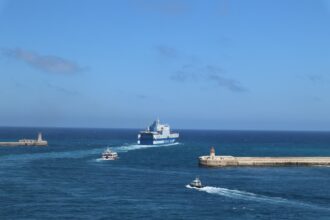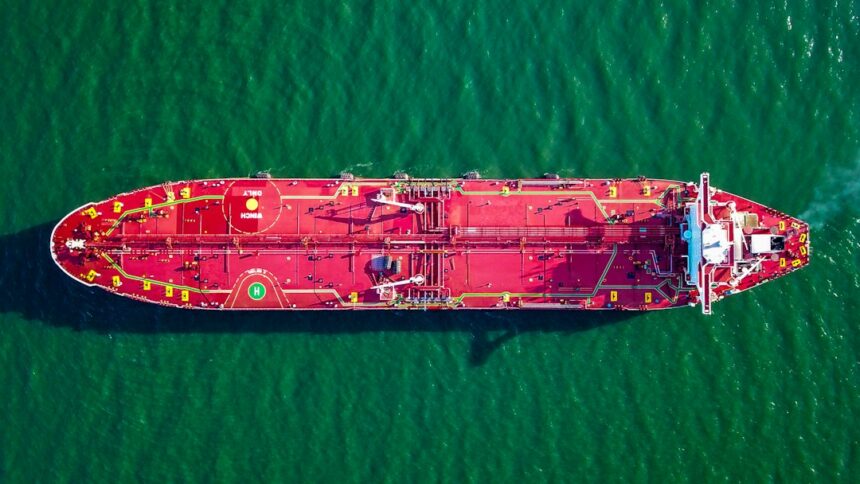
The story of U-402 is not one of triumphant battles or strategic masterpieces. Instead, it is a testament to ingenuity, resourcefulness, and the surprising adaptability of human endeavor in the face of profound change. Originally built as a Type VIIC U-boat, a class synonymous with the relentless U-boat campaigns of World War II, U-402 found itself at the end of hostilities in a drastically altered world. Its steel hull, once a weapon of terror beneath the waves, was destined for a far more peaceful, albeit equally vital, role: that of a tanker. This remarkable transformation, from a hunter of Allied shipping to a carrier of vital cargo, highlights a unique chapter in maritime history.
The Genesis of a Hunter: U-402’s Wartime Purpose
The German U-boat arm, the Kriegsmarine, embarked on an ambitious program to construct vast numbers of submarines during the Second World War. Among these, the Type VIIC represented the backbone of the U-boat fleet. These vessels were designed for offensive operations, capable of launching torpedo attacks against enemy shipping across the vast expanses of the Atlantic. U-402, commissioned in 1941, was a typical example of this class, embodying the potent capabilities and the inherent dangers associated with these underwater predators.
Design and Operational Philosophy of the Type VIIC
The Type VIIC U-boat was a marvel of engineering for its time, albeit with significant limitations. It measured approximately 67 meters in length and displaced around 871 tons when surfaced, increasing to 1,144 tons submerged. Its propulsion system consisted of two MAN diesel engines for surface running, providing a respectable speed of 17.7 knots, and two electric motors for submerged operations, allowing for a maximum speed of 7.6 knots. This dual propulsion system was crucial for maintaining stealth and extending operational range. Armament typically included five torpedo tubes (four in the bow and one in the stern) capable of firing 14 torpedoes, a 88mm deck gun for surface engagements, and various anti-aircraft guns for defense against aerial threats.
The operational philosophy of the U-boat arm was based on the concept of “wolfpacks.” These were coordinated groups of submarines that would hunt enemy convoys, using their stealth and torpedoes to inflict maximum damage. The Atlantic became their primary theater of operations, where they posed a severe threat to Allied supply lines, particularly to Great Britain, which relied heavily on maritime trade for its survival. U-402, like its many brethren, was built to fulfill this destructive mission, contributing to the intense naval warfare that characterized the early and middle years of the conflict. Its patrols were designed to intercept and sink merchant vessels, disrupting the flow of vital resources and personnel to the Allied war effort. The psychological impact of the U-boat threat was as significant as the material damage, fostering a constant state of anxiety for Allied sailors.
The Perilous Atlantic: U-402’s Wartime Engagements
Details of U-402’s specific wartime engagements are often pieced together from declassified Allied intelligence reports and fragmented German logs. As with many U-boats, its operational history was a series of patrols, sometimes successful, sometimes fraught with peril. The life aboard a U-boat was one of extreme hardship and constant danger. Confined spaces, the ever-present threat of depth charges, and the psychological strain of prolonged patrols took their toll on the crews. U-402 would have experienced periods of tense silence, waiting for the opportune moment to strike, interspersed with frantic moments of combat, the roar of engines, and the terrifying uncertainty of battle. The Atlantic Ocean, with its vastness and unpredictable weather, was a formidable adversary in itself. Submerged operations were particularly dangerous, with crews relying on rudimentary sonar and visual sightings, often in pitch darkness or during storms. The success of a U-boat captain was measured by the tonnage sunk, but also by the ability to bring his vessel and crew home safely, a feat that became increasingly challenging as the war progressed and Allied anti-submarine warfare capabilities improved. The loss rate for U-boat crews was staggeringly high, underscoring the bravery and sacrifice of those who served in these vessels.
The recent conversion of the I-402 submarine into a tanker has sparked significant interest in naval engineering and military logistics. For those looking to explore more about this innovative transformation and its implications for modern naval operations, you can read a related article that delves into the technical aspects and strategic advantages of such conversions. Check it out here: In the War Room.
The Twilight of War and a New Beginning
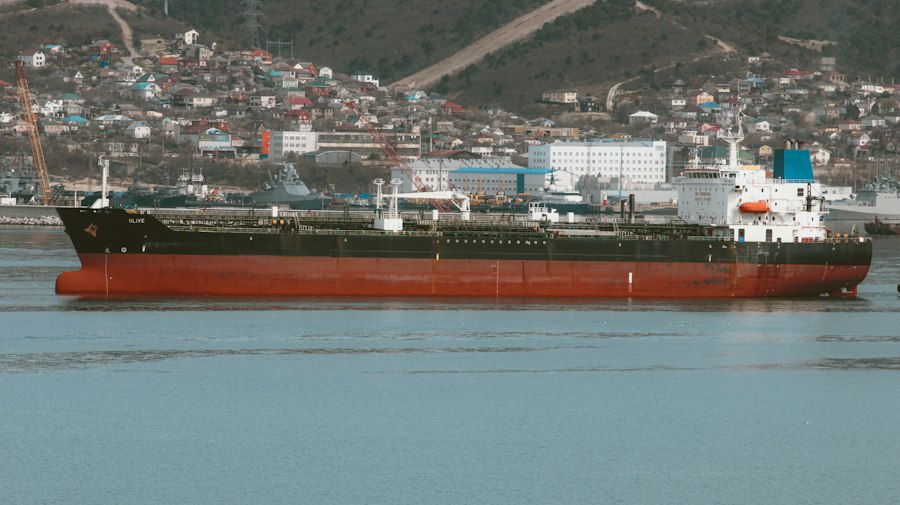
As the tide of war turned decisively against Germany, the effectiveness of the U-boat arm diminished significantly. Technological advancements by the Allies, such as improved radar, sonar, and code-breaking capabilities, made U-boat operations increasingly hazardous. The strategic bombing campaigns also hampered the production of new U-boats and their supplies. For U-402, and many other submarines, the end of the war in Europe in May 1945 marked not an honorable surrender but a moment of profound uncertainty. With the collapse of the Nazi regime, the fate of these formidable vessels, once instruments of destruction, became a question of what to do with them.
Surrender and Scrutiny: Post-War Disposition of U-Boats
The Allied powers were faced with a significant logistical and political challenge regarding the disposition of the vast German U-boat fleet. The desire to prevent any resurgence of German naval power, coupled with the need to study and understand the technological advancements embodied in these submarines, led to a complex process of surrender, examination, and eventual disposal. Many U-boats were scuttled by their own crews to prevent them from falling into enemy hands, while others were formally surrendered to Allied navies. U-402, like many other surviving U-boats, likely underwent a period of rigorous inspection and debriefing by Allied naval intelligence. These examinations were crucial for understanding German submarine technology, tactics, and operational strengths and weaknesses. The information gathered was invaluable for the development of Allied anti-submarine warfare strategies and for shaping the future of naval design. The process of dismantling and re-purposing these once-feared vessels was a symbolic end to an era of intense maritime conflict.
From Hunter to Hauler: The Concept of Conversion
The post-war period saw a global demand for goods and resources, and a shortage of shipping to transport them. Many nations were rebuilding their economies and infrastructure, and this required the efficient movement of raw materials and finished products across the oceans. The idea of converting surplus military vessels into civilian cargo carriers was not new, but applying it to submarines presented a unique set of challenges and opportunities. The robust construction of submarines, designed to withstand immense pressure, offered a strong hull. However, their internal layout, optimized for combat operations and torpedo storage, was entirely unsuitable for carrying bulk cargo. The conversion process would require a radical reimagining of the submarine’s interior. The initial concept of turning a U-boat into a tanker likely arose from the need for robust, relatively small, and potentially cost-effective vessels to move specific types of liquid cargo. The deep-diving capabilities of a submarine, while no longer relevant for warfare, still pointed to a hull structure that could be adapted to safely carry a significant volume of liquid.
The Intricate Process of Transformation

Converting a highly specialized military submarine into a civilian tanker was a monumental undertaking, requiring significant engineering expertise and a willingness to innovate. The original design of the U-402, optimized for stealth and offensive action, was fundamentally at odds with the requirements of a cargo vessel. This conversion was not merely a superficial change; it involved a complete reimagining of the submarine’s internal structure and purpose.
Stripping Down and Rebuilding: Interior Reconfiguration
The first and most crucial step in the conversion of U-402 was the complete gutting of its interior. The cramped living quarters, the torpedo tubes, the elaborate control systems, and the engine rooms, all designed for a highly specific military function, had to be removed. This was a laborious and complex process, as the U-boat’s hull was a densely packed environment. Once the interior was stripped bare, the real work of creating a tanker began. Large cargo tanks, designed to hold liquid fuel, were meticulously fabricated and installed within the main hull. These tanks needed to be robust, leak-proof, and capable of safely containing a significant volume of volatile cargo. Access points, pumping systems, and safety valves were all engineered to meet the specific demands of tanker operations. The once-silent corridors where sailors moved with practiced efficiency were replaced by the echoing emptiness of vast cargo holds. The delicate balance of a warship was replaced by the structural integrity required to safely transport thousands of gallons of fuel.
Reimagining the Deck and Superstructure: From Combat to Commerce
The external configuration of U-402 also underwent significant changes. The prominent deck gun and anti-aircraft weaponry were removed, leaving a cleaner, less menacing profile. The sail, the distinctive conning tower of a U-boat, would likely have been modified or replaced. For a tanker, a more functional superstructure would be needed, housing navigation equipment, crew accommodations for a potentially larger, more permanent crew involved in civilian operations, and the necessary machinery for managing cargo. The process involved welding, cutting, and fabricating new sections to create a vessel that was not only seaworthy but also compliant with civilian maritime regulations. The streamlined, predatory lines of the U-boat were gradually replaced by the more utilitarian appearance of a cargo ship. The addition of new decks, railings, and specialized equipment would have transformed the silhouette of the former war machine into that of a working vessel. The attention to detail required was immense, ensuring that every modification served a practical purpose in its new role.
A New Life at Sea: The Tanker’s Operational Role
Once the extensive conversion was complete, U-402, now a tanker, embarked on a second life at sea. Its days of lurking beneath the waves and unleashing torpedoes were over. Instead, it became a vital component of the global trade network, contributing to the movement of essential commodities that fueled post-war reconstruction and economic growth.
Carrying the Black Gold: The Function of a Tanker
The primary role of U-402 as a tanker would have been the transportation of petroleum products. Crude oil and refined fuels are the lifeblood of modern industry and transportation, and the demand for these commodities surged in the post-war era. The converted submarine’s hull, once designed to withstand the crushing pressures of the deep, proved to be an ideal structure for housing multiple large cargo tanks. These tanks would have been filled and emptied through a network of pipes and pumps, a far cry from the delicate operation of loading torpedoes. The vessel would have sailed on routes that supplied refineries, power plants, and industrial centers, playing a crucial role in keeping economies running. Its smaller size, compared to purpose-built supertankers, might have made it suitable for navigating shallower harbors or serving more localized distribution needs. The transformation meant that the very same hull that once carried the potential for destruction now carried the fuel that powered reconstruction and progress.
Navigating peacetime waters: Safety and Regulations
The transition from a military vessel to a civilian one meant that U-402 had to comply with a host of new safety regulations and operational standards. Civilian maritime authorities would have imposed strict requirements for navigation, crew safety, cargo handling, and environmental protection. The vessel’s original construction, while robust, would have been assessed against these new benchmarks. Any necessary upgrades or modifications to meet these standards would have been implemented during or after the conversion. The crew, too, would have undergone different training, focusing on safe cargo operations, navigation in civilian shipping lanes, and emergency procedures specific to tanker incidents. The inherent seaworthiness of its submarine hull likely aided in meeting some of these requirements, but the operational philosophy was entirely different. The goal was no longer to evade detection and sink enemy vessels, but to ensure safe, efficient, and reliable transport of valuable and potentially hazardous cargo. The peacetime waters, though less immediately perilous than wartime oceans, still demanded a high degree of professionalism and adherence to established maritime practices.
The conversion of the I 402 submarine into a tanker marks a significant development in naval engineering, showcasing the versatility of military vessels. This innovative transformation allows for enhanced logistical support during maritime operations, reflecting a growing trend in adapting existing military assets for new roles. For those interested in exploring more about the implications of such conversions, you can read a related article that delves into the strategic advantages of this approach. Check it out here.
The Legacy of a Transformed Vessel
| Metric | Details |
|---|---|
| Original Vessel Type | Type B2 Submarine (I-402) |
| Conversion Purpose | Submarine Tanker (Transporting Aviation Fuel) |
| Displacement (Surfaced) | 2,584 tons (approximate) |
| Displacement (Submerged) | 3,654 tons (approximate) |
| Length | 108.7 meters |
| Beam | 9.3 meters |
| Draft | 5.1 meters |
| Fuel Capacity | Approximately 150 tons of aviation gasoline |
| Speed (Surfaced) | 16.75 knots |
| Speed (Submerged) | 6.5 knots |
| Range (Surfaced) | 21,000 nautical miles at 16 knots |
| Range (Submerged) | 60 nautical miles at 3 knots |
| Armament | Reduced or removed to accommodate fuel tanks |
| Commissioned | 1945 (converted late in WWII) |
| Primary Use | Transporting aviation fuel to isolated island bases |
The story of U-402’s conversion into a tanker is more than just a footnote in maritime history; it is a compelling narrative about adaptation and the enduring utility of robust engineering. It demonstrates how the skills and resources developed for war can be redirected towards peaceful and productive purposes, a testament to human ingenuity in the face of changing circumstances.
A Symbol of Resilience and Resourcefulness
The transformation of U-402 from a weapon of war into a freighter serves as a powerful symbol of resilience and resourcefulness. It highlights the ability of humans to repurpose, adapt, and find new value in materials and structures that might otherwise be considered obsolete or destructive. In the aftermath of a devastating global conflict, the conversion of former instruments of war into tools for rebuilding and economic recovery offered a tangible sign of progress and a move towards a more stable future. The vessel’s journey from the dark, dangerous depths of the Atlantic as a U-boat to the sunlit surfaces as a tanker carrying vital resources encapsulates this spirit of renewal. It’s a story that transcends the specifics of naval history, speaking to a broader human capacity to innovate and adapt.
Echoes in Maritime History: The Unsung Heroes of Conversion
While the exploits of warships and the daring of their crews often capture the public imagination, the stories of converted vessels like U-402 are often relegated to the background. Yet, these transformations were critical to the post-war era. The engineers, shipbuilders, and sailors who undertook these complex conversions were unsung heroes, their work vital to the recovery and continued operation of global trade. The conversion of U-402 was likely one of many such projects undertaken worldwide, repurposing a multitude of surplus military hardware. These ships, born of conflict, became essential cogs in the machinery of peace. The legacy of U-402, therefore, is not just about the submarine it once was, but about the tanker it became, and the broader narrative of how nations rebuilt and continued to function after the ravages of war. It’s a reminder that even the most formidable tools of destruction can be reimagined and reoriented towards construction and progress, leaving a quiet but significant mark on history.
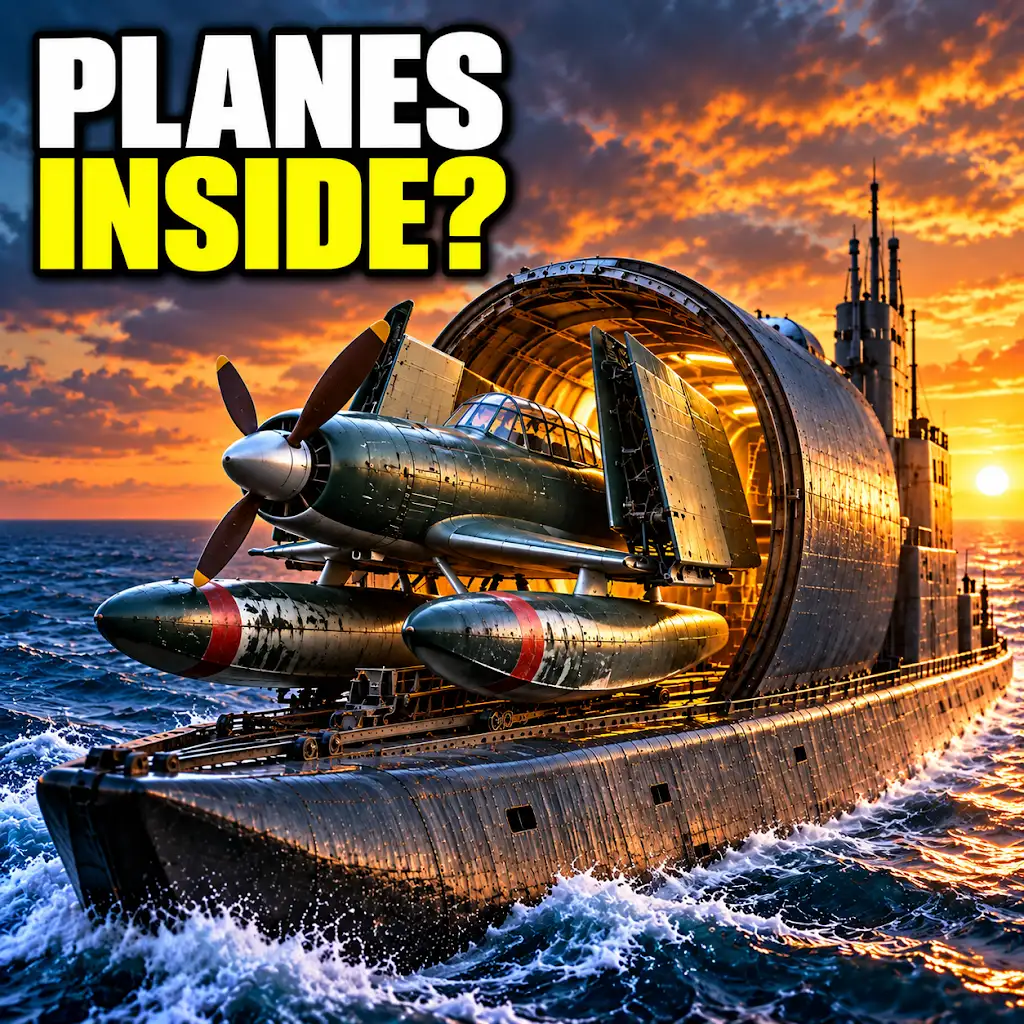
Japan Built a Submarine That Could Launch Three Planes
FAQs
What is the i 402 submarine?
The i 402 submarine was a Japanese submarine built during World War II for the Imperial Japanese Navy.
How was the i 402 submarine converted to a tanker?
After World War II, the i 402 submarine was captured by the United States Navy and converted into a tanker by removing its torpedo tubes and installing storage tanks for fuel.
What was the purpose of converting the i 402 submarine into a tanker?
The conversion of the i 402 submarine into a tanker was part of the United States’ efforts to study and evaluate Japanese naval technology and capabilities after World War II.
Was the i 402 submarine used as a tanker after its conversion?
After its conversion, the i 402 submarine was used by the United States Navy as a test vessel to evaluate its performance as a tanker. It was not used for operational purposes.
What happened to the i 402 submarine after its use as a tanker?
After its use as a tanker, the i 402 submarine was eventually scuttled off the coast of Hawaii in 1946 as part of Operation Road’s End, which aimed to dispose of captured Japanese submarines.