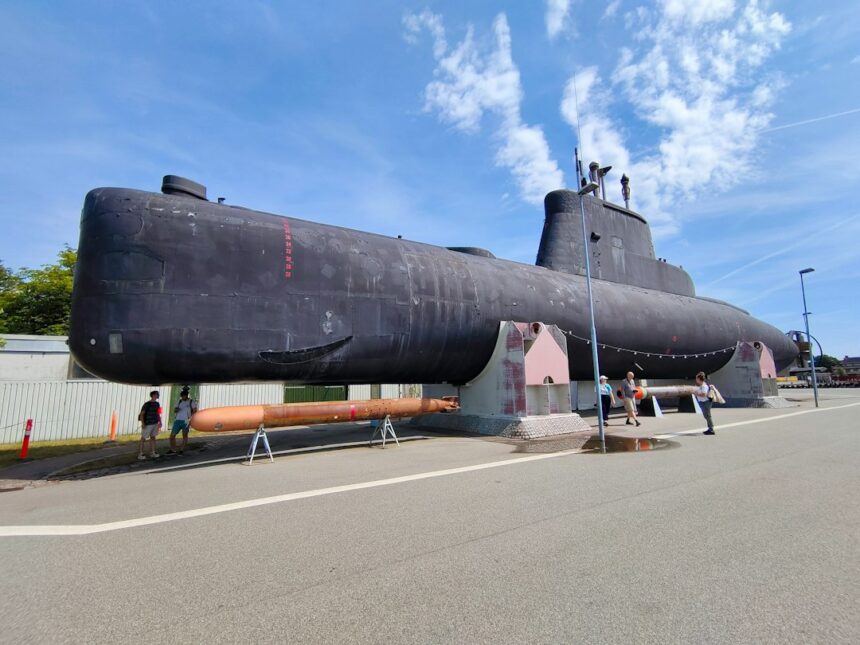
The shadows of World War II, a conflict etched in human history with unparalleled devastation, continue to yield secrets, even decades later. Recently unearthed documents, painstakingly translated and analyzed by historians, have shed new light on a bold and audacious plan conceived by the Imperial Japanese Navy during the height of its Pacific campaign. This was not a conventional assault, but rather a sophisticated and deeply ambitious submarine offensive, designed to cripple American naval power at its very core. The revelation offers a chilling glimpse into the strategic thinking of the Japanese high command and the terrifying potential that lurked beneath the waves of the Pacific.
Whispers from the Deep: The Genesis of a Submarine Offensive
The strategic landscape of the Pacific War, from its outset, was dominated by the colossal naval might of the United States. Following the devastating surprise attack on Pearl Harbor in December 1941, the Imperial Japanese Navy, despite initial triumphs, found itself increasingly outmatched in terms of shipbuilding capacity and industrial output. Facing an enemy that could replenish its losses at an alarming rate, Japanese strategists began to explore unconventional avenues to gain a decisive advantage. The submarine arm, already a significant component of their naval doctrine, became a focal point for ambitious new strategies.
The Doctrine of Decisive Battle and the Submarine Role
For centuries, naval warfare had often revolved around the concept of a “decisive battle,” a singular engagement where opposing fleets clashed, and the victor emerged with undeniable supremacy. While the nature of naval warfare was rapidly evolving with the advent of aircraft carriers, the Japanese Navy still clung to elements of this traditional doctrine. They sought a knockout blow, a moment where they could neutralize the American Pacific Fleet and thus dictate the terms of the war. However, achieving this through a direct surface engagement was becoming increasingly improbable. This is where the submarine force, with its inherent stealth and ability to strike without warning, entered the equation as a crucial, albeit unconventional, element of the decisive battle strategy.
Early Successes and Growing Ambitions
The initial stages of the Pacific War saw considerable success for Japanese submarines. They inflicted significant damage on Allied shipping, disrupting vital supply lines and sinking numerous warships. These early victories, though often overshadowed by the larger fleet actions, fostered a sense of confidence and emboldened strategists to consider more audacious roles for their underwater fleet. The idea was no longer simply to interdict supply lines, but to actively participate in a campaign to annihilate the enemy’s capital ships.
The Search for a Strategic “Silver Bullet”
As the war progressed and the tide began to turn against Japan, the desperation for a strategic “silver bullet” intensified. The sheer industrial might of the United States meant that a war of attrition was a losing proposition. The focus shifted towards devising plans that could inflict disproportionate damage, cripple the enemy’s will to fight, or create a strategic paralysis. It was within this context of escalating pressure and the need for a radical solution that the elaborate submarine attack plan began to take shape. The documents suggest a willingness to take immense risks and to deploy resources in ways that, while potentially devastating if successful, also carried significant inherent dangers.
In examining the strategic naval operations during World War II, one can gain further insights into the plans for Japanese submarines and their intended attacks by reading the article titled “Silent Shadows: The Role of Japanese Submarines in WWII” on In The War Room. This piece delves into the tactics and missions of these submarines, shedding light on their impact on naval warfare. For more information, you can access the article here: Silent Shadows: The Role of Japanese Submarines in WWII.
The Grand Design: Operation “Sea Serpent’s Coil”
The unearthed documents detail a meticulously crafted plan, codenamed “Operation Sea Serpent’s Coil.” This was not a singular, isolated attack, but rather a multi-phased offensive designed to gradually encircle and then systematically dismantle the American Pacific Fleet. The ambition was staggering, aiming to leverage the unique capabilities of Japan’s submarine force to achieve a strategic objective that conventional naval warfare had failed to deliver. The plan was characterized by its complexity, its reliance on intelligence, and its willingness to exploit perceived weaknesses in American defenses.
Phase One: The Silent Advance and Intelligence Gathering
The initial phase of Operation Sea Serpent’s Coil was predicated on a covert, long-range deployment of a significant portion of Japan’s submarine fleet. These vessels, equipped with advanced (for the era) sonar and hydrophones, were tasked with a dual mission: to establish an unprecedented intelligence network and to position themselves for the subsequent offensive. Submarines would patrol vast swathes of the Pacific, meticulously mapping American naval movements, identifying patrol routes, and pinpointing the locations of key bases and staging areas. This intelligence gathering was crucial, as it would inform the targeting strategy for the main assault. The sheer number of submarines deployed in this phase was intended to create a persistent, almost omnipresent, threat, making it difficult for the Americans to discern the true scale and intent of the Japanese presence.
The Role of Special Reconnaissance Units
Integral to this intelligence-gathering phase were specialized reconnaissance units operating from submarines. These units, often comprised of highly trained naval personnel, were tasked with highly sensitive missions, including observing naval exercises, identifying ship types and classes, and even attempting to gather information on the effectiveness of new American anti-submarine tactics. The risks associated with these missions were immense, as capture by the enemy could have exposed the entire operation. However, the perceived value of such granular intelligence justified these high-stakes endeavors.
Phase Two: The Deep Strike – Crippling the Carrier Force
The lynchpin of Operation Sea Serpent’s Coil was the planned attack on the American aircraft carrier forces. Recognizing the carrier as the new centerpiece of naval power, Japanese strategists identified the carriers as the primary target. The plan envisioned a coordinated ambush, with submarines positioned along likely transit routes. The attack was not to be a frontal assault but a series of surprise strikes, aiming to maximize the element of shock and confusion. The objective was not necessarily to sink every carrier but to inflict enough damage to cripple their operational capacity, rendering them unable to project air power in the Pacific.
The “Wolf Pack” Tactic Amplified
The “wolf pack” tactic, where multiple submarines coordinate their attacks, was central to this phase. However, Operation Sea Serpent’s Coil envisioned an amplification of this strategy on an unprecedented scale. Dozens of submarines would operate in concert, creating a seemingly inescapable trap for the American carriers. The submarines would use their superior maneuverability and stealth to approach their targets from multiple angles, overwhelming both the carriers’ defenses and their escort vessels. The goal was to create a sustained period of intense attack, preventing the American fleet from effectively responding or regrouping.
Phase Three: The Fleet Engagement and Consolidation
Following the debilitating attacks on the carrier force, the plan called for a shift in focus to engaging the remaining surface fleet. With the primary projection of American air power neutralized, Japanese battleships and cruisers would then be employed in a decisive surface engagement. The submarines, having expended a significant portion of their torpedoes and having potentially suffered losses, would transition to a support role, interdicting escaping vessels and preventing reinforcements from reaching the engaged surface fleet. This phase was designed to capitalize on the confusion and disarray sown by the initial submarine attacks, aiming for a comprehensive victory that would permanently alter the balance of power in the Pacific.
The Submarine’s New Role: Mine Laying and Blockade
As the submarines’ offensive capabilities diminished, the plan incorporated a shift in their operational profile. They were to be redeployed for mine-laying operations in key straits and chokepoints, further isolating and hindering the movement of any surviving American naval assets. Additionally, submarines would participate in a sustained blockade of strategic islands and naval bases, preventing resupply and reinforcing the strategic gains achieved by the fleet. This demonstrated a remarkable adaptability within the plan, showcasing a comprehensive understanding of the submarine’s multi-faceted potential.
The Technological Edge and Its Limitations
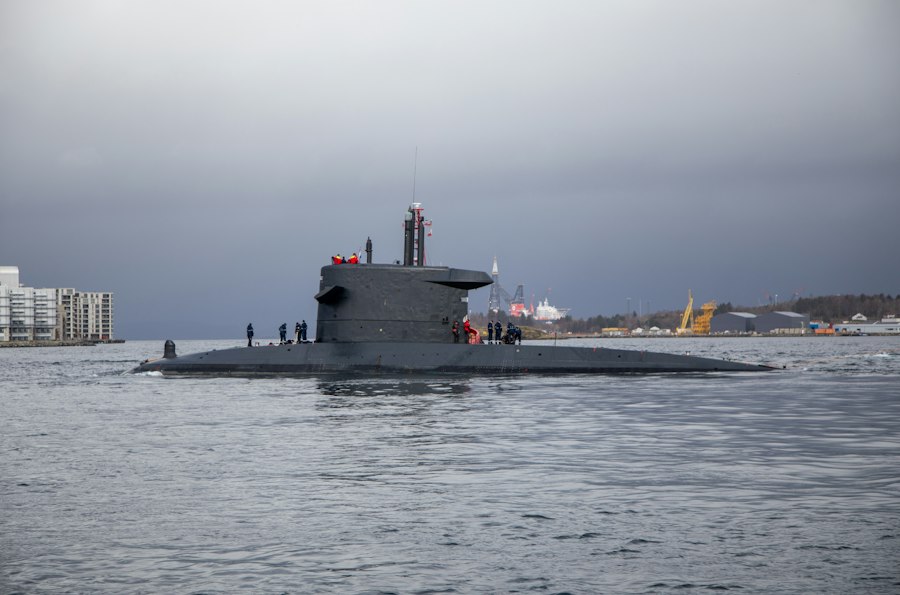
The success of Operation Sea Serpent’s Coil hinged on several key technological assumptions, many of which, while innovative for their time, also represented the zenith of Japanese naval technological capability and, in some cases, pushed the boundaries of what was feasible. The plan was ambitious, and its execution relied on a delicate interplay of cutting-edge technology and strategic foresight.
The IJN’s Advanced Submarine Design
The Imperial Japanese Navy prided itself on its submarine designs, which were often considered superior to those of its Allied counterparts in certain aspects. The Japanese developed submarines with excellent underwater speed and range, features crucial for long-range patrols and the execution of extended offensive operations across the vast Pacific. Furthermore, many Japanese submarines were equipped with advanced torpedo systems, including the potent Long Lance torpedo, which possessed a formidable range and a devastating warhead. The plan heavily relied on the tactical advantage provided by these superior underwater platforms.
The “Special Type” Submarines and Their Purpose
The operation also envisioned the deployment of Japan’s specialized “Type A” midget submarines and the larger “Kō-hyōteki” submarines. These were not intended for direct engagement with capital ships in the same way as the larger fleet submarines, but rather for specialized roles such as penetrating harbors and attacking stationary targets. Their inclusion in the plan, while perhaps less overtly destructive, represented a sophisticated attempt to introduce an element of psychological warfare and to sow chaos within supposedly secure naval installations. The threat of these smaller, stealthier craft added another layer of complexity to the potential American response.
The Crucial Role of Sonar and Hydrophones
Accurate intelligence on enemy movements was paramount for Operation Sea Serpent’s Coil. To this end, Japanese submarines were equipped with some of the best sonar and hydrophone systems available at the time. These technologies allowed them to detect enemy vessels at significant distances, providing critical early warning and enabling them to plot optimal ambush positions. The effectiveness of these systems was a major factor in the initial successes of Japanese submarines, and their continued development was a key component of the plan’s feasibility. However, the effectiveness of these systems was often hampered by ambient noise and the increasing sophistication of Allied counter-measures.
The Achilles’ Heel: Allied Anti-Submarine Warfare and Intelligence
Despite the technological advancements of the Japanese submarine force, Operation Sea Serpent’s Coil harbored a fundamental vulnerability: the rapidly evolving and increasingly effective Allied anti-submarine warfare (ASW) capabilities and the growing sophistication of Allied intelligence. The Allies were making significant strides in sonar technology, radar detection, and the development of effective anti-submarine aircraft and escort vessels. Furthermore, the breaking of Japanese naval codes provided the Allies with invaluable insights into Japanese movements and intentions, a fact that the Japanese planners, in their confidence, may have underestimated. The plan’s reliance on stealth and surprise was inherently at risk from the growing ability of the Allies to detect and neutralize submarines.
The Shadow of Failure: Why Operation “Sea Serpent’s Coil” Never Unfurled
The existence of such a meticulously detailed and ambitious plan raises the inevitable question: why was it never executed? The reasons are multifaceted, a complex interplay of strategic miscalculation, technological limitations, and the sheer unforgiving nature of total war. The grand design, though potentially devastating, ultimately faltered before it could be unleashed.
The Strategic Gamble and Resource Allocation
One of the primary reasons for the plan’s shelving was the immense strategic gamble it represented. Deploying such a large portion of the Japanese submarine fleet for a single, high-risk operation would have left the Navy critically vulnerable in other theaters of war. The Japanese were already stretched thin, facing threats in numerous locations across the Pacific. The potential loss of so many submarines, even in a successful operation, would have been a catastrophic blow to their overall naval strength. The resource allocation required for such an undertaking was simply too great, especially when weighed against other pressing defensive needs.
Unforeseen Operational Challenges and Logistical Nightmares
Beyond the strategic considerations, the sheer operational and logistical challenges of executing Operation Sea Serpent’s Coil were staggering. The vast distances involved, the need for clandestine rendezvous for refueling and resupply, and the maintenance of such a large and dispersed fleet of submarines would have been a monumental undertaking. Furthermore, the plan relied on a level of coordination and communication across vast expanses of ocean that was extremely difficult to maintain, especially under the constant threat of Allied aerial and surface patrols. Any disruption in this complex chain could have had cascading negative effects.
The Shifting Tide of War and Emerging Threats
By the time Operation Sea Serpent’s Coil reached its theoretical implementation phase, the strategic tide of the Pacific War had irrevocably shifted. The Allied landings at Guadalcanal and subsequent island-hopping campaigns had placed the Japanese on the defensive. The industrial might of the United States was fully engaged, and the sheer volume of Allied shipping and naval power was becoming increasingly overwhelming. The window of opportunity for a decisive strike, as envisioned by the plan, was rapidly closing. New threats and defensive priorities emerged, rendering the original strategic objectives of Operation Sea Serpent’s Coil obsolete.
The Ultimate Protector: Allied Intelligence and Counter-Measures
The most significant factor in the plan’s ultimate demise was likely the ever-increasing effectiveness of Allied intelligence and anti-submarine warfare. The continuous breaking of Japanese naval codes meant that Allied commanders were often aware of Japanese intentions and fleet movements long before they could be executed. This intelligence allowed them to position their forces, set traps, and implement countermeasures that would have rendered Operation Sea Serpent’s Coil a suicidal mission. The submarines, the instruments of this grand offensive, would have been sailing into a well-prepared and lethal trap.
During World War II, Japanese submarines played a crucial role in naval warfare, employing innovative tactics to disrupt Allied shipping routes. These submarines were designed to launch surprise attacks, often targeting merchant vessels and naval ships alike. For a deeper understanding of the strategies and operations of Japanese submarines, you can explore this insightful article that delves into their historical significance and impact on the war. The article can be found here.
Echoes in History: Lessons from a Hypothetical Conflict
| Metric | Description | Details |
|---|---|---|
| Attack Method | Primary means of engaging enemy vessels | Submerged torpedo attacks using Type 95 or Type 93 torpedoes |
| Torpedo Range | Maximum effective distance of torpedoes | Up to 12,000 meters (Type 95 oxygen torpedo) |
| Torpedo Speed | Speed at which torpedoes travel | Up to 49 knots (Type 95) |
| Stealth Approach | Method of closing in on targets | Submerged approach at periscope depth to avoid detection |
| Attack Depth | Depth at which attacks were launched | Typically between 10 to 20 meters for torpedo firing |
| Target Types | Preferred enemy vessels for attack | Warships, aircraft carriers, and merchant vessels |
| Attack Formation | Submarine group tactics | Wolfpack style coordinated attacks in some cases |
| Surface Attacks | Use of deck guns or surface torpedo attacks | Occasionally used against unarmed or lightly armed vessels |
| Communication | Coordination during attacks | Radio transmissions for coordination, limited to avoid detection |
The revelation of Operation Sea Serpent’s Coil offers a profound opportunity for historical reflection. It underscores the desperation that can drive military strategy in times of existential threat, the constant evolution of warfare, and the critical interplay between technological advancement and human ingenuity. While the plan never materialized, its study provides invaluable insights into the mindset of wartime leadership and the complex calculus of military decision-making.
The Nature of Strategic Gambles in
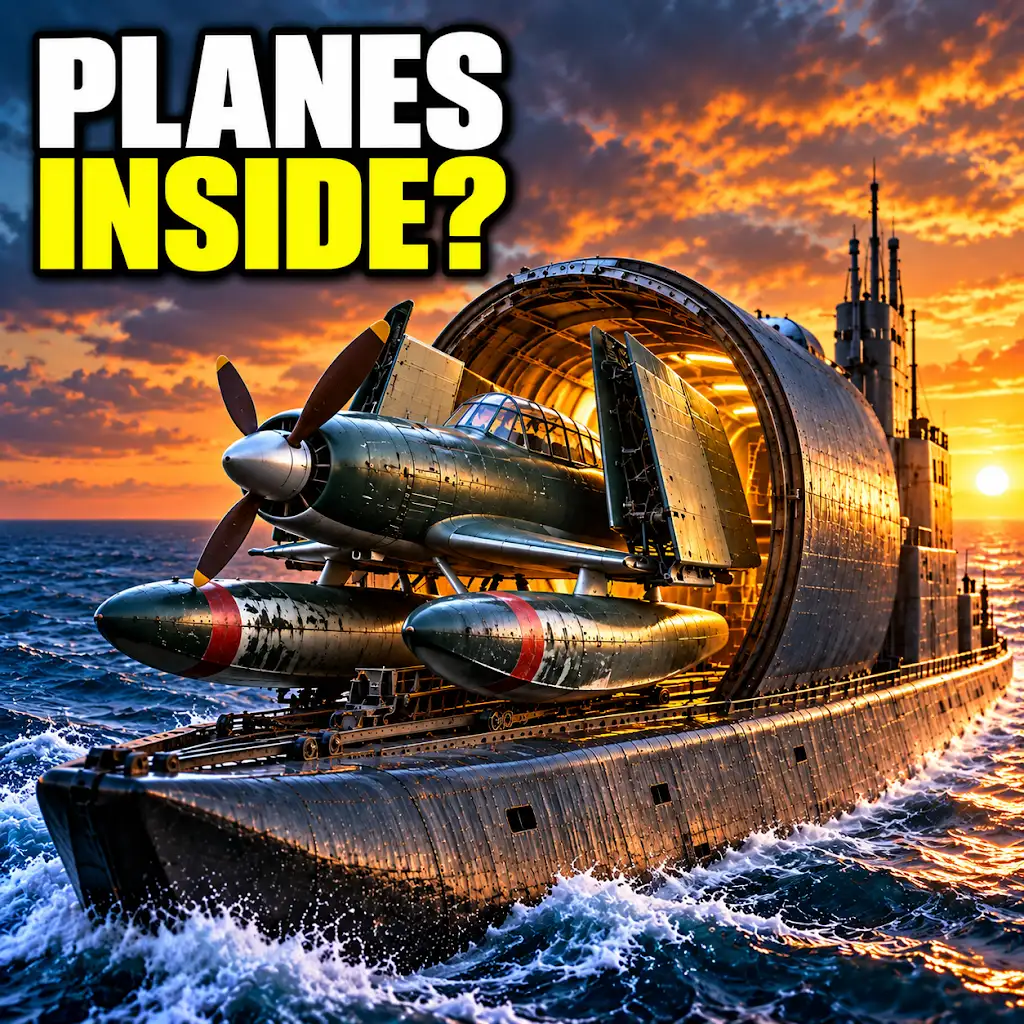
Japan Built a Submarine That Could Launch Three Planes
FAQs
1. How were Japanese submarines supposed to attack during World War II?
Japanese submarines were equipped with torpedoes and were intended to target enemy ships, particularly warships and supply vessels.
2. What tactics did Japanese submarines use for their attacks?
Japanese submarines employed tactics such as nighttime surface attacks, firing torpedoes from periscope depth, and utilizing stealth to evade detection by enemy forces.
3. Did Japanese submarines have any notable successes during World War II?
Yes, Japanese submarines achieved several notable successes during the war, including the sinking of numerous enemy ships, such as the aircraft carrier USS Wasp and the cruiser USS Indianapolis.
4. What challenges did Japanese submarines face in executing their attacks?
Japanese submarines faced challenges such as limited range and endurance, lack of effective communication with headquarters, and the increasing effectiveness of Allied anti-submarine warfare tactics.
5. How did the role of Japanese submarines evolve throughout World War II?
Initially used for reconnaissance and support missions, Japanese submarines transitioned to a more offensive role as the war progressed, focusing on disrupting enemy supply lines and engaging in direct combat with enemy ships.