The Art of Misdirection: British Double Agents and D-Day Deception
The sands of Normandy, forever etched into history as the landing grounds for the Allied invasion of Europe, were not merely the scene of a colossal military endeavor. They were also the stage for a meticulously crafted theatre of deception, a complex ballet of misinformation orchestrated by British intelligence and its network of double agents. The success of Operation Overlord, the codename for the D-Day landings on June 6, 1944, owed a significant debt to the uncanny ability of British spies to sow confusion and doubt in the minds of their German adversaries. This was not simply about brute force; it was about psychological warfare waged with precision, where agents, often risking their lives with every whisper and forged document, became the architects of the enemy’s misperception.
The story of British double agents and D-Day deception is a testament to the invisible battle that raged behind the scenes, a battle fought with cunning, courage, and an almost theatrical flair for dramatic misdirection. These individuals, operating in the shadows, were the unsung heroes whose actions directly influenced the tide of the war, ensuring that the colossal military machine of the Allies met a less prepared and more bewildered foe on the crucial beaches of Normandy. Their success was not accidental; it was the result of decades of intelligence gathering, the development of sophisticated deception techniques, and the recruitment of individuals whose loyalty, or perhaps greed, made them potent weapons in the war against Nazism.
Before D-Day, British double agents played a crucial role in misleading the Germans about the timing and location of the Allied invasion. Their efforts were part of a larger deception strategy known as Operation Fortitude, which aimed to create confusion and misdirection. For a deeper exploration of this fascinating aspect of World War II espionage, you can read more in the article available at In the War Room.
The Genesis of Deception: Building the Network
The foundations of the elaborate deception surrounding D-Day were laid long before the first landing craft hit the water. British intelligence, particularly through the enigmatic Section 2(b) of MI6 and later its successor, the Twenty Committee (often referred to as the “XX Committee”), had spent years cultivating a network of agents, many of whom were compromised or captured German spies who could be turned into double agents. This “turning” process was a delicate art, involving a combination of persuasion, threats, and the promise of survival, transforming individuals who once served the Reich into unwitting, or in some cases, willing, tools of the Allied cause.
The early successes of this network were crucial in understanding German capabilities and intentions, but the true genius lay in its application to offensive deception. The Germans, anticipating an Allied invasion, were desperate to know where and when it would occur. This hunger for intelligence became the primary target of British deception operations. By carefully feeding them information, both true and false, the British aimed to manipulate German strategic decisions, diverting their troops and resources away from the true invasion sites.
The Art of Turning: From Enemy Spy to Allied Asset
The recruitment and management of double agents was a highly specialized and dangerous undertaking. The British had to not only recruit these individuals but also maintain their credibility with the Germans, ensuring that the information they provided was deemed authentic. This involved establishing elaborate backstories, maintaining regular communication channels that mimicked those used by genuine German agents, and, most importantly, ensuring that the intelligence provided was consistent with the overall deception narrative. The “turning” of a German agent often involved confronting them with evidence of their compromised status and offering them a stark choice: cooperate and live, or face the consequences. For many, survival was the primary motivator, but for some, a genuine opposition to the Nazi regime also played a role.
The Twenty Committee: Orchestrating the Double Cross
The Twenty Committee, formed in 1941, was the central hub for managing double agents. Its name was derived from the Roman numerals for twenty, symbolizing the partnership between British and Allied intelligence services. This committee was responsible for approving all deception operations, managing the flow of information to and from double agents, and ensuring the seamless execution of complex plans. The committee’s success was built on a deep understanding of German psychology and military doctrine. They knew what the Germans wanted to hear, what they were likely to believe, and how to exploit their fears and biases.
Operation Fortitude: The Grand Illusion
The cornerstone of the D-Day deception was Operation Fortitude. This was not a single operation but a series of interconnected plans designed to convince the Germans that the main Allied invasion would take place in the Pas-de-Calais, a region much closer to Britain and a historically logical invasion point, rather than Normandy. The choice of the Pas-de-Calais was strategic; it was the shortest sea crossing and offered the best terrain for an attacking force. By focusing German attention here, the Allies hoped to draw their reserves away from Normandy, thereby weakening their defenses on the actual landing beaches.
Operation Fortitude employed a vast array of deceptive tactics, from the creation of phantom armies to the dissemination of meticulously crafted false intelligence. The sheer scale and audacity of this operation were breathtaking, requiring the coordinated efforts of thousands of individuals and the utilization of every available intelligence and propaganda tool. The goal was not simply to mislead the Germans about the location of the invasion, but also about its timing and strength, creating a fog of uncertainty that would paralyze their decision-making process.
The Phantom Army: Building Men and Machines from Nothing
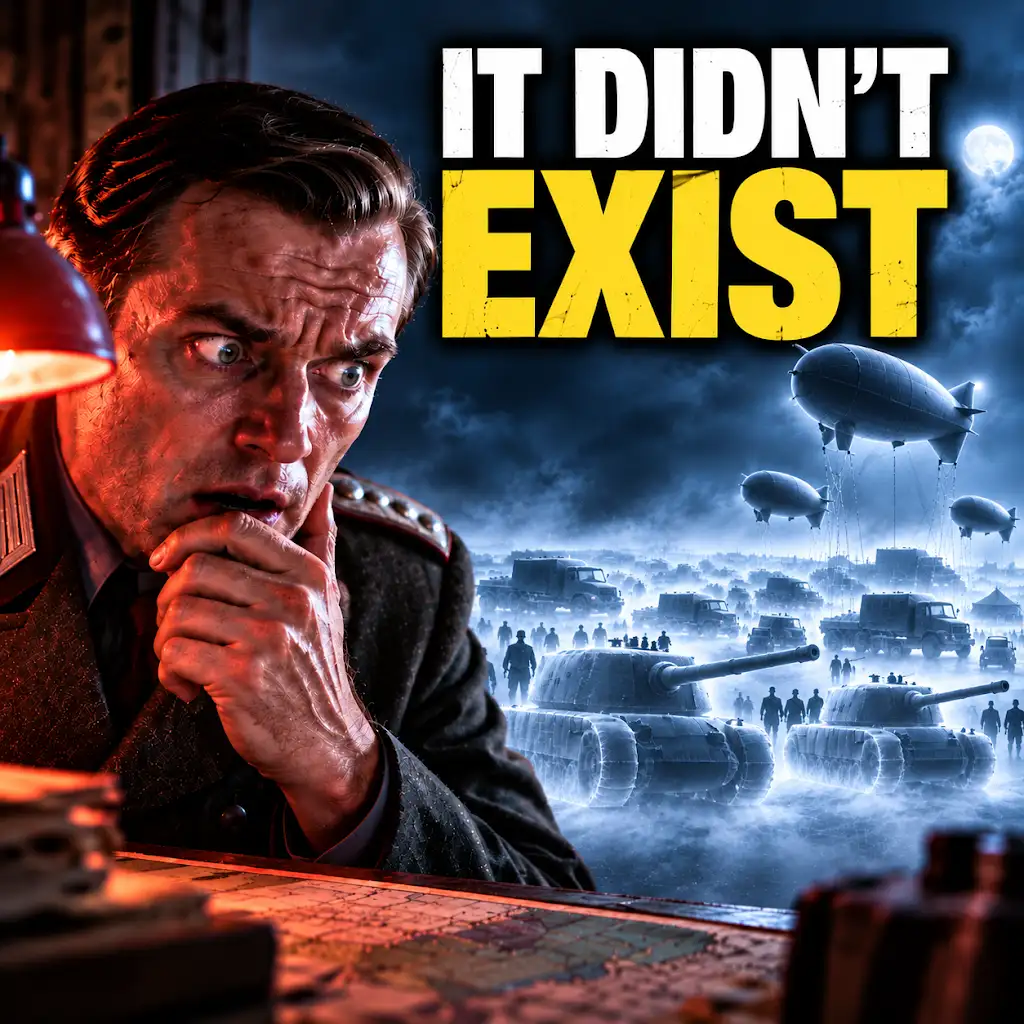
One of the most ingenious elements of Operation Fortitude was the creation of the First United States Army Group (FUSAG), a fictitious army supposedly poised to invade the Pas-de-Calais. This phantom army was led by the highly respected General George S. Patton, a figure the Germans deeply respected and feared. FUSAG was not just a name on a map; it was a meticulously constructed illusion. Radio traffic was generated, troop movements were simulated through the deployment of inflatable tanks, dummy aircraft, and strategically placed encampments, and even carefully leaked documents pointed towards a Calais invasion. The goal was to make FUSAG appear as real and threatening as possible, a constant thorn in the side of German intelligence.
The Double Agents’ Crucial Role: Feeding the Beast
The double agents were the lifeblood of Operation Fortitude. They were tasked with feeding the Germans information that corroborated the existence and intentions of FUSAG. Agents like Garbo (Juan Pujol García), a Spaniard who famously played both sides with remarkable skill, became instrumental in this process. Garbo, with his network of fabricated sub-agents, fed the Germans a constant stream of intelligence that supported the Pas-de-Calais narrative. He meticulously crafted reports detailing troop movements, supply lines, and invasion plans, all designed to reinforce the illusion of a massive force gathering in the southeast of England. His mastery of the German language and his understanding of their intelligence gathering methods made him an invaluable asset.
The Mediterranean Diversion: A Second Front of Fiction
Beyond the Pas-de-Calais deception, British intelligence also employed a secondary, yet equally crucial, deception operation aimed at the Mediterranean theatre. This was designed to convince the Germans that a significant Allied invasion was being planned for the south of France, or even Greece and the Balkans. This further strained German resources and kept them looking in the wrong directions. The goal was to create a multiplicity of threats, making it impossible for the German high command to discern the true primary objective.
The Mediterranean diversion capitalized on the Allies’ existing presence and activities in the region. By exaggerating these operations and hinting at future amphibious assaults, the British created a plausible scenario that further stretched German defenses and diverted attention from the impending Normandy landings. This layered approach to deception ensured that German intelligence was constantly chasing shadows, never quite able to focus on the real danger.
In the lead-up to D-Day, the role of British double agents was crucial in misleading the Germans about the actual invasion plans. These operatives, often working under the guise of loyalty to the enemy, provided false information that helped to ensure the success of the Allied forces. For a deeper understanding of their strategies and impact, you can read more about this fascinating topic in the article found here. Their intricate web of deception played a significant part in the overall success of the Normandy landings.
Operation Mincemeat and its Legacy: Precedent for Grand Deception
While not directly part of Operation Fortitude, the successful deception of Operation Mincemeat
How the Allies Built an Army for Germany to Discover
FAQs
1. Who were the British double agents before D-Day?
British double agents before D-Day were individuals who were recruited by British intelligence agencies to work as double agents, feeding false information to the Germans during World War II.
2. What was the purpose of using double agents before D-Day?
The purpose of using double agents before D-Day was to deceive the Germans about the location and timing of the Allied invasion of Normandy, known as D-Day. This deception was crucial in ensuring the success of the invasion.
3. How did British double agents contribute to the success of D-Day?
British double agents played a significant role in the success of D-Day by providing the Germans with false information that misled them about the Allied invasion plans. This helped to confuse the German high command and prevent them from effectively countering the invasion.
4. Were there any notable British double agents before D-Day?
Yes, there were several notable British double agents before D-Day, including individuals like Juan Pujol Garcia (code-named “Garbo”) and Lily Sergeyev (code-named “Treasure”). These agents played key roles in deceiving the Germans and contributing to the success of the D-Day invasion.
5. How were British double agents recruited and trained before D-Day?
British double agents were recruited and trained by intelligence agencies like MI5 and MI6. They underwent extensive training in espionage techniques and were carefully selected based on their ability to convincingly deceive the enemy. Training often included learning how to create and maintain cover stories, as well as how to handle communication with German handlers.