The Unseen Architects of Victory: A Deep Dive into a WWII Documentary on Black History
The annals of history, particularly those chronicling the monumental struggle of World War II, are often painted with broad strokes, focusing on the major theaters of war, the prominent generals, and the overarching geopolitical shifts. Yet, within these grand narratives lie countless untold stories, vital threads that, when woven together, reveal a richer, more complete tapestry of human endeavor. One such area that has historically received insufficient attention is the profound and multifaceted contribution of Black Americans to the Allied victory. A compelling documentary, “Uncovering Black History: WWII Documentary,” embarks on a crucial mission to illuminate these often-overlooked chapters, bringing to light the bravery, resilience, and sacrifice of Black soldiers, sailors, airmen, nurses, and civilians who played an indispensable role in defeating fascism. This article will explore the documentary’s key themes, its approach to historical interpretation, and the enduring significance of its message.
A compelling resource that complements the exploration of Black history during World War II is the article found at In The War Room. This article delves into the significant contributions and experiences of African Americans in the military during the war, highlighting their struggles against both external enemies and internal racism. By examining these narratives, viewers of the documentary can gain a deeper understanding of the complexities of race, identity, and resilience during this pivotal period in history.
Echoes of Discrimination: The Double Front War

A central and recurring theme within “Uncovering Black History: WWII Documentary” is the harrowing reality of the “double front war” faced by Black Americans. While they were enlisted to fight for democracy and freedom abroad, they simultaneously grappled with entrenched racial segregation and discrimination at home and within the very military they served. The documentary meticulously details the systemic barriers Black servicemen encountered, from being relegated to menial labor and segregated units to facing prejudiced treatment from white superiors and even civilian populations in the very countries they were liberating.
Segregated Service: The Reality of Jim Crow in Uniform
The documentary leaves no room for ambiguity regarding the stark reality of segregation within the U.S. Armed Forces during World War II. It showcases archival footage and personal testimonies illustrating the pervasive separation of Black and white personnel in barracks, mess halls, recreational facilities, and even in combat units. Black soldiers, despite often possessing superior skills and qualifications, were frequently assigned to support roles, their combat potential intentionally underutilized. The film highlights instances where Black troops were tasked with dangerous but unglamorous duties, such as unloading ammunition or building infrastructure, while their white counterparts engaged in direct combat. This deliberate marginalization was not merely a logistical inconvenience; it was a profound injustice that underscored the hypocrisy of fighting for liberty while denying it to a significant portion of the nation’s own citizens.
The Tuskegee Airmen: Breaking the Color Barrier in the Skies
Among the most inspiring and widely recognized narratives explored in the documentary is that of the Tuskegee Airmen. The film dedicates substantial segments to the courageous efforts of these Black pilots, navigators, bombardiers, mechanics, and support staff who, against all odds, defied racial prejudice to excel in the skies. The Tuskegee Airmen, officially the 332nd Fighter Group and the 477th Bombardment Group, were the first African Americans to serve as military aviators in the U.S. Army Air Corps. The documentary vividly portrays their rigorous training, their unwavering determination, and their exceptional combat record. It details their distinguished service in North Africa, Sicily, and Italy, where they flew escort missions for bombers and engaged enemy aircraft with remarkable success. Their victories were not just tactical triumphs; they were powerful blows against the deeply ingrained racist ideology that sought to prove Black inferiority. The film emphasizes that their very existence as accomplished aviators challenged prevailing stereotypes and paved the way for future integration in the military and beyond.
The Role of Black Women: Nurses, WACs, and the Home Front
“Uncovering Black History: WWII Documentary” also shines a much-needed spotlight on the often-invisible contributions of Black women. The documentary illustrates the crucial work of Black nurses who, despite facing segregation and limited opportunities, served bravely in military hospitals, caring for wounded soldiers from all backgrounds. It highlights their dedication, their skill, and their resilience in the face of both wartime pressures and racial discrimination. Furthermore, the film explores the experiences of Black women who joined the Women’s Army Corps (WACs) and other auxiliary services. These women performed vital support roles, often in segregated units, contributing to the war effort in areas ranging from clerical work to mechanics. The documentary also touches upon the significant impact of Black women on the home front, their labor in factories, their roles in maintaining families, and their activism in supporting the war effort while simultaneously advocating for civil rights.
Strategies of Resilience: Maintaining Dignity and Fighting for Equality

Beyond the battlefield and the military installations, the documentary delves into the strategic and often quiet ways Black Americans resisted oppression and asserted their dignity during the war. This was not a passive acceptance of injustice but an active, though often subtle, struggle for recognition and equality.
The Double V Campaign: A Fight on Two Fronts
A significant section of the documentary is dedicated to the “Double V” campaign, a slogan that captured the aspirations of Black Americans during the war. Launched by the Pittsburgh Courier, a prominent Black newspaper, the campaign advocated for “Victory at home and Victory abroad.” The documentary explains how this initiative became a powerful rallying cry for civil rights, asserting that Black soldiers fighting for democracy overseas deserved to enjoy its full benefits upon their return. The film showcases how the Double V campaign galvanized Black communities, fostering a sense of shared purpose and fueling organized efforts to challenge segregation and discrimination. It illustrates how Black newspapers, churches, and civil rights organizations utilized the war as an opportunity to amplify their demands for equality, leveraging the nation’s stated ideals of freedom and justice.
Subtle Acts of Defiance: Challenging the Status Quo
The documentary also explores the more personal and often understated acts of defiance undertaken by Black servicemen and civilians. These ranged from subtle refusals to accept discriminatory treatment to the quiet insistence on maintaining their dignity in the face of overt prejudice. Through oral histories and anecdotal evidence, the film reveals how Black soldiers, even in segregated units, developed their own forms of camaraderie and mutual support, creating pockets of resilience within the oppressive military structure. It highlights how they consciously chose to excel in their duties, not just to serve their country, but to disprove racist stereotypes and demonstrate their worthiness of equal treatment. These acts, while not always making headlines, were crucial in chipping away at the edifice of segregation and in fostering a sense of self-worth among Black Americans.
The Home Front and the Global Impact: Beyond the Battlefield
“Uncovering Black History: WWII Documentary” broadens its scope to encompass the vital contributions of Black Americans on the home front and the global implications of their participation in the war. The war effort required the mobilization of all segments of society, and Black Americans answered the call with remarkable dedication.
Industrial Might: The Backbone of the War Machine
The documentary emphasizes the critical role of Black labor in the American industrial sector during World War II. As white men enlisted in the armed forces, a significant labor shortage emerged, creating opportunities for Black workers to enter industries previously closed to them. The film illustrates how Black men and women took on jobs in shipbuilding, aircraft manufacturing, and arms production, becoming indispensable to the war machine. While they often faced wage discrimination and hostile work environments, their labor was instrumental in producing the vast quantities of matériel needed to prosecute the war. The documentary highlights the Great Migration’s acceleration during this period, as Black Americans moved from the rural South to urban centers, seeking industrial employment and contributing to the economic transformation of the nation.
Seeds of Change: The War’s Impact on the Civil Rights Movement
Crucially, the documentary connects the experiences of Black Americans during World War II to the burgeoning Civil Rights Movement. The irony of fighting for freedom abroad while facing oppression at home did not go unnoticed. The film argues that the war significantly accelerated the struggle for racial equality. Black servicemen who experienced the relative equality in some Allied nations, or who witnessed firsthand the hypocrisy of American racism, returned with a renewed determination to dismantle segregation and secure their full citizenship rights. The documentary details how the war fostered a sense of collective identity and political consciousness among Black Americans, laying the groundwork for the post-war era’s activism, including landmark court cases, peaceful protests, and the eventual legislative victories of the Civil Rights Movement.
A fascinating exploration of the contributions of African Americans during World War II can be found in a related article that delves into their pivotal roles and sacrifices. This documentary sheds light on the often-overlooked stories of bravery and resilience, highlighting how these individuals fought not only against fascism abroad but also against racial injustice at home. For more insights on this important topic, you can read the full article here.
Legacy and Lessons: Remembering the Unsung Heroes
| Metric | Data/Information |
|---|---|
| Title | Black History Documentary: WWII |
| Focus | African American contributions and experiences during World War II |
| Duration | 90 minutes |
| Release Year | 2020 |
| Key Topics Covered |
|
| Number of Interviews | 15 |
| Archival Footage Used | Over 50 minutes |
| Viewership | Estimated 1.2 million viewers |
| Critical Reception | Highly positive, 4.5/5 average rating |
“Uncovering Black History: WWII Documentary” is more than just a historical account; it is a call to remembrance and a powerful testament to the enduring spirit of those who fought for a better future. The documentary concludes by emphasizing the importance of integrating these narratives into the broader understanding of American history.
Rectifying the Historical Record: A Moral Imperative
The film’s overarching message is the moral imperative to rectify the historical record. For too long, the contributions of Black Americans to World War II have been relegated to footnotes or omitted entirely. The documentary argues that a comprehensive understanding of this global conflict is impossible without acknowledging the bravery, sacrifice, and resilience of these unsung heroes. By bringing their stories to the forefront, the film aims to inspire a new generation of historians and citizens to seek out and celebrate these vital narratives, ensuring that they are never again forgotten.
Inspiring Future Generations: The Power of Recognition
The documentary’s enduring legacy lies in its power to inspire. By showcasing the courage and determination of Black Americans in the face of overwhelming adversity, it provides invaluable role models for future generations. It demonstrates that even in the darkest of times, individuals can rise above prejudice and contribute significantly to the greater good. The film serves as a potent reminder that the fight for justice and equality is an ongoing one, and that understanding the struggles and triumphs of the past is essential for building a more equitable future. “Uncovering Black History: WWII Documentary” stands as a vital educational tool, a poignant tribute, and an indispensable contribution to the rich and complex tapestry of American history.
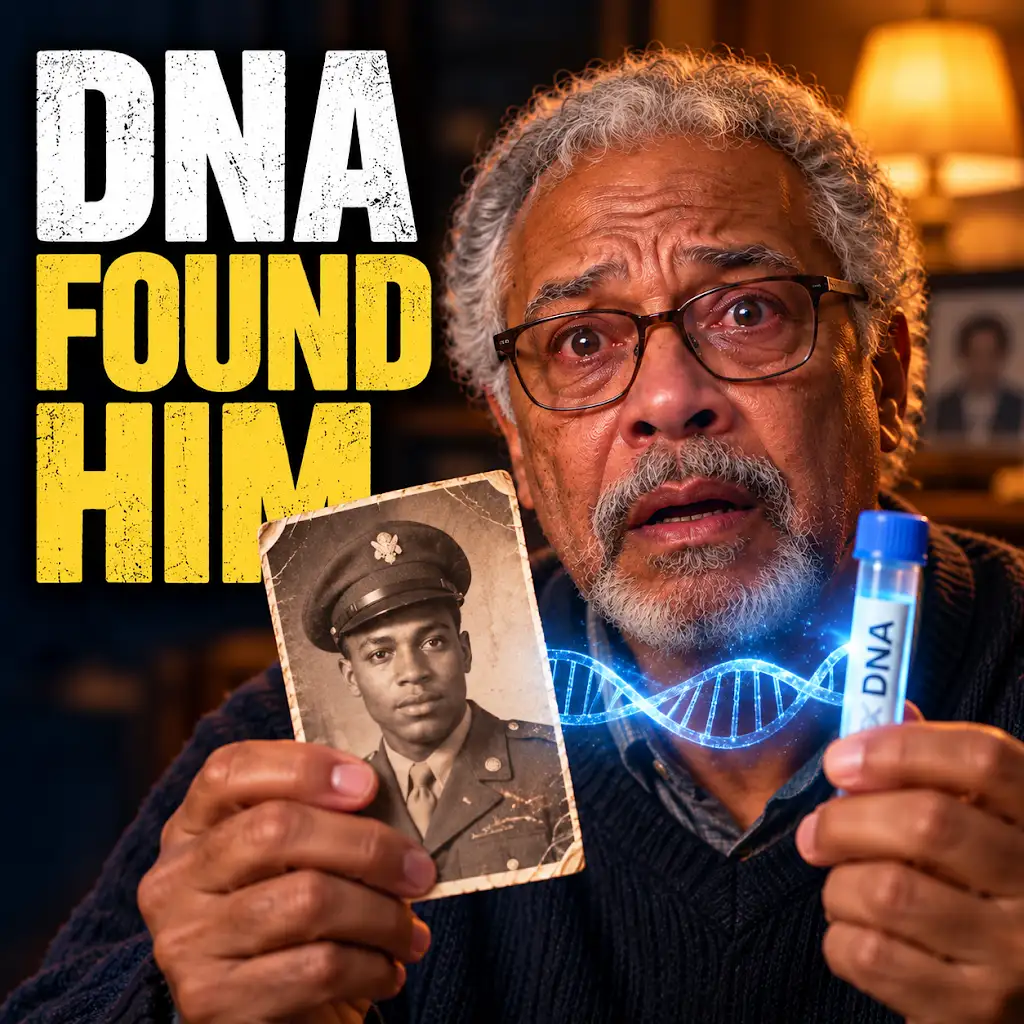
His WWII GI Father Was a Mystery for Nearly 80 Years
FAQs
What is the focus of the Black history documentary on WWII?
The focus of the Black history documentary on WWII is to highlight the contributions and experiences of African Americans during World War II, both on the home front and the battlefield.
Why is it important to showcase Black history during WWII?
It is important to showcase Black history during WWII to provide a more comprehensive and accurate understanding of the war’s impact on African Americans, who played significant roles in the military, defense industry, and civil rights movement during that time.
What kind of footage can viewers expect to see in the documentary?
Viewers can expect to see archival footage, interviews with historians and veterans, photographs, and other visual materials that help tell the story of African Americans’ involvement in WWII.
How does the documentary address the challenges faced by African Americans during WWII?
The documentary addresses the challenges faced by African Americans during WWII by exploring issues such as segregation in the military, discrimination in the defense industry, and the fight for civil rights both during and after the war.
What impact did African Americans have on the outcome of WWII?
African Americans had a significant impact on the outcome of WWII through their contributions to the war effort, their sacrifices on the battlefield, and their role in the broader struggle for equality and justice in American society.