The hum of the projector, a familiar sound to documentary enthusiasts, filled the dimly lit room. On screen, a vibrant montage of old photographs flickered, each image a portal to a bygone era. Faces, some stern, others beaming, stared out from faded sepia tones and grainy black and whites. This was the opening of “Exploring Family History: A DNA Documentary,” a film that promised to unravel the intricate tapestry of lineage, not through dusty archives alone, but through the potent, microscopic code found within our very cells. The documentary’s premise was elegantly simple: to bridge the gap between the tangible artifacts of the past and the invisible blueprint of our genetic heritage, revealing stories that might otherwise remain buried.
The film wasn’t just a collection of talking heads and historical footage; it was a journey, both personal and universal. It followed several individuals from diverse backgrounds as they embarked on their own quests to understand their ancestry, a quest amplified by the groundbreaking advancements in DNA testing. The narrative masterfully wove together the scientific intricacies of genetic genealogy with the deeply emotional narratives of discovery, loss, and connection. It highlighted how a single strand of DNA could hold clues to migration patterns spanning millennia, reveal unexpected familial relationships, and even illuminate the roots of ancestral traditions. The filmmakers managed to translate complex genetic concepts into accessible language, making the science as captivating as the human stories it underpinned.
“Exploring Family History: A DNA Documentary” offered a compelling argument for the power of understanding our origins. It suggested that knowing where we come from is not merely an academic pursuit but a fundamental aspect of understanding who we are. The documentary’s narrative arc was one of revelation, where each genetic insight triggered a cascade of historical research, leading to profound personal epiphanies. It explored the ethical considerations inherent in such intimate genetic exploration, prompting viewers to contemplate the implications of uncovering long-held family secrets or confronting unexpected truths about their lineage. The film succeeded in being both educational and profoundly moving, leaving a lasting impression on all who witnessed it.
Unearthing Ancestral Threads Through Genetic Science
The core of “Exploring Family History: A DNA Documentary” revolved around the revolutionary impact of DNA testing on genealogical research. Gone were the days of solely relying on parish records, census data, and painstakingly compiled family trees. The documentary showcased how the scientific community, through advancements in genetics and bioinformatics, had democratized access to our ancestral code. It explained, with clarity and visual appeal, the fundamental principles behind autosomal, Y-chromosome, and mitochondrial DNA testing. Each type of DNA test offered a different lens through which to view our heritage, revealing distinct aspects of our genetic story.
The Science Behind the Snapshot
The film dedicated significant time to illustrating the science without overwhelming the viewer. Animated sequences and expert interviews explained how DNA is inherited, highlighting the percentages passed down from parents, grandparents, and so forth. The concept of genetic markers, specific points in our DNA that are passed down with little change, was demystified. Viewers learned how these markers serve as a kind of genetic fingerprint, allowing databases to compare an individual’s DNA with others and identify potential relatives. The documentary emphasized that DNA testing doesn’t provide a complete genetic picture but rather a statistical probability of shared ancestry.
Autosomal DNA: The Broadest Reach
Autosomal DNA, the documentary explained, is the most comprehensive of the common consumer tests. It’s inherited from both parents and is present in all 23 pairs of chromosomes. Autosomal tests scan for shared DNA segments across these chromosomes, revealing relatives up to about six to eight generations back. The film showcased how participants used these results to connect with distant cousins they never knew existed, leading to surprising discoveries about shared ancestors and intersecting family branches. One participant, for instance, discovered a connection to a second cousin through whom she learned about a previously unknown great-aunt who had emigrated to another country.
Y-Chromosome and Mitochondrial DNA: Tracing Specific Lines
The documentary also delved into the more specialized Y-chromosome and mitochondrial DNA (mtDNA) tests. Y-DNA, passed down from father to son, is invaluable for tracing a paternal lineage exclusively. mtDNA, inherited from mother to all her children, allows for the tracing of a maternal lineage. These tests, while more limited in their direct relation-finding capabilities compared to autosomal tests, are powerful tools for tracing ancient migration patterns and confirming direct paternal or maternal ancestry over vast stretches of time. The film featured a segment where a participant used Y-DNA testing to confirm a suspected ancestral link to a specific historical figure, providing a tangible, scientific validation of a long-held family legend.
If you’re interested in exploring the fascinating connections between DNA and family history, you might find the article on the importance of genetic testing in genealogy particularly insightful. This piece delves into how DNA can unlock secrets of our ancestry and help us trace our lineage more accurately. For more information, you can read the article here: Importance of Genetic Testing in Genealogy.
The Human Element: Stories of Discovery and Connection

While the scientific aspect of DNA testing provided the framework, the heart of “Exploring Family History: A DNA Documentary” lay in the deeply personal journeys of the individuals whose stories were told. These were not just abstract genealogical puzzles; they were narratives of identity, belonging, and the forging of new connections. The film skillfully captured the emotional rollercoaster that often accompanies genetic discoveries, from the initial excitement and anticipation to the profound moments of realization and, sometimes, unexpected grief or confusion.
Bridging Generational Divides
A recurring theme was the ability of DNA testing to bridge generational divides. Many participants were older individuals who had spent years researching their family history using traditional methods, only to hit dead ends. The documentary highlighted how a simple DNA test could unlock doors that had been stubbornly shut. One poignant example featured an elderly woman who had always wondered about her biological father, whom she had never known. Her DNA results provided clues that, with further research, ultimately led her to discover and connect with a half-brother, fulfilling a lifelong yearning for a complete family narrative. The reunion, captured on film, was an emotional testament to the power of genetic connection.
In exploring the fascinating connections between DNA and family history, you might find the article on genetic genealogy particularly enlightening. This piece delves into how DNA testing can reveal ancestral roots and uncover hidden family stories. For a deeper understanding of this topic, you can read more about it in the article available here. This resource complements the themes presented in the recent DNA documentary, showcasing the profound impact of genetic research on our understanding of heritage.
Unforeseen Branches on the Family Tree
Perhaps the most captivating stories were those that revealed completely unforeseen branches on the family tree. The documentary showcased individuals who, upon taking a DNA test, discovered biological parents or siblings they had no prior knowledge of, often due to adoptions or other family circumstances. These revelations were handled with sensitivity and respect, emphasizing the importance of ethical disclosure and support for those navigating such complex emotional landscapes. The film presented these discoveries not as scandals, but as opportunities for healing, reconciliation, and the building of new relationships.
The Echoes of Ancestral Journeys
Beyond immediate family connections, the documentary also explored how DNA results could illuminate the grander narratives of our ancestors’ lives. Participants learned about their deep ancestral roots, tracing their lineage back to specific geographical regions and understanding the migratory paths their forebears had taken. This broader perspective provided a sense of connection to human history, revealing how individual lives were woven into the larger tapestry of human migration and cultural exchange. One participant, a descendant of European immigrants, discovered a surprising percentage of Sub-Saharan African DNA, prompting a deep dive into historical records that revealed a previously unknown ancestral connection to West Africa. This revelation offered a profound shift in her understanding of her identity and heritage.
Navigating the Ethical Landscape of Genetic Genealogy

“Exploring Family History: A DNA Documentary” did not shy away from the complex ethical considerations that accompany the accessibility of genetic information. The film recognized that while DNA testing offers incredible opportunities for discovery, it also presents unique challenges and responsibilities. The filmmakers explored these nuances through expert commentary and the lived experiences of the participants.
The Double-Edged Sword of Revelation
The documentary addressed the inherent paradox of genetic genealogy: it can reveal truths that bring immense joy and closure, but it can also uncover information that is painful, unexpected, or even traumatic. For individuals who discover unknown siblings, half-siblings, or parents, the emotional impact can be profound. The film highlighted the importance of prepared responses, psychological support, and careful consideration before disclosing sensitive information, particularly when it involves individuals who may not have consented to such revelations. The narrative explored the responsibility that comes with possessing such intimate genetic knowledge, emphasizing that it is not just about self-discovery but also about the potential impact on others.
Privacy and Data Security Concerns
A significant portion of the documentary was dedicated to the crucial issues of privacy and data security. The film explained how DNA testing companies collect and store vast amounts of genetic data, and it raised questions about who has access to this information and how it is used. Experts discussed the potential for genetic data to be used for purposes beyond genealogical research, such as by law enforcement or insurance companies, and the implications for individual privacy. The documentary encouraged viewers to be informed consumers, to carefully read privacy policies, and to understand the risks associated with sharing their genetic information.
The Ethics of Consent and Disclosure
The documentary particularly focused on the ethical challenges surrounding consent and disclosure. When a DNA test reveals an unexpected relative, what are the ethical obligations regarding disclosure? Should one contact a newly discovered biological parent or sibling without their prior knowledge or consent? The film featured discussions with ethicists and genealogists who offered perspectives on navigating these sensitive situations, emphasizing the importance of empathy, respect, and prioritizing the well-being of all parties involved. It underscored the idea that genetic discoveries are not solely personal; they have ripple effects that can impact entire families and generations.
The Future of Genetic Ancestry and Personal Identity
As “Exploring Family History: A DNA Documentary” drew to a close, it looked towards the horizon, contemplating the future of genetic ancestry and its evolving role in shaping our understanding of personal identity. The filmmakers suggested that the current advancements are merely the tip of the iceberg, with future innovations poised to unlock even deeper layers of our genetic past.
Expanding Genetic Databases and Predictive Power
The documentary posited that as more people participate in DNA testing, the genetic databases will continue to grow exponentially. This expansion will lead to greater accuracy in identifying relatives and will unlock the ability to trace ancestry further back in time and across more diverse populations. Furthermore, the film touched upon the burgeoning field of genetic health predispositions, suggesting that future DNA tests might offer insights into potential health risks inherited from our ancestors, further intertwining genetic genealogy with personal well-being.
DNA as a Cultural and Historical Narrative
The film argued that DNA is becoming an increasingly vital tool for understanding not just individual lineage but also broader cultural and historical narratives. By analyzing the genetic makeup of populations, scientists can gain unprecedented insights into ancient migrations, the spread of diseases, and the development of human societies. The documentary presented genetic genealogy as a powerful complement to traditional historical research, offering a new lens through which to interpret the past and understand the interconnectedness of all humanity.
Redefining Family and Belonging in a Genetic Age
Ultimately, “Exploring Family History: A DNA Documentary” suggested that the growing accessibility of genetic information is prompting a reevaluation of what it means to be a family and to belong. In an age where biological ties can be so readily uncovered and understood, the film encouraged a broader definition of family that embraces both genetic connections and chosen relationships. It proposed that by understanding our genetic heritage, we can gain a deeper appreciation for our shared humanity and forge stronger, more informed connections with both our past and our future. The documentary left the audience with a profound sense of wonder and a renewed curiosity about the hidden stories encoded within their own DNA.
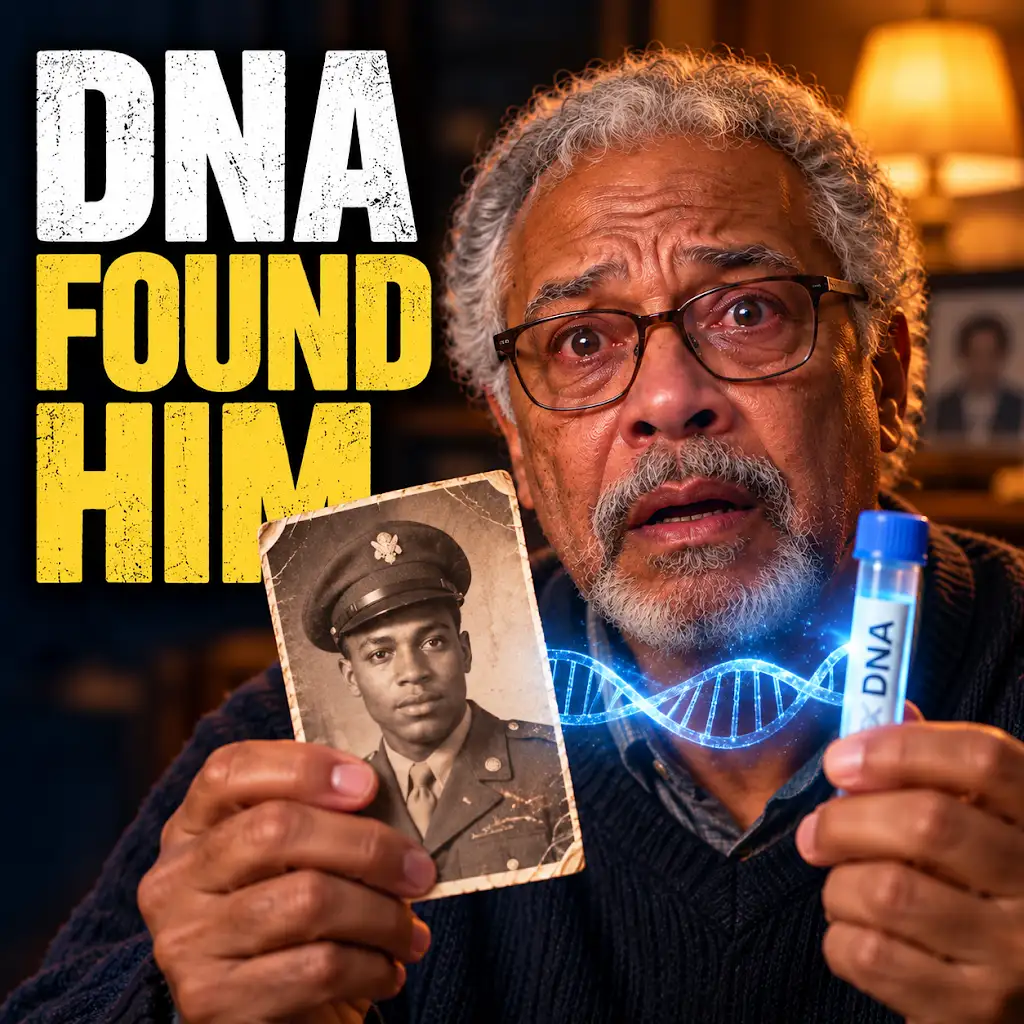
His WWII GI Father Was a Mystery for Nearly 80 Years
FAQs
What is a DNA documentary family history?
A DNA documentary family history is a documentary-style film that explores an individual’s family history and genealogy using DNA testing and research.
How does DNA testing play a role in a DNA documentary family history?
DNA testing is used in a DNA documentary family history to uncover genetic connections between individuals and trace their ancestry back through generations.
What information can be learned from a DNA documentary family history?
A DNA documentary family history can reveal information about an individual’s ethnic background, geographical origins, migration patterns of their ancestors, and potential genetic health risks.
How accurate are the results of a DNA documentary family history?
The accuracy of the results of a DNA documentary family history can vary depending on the quality of the DNA testing and the thoroughness of the genealogical research conducted.
Are there any privacy concerns associated with participating in a DNA documentary family history?
Yes, there can be privacy concerns with participating in a DNA documentary family history, as individuals may be sharing sensitive genetic information that could potentially be accessed by third parties. It is important to carefully review the privacy policies of the DNA testing company before participating.