
The gentle rustle of aged paper, the faint scent of ink long dried, and the quiet hum of a computer screen – these are the sensory cues that often accompany the quest for ancestral knowledge. Genealogy, the study of family history, has moved far beyond the dusty attics of yesteryear. It is now a dynamic and accessible pursuit, empowering individuals to construct their family trees, trace migration patterns, and connect with generations past. Yet, as this genealogical journey deepens, it frequently unearths more than just names and dates. It reveals hidden truths, complex narratives, and sometimes, deeply guarded family secrets that can profoundly reshape one’s understanding of self and lineage.
The Allure of the Unseen Past
The human desire to understand origins is a fundamental one. From the earliest oral traditions to modern DNA testing, we have sought to place ourselves within a continuum, to understand where we come from and how our present was shaped by those who came before. Genealogy offers a tangible way to fulfill this innate curiosity. It allows individuals to build a narrative that stretches back through time, connecting them to a tapestry of lives, experiences, and historical events. This process can be incredibly cathartic and illuminating. Discovering an ancestor who was a skilled artisan, a brave soldier, or a pioneering spirit can instill a sense of pride and belonging. Conversely, encountering a more challenging past, one marked by hardship or difficult choices, can foster empathy and a deeper appreciation for the resilience of the human spirit. The allure lies not just in the positive revelations, but in the complete picture, however imperfect it may be.
From Anecdote to Archive: The Evolving Landscape of Research
The methods of genealogical research have undergone a dramatic transformation. For generations, the primary tools were handwritten records, family Bibles, and oral histories passed down through whispered tales. These were invaluable but often incomplete, subject to memory lapses and embellishments. The advent of the internet and sophisticated digital archives has revolutionized the field. Online databases now house billions of digitized records, from census data and birth certificates to passenger manifests and military service files. Websites dedicated to genealogy allow users to upload their family trees, connect with other researchers, and share information. This accessibility has democratized the pursuit, making it possible for anyone with an internet connection to embark on their own ancestral expedition. DNA testing has further accelerated this trend, providing a scientific link to ancestral origins and often revealing connections to distant relatives previously unknown. These technological advancements have not only made research more efficient but have also opened doors to the discovery of previously inaccessible or forgotten information, laying the groundwork for the unveiling of family secrets.
The Emotional Resonance of Discovery
The act of genealogical research is rarely a purely academic exercise. It is an intensely emotional journey. Each record unearthed, each name identified, carries with it the potential for profound emotional impact. A marriage certificate can spark joy at the discovery of a new branch of the family tree, while a death record can evoke sadness and a sense of loss. The discovery of an ancestor’s struggles, whether economic hardship, illness, or conflict, can elicit feelings of empathy and a deeper understanding of the challenges faced by previous generations. Conversely, uncovering evidence of societal prejudices or discriminatory practices in the past can be deeply unsettling and may challenge long-held personal beliefs. The emotional landscape of genealogy is complex and multifaceted, reflecting the full spectrum of human experience.
Exploring the intricate world of genealogy often uncovers family secrets that can change our understanding of heritage and identity. A fascinating article that delves into this topic is available at this link, where readers can discover how uncovering hidden histories can lead to surprising revelations about ancestry and familial connections. Whether it’s a long-lost relative or a surprising lineage, the journey of tracing one’s roots can be both enlightening and transformative.
Whispers in the Attic: Unearthing Long-Buried Secrets

Family secrets, by their very nature, are often intentionally hidden, concealed to protect reputation, avoid shame, or shield loved ones from painful truths. These secrets can range from minor indiscretions to life-altering revelations, and their discovery through genealogical research can be both shocking and transformative. The quiet diligence of tracing lineage can inadvertently pull back the curtain on narratives carefully constructed to omit or obscure certain individuals or events.
The Unacknowledged Child and the Hidden Branch
One of the most common and often surprising family secrets uncovered through genealogy is the existence of unacknowledged children or previously unknown family branches. In eras where social stigma surrounding illegitimacy was severe, or when relationships were conducted outside the bounds of marriage, children were sometimes born and raised without being formally recognized by their paternal or even maternal lineage. These individuals might have been adopted by relatives, raised by a single parent with little connection to the father’s side, or even placed for adoption. Genealogical records, such as birth certificates with different father’s names, census records showing families living apart, or adoption decrees, can bring these hidden connections to light. The discovery can be particularly poignant for the descendants of these unacknowledged individuals, who may have always felt a void or a sense of disconnection within their family history. It can also create a ripple effect, prompting reassessments of family relationships and potentially leading to the formation of new connections with previously unknown cousins.
Forbidden Love and Societal Taboos
Genealogy can also expose instances where love transcended societal norms, leading to unions that were perhaps not openly celebrated or acknowledged by the wider family or community. This could involve interfaith marriages in times when such unions were frowned upon, relationships between individuals of different social classes, or even same-sex relationships that were hidden due to widespread prejudice. Historical records, such as marriage licenses that might have been issued under discreet circumstances, letters or diaries hinting at clandestine meetings, or even the absence of a spouse from official family photographs or records, can serve as clues. The revelation of these hidden romances can offer a more nuanced and humanized perspective on ancestors, showcasing their courage and their desire for genuine connection despite the pressures of their time. It can also challenge existing narratives of family virtue or respectability, revealing a more complex and perhaps more admirable tapestry of love and defiance.
Exploring genealogy can often lead to surprising discoveries about family history, as highlighted in a fascinating article on family secrets revealed. Many individuals embark on this journey only to uncover hidden stories that reshape their understanding of their ancestry. For those interested in delving deeper into the intricacies of family trees and the secrets they may hold, the article can be found here. This resource offers insights and tips for navigating the complexities of genealogy, making it a valuable read for anyone curious about their roots.
The Shadow of Illegitimacy and Adoption
The weight of illegitimacy has historically cast a long shadow, often leading to the deliberate concealment of a child’s parentage. For individuals born outside of marriage, their paternal lineage might have been deliberately omitted from official documents, or they might have been raised under a different surname. Adoption, while increasingly open in modern times, was often a deeply private matter in the past, with records sealed and families encouraged to maintain a discreet silence. Genealogical research can uncover these hidden adoptions through adoption decrees, birth certificates listing adoptive parents, or even the subtle discrepancies in family trees that suggest a missing link. The discovery of adoption can be a powerful experience for adoptees and their biological families, offering clarity and the potential for reunification, or a deeper understanding of their identity. It highlights the complexities of family formation and the enduring desire for connection to one’s origins.
The Echoes of Disgrace: Scandals and Social Ostracization

Beyond personal relationships, genealogical research can also illuminate instances of family scandals, legal troubles, or social ostracization that were deemed too shameful to be openly discussed or recorded. These events, while painful, are integral to a family’s history and can offer valuable insights into the social and legal contexts of the past.
Criminal Records and Legal Entanglements
The past is rarely pristine, and genealogical research can sometimes reveal ancestors who found themselves on the wrong side of the law. This could range from minor offenses like public intoxication or petty theft to more serious charges like fraud, assault, or even treason. Court records, arrest warrants, newspaper clippings detailing trials, and prison registers can all provide evidence of these legal entanglements. The discovery of such information can be a sobering experience, forcing a reevaluation of an ancestor’s character. However, it can also foster a sense of understanding and empathy, recognizing that individuals in the past often faced different societal pressures and legal frameworks. It also serves as a reminder of the persistent nature of justice and the long reach of the law.
Financial Ruin and Social Exclusion
Financial hardship, bankruptcy, and the resulting social exclusion are also recurring themes in family histories that might have been suppressed. In societies where financial standing dictated social standing, bankruptcy or significant debt could lead to deep shame and a desire to erase the circumstances from collective memory. Tracing property records, bankruptcy filings, and newspaper accounts of financial dealings can uncover these periods of difficulty. The discovery of ancestors who endured such struggles can offer a powerful lesson in resilience and the cyclical nature of economic fortune. It can also illuminate the impact of historical events, such as economic depressions or industrial shifts, on individual families.
Unconventional Lifestyles and Societal Judgment
Genealogy can also shed light on ancestors who lived unconventional lives, challenging the norms of their time. This might include individuals who eschewed traditional marriage and family structures, those who pursued artistic or bohemian lifestyles, or individuals who held unpopular political or religious beliefs. While not always scandalous in a legal sense, these deviations from societal expectations could lead to judgment and social ostracization. Clues might be found in anecdotal evidence from distant relatives, obscure publications, or the absence of certain individuals from conventional family groupings. The discovery of such lives can broaden one’s understanding of what constitutes a “normal” family history and celebrate the diverse expressions of human existence.
The Unforeseen Connections: DNA and the Modern Revelations
The advent of direct-to-consumer DNA testing has revolutionized genealogical research, adding a powerful new layer of scientific evidence and leading to some of the most unexpected and profound discoveries. While traditional methods rely on documentary evidence, DNA testing connects individuals to their genetic heritage, often revealing long-lost relatives and previously unknown ancestral lines.
Unraveling Ancestral Origins and Migrations
DNA testing provides insights into a person’s ethnic makeup, tracing their ancestry back thousands of years and identifying regions where their ancestors lived. This can be incredibly validating for individuals who have always felt a connection to a particular heritage, or it can be surprising, revealing ancestral ties to regions they never knew existed. By comparing DNA databases, researchers can identify population movements and migration patterns that shaped human history. For instance, a DNA match might indicate an ancestral link to a group that migrated across continents centuries ago, providing a tangible
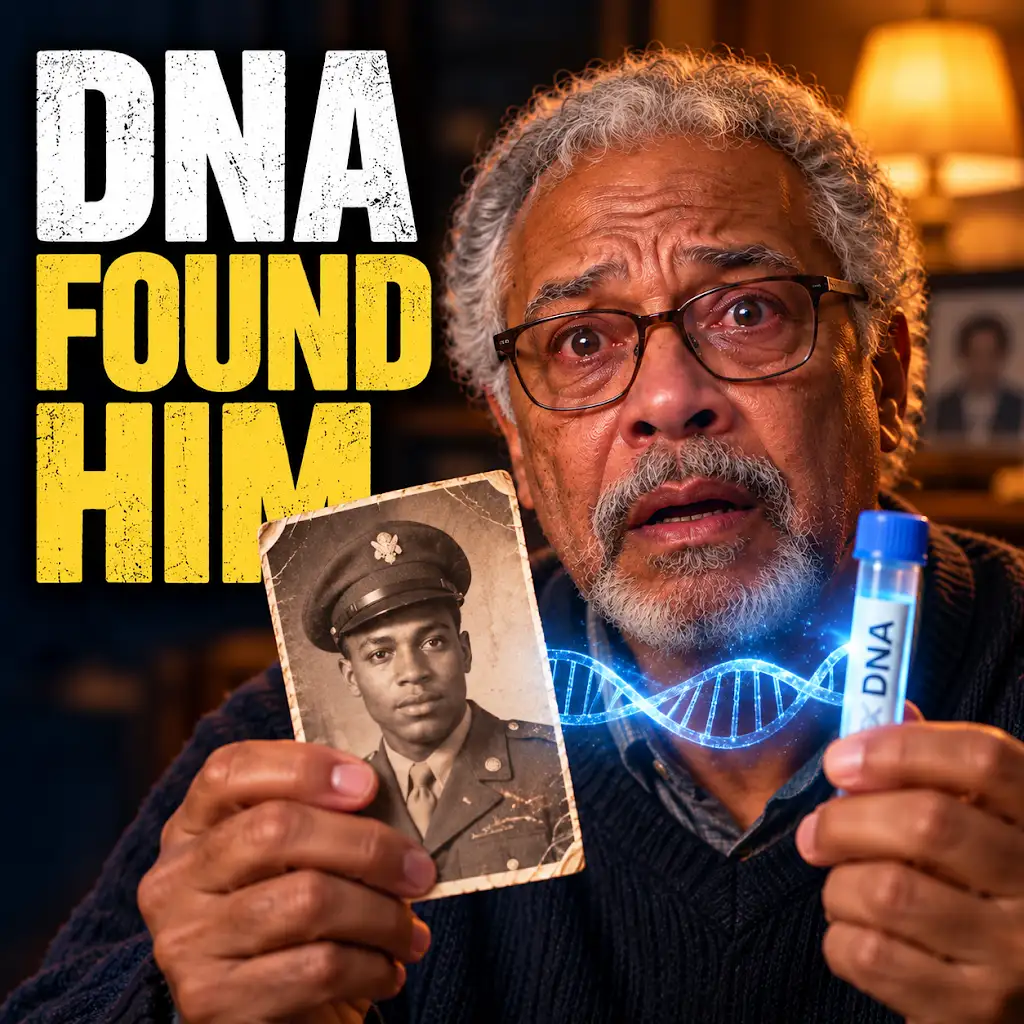
His WWII GI Father Was a Mystery for Nearly 80 Years
FAQs
What is genealogy?
Genealogy is the study of family history and lineage, tracing ancestors and descendants through historical records, oral traditions, and genetic analysis.
How can genealogy help reveal family secrets?
Genealogy can uncover hidden family secrets by piecing together information from various sources such as birth certificates, marriage records, census data, and DNA testing, shedding light on previously unknown relationships, adoptions, or other surprises.
What are some common family secrets that genealogy can uncover?
Genealogy can reveal secrets such as unknown adoptions, previously undisclosed marriages or divorces, hidden family branches, illegitimate children, and even criminal histories within a family.
What are the ethical considerations when uncovering family secrets through genealogy?
When delving into family secrets through genealogy, it is important to consider the privacy and feelings of living relatives who may be affected by the revelations. Sensitivity and discretion should be exercised when sharing newfound information.
How can individuals start researching their own genealogy to uncover family secrets?
To begin researching genealogy and potentially uncover family secrets, individuals can start by gathering information from family members, organizing documents and photos, utilizing online genealogy databases, and considering DNA testing for additional insights into their family history.