
The dusty attic, a treasure trove of forgotten memories, held the key to a decades-old puzzle. For Sarah, the lingering questions about her father’s disappearance had been a constant companion, a shadow cast over her life. He had vanished without a trace when she was just a child, leaving behind a void that no amount of time could fill. Now, armed with a nascent curiosity and a growing sense of purpose, Sarah embarked on a genealogical investigation, a journey into the past to uncover the truth about her missing father. This was no ordinary family tree project; it was a quest for closure, a deep dive into a mystery shrouded in silence and speculation.
The Whispers of the Past
Sarah’s earliest memories of her father were fragmented, like pieces of a broken mosaic. She recalled his booming laugh, the scent of his pipe tobacco, and the warmth of his hand holding hers. But then, he was simply gone. Her mother, burdened by grief and a need to protect her young daughter, offered little explanation, the words “he left” the only solace she could provide. This ambiguity fueled Sarah’s imagination, planting seeds of both abandonment and the hope of a clandestine return. As she grew older, the questions intensified. What had happened? Had he intentionally disappeared? Was he even still alive? These unspoken queries gnawed at her, compelling her to seek answers beyond the confines of her mother’s hushed reticence. The desire to understand her own identity, to connect with a father she barely knew, became a driving force. She knew that to understand herself, she first needed to understand where she came from, and that meant unearthing the story of the man who had fathered her.
The Spark of Inquiry
The initial spark for Sarah’s genealogical journey was not a sudden revelation, but a slow burn of accumulated curiosity. It began with an old shoebox filled with faded photographs and a handful of letters. Among these relics, she found a picture of her father as a young man, a stranger with a hopeful glint in his eyes, a stark contrast to the image she held of a man who had been consumed by some unknown sorrow. This visual anchor, combined with the vague anecdotes she’d gleaned from distant relatives over the years – whispers of a troubled past, a need for a fresh start – ignited a determination within her. She realized that the answers she sought were not readily available in her immediate family circle. They lay buried in the records of the past, in the stories of ancestors she had never met. The decision to delve into genealogy was born from a deeply personal need for truth, a yearning to fill the chasm in her family narrative. It was a commitment to unearthing not just facts, but the emotional landscape of her father’s life.
Early Familial Clues
Before embarking on a formal genealogical investigation, Sarah diligently sifted through the limited information available within her family. Her mother, though often evasive, had preserved a few key documents. A birth certificate, a marriage certificate, and a few utility bills offered a timeline, albeit a fractured one. Her mother’s siblings, while hesitant to delve into painful memories, provided fragmented anecdotes. An uncle recalled her father struggling with financial difficulties, while an aunt mentioned a falling out with his own family. These were not concrete leads, but rather brushstrokes of a larger, more complex picture. Sarah meticulously documented every scrap of information, every name, date, and place. She interviewed older relatives, patiently piecing together their recollections, understanding that even the smallest detail could prove significant in unraveling a mystery. This initial groundwork, though seemingly insignificant in isolation, laid the foundation for the more intensive research that would follow. It was about gathering the threads before attempting to weave the tapestry.
If you’re interested in exploring the complexities of genealogy and the emotional journey of investigating a missing father, you might find the article on “Unraveling Family Mysteries: The Search for My Missing Father” particularly insightful. This piece delves into personal stories and the challenges faced during such investigations, shedding light on the importance of perseverance and the use of modern technology in uncovering family histories. To read more, visit this article.
The Genealogical Toolkit

Embarking on a genealogical investigation requires a systematic approach, a combination of methodical research and intuitive exploration. For Sarah, this meant arming herself with the right tools and developing a strategy to navigate the often labyrinthine world of historical records. The digital age has revolutionized genealogical research, offering a wealth of online resources that can be accessed from the comfort of one’s home. However, understanding the nuances of these tools and knowing where to look for specific types of information is crucial for success. It’s not just about knowing that a website exists, but understanding how to use its search functions effectively and what kind of records it typically holds. The initial excitement of discovery must be tempered with patience and persistence, as often, the most valuable clues are found after hours of diligent searching.
Online Databases and Records
The internet became Sarah’s primary portal into the past. She subscribed to major genealogical databases, such as Ancestry.com and FamilySearch.org, which house millions of digitized records. These platforms offer access to census records, birth, marriage, and death certificates, immigration manifests, military records, and much more. Sarah began by searching for her father’s name, inputting variations and including his known birth year. The initial searches yielded a multitude of results, some irrelevant, others tantalizingly close. She learned to refine her searches by adding his parents’ names, his place of birth, and any other known geographical locations. She meticulously cross-referenced information from different sources, looking for consistencies to confirm identities and dates. The sheer volume of data could be overwhelming, but Sarah developed a disciplined approach, focusing on one record set at a time and carefully noting any potential connections. She learned to recognize the subtle differences in handwriting on old documents and the unique ways names were sometimes spelled.
Vital Records and Census Data
Vital records – birth, marriage, and death certificates – are the bedrock of genealogical research. They provide official documentation of key life events and often include the names of parents, spouses, and witnesses. Sarah painstakingly searched for her father’s birth certificate, hoping it would confirm his parents’ identities and his precise birth date and location. Similarly, any marriage records involving her father or his parents could provide crucial links to other family members and potential descendants. Census records, taken every ten years in many countries, offer a snapshot of households at a specific point in time. These records can reveal who lived together, their ages, occupations, and places of birth. Sarah scoured census records from the years around her father’s disappearance, looking for any mention of him, his wife (her mother), or their family. She learned to understand the limitations of census data, such as potential inaccuracies in reported ages or spelling of names, but also appreciated their immense value in reconstructing family structures and movements.
Unearthing Ancestral Stories
Beyond the official documents, Sarah sought to uncover the personal stories of her ancestors. This involved exploring historical newspapers, obituaries, and local histories. Online archives of old newspapers can be a goldmine for genealogical researchers. They might contain articles about family events, business dealings, or even court records that shed light on an ancestor’s life. Sarah spent hours poring over digitized newspapers from her father’s and grandparents’ hometowns, looking for any mention of their names. Obituaries, in particular, can be incredibly informative, often listing surviving family members, birth and death dates, and even the deceased’s profession or hobbies. She also investigated local history books and historical societies, which can provide context for the lives of ordinary people in a particular region. These less formal sources often offer a richer understanding of the social and economic conditions that shaped her ancestors’ lives, providing clues to potential motivations or circumstances that might have influenced her father’s decision to disappear.
Following the Breadcrumbs

The genealogical investigation of a missing person is akin to following a trail of breadcrumbs, each discovery leading to another potential path. Sarah understood that her father’s disappearance likely involved a deliberate act of severing ties, meaning she might not find direct records of him after a certain point. Therefore, her strategy shifted to investigating his known associates, his family, and his life before he vanished. This indirect approach, focusing on the periphery of his existence, could reveal where he might have gone or who he might have turned to. The research process became an exercise in deduction, piecing together fragments of information to build a plausible narrative. It was a testament to the interconnectedness of lives; even a person who sought to disappear often left an imprint on the lives of others.
Investigating Paternal Lineage
The most logical starting point for understanding her father’s potential movements was to delve deeper into his paternal family. Who were his parents? Did they have siblings? Where did they live? Sarah focused her research on her paternal grandparents, tracing their marriages, births, and deaths. She looked for any records of her father living with them, or any mention of him in their census records. This exploration extended to her father’s aunts and uncles. Did her father have siblings? If so, what happened to them? Sometimes, tracing the lives of siblings can provide clues about the missing individual. If a sibling moved to a particular city or took on a certain type of job, it was possible the missing person might have followed suit. Sarah also investigated her father’s paternal grandparents’ origins, looking for any ancestral ties to specific regions that might have offered him a place to seek refuge or anonymity.
Tracking Down Extended Family
As Sarah delved deeper into her paternal lineage, she began to identify more distant relatives – cousins, second cousins, and beyond. While these individuals might not have had direct knowledge of her father’s disappearance, they could possess valuable anecdotal information or even unknowingly hold crucial documents. Sarah developed a strategy for contacting these extended family members. She would introduce herself, explain her mission, and cautiously inquire about any memories or stories related to her father. She was prepared for silence or reluctance, but also hopeful that some would be willing to share. She learned that many families have a designated “keeper of stories,” an elder who remembers the family history. Identifying and connecting with such individuals proved to be a significant breakthrough in several instances, providing new avenues of inquiry and even unearthing forgotten photographs or letters.
The Power of Sibling Searches
If Sarah’s father had siblings, their life paths could offer significant clues. Sarah meticulously searched for any birth records or census data that might indicate the presence of siblings. If siblings were found, she then researched their lives, looking for any geographical relocations, significant life events, or employment patterns. A sibling who moved to a particular state or country might have provided a haven for her father. Conversely, a strained relationship with a sibling could explain why he wouldn’t have sought them out. The absence of siblings could also be telling, suggesting a more isolated childhood or a different set of circumstances that might have contributed to his disappearance. This was a delicate but crucial aspect of the investigation, as family dynamics, even distant ones, often play a significant role in an individual’s life choices.
Unraveling the Disappearance
The core of Sarah’s investigation was to piece together the circumstances surrounding her father’s vanishing act. This required going beyond mere record-keeping and delving into the potential motivations, pressures, and opportunities that might have led to such a drastic decision. It was about reconstructing the events of that period, looking for anomalies, and considering the socio-economic and personal factors that could have played a role. The deeper she went, the more she realized that disappearance was rarely a random act; it was usually a response to something.
The Pre-Disappearance Landscape
To understand why her father might have disappeared, Sarah needed to understand the landscape of his life leading up to that point. What was his financial situation? Was he experiencing marital difficulties? Were there any known legal troubles or significant personal crises? She meticulously scoured any available records – bank statements, property deeds, divorce filings (if applicable), and even local police blotters from the relevant time period. She also revisited anecdotal evidence from relatives, looking for any hints of his state of mind or any unusual behavior in the weeks or months preceding his absence. The goal was to build a comprehensive picture of his pressures and anxieties, which could provide a strong motive for seeking escape. This involved looking at the broader societal context as well – was there an economic downturn, a period of social unrest, or any other external factors that might have contributed to his stress?
Tracing Movements and Associates
Once a potential timeframe for the disappearance was established, Sarah focused on tracing any known movements or associates during that period. Did he have friends outside of his immediate family? Did he frequent any particular establishments? Were there any business partners or colleagues who might have insights? This involved searching for old address books, diaries, or even newspaper clippings that might mention his social circle. If he had a job, she would try to find information about his employer and colleagues. Sometimes, a simple question to a former colleague, even decades later, could unlock a crucial memory. She also explored any known travel plans or recent purchases that might indicate an impending departure. The intention was to identify anyone who might have had knowledge of his plans or who he might have confided in.
The Elusive Paper Trail
The ultimate goal of any genealogical investigation, especially one involving a missing person, is to find a definitive “paper trail” that reveals their fate. This could be a death certificate from another location, a marriage record under a new name, or even a pension application. Sarah was acutely aware that such a trail might be intentionally obscured. If her father had sought to disappear, he would likely have tried to erase his previous identity. However, sometimes, even the most careful plans have loopholes. A new marriage might have been recorded, a property purchased, or a pension applied for that inadvertently left a trace. Sarah meticulously searched for any records that might indicate a new identity or a relocation. This included looking for marriage certificates in neighboring towns or states, property records in different jurisdictions, or even social security applications. The absence of a death certificate could also be a clue, suggesting he might have lived for many years after his disappearance.
If you’re interested in exploring the complexities of genealogy and the emotional journey of investigating a missing father, you might find a related article on the subject quite enlightening. It delves into personal stories and the challenges faced by individuals seeking to uncover their family history. For more insights, you can read the article here: genealogy missing father investigation. This resource offers valuable perspectives that can aid anyone embarking on a similar quest.
Epilogue and Lingering Questions
| Metric | Description | Typical Value/Range | Notes |
|---|---|---|---|
| Percentage of Missing Father Records | Proportion of genealogical records lacking paternal information | 5% – 20% | Varies by region and time period |
| Average Time to Identify Missing Father | Time taken to successfully identify an unknown father in an investigation | 1 week – 6 months | Depends on available records and DNA data |
| Success Rate of DNA Testing | Percentage of cases where DNA testing leads to identification of missing father | 60% – 85% | Higher with access to large DNA databases |
| Number of Records Reviewed per Case | Average number of historical or genealogical records examined | 50 – 200 | Includes birth, marriage, census, and other documents |
| Common Challenges | Frequent obstacles encountered during investigation | N/A | Non-paternity events, adoption, incomplete records |
| Use of Genetic Genealogy Databases | Percentage of investigations utilizing online DNA databases | 70% – 90% | Increasingly common in recent years |
The journey of uncovering a family mystery is rarely a neat and tidy affair with a definitive end. Sarah’s genealogical investigation, while yielding significant insights, also brought forth new questions, a testament to the complexities of human lives and the passage of time. The pursuit of truth is often an ongoing process, with each answered question paving the way for a deeper understanding, and sometimes, a more profound appreciation for the unknowns that remain. The emotional toll of such an undertaking is also considerable, forcing an individual to confront not only the facts but also the emotional weight of their discoveries.
Moments of Revelation
After months of diligent research, Sarah began to experience moments of profound revelation. Through a series of meticulously cross-referenced documents, she was able to establish a more concrete timeline of her father’s life leading up to his disappearance. She discovered a record of a significant financial debt he had incurred, a detail that had been absent from familial whispers. This newfound information provided a compelling motive for him to seek a fresh start, potentially in a new location where he could escape his creditors. Further investigation into census records from a neighboring state revealed a man with a similar name and age, living under a slightly altered surname, working in a trade that aligned with his known skills. This was not a definitive match, but a strong indicator that she was on the right track. The thrill of these near-discoveries, the piecing together of disparate fragments, was exhilarating. Each confirmed detail felt like a small victory against the silence that had enveloped her father for so long.
The Unanswered Void
Despite the significant progress made, Sarah’s investigation, like many genealogical quests, concluded with a lingering void. While she had strong evidence suggesting her father had likely relocated and assumed a new identity to escape financial hardship, she could not definitively confirm his fate. The trail, though warm, eventually cooled. There were no further marriage records, no death certificates under the presumed new name, and no direct contact established. The possibility remained that he had lived out his days in anonymity, or perhaps passed away without ever being formally identified. This lack of absolute closure was a difficult truth to accept. The mystery of her father’s disappearance had been partially unraveled, but the complete story, the final chapter, remained elusive. This experience underscored the reality that some secrets, by their very nature, are destined to remain partially hidden, leaving a residue of unanswered questions.
Embracing the Legacy
Sarah’s genealogical investigation transformed her understanding of her father, not just as a missing figure, but as a man with his own struggles, motivations, and a complex life story. While the unanswered questions would likely remain a part of her narrative, she found a sense of peace in the knowledge she had gained. She had honored his memory by seeking the truth, by delving into his past, and by piecing together the fragments of his existence. The journey had also been a profound exploration of her own identity, a deeper connection to her roots and her ancestral lineage. She realized that her father’s legacy was not defined by his disappearance, but by the life he had lived, however incomplete her knowledge of it might be. She carried forward the understanding of his potential struggles, and in doing so, she felt a deeper connection to the human experience, to the resilience and the choices that shape us all. The investigation had been more than just a search for a lost father; it had been a profound journey of self-discovery and an enduring testament to the power of family history.
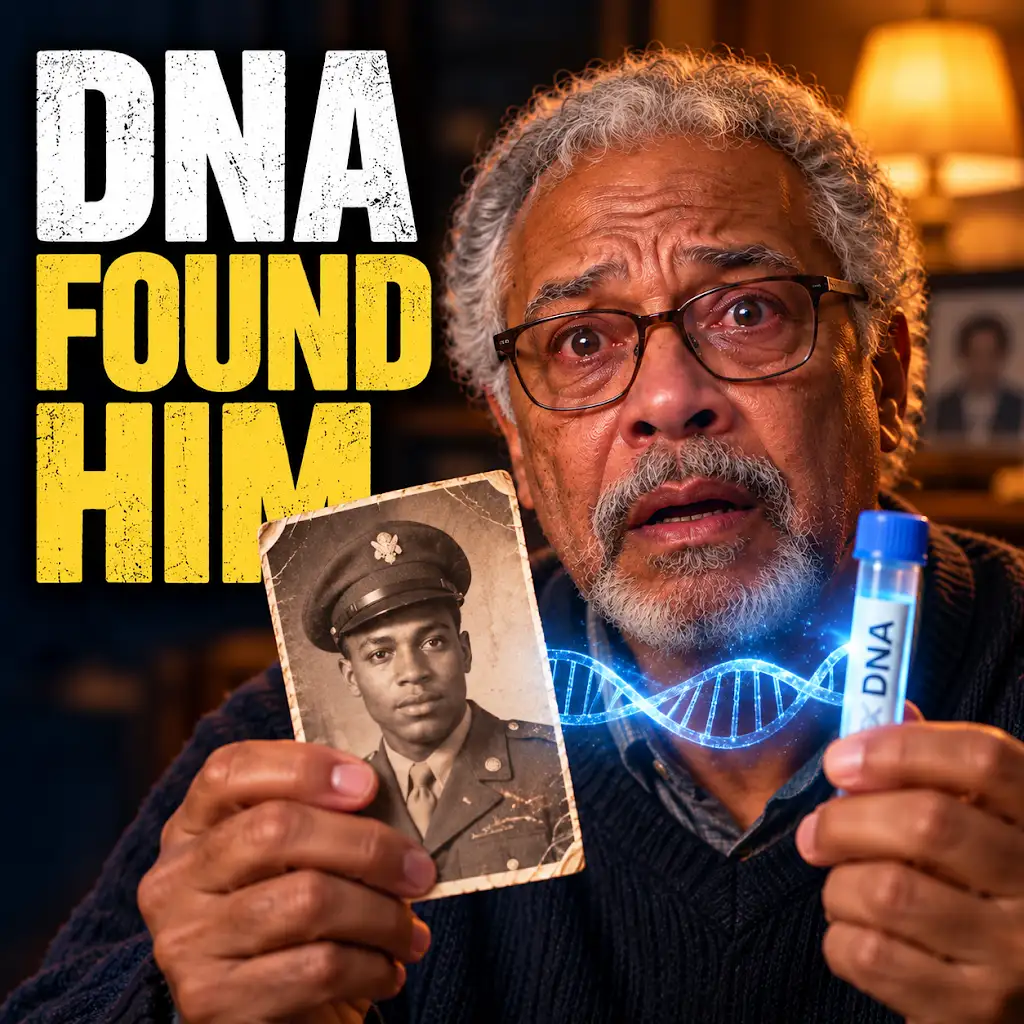
His WWII GI Father Was a Mystery for Nearly 80 Years
FAQs
What is genealogy?
Genealogy is the study of family history and lineage, typically involving the tracing of ancestors and descendants.
What is a missing father investigation in genealogy?
A missing father investigation in genealogy refers to the process of trying to locate information about a person’s father when that information is unknown or missing from family records.
How can genealogy help in finding a missing father?
Genealogy can help in finding a missing father by utilizing various resources such as birth records, marriage records, census data, DNA testing, and online databases to trace family connections and potentially uncover information about the missing father.
What are some common challenges in conducting a missing father investigation in genealogy?
Some common challenges in conducting a missing father investigation in genealogy include limited or incomplete family records, lack of information about the father’s identity, surname changes, and the passage of time leading to gaps in available records.
Are there professional genealogists who specialize in missing father investigations?
Yes, there are professional genealogists who specialize in conducting missing father investigations and helping individuals trace their family history to uncover information about their missing father.