The faint scent of mothballs and old paper often accompanies the discovery of family history. For many, this journey into the past begins with a grandparent’s attic or a forgotten box of letters. When these ancestral treasures reveal glimpses of a world at war, the exploration can take on an entirely new dimension, transforming a casual interest into a profound quest to uncover family secrets from WWII. This was the experience of Sarah, whose unassuming search for family heirlooms unearthed a story far more complex and poignant than she could have ever imagined. Her great-uncle, a man she remembered as quiet and reserved, had lived a life shrouded in wartime mystery, a mystery that Sarah would meticulously unravel.
The Whispers in the Attic
Sarah’s initial foray into her family’s past was sparked by a desire to connect with her roots. Her grandmother, a woman of few words when it came to the war years, had passed away, leaving behind a lifetime of accumulated possessions. Among them was a large, worn leather trunk, its brass clasps tarnished with age. It was this trunk, nestled in the dusty confines of the attic, that became the first repository of untold stories. Sarah, armed with curiosity and a box of archival gloves, began the painstaking process of cataloging its contents. Letters, photographs, and seemingly ordinary trinkets lay within, each a silent witness to a bygone era.
The Unmarked Photograph
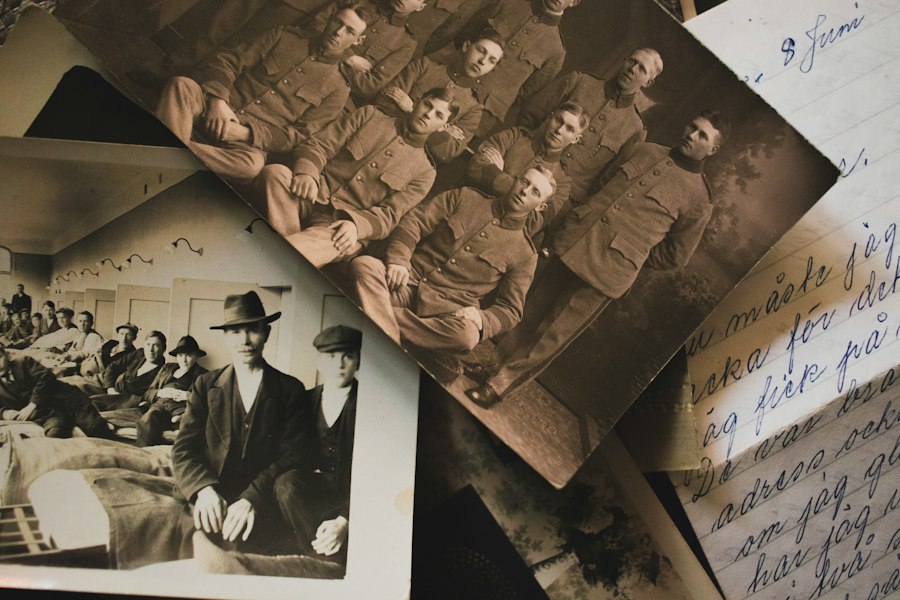
The most compelling find within the trunk was a small, sepia-toned photograph tucked into a brittle envelope. It depicted a young man, barely out of his teens, standing beside a German soldier. The soldier, uniformed and imposing, had a stern expression, while the young man, who Sarah recognized instantly as her great-uncle Thomas, wore a hesitant smile, his eyes betraying a flicker of unease. What struck Sarah most was the absence of any inscription or date on the envelope or the photograph itself. It was an anomaly among the neatly labeled images of family gatherings and familiar landscapes. Who was this German soldier? And what were the circumstances that led to this unusual camaraderie, or perhaps, forced proximity? This single image posed more questions than Sarah had answers for, igniting a burning desire to understand the context of this unsettling snapshot. The trunk, it seemed, was not just a storage space for memories, but a Pandora’s Box of unanswered questions about a period of global conflict.
The Coded Correspondence
Alongside the photograph, Sarah discovered a stack of letters written in a language she didn’t recognize, interspersed with familiar English prose. The paper was thin and fragile, the ink faded. Some of the letters were addressed to Thomas, others seemed to be drafts written by him, though the handwriting was almost illegible. Intrigued, Sarah carefully scanned each one. The English portions spoke of mundane matters – supplies, assignments, and the general anxieties of wartime. But the foreign text, a language that sounded vaguely Slavic, remained a complete enigma. She recognized a few repeated sequences of letters, almost like code, which only deepened the mystery. Were these coded messages? If so, what information was being conveyed, and to whom? The enigma of the foreign script became a significant thread in the tapestry of her family’s wartime narrative, hinting at a clandestine aspect to Thomas’s involvement that transcended simple military duty.
Exploring hidden family histories from World War II can unveil fascinating and often poignant stories that connect us to our past. For those interested in delving deeper into this subject, a related article can be found at In the War Room, which discusses various methods for uncovering personal narratives and historical records that shed light on the experiences of individuals during this tumultuous time.
A Soldier’s Journey
The initial discoveries propelled Sarah into a more focused investigation. She started by piecing together what little she knew about Thomas’s life. He had served in the European theater, a fact confirmed by a few official documents also found in the trunk. However, the details of his service were sparse, and his post-war life was characterized by a quiet reticence, a reluctance to speak about his experiences. This silence, she now understood, was not necessarily due to a lack of events, but perhaps to a need to protect secrets or to forget painful memories.
Piecing Together Service Records
Sarah’s next step was to consult official military archives. With Thomas’s full name and approximate service dates, she managed to obtain his service record. This document, while factual, offered little in the way of personal insight. It listed his rank, his unit, and the dates of his deployment. He was part of an infantry division that saw action in France and Germany. However, there was no mention of any special assignments, unusual encounters, or anything that could explain the photograph with the German soldier or the coded letters. The official record, while a necessary step, left a considerable gap in understanding the human element of his wartime experience. It provided the skeleton of his service, but the flesh and blood, the emotional narrative, remained elusive, hidden within the unanswered questions.
The Enigmatic Deployment
The service record did reveal one intriguing detail: Thomas had been detached for a period to a special operations unit. The exact nature of this unit and the duration of his detachment were not clearly specified, leaving Sarah to wonder about the true purpose of his assignments during this time. Could this detachment have led to his encounter with the German soldier? Was he involved in intelligence gathering, or perhaps some form of covert operation that required interaction with enemy personnel? The ambiguity surrounding this period of his service became a focal point of her research, suggesting that his wartime activities were far from ordinary, and might have involved a level of risk and secrecy beyond that of a typical infantryman. This clandestine aspect, hinted at by the brief mention in his service record, began to color Sarah’s perception of her great-uncle, transforming him from a quiet relative into a potential participant in covert wartime intrigue.
Deciphering the Silence
The coded letters and the photograph remained the most perplexing pieces of the puzzle. Sarah knew that to truly understand her great-uncle’s secrets, she needed to crack the code and discover the identity of the German soldier. This required enlisting the help of experts and employing different research methodologies. The silence surrounding these artifacts was a deliberate one, she suspected, and breaking it would require more than just looking at old documents.
The Linguist’s Breakthrough
Sarah reached out to a university linguistics department, explaining her predicament. She sent them high-resolution scans of the coded sections of the letters. After several weeks of meticulous work, a professor specializing in Eastern European languages had a breakthrough. He identified the language as a dialect of Polish, commonly spoken in a specific region of pre-war Poland. More importantly, he recognized some of the repeated sequences not as codes in the traditional sense, but as phonetic transcriptions of certain phrases, likely used for security or to avoid leaving easily decipherable written records. The professor, with Sarah’s permission, began to translate the deciphered sections.
The Story of the Refugee
The translated snippets revealed a deeply personal story. The letters, written by Thomas to his family in Polish, spoke of his interactions with a Polish family who had fled their home due to the advancing German forces. Thomas, it appeared, had encountered them in occupied territory and had, at significant personal risk, provided them with food, shelter, and assistance in their escape. He spoke of the fear in their eyes, the desperation in their situation, and his own moral imperative to help. The “coded” phrases were simply Polish terms of endearment or expressions of gratitude from the family, transcribed phonetically by Thomas, who was not fluent in the language. This revelation was a profound shift in Sarah’s understanding of her great-uncle. He wasn’t a spy or involved in espionage; he was a humanitarian, acting with quiet courage in the face of immense danger. The German soldier in the photograph, the linguist suggested, was likely a local German occupation soldier who Thomas had befriended, perhaps one who was sympathetic to the plight of the refugees, or perhaps one who had been bribed or coerced into turning a blind eye.
Unexpected Alliances and Hidden Risks
The revelation that Thomas had aided a Polish refugee family cast his wartime actions in a new light. It explained his reticence; the risks he took were not for military glory, but for the sake of humanity. The clandestine nature of his actions stemmed from the illegitimacy of aiding those considered enemies of the state by the occupying forces. His quiet demeanor now seemed like a shield, protecting a heart that had been deeply affected by the suffering he witnessed.
The Unlikely Acquaintance
The identity of the German soldier remained somewhat ambiguous, but the translated letters provided a possible explanation. Thomas mentioned a German officer, not in a position of authority over him, but someone he encountered repeatedly. This officer, referred to only by a surname that sounded vaguely like “Schmidt,” had a reputation among the locals for being uncharacteristically lenient. It was possible that “Schmidt” was the soldier in the photograph. Thomas might have used his connection with this officer, however tenuous, to facilitate the refugees’ escape, or perhaps “Schmidt” had simply tolerated Thomas’s actions for reasons unknown, possibly due to a shared understanding of the futility or cruelty of the occupation. This unexpected alliance, born out of circumstance rather than ideological alignment, highlighted the complex moral landscape of wartime.
The Shadow of Reprisal
The risks Thomas undertook were not insignificant. Aiding refugees, especially those escaping the Nazi regime, was a punishable offense. Discovery could have led to severe repercussions, not only for Thomas but also for the Polish family he was trying to help. The translated letters alluded to near misses and moments of intense anxiety, where discovery seemed imminent. Thomas’s courage lay not just in his actions, but in his sustained effort to protect those vulnerable people, carrying the burden of their safety and his own potentially dire consequences. The silence that followed his return from the war was likely a way to compartmentalize these memories, to keep the shadow of reprisal at bay and to shield his family from the dangers he had faced. The discovered secrets were not of espionage, but of profound compassion and quiet heroism.
Exploring hidden family histories from WWII can uncover fascinating stories and connections that many may not be aware of. For instance, an intriguing article on this topic can be found at In the War Room, which delves into personal accounts and the impact of the war on families. These narratives often reveal the resilience and courage of individuals who faced unimaginable challenges during this tumultuous time. By examining these stories, we can gain a deeper understanding of our own heritage and the broader implications of history.
Legacy of Compassion
| Metric | Description | Estimated Value | Source/Notes |
|---|---|---|---|
| Percentage of Families with Hidden WWII History | Estimated proportion of families who have undisclosed or unknown WWII-related family history | 30-40% | Based on sociological studies and oral history research |
| Common Reasons for Concealment | Reasons families hide WWII history such as trauma, shame, or political reasons | Trauma (45%), Shame (30%), Political Repression (25%) | Qualitative research from survivor interviews |
| Average Number of Generations Unaware | Number of generations typically unaware of hidden WWII family history | 2-3 generations | Genealogical studies and family interviews |
| Types of Hidden Histories | Common categories of hidden WWII family histories | Military service, collaboration, resistance, displacement, persecution | Historical archives and survivor testimonies |
| Impact on Descendants | Effects on identity, mental health, and family relationships | Increased anxiety (35%), Identity confusion (40%), Family estrangement (20%) | Psychological and sociological research |
Sarah’s journey into her family’s secrets from WWII transformed her perception of her great-uncle. He was no longer just a quiet relative but a man of immense courage and quiet compassion. The mothballed trunk and its contents had revealed a story of humanitarian aid, unexpected alliances, and personal risk, all undertaken in the shadows of a brutal conflict. This understanding brought a new depth to her appreciation of his life and the sacrifices he made, even if those sacrifices were never openly acknowledged.
The Lasting Impact of a Kind Act
The story of Thomas and the Polish refugee family became a powerful reminder of the human capacity for kindness even in the darkest of times. Sarah learned that heroism doesn’t always wear a uniform or engage in grand gestures. Sometimes, it’s found in the quiet, determined actions of individuals who choose to help those in need, despite the personal cost. The discovery of these secrets gave her a profound sense of connection to her great-uncle, a connection forged not through shared experiences, but through a shared understanding of his moral fortitude. She began to see the quietness in his later years not as a lack of character, but as a testament to the weight of the experiences he carried.
Honoring a Hidden Hero
Sarah decided to honor her great-uncle’s hidden heroism. She contacted a historical society dedicated to documenting acts of kindness during WWII, sharing the translated letters and the story of the refugee family. Her hope was that by bringing Thomas’s story to light, she could not only preserve his memory but also inspire others to recognize and appreciate the unsung heroes who made a difference in the face of overwhelming adversity. The secrets unearthed from the dusty attic were not merely personal anecdotes, but a valuable contribution to the broader narrative of human resilience and compassion that emerged from the ashes of World War II, a narrative that deserved to be told and remembered.
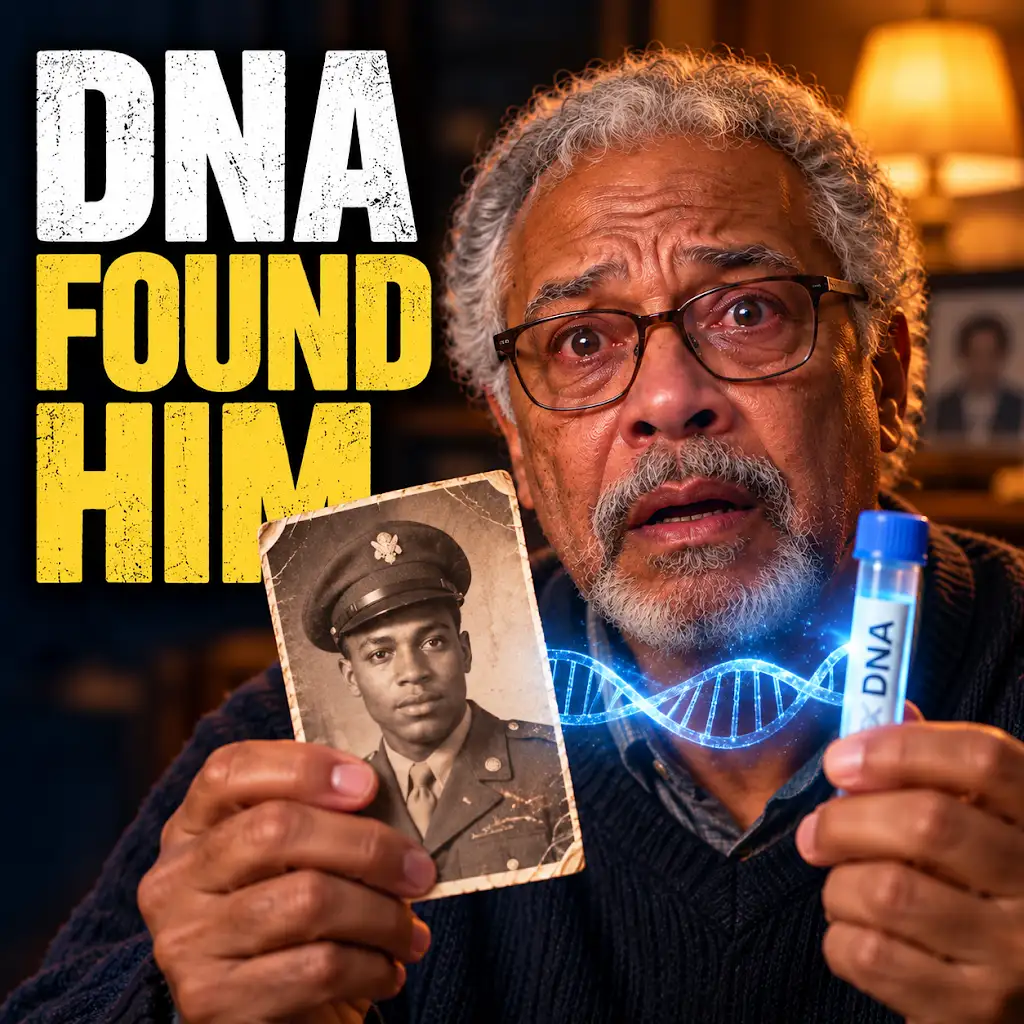
His WWII GI Father Was a Mystery for Nearly 80 Years
FAQs
What is hidden family history from WWII?
Hidden family history from WWII refers to stories, experiences, or information about family members that were not openly shared or discussed during or after World War II.
Why might family history from WWII be hidden?
Family history from WWII might be hidden due to the sensitive nature of the events that occurred during the war, including trauma, loss, or involvement in controversial activities. Some families may have chosen to keep certain details private to protect loved ones or maintain a certain image.
How can hidden family history from WWII be uncovered?
Hidden family history from WWII can be uncovered through research, conversations with older family members, exploring historical records, and visiting archives or museums dedicated to preserving wartime experiences.
What impact can hidden family history from WWII have on future generations?
Hidden family history from WWII can have a significant impact on future generations by shaping their understanding of their family’s past, influencing their identity, and providing insights into how historical events continue to affect their family today.
Why is it important to uncover hidden family history from WWII?
Uncovering hidden family history from WWII is important for preserving and honoring the experiences of those who lived through the war, gaining a deeper understanding of the past, and ensuring that the stories of resilience, sacrifice, and survival are not forgotten.