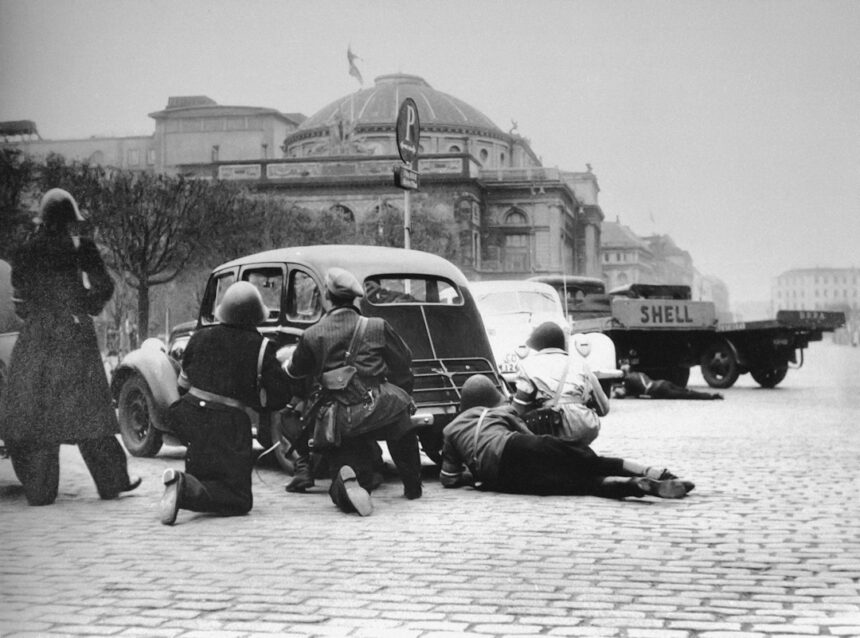
The whispers of the past, carried on the winds of memory, often hold the most poignant and profound narratives. For countless families, the Second World War is not merely a chapter in a history book, but a deeply personal tapestry woven with threads of courage, sacrifice, resilience, and sometimes, profound loss. While the grand narratives of battles and leaders are well-documented, the stories that unfold within the quiet confines of homes, across continents, and in the hearts of ordinary individuals often remain shrouded in time, waiting to be unearthed. These are the forgotten family stories of World War II, the untold histories that, when brought to light, enrich our understanding of the conflict and its enduring human impact.
The sheer scale of the Second World War meant that its tendrils reached into almost every corner of the globe, affecting millions of lives in myriad ways. Soldiers fought on distant battlefields, civilians endured rationing and bombings, families were separated by continents, and individuals made choices that would echo through generations. Yet, much of this intricate human drama has been relegated to the periphery, overshadowed by the major political and military events. These personal accounts, passed down through oral tradition or tucked away in attics and journals, are not just anecdotal; they are vital fragments of history, offering a ground-level perspective on the monumental events that shaped the 20th century. Uncovering these forgotten family stories is an act of remembrance, a way to honor the contributions and experiences of those who lived through this transformative era, and to ensure their legacies are not lost to time.
Echoes from the Home Front
The experience of World War II was not confined to the trenches or the cockpit. For millions, the war was waged daily on the home front, a constant battle against scarcity, fear, and the gnawing anxiety of loved ones far away. These were the stories of mothers managing households with ration books, children collecting scrap metal for the war effort, and communities rallying to support soldiers through letters and care packages. The resilience and ingenuity displayed in these domestic arenas are often overlooked, yet they were fundamental to sustaining the war effort and maintaining morale.
The Unsung Labor of Women
When men marched off to war, women stepped into roles previously considered exclusively male. They filled factory jobs, building planes, ships, and ammunition. They worked on farms, ensuring the nation had food. They served as nurses on the front lines and in bustling city hospitals, tending to the wounded with unwavering dedication. These women, often called “Rosie the Riveter” in spirit, were essential cogs in the machinery of war. Their stories are of newfound independence, of hard physical labor, and of the quiet determination to contribute to the cause. Many never spoke of their wartime jobs in detail, seeing it as simply “doing their part,” but their contributions were immense and transformative, paving the way for future generations of working women. Uncovering their individual experiences reveals not just economic shifts but profound personal growth and a broadened sense of capability.
Rationing and Resourcefulness
The constant presence of rationing was a daily reminder of the war’s demands. Families learned to make do with less, to stretch meals, and to find creative uses for every scrap. This was a time of ingenuity, where home gardens flourished, and preserving food became a crucial skill. Stories of creative recipes born out of necessity, of bartering for scarce goods, and of the communal spirit that emerged from shared hardship paint a vivid picture of life on the home front. These narratives highlight a collective sense of purpose and a willingness to endure privation for the greater good, a stark contrast to the consumer culture that would emerge in the post-war era. The ingenuity born from scarcity is a testament to human adaptability and a valuable lesson in appreciating resources.
The Emotional Toll of Absence
Perhaps the most pervasive element of the home front experience was the constant absence of loved ones. The agonizing wait for letters, the fear of telegrams bringing bad news, and the quiet ache of missing husbands, fathers, sons, and brothers cast a long shadow. Families learned to cope with uncertainty, to find solace in routine, and to rely on each other for emotional support. The stories of children growing up without fathers, of wives managing farms and businesses alone, and of the pervasive anxiety that permeated daily life are deeply human and emotionally resonant. These narratives underscore the profound personal cost of war, a cost borne not just by those on the front lines but by those left behind. The strength required to maintain a semblance of normalcy while facing such deep emotional strain is a testament to the enduring power of family bonds.
Many families have untold stories from World War II that have been passed down through generations, often forgotten in the hustle of modern life. For those interested in uncovering these poignant narratives, a related article can be found at In the War Room, which explores the significance of preserving and sharing these personal histories. By delving into the experiences of their ancestors, individuals can gain a deeper understanding of the impact of the war on their families and the world at large.
Voices from the Front Lines
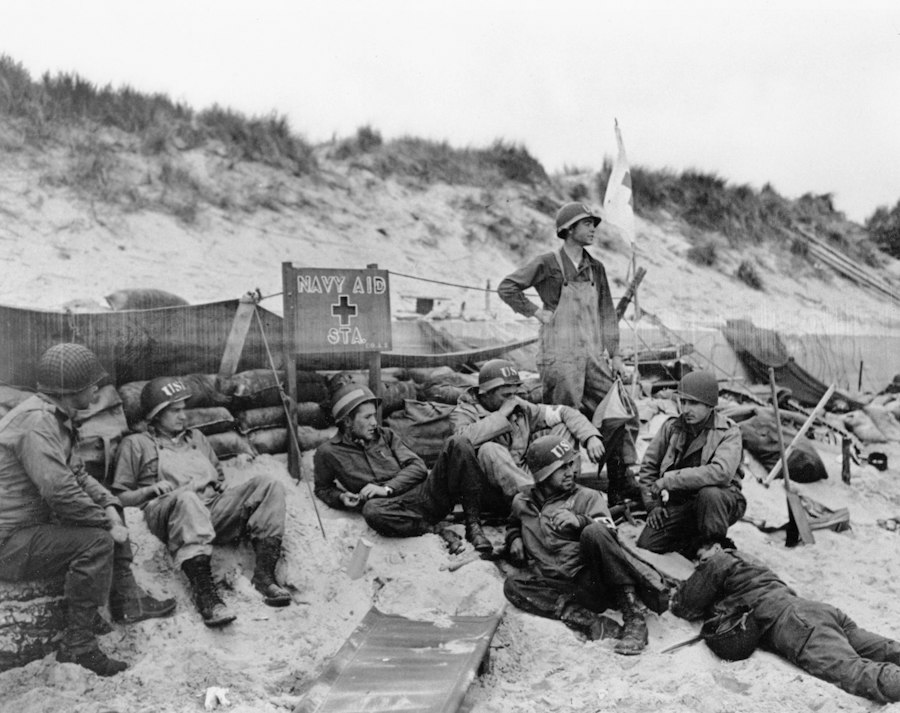
The soldiers, sailors, airmen, and marines who fought in World War II are often remembered through the lens of iconic images and grand military strategies. However, their experiences were intensely personal, a tapestry of fear, camaraderie, boredom, and the brutal realities of combat. The letters they wrote, the diaries they kept, and the stories they shared with loved ones upon their return offer invaluable insights into the psychological and emotional landscapes of war. Uncovering these accounts allows us to move beyond statistics and to connect with the individual human beings who faced unimaginable challenges.
The Crucible of Combat
The descriptions of life in the trenches, on the decks of ships, or in the skies above enemy territory are often visceral and unvarnished. These are stories of the deafening roar of artillery, the chilling silence before an attack, the camaraderie forged in the heat of battle, and the profound grief of losing comrades. Soldiers often found ways to cope with the trauma, through dark humor, through the shared rituals of war, or through a fervent hope for survival and a return home. These accounts, however difficult to read, are essential for understanding the true cost of conflict and the immense bravery of those who faced it. They reveal the human capacity to endure and adapt in the most extreme circumstances, offering a stark reminder of the sacrifices made.
Camaraderie and Connection
Amidst the chaos and brutality of war, powerful bonds of friendship often formed. These were friendships born of shared danger, mutual reliance, and an unspoken understanding of the ordeal they were all enduring. Soldiers often spoke of their “brothers” in arms, the men they would trust with their lives. These stories of camaraderie provide a humanizing element to the grim realities of war, highlighting the importance of human connection even in the most desperate situations. The loyalty and support found within these military units were often a lifeline, providing comfort and a sense of belonging in a world turned upside down. These enduring friendships are a testament to the human spirit’s need for connection.
The Long Road Home and Lingering Scars
For those who survived, the return home was often not an end to the struggle. Many soldiers carried the physical and psychological scars of war, grappling with trauma, displacement, and the challenge of reintegrating into a society that had moved on. The stories of homecoming, of re-establishing family ties, and of the long, often unspoken, process of healing are as important as the stories of combat itself. Some veterans found solace in sharing their experiences, while others bore their burdens in silence, their inner battles invisible to the outside world. These narratives are crucial for understanding the long-term impact of war and the importance of support for returning servicemen and women. They highlight that the end of fighting is not always the end of the war for the individual.
Worlds Apart: Civilian Experiences Across Borders
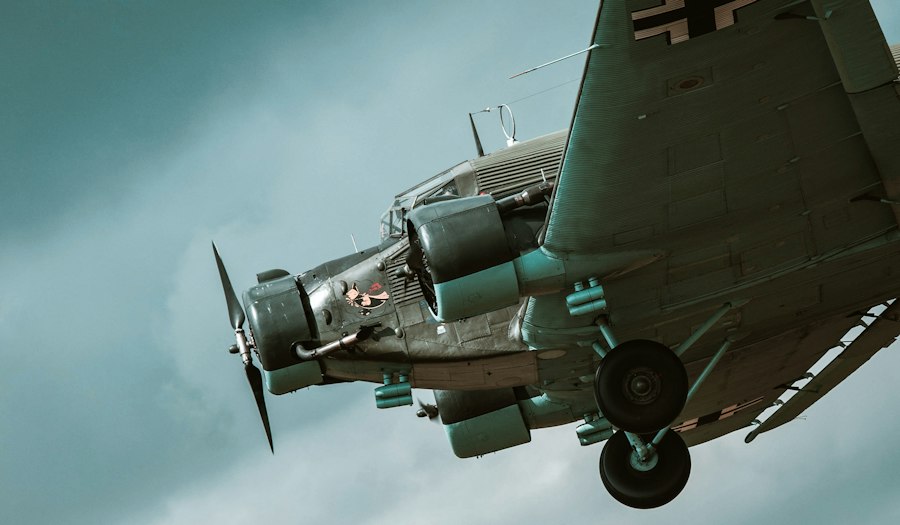
The Second World War was a global conflagration that engulfed nations and shattered lives far from the traditional battlefields. The experiences of civilians living under occupation, fleeing conflict, or enduring the constant threat of air raids are vital threads in the fabric of this history. These are stories of displacement, of resistance, of survival against overwhelming odds, and of the profound impact of war on everyday lives and cultural landscapes.
Life Under Occupation
For millions, the war meant living under foreign rule. This was a reality of fear, of curfews, of the constant presence of soldiers from an occupying power, and of the suppression of freedoms. Stories from occupied territories often detail acts of quiet defiance, of the struggle to maintain cultural identity, and of the courage it took to help those in hiding. The resilience of those who navigated these oppressive environments, often at great personal risk, is a testament to the enduring human spirit’s capacity to resist and to hope. These narratives are critical for understanding the diverse experiences of war and the profound impact of political subjugation.
The Ordeal of Refugee Journeys
The war triggered mass displacement, forcing millions to abandon their homes in search of safety. These refugee journeys were often arduous and perilous, marked by hunger, disease, and the constant threat of violence. Stories of families separated, of children lost, and of the desperate search for refuge provide a stark reminder of the human cost of conflict. These narratives highlight the vulnerability of civilians caught in the crossfire and the extraordinary efforts people undertook to survive and protect their families. The experiences of refugees in World War II resonate powerfully with contemporary global challenges, offering timeless lessons in empathy and humanitarianism.
The Home Front Under Bombardment
Cities and towns across Europe and Asia became targets during the war, bringing the conflict directly to the doorsteps of civilians. The stories of air raids, of seeking shelter in basements and Anderson shelters, and of the devastation left behind are etched into the collective memory of many communities. These accounts speak of fear, of loss, and of the remarkable ability of people to rebuild their lives amidst the ruins. The resilience shown by civilians facing the constant threat of aerial bombardment is a powerful testament to their strength and determination to endure. These narratives offer a stark contrast to the military focus of war stories and emphasize the profound impact on civilian populations.
The Shadow of the Holocaust and Other Atrocities
The Second World War is inextricably linked to the systematic persecution and murder of millions of Jews and other minority groups by the Nazi regime and its collaborators. These are the stories of unimaginable horror, of systematic dehumanization, and of the profound courage and resilience of those who faced genocide. Beyond the Holocaust, other atrocities occurred during the war, including the widespread rape and violence perpetrated by various armies, and the mistreatment of prisoners of war. Uncovering these narratives is a solemn responsibility, a vital act of remembrance and a commitment to ensuring that such atrocities are never forgotten and never repeated.
The Unspeakable Horrors of Genocide
The stories of survivors of concentration and extermination camps are among the most harrowing and important historical accounts of the 20th century. These are narratives of loss, of dehumanization, and of the enduring will to live. They speak of the systematic nature of the Nazi regime’s crimes and the profound impact on individuals, families, and entire communities. Remembering these stories is not just about bearing witness to the past; it is about understanding the dangers of unchecked hatred, prejudice, and the consequences of apathy. The detailed accounts of everyday life, the moments of resistance, and the sheer will to survive offer profound insights into the human spirit’s capacity to endure unimaginable suffering.
Acts of Resistance and Rescue
Amidst the darkness of genocide and oppression, there were also incredible acts of courage and compassion. Stories of individuals who risked their lives to hide Jewish families, to smuggle information, or to actively resist the Nazi regime are vital counterpoints to the narratives of brutality. These stories highlight the moral choices individuals made in the face of overwhelming evil and the profound impact of small acts of kindness and bravery. They remind us that even in the darkest of times, humanity can shine through, and that resistance takes many forms. These acts of defiance and rescue offer a glimmer of hope and demonstrate the power of individual conscience.
The Lingering Trauma of Mass Violence
The widespread violence and atrocities that characterized World War II left deep scars not only on survivors but on entire societies. The stories of mass graves, of displaced populations carrying the trauma of violence, and of the long process of justice and reconciliation are crucial for understanding the full scope of the war’s impact. These narratives underscore the importance of acknowledging and addressing the legacy of mass violence, and the need for continued efforts to promote understanding and prevent future atrocities. The emotional and psychological wounds inflicted by such widespread brutality can take generations to heal, and understanding this is key to comprehending the full historical context.
Many families have untold stories from World War II that have been lost to time, often waiting to be rediscovered. These narratives not only provide a glimpse into the past but also connect us to the experiences of our ancestors. For those interested in exploring more about these poignant family histories, a related article can be found at In the War Room, which delves into the significance of preserving these memories and the impact they have on our understanding of history.
Preserving the Whispers: The Future of Family Histories
| Metric | Description | Estimated Value |
|---|---|---|
| Number of Documented WWII Family Stories | Count of personal family stories recorded in archives and oral history projects | Approximately 10,000+ |
| Percentage of WWII Veterans with Untold Family Stories | Estimated proportion of veterans whose personal or family stories remain undocumented | 70% |
| Average Length of Forgotten WWII Family Stories | Typical word count or duration of untold stories when finally recorded | 1,500 words / 15 minutes audio |
| Number of WWII Family Stories Lost Each Year | Estimated stories lost due to passing of veterans and family members | 500-1,000 |
| Percentage of WWII Family Stories Featuring Civilian Experiences | Proportion of stories focusing on civilian life during WWII rather than combat | 40% |
| Number of WWII Family Story Archives Worldwide | Institutions and projects dedicated to collecting family stories from WWII | 50+ |
The task of uncovering and preserving these forgotten family stories is an ongoing endeavor, one that requires both diligent research and a deep appreciation for the human narratives at its core. As the generation that lived through World War II ages, the responsibility of safeguarding their memories falls increasingly on their descendants and on historians and archivists.
The Power of Personal Archives
Attics, basements, and family albums often hold a treasure trove of personal histories. Letters, diaries, photographs, official documents, and even everyday objects can offer invaluable clues to the lives of those who lived through the war. Encouraging families to explore these archives, to ask questions, and to document the stories shared by older relatives is a crucial step in preserving this heritage. The act of organizing and sharing these personal collections can be a profound way for families to connect with their past and to honor their ancestors’ experiences. The tangible nature of these artifacts provides a direct link to the individuals themselves.
The Role of Genealogy and Oral History
Genealogy research, coupled with oral history interviews, can unlock the stories hidden within family trees. By tracing lineage and speaking directly with older relatives or their descendants, researchers can piece together fragmented narratives and gain a more complete understanding of individual experiences. These interviews, recorded and transcribed, become invaluable historical documents, preserving voices that might otherwise be lost. The careful practice of oral history, with its emphasis on active listening and respectful inquiry, is essential for elicting rich and detailed accounts. The nuances of tone, emotion, and personal reflection are often captured best in spoken word.
Digital Platforms and Collective Memory
The digital age offers unprecedented opportunities for sharing and accessing family histories. Online archives, digitized personal accounts, and platforms dedicated to World War II stories can connect individuals and researchers from around the globe. This digital preservation not only safeguards these stories from physical decay but also makes them accessible to a wider audience, fostering a more inclusive and comprehensive understanding of the past. By creating a collective memory accessible to all, these digital efforts ensure that no story, however small, is truly forgotten. The interconnectedness of the digital world allows for serendipitous discovery and cross-referencing, enriching the historical tapestry.
In conclusion, the forgotten family stories of World War II represent an immeasurable archive of human experience. They are testaments to resilience, sacrifice, love, and the enduring spirit of humanity in the face of unimaginable adversity. By actively seeking out, preserving, and sharing these untold histories, we not only honor the past but also gain a deeper understanding of ourselves and the world we inhabit. These whispers from the past, when amplified, become powerful lessons for the present and vital guidance for the future. They remind us that history is not just made by great leaders and grand armies, but by the countless ordinary individuals whose lives, in their own unique ways, shaped the course of human events.
His WWII GI Father Was a Mystery for Nearly 80 Years
FAQs
What are forgotten WWII family stories?
Forgotten WWII family stories are accounts of experiences, sacrifices, and contributions made by individuals and families during World War II that have been overlooked or not widely known.
Why are these stories important to remember?
These stories are important to remember as they provide a personal and human perspective on the impact of war, highlighting the resilience, bravery, and struggles of individuals and families during a tumultuous time in history.
How can forgotten WWII family stories be preserved and shared?
Forgotten WWII family stories can be preserved and shared through oral histories, written accounts, photographs, and other historical documents. They can also be shared through community events, museums, and online platforms.
What can we learn from forgotten WWII family stories?
We can learn valuable lessons about courage, sacrifice, unity, and the enduring human spirit from forgotten WWII family stories. These stories offer insights into the complexities of war and its impact on individuals and communities.
Why do some WWII family stories remain forgotten or untold?
Some WWII family stories remain forgotten or untold due to the passage of time, lack of documentation, cultural taboos, or the reluctance of individuals to revisit painful memories. Additionally, some stories may have been overshadowed by more prominent historical narratives.