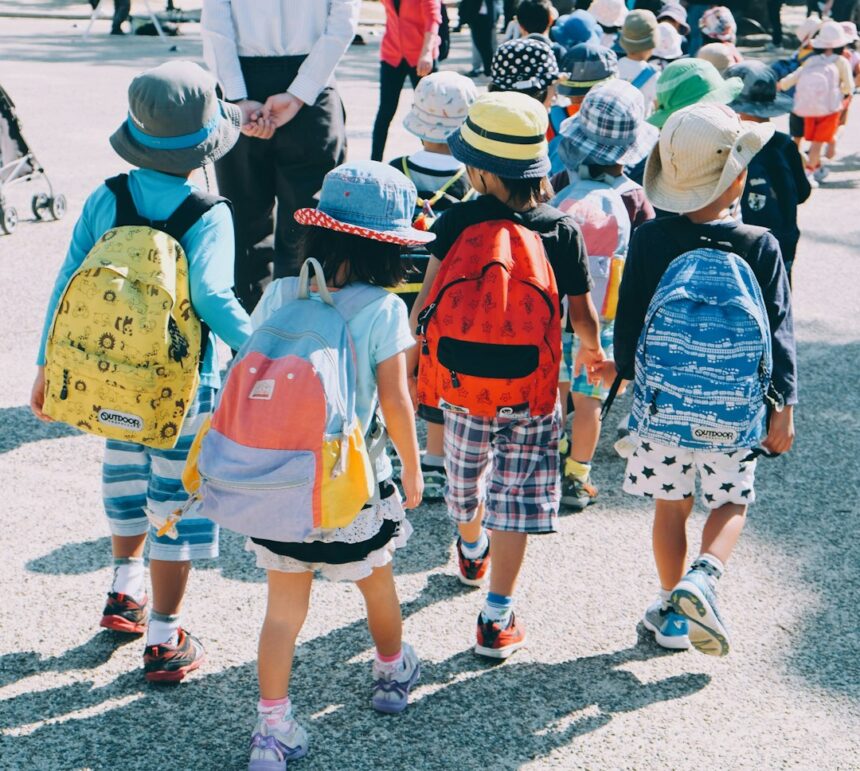
The pervasive narrative of World War II often centers on the grand strategies of generals, the bravery of soldiers, and the political machinations of world leaders. The sheer scale of human suffering is undeniable, etched into the collective memory through iconic images of bombed cities, concentration camps, and vast battlefields. Yet, within this monumental tapestry of conflict and loss, certain threads remain frayed, their stories largely untold or relegated to footnotes. Among these are the forgotten children of World War II – a group whose innocence was shattered, whose lives irrevocably altered, and whose experiences often lie outside the more prominent accounts of wartime trauma. These were not merely passive observers of history; they were active victims, their childhoods stolen by ideologies, violence, and the brutal realities of total war. Their experiences, diverse and often horrific, deserve to be brought from the periphery into the light of historical examination.
The Seeds of Trauma: Childhood Interrupted
The outbreak of World War II unleashed a torrent of fear and disruption that descended upon the lives of millions of children across the globe. For many, the idyllic scenes of childhood – playing in parks, attending school, or gathering with family – dissolved into a nightmarish reality of displacement, hunger, and constant peril. The ideologies fueling the war, particularly Nazism and its genocidal ambitions, directly targeted children, transforming them into deliberate victims of persecution and death. Beyond the systematic extermination of Jewish children and those deemed “undesirable,” the war’s broader impact on childhood innocence was profound and far-reaching, affecting children of all nationalities caught in the crossfire.
Innocence Lost to Ideology: Targeting the Young
The Nazi regime’s racial policies were particularly brutal in their impact on children. Jewish children were not spared the ghettos and concentration camps; they were rounded up, deported, and murdered alongside their families. The Warsaw Ghetto uprising, for example, saw children fighting and dying alongside adults, their youthful courage tragically juxtaposed with their ultimate fate. Beyond the deliberate genocide, other children were targeted based on perceived racial inferiority, often those of Roma, Sinti, or Slavic descent. These children were frequently subjected to forced labor, sterilization, or even inhumane medical experiments, their bodies and futures cruelly exploited for the regime’s perverse agenda. The infamous “Lebensborn” program, designed to breed Aryan children, also had a devastating impact on those born outside its prescribed parameters, often leading to abandonment or being placed in institutions with uncertain futures.
Caught in the Crossfire: Civilian Casualties and Displacement
Even for children not directly targeted by genocidal policies, the war brought immense suffering. Bombing raids, an almost constant feature of the European theater, turned homes into rubble and forced families to flee. The Blitz in London, for instance, saw thousands of children evacuated to the countryside, separated from their parents and their familiar lives. While intended as a protective measure, this separation often led to prolonged periods of anxiety and loneliness, with many children experiencing the trauma of being unwanted or struggling to adapt to new environments. In Eastern Europe, the brutal fighting and scorched-earth tactics employed by both sides resulted in widespread destruction and starvation. Children in sieges like Leningrad or cities subjected to intense shelling faced unimaginable deprivation, with hunger and disease claiming countless lives. The sheer volume of civilian casualties, including a significant proportion of children, underscores the indiscriminate nature of modern warfare and its devastating impact on the youngest populations. The creation of vast refugee camps, often overcrowded and unsanitary, became a temporary, and sometimes permanent, home for children who had lost everything, their childhoods reduced to a struggle for basic survival.
The Psychological Scars: Trauma Beyond the Physical
The physical dangers of war were undeniable, but the psychological toll on children was equally profound and often longer-lasting. Witnessing violence, the death of loved ones, and the destruction of their homes left deep emotional wounds. Many children developed post-traumatic stress disorders, characterized by nightmares, anxiety, and a pervasive sense of fear. The constant threat of death and destruction created an environment where normal childhood development was severely hindered. Trust, security, and a sense of normalcy were eroded, replaced by a constant vigilance and a deep-seated fear of the unknown. These psychological scars, though invisible, were as real and debilitating as any physical injury, shaping the lives of survivors for decades to come. The loss of parents, often sudden and brutal, left many children orphaned, facing a future filled with uncertainty and grief without the guidance and comfort of parental love. This profound loss, coupled with the ongoing trauma of war, created a generation of children who had to mature far too quickly, their youthful exuberance replaced by a solemnity born of hardship.
The impact of World War II extended far beyond the battlefield, leaving behind countless forgotten children who faced unimaginable hardships. For a deeper understanding of their stories and the challenges they endured, you can read a related article that sheds light on this often-overlooked aspect of history. Explore the experiences of these children and the lasting effects of the war on their lives by visiting this link: Forgotten Children of World War II.
Unseen Soldiers: Children in Uniform and Under Duress
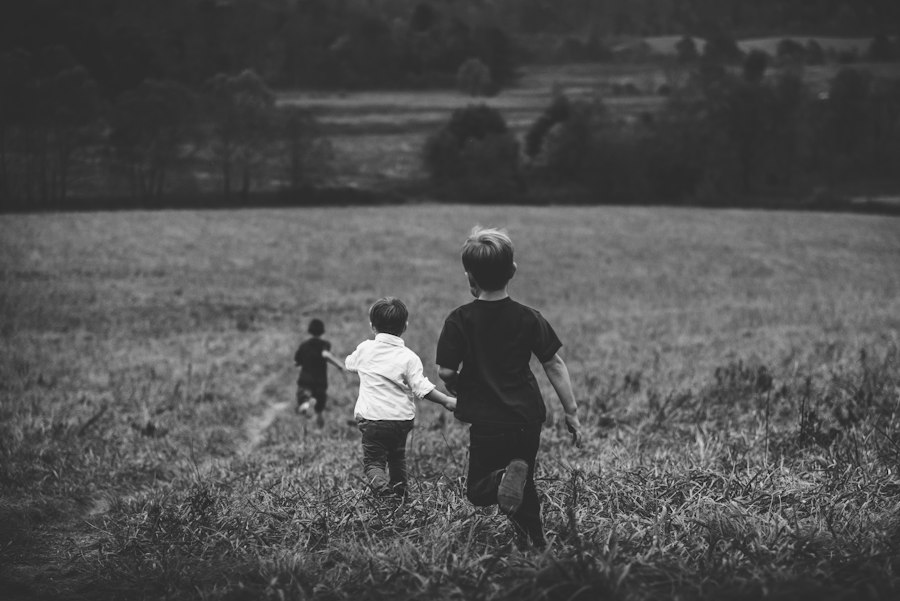
While the image of a child soldier is often associated with more recent conflicts, World War II also witnessed children being drawn into the armed struggle, albeit in different capacities and often under extreme duress. These were not always front-line combatants in the traditional sense, but their involvement, whether coerced or born out of desperation, marked a significant departure from their expected childhood roles. These “unseen soldiers” often faced immense dangers, their youthful innocence ill-suited to the grim realities of military service and the brutal expectations placed upon them.
Youthful Recruits: The Youngest Combatants
In some instances, particularly in the later stages of the war, desperation led to the recruitment of very young individuals into military service. In Germany, for example, the Volkssturm, a militia composed of elderly men and boys, saw teenagers as young as sixteen, and sometimes even younger, armed and sent to the front lines. Similarly, in the Soviet Union, some very young individuals were conscripted or volunteered, driven by patriotic fervor or the need to contribute to the war effort. These young recruits, often ill-trained and ill-equipped, were thrown into battles where they faced seasoned soldiers and experienced the full horror of combat. Their physical and emotional immaturity made them particularly vulnerable to the psychological shock of war, and many paid the ultimate price in these desperate last stands. The romanticized notion of child heroes often belies the grim reality of these youngsters being used as cannon fodder in the final, chaotic days of the conflict.
The Burden of Labor: Children in War Industries
Beyond direct combat, children were also employed in war industries, their small hands and nimble fingers deemed valuable for certain tasks. In factories producing munitions, uniforms, or other war materials, children as young as fourteen or fifteen worked long hours, often in dangerous conditions. These jobs were crucial to the war effort, but they came at a significant cost to the children’s health and well-being. Exposure to hazardous chemicals, the constant noise of machinery, and the lack of adequate safety measures led to injuries and long-term health problems. Furthermore, this labor often meant a premature end to their education, depriving them of opportunities for a brighter future. The image of children contributing to the war machine, while perhaps seen as patriotic at the time, represents another way their childhoods were sacrificed for the conflict. This work, though essential, was far from the simple play and learning expected of youth, forcing them into adult responsibilities and risks before they were truly ready.
Victims of Occupation and Collaboration: Complex Fates
Children living in occupied territories faced a unique set of challenges. They were subjected to the laws and dictates of the occupying power, and their lives were often shaped by the complex dynamics of collaboration and resistance. In some cases, children were indoctrinated into the ideology of the occupying regime, their minds molded from a young age. In others, they were forced to witness or participate in acts of violence, their moral compasses tested by the brutal realities of occupation. The issue of collaboration is particularly sensitive, with some children, often under duress or due to their families’ circumstances, being forced to work for or assist the occupying forces. Their fates were often complex and fraught with societal judgment, regardless of the extent of their agency. The war often placed children in situations where they had to make impossible choices, their innocence eroded by the need to survive in a world turned upside down. Their actions, however small, were often judged by adult standards, overlooking the profound pressures they endured.
The Silent Survivors: Orphaned and Displaced Futures
The war left a staggering number of children orphaned or displaced, their lives cast adrift in a world shattered by conflict. The sheer scale of this displacement created a crisis of care, with countless children struggling to find stable homes and futures. Their journeys were often fraught with peril, and the long-term consequences of this displacement continued to shape their lives long after the cessation of hostilities.
The Orphaned Generation: Loss of Family and Identity
The loss of parents in wartime was catastrophic for children. Without guardians, they were left vulnerable, often facing starvation, exploitation, or institutionalization. Orphanages, often overcrowded and understaffed, became the refuge for many, but the lack of individual attention and familial love left a lasting void. Many of these children struggled with issues of identity, having lost not only their parents but also their connection to their past and their heritage. The desire to reconnect with lost family members or understand their origins became a lifelong quest for many. The trauma of losing a family, the fundamental unit of stability and belonging, left an indelible mark, influencing their emotional development and their ability to form healthy relationships later in life. The absence of parental guidance and nurturing created a generation that had to forge their own paths, often through sheer resilience and determination.
The Refugee Camps and the Long Road Home
Millions of children found themselves displaced from their homes, becoming refugees in their own countries or seeking refuge in neighboring nations. These children often lived in temporary camps, enduring harsh conditions and uncertain futures. The journey to safety was frequently perilous, involving long treks, exposure to disease, and the constant threat of violence. Even upon reaching safety, the challenges did not end. Many faced prejudice and discrimination in their new environments, struggling to integrate and rebuild their lives. The concept of “home” became a distant memory for many, replaced by the harsh realities of a nomadic existence. The process of repatriation, for those who were eventually able to return to their homelands, was often a painful homecoming to devastated landscapes and fractured communities. The search for normalcy and a sense of belonging became a defining characteristic of their post-war lives. The disruption of their education, coupled with the constant anxiety of their circumstances, further compounded their struggles.
Adoptees and the Search for Belonging
For some orphaned children, adoption offered a chance for a new beginning. However, the adoption process during and immediately after the war was often complex and fraught with ethical dilemmas. Children were sometimes adopted by families from different countries, leading to cultural adjustments and a sense of being caught between two worlds. For many adopted children, the search for their biological families and a deeper understanding of their wartime experiences became a significant part of their adult lives. This search was often fueled by a deep-seated need to understand their origins, to fill the void left by the loss of their birth parents, and to make sense of the circumstances that led to their displacement. The war had irrevocably altered their family trees, and many spent years trying to piece together the fragmented branches of their personal histories, seeking a sense of completeness and closure. This search for belonging was not just a personal quest but a historical necessity, as they sought to reclaim the narratives that war had attempted to erase.
Legacies of Silence: Memory, Recognition, and Healing
The stories of the forgotten children of World War II are often relegated to the silent spaces of history. Their experiences, though deeply impactful, have not always received the same attention as the more prominent narratives of military conflict and political events. This silence is not merely an absence of documentation; it is a reflection of societal priorities, the difficulty of accessing such intimate accounts, and the lingering effects of trauma that can make speaking out a formidable challenge.
The Challenge of Documentation and Memory
Documenting the experiences of child victims of war is inherently challenging. Children, by their nature, may not always have the capacity to articulate their experiences fully, especially in the immediate aftermath of trauma. Furthermore, their stories often fall outside the official records that historians rely on, which tend to focus on military actions, political decisions, and adult testimonies. The passage of time also poses a significant hurdle, as many survivors are now elderly, and their memories, though precious, may be fading. The lack of widespread public awareness and historical recognition has meant that the narratives of these children have often been passed down through families, rather than being formally preserved and integrated into broader historical accounts. This lack of formal acknowledgement can lead to a feeling of invisibility and a sense that their suffering was not deemed important enough to be remembered.
The Importance of Recognition and Validation
Recognizing and validating the experiences of these child survivors is crucial for several reasons. It acknowledges their suffering and the profound injustice they endured. It also helps to challenge the often-oversimplified narratives of war, highlighting the devastating human cost beyond the battlefield. For the survivors themselves, public recognition can be a deeply healing process, offering a sense of validation and closure. It assures them that their experiences were not in vain and that their stories matter. The act of remembrance itself can be a powerful force, ensuring that future generations learn from the mistakes of the past and are more attuned to the vulnerability of children in times of conflict. This validation is essential for their psychological well-being, allowing them to process their trauma and integrate their wartime experiences into their lives without shame or silence.
Towards Healing and Reconciliation
The process of healing for survivors of wartime trauma is a long and complex one. It often involves therapeutic interventions, community support, and the creation of spaces where they can share their stories and find solidarity. For the forgotten children of World War II, this healing also involves a broader societal effort towards reconciliation. This means acknowledging the historical injustices, working to prevent future atrocities, and ensuring that the lessons learned from their experiences inform policies and practices that protect children in conflict zones. The remembrance of these children is not just about the past; it is about building a more compassionate and just future. Their stories serve as a stark reminder of the indiscriminate nature of war and the enduring need to protect innocence in the face of violence. The act of speaking out, even after decades, is a testament to their resilience and their unwavering hope for a world where such suffering is no longer a forgotten consequence of conflict.
The impact of World War II extended far beyond the battlefield, affecting countless lives, including those of forgotten children who endured unimaginable hardships. For a deeper understanding of their stories and the lasting effects of the war on young lives, you can explore a related article that sheds light on these often-overlooked experiences. This insightful piece can be found at In The War Room, where you will discover the resilience and courage of those who were shaped by the tumult of their times.
Echoes in the Present: Lessons for a World Still at War
| Metric | Data/Estimate | Description |
|---|---|---|
| Number of orphaned children | Millions | Estimated millions of children lost one or both parents due to WWII casualties and bombings. |
| Displaced children | Approx. 10 million | Children separated from families and living in displaced persons camps across Europe. |
| Child labor involvement | High percentage | Many children forced into labor to support families or war efforts during and after the war. |
| Child evacuees in the UK | 1.5 million | Children evacuated from cities to countryside to avoid bombings. |
| Children in concentration camps | Hundreds of thousands | Children imprisoned and killed in Nazi concentration camps. |
| Post-war adoption and foster care | Thousands | Efforts to place orphaned and displaced children into new families. |
| Psychological impact | Long-term trauma | Many children suffered lasting emotional and psychological effects from war experiences. |
The forgotten children of World War II are not merely historical footnotes; their experiences offer profound and enduring lessons for contemporary society. In a world still grappling with conflicts, displacement, and the exploitation of the vulnerable, understanding the impact of war on children remains critically important. The echoes of their silent suffering resonate in the ongoing humanitarian crises, reminding us of our collective responsibility to protect the innocent.
The Enduring Vulnerability of Children in Conflict
The history of World War II tragically demonstrates that children are disproportionately affected by armed conflict. Whether through direct violence, displacement, or the breakdown of social structures, their vulnerability is amplified in wartime. The experiences of the forgotten children serve as a potent reminder that while the nature of warfare may evolve, the impact on childhood remains a constant. The rise of child soldiers in contemporary conflicts, the widespread displacement of families, and the use of children as targets or pawns in political struggles are all echoes of the suffering endured by those who lived through the Second World War. Their stories underscore the urgent need for international laws and conventions that specifically protect children in times of war and ensure accountability for those who violate these protections. The enduring lesson is that the future of any society is built on the well-being of its children, and any conflict that jeopardizes their safety and development is a threat to humanity’s long-term prospects.
The Responsibility to Remember and Advocate
The act of remembering the forgotten children of World War II carries with it a moral imperative to advocate for the protection of children in all contemporary conflicts. Their silence should not be interpreted as an absence of suffering, but rather as a call to amplify their voices and to ensure that their experiences inform our present-day actions. This involves supporting organizations that work to protect children in conflict zones, advocating for policies that prioritize their well-being, and educating future generations about the devastating consequences of war on the young. It also means challenging narratives that dehumanize or exploit children, and actively promoting a global culture of peace and protection. The legacy of these children is a powerful testament to the resilience of the human spirit, but it is also a stark warning of the fragility of innocence in the face of unchecked violence and hatred. Their forgotten stories demand our attention, our empathy, and our unwavering commitment to ensuring that no child is ever again a forgotten victim of history.
Building a More Compassionate Future
Ultimately, the study of the forgotten children of World War II compels us to reflect on the kind of future we wish to build. Their experiences highlight the profound importance of empathy, compassion, and a commitment to justice. By learning from their struggles, we can strive to create a world where childhood is universally protected, where the innocence of children is cherished, and where the devastating consequences of war are mitigated through proactive efforts towards peace and understanding. The echoes of their lives, though once silent, can serve as a powerful guide, illuminating the path towards a more compassionate and just world for all children, both now and for generations to come. Their forgotten stories are not merely historical accounts; they are profound calls to action, urging us to prioritize the well-being of the most vulnerable and to ensure that the lessons of the past are not allowed to fade into silence.
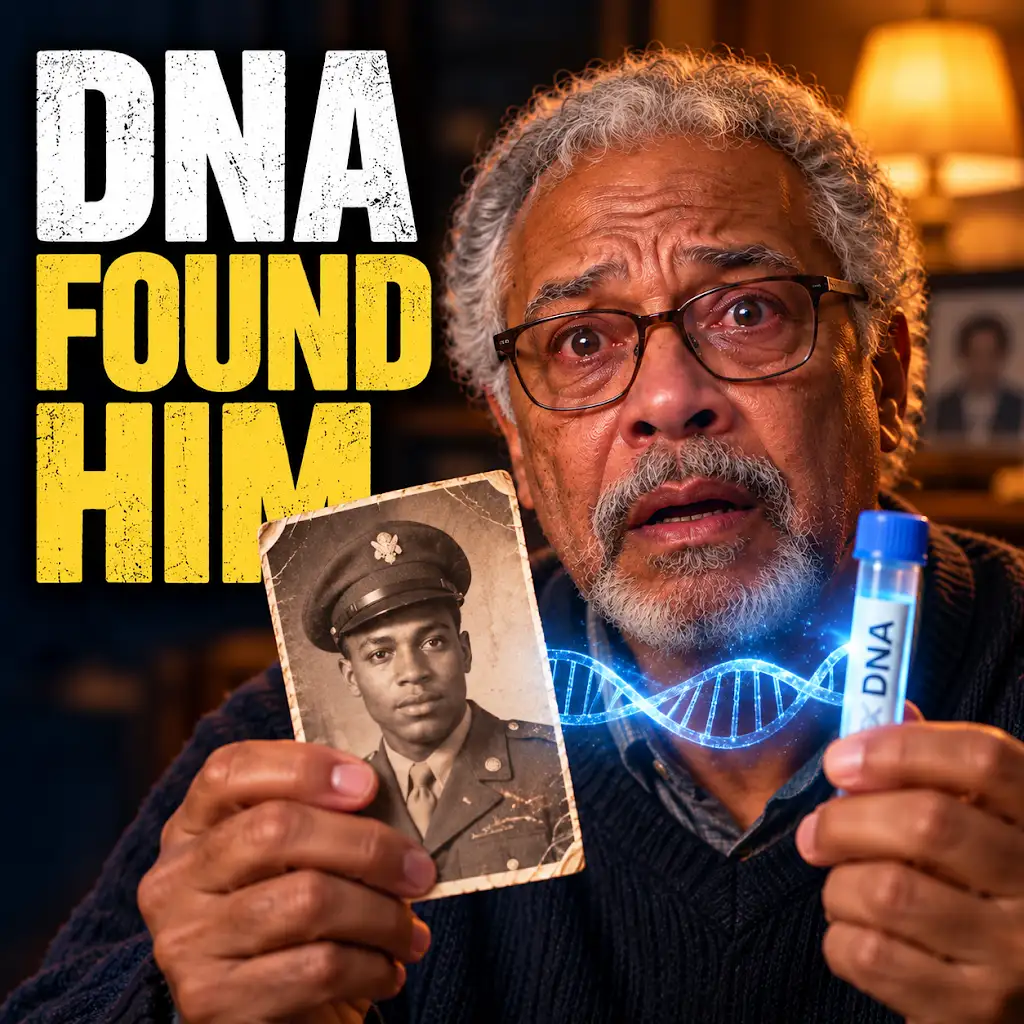
His WWII GI Father Was a Mystery for Nearly 80 Years
FAQs
What is the background of the forgotten children of World War II?
The forgotten children of World War II were those who were separated from their families during the war and faced displacement, trauma, and loss.
How many children were affected by World War II?
It is estimated that millions of children were affected by World War II, with many experiencing separation from their families, homelessness, and the loss of loved ones.
What challenges did the forgotten children of World War II face?
The forgotten children of World War II faced challenges such as displacement, trauma, loss of identity, and difficulties in reuniting with their families after the war.
How were the forgotten children of World War II identified and supported?
Efforts were made by various organizations and governments to identify and support the forgotten children of World War II through reunification programs, counseling services, and educational opportunities.
What is being done today to remember and honor the forgotten children of World War II?
Today, there are memorials, museums, and educational programs dedicated to remembering and honoring the forgotten children of World War II, ensuring that their stories are not forgotten.