The Unfolding Tapestry: Tracing Your Military Ancestors from World War II
The echoes of World War II resonate through generations, shaping families and communities in profound ways. For many, the desire to connect with this monumental chapter of history often manifests as a deep-seated curiosity about their own lineage. Uncovering military ancestors who served during this global conflict is a journey of discovery, a meticulous piecing together of fragmented lives, and a profound act of remembrance. Genealogy, the study of family history and ancestry, provides the essential tools and methodologies to embark on this compelling quest. This article will guide aspiring genealogists through the intricate landscape of World War II military records, illuminating the pathways to uncovering the stories of those who answered the call to service.
For those interested in exploring the rich history of military genealogy during World War II, a valuable resource can be found in the article titled “Tracing Your WWII Ancestors: A Guide to Military Records.” This article offers insights into how to navigate various military archives and databases to uncover the stories of those who served. To read more about this topic and enhance your research, visit the article here: Tracing Your WWII Ancestors: A Guide to Military Records.
Laying the Foundation: Initial Steps and Essential Information
Before diving headfirst into the vast ocean of military records, it is crucial to establish a solid foundation of information about the ancestor in question. Without these initial pieces of the puzzle, navigating the archives can become an overwhelming and often fruitless endeavor. The more details one possesses, the more targeted and efficient the research will be.
Gathering the Basics: The Cornerstone of Your Research
The absolute starting point for any genealogical investigation, particularly one focused on military service, is to gather as much biographical data as possible from living relatives and existing family documents. This includes the full name of the ancestor, including any middle names or maiden names. Dates and places of birth and death are paramount. Knowing their marital status, the names of their spouse and children, and their parents’ names can also be incredibly helpful in distinguishing your ancestor from others with similar names.
The Power of the Known: Interviewing Family and Examining Heirlooms
Family interviews are invaluable. Speak with parents, grandparents, aunts, uncles, and any elder relatives who might have personal memories or knowledge of the ancestor’s service. Ask open-ended questions. Did they talk about the war? Did they wear a uniform? Did they receive any medals or letters? Even seemingly insignificant anecdotes can provide crucial clues. Examine family Bibles, photo albums, letters, diaries, and any documents that might have been passed down. Look for names, dates, addresses, and any mention of military units, locations, or experiences. These tangible links to the past are often brimming with untapped information.
Navigating the Digital Frontier: Online Genealogy Platforms
Numerous online genealogy platforms have revolutionized the way we research our ancestors. Websites like Ancestry.com, FamilySearch.org (which is free and supported by The Church of Jesus Christ of Latter-day Saints), MyHeritage, and Findmypast offer vast databases of digitized records, including census data, birth, marriage, and death certificates, and critically, military records. While some of these services require a subscription, FamilySearch is an excellent starting point due to its free accessibility and extensive collections. These platforms allow for the creation of family trees, facilitating the organization of information and highlighting potential connections that warrant further investigation.
Delving into Military Records: The Heart of WWII Ancestor Research
Once a basic profile of your ancestor is established, the real work of uncovering their military service begins. World War II generated an enormous volume of documentation, and understanding the types of records available and how to access them is key to success.
The Backbone of Service: Service Records and Rosters
The most crucial records for tracing military service are the individual service records. For American soldiers, sailors, and airmen, these are primarily held by the National Archives and Records Administration (NARA). These records can contain a wealth of information, including enlistment and discharge dates, units served in, theaters of operation, physical descriptions, and sometimes even combat decorations or disciplinary actions.
Accessing National Archives Records (United States)
For U.S. military personnel, NARA is the primary repository. While many records are now digitized and available through NARA’s website or through partner sites like Ancestry.com and FamilySearch, some may still require a formal request. Be aware that a large portion of World War II military personnel records were destroyed in a devastating fire at NARA in 1973. However, there is still a significant amount of information available for those who served. When requesting records, be as specific as possible with the ancestor’s name, service number (if known), branch of service, and dates of service.
Beyond the US: Canadian, British, and Other Allied Records
If your ancestor served in the armed forces of other Allied nations, the research pathways will differ. For Canadian veterans, Library and Archives Canada is the primary source. The National Archives in the UK holds extensive records for British servicemen and women. Similar national archives and military history institutions exist in Australia, New Zealand, and other countries that contributed to the Allied war effort. Familiarize yourself with the specific repositories for the country your ancestor served in.
Beyond the Individual: Unit Histories and Muster Rolls
While individual service records are invaluable, understanding the context of your ancestor’s service often requires examining unit histories and muster rolls. Muster rolls are essentially attendance lists for military units at specific times, providing a snapshot of who was present and their roles. Unit histories detail the campaigns, battles, and movements of specific military formations. These records can help you pinpoint where your ancestor was during key events of the war and gain a broader understanding of their experiences.
The Impact of Conflict: Casualty and Prisoner of War Records
For many families, the war brought tragic news. Casualty records, often published in official lists or contained within NARA’s holdings, document soldiers who were killed in action, died of wounds or disease, or went missing. Prisoner of War (POW) records are equally important for families who had loved ones captured by the enemy. These records can offer details about their captivity, their release, and their condition upon repatriation.
Unlocking the Details: Types of Records and Where to Find Them
The breadth of documentation generated during World War II is staggering. Beyond the core service records, a multitude of other document types can shed light on an ancestor’s wartime life. Identifying these records and knowing where to look is crucial for comprehensive research.
The Power of the Draft: Selective Service Records
For men who served in the U.S. military, the Selective Service System played a critical role. Draft registration cards, filed by almost every man eligible for service, are a treasure trove of information. These cards typically contain the registrant’s name, address, date and place of birth, employer, and even a physical description. They can be found through NARA and many genealogy websites. These records are invaluable for confirming an individual’s eligibility and for narrowing down search parameters, especially for individuals with common names.
A Glimpse into Daily Life: Census and Vital Records
While not strictly military records, census data and vital records (birth, marriage, and death certificates) are essential for building a complete genealogical picture and for understanding an ancestor’s life before and after their military service. Census records, taken every ten years, can show where an individual lived, their occupation, and family members present. Vital records document the key life events that shape a person’s history. These are often held by state and local archives, as well as being digitized by major genealogy platforms.
The Home Front and Beyond: Civilian and Other Records
It’s important to remember that not all records directly pertain to combat. Civilian records can offer context. For example, wartime employment records, ration book registrations, or even local newspaper archives might mention individuals involved in war efforts or community activities. Furthermore, records related to specific branches of service, such as the Coast Guard, Merchant Marine, or women’s auxiliary corps, may be held in specialized archives or collections.
The Role of Technology: Digitization and Online Archives
The relentless pace of digitization has made vast collections of historical documents accessible from the comfort of one’s home. Websites like Ancestry.com, FamilySearch, Fold3.com (specializing in military records), and The National Archives’ own online catalog are indispensable resources. These platforms allow for keyword searches, enabling researchers to quickly sift through millions of records. However, it is important to remember that not all records are digitized, and some may still require in-person visits or mailed requests.
For those interested in exploring the intricate details of World War II military genealogy records, a fascinating resource can be found in a related article that delves into the various archives and databases available for research. This article provides valuable insights into how to navigate these records effectively, making it easier for individuals to uncover their family histories. To learn more about this topic, you can visit the article at In The War Room, where you will find a wealth of information to assist you in your genealogical journey.
Navigating Challenges and Troubleshooting Your Research
| Record Type | Description | Typical Data Included | Availability | Source Examples |
|---|---|---|---|---|
| Enlistment Records | Documents detailing the enlistment of military personnel during WWII | Name, Date of Enlistment, Place of Enlistment, Service Number, Rank | Public and restricted access depending on country | National Archives (US), Ancestry.com, Fold3 |
| Service Records | Comprehensive records of a soldier’s military service | Unit assignments, Promotions, Awards, Discharge details | Often restricted, some available after 62 years | National Personnel Records Center (US), UK National Archives |
| Casualty Lists | Lists of soldiers killed, wounded, or missing in action | Name, Rank, Date of Casualty, Unit, Circumstances | Publicly available | Commonwealth War Graves Commission, US Department of Defense |
| Prisoner of War Records | Records of soldiers captured and held as POWs | Name, Capture Date, Location, Camp Information | Available with some restrictions | International Red Cross Archives, National Archives |
| Draft Registration Cards | Records of men registered for the draft during WWII | Name, Address, Date of Birth, Employer, Physical Description | Publicly available | US Selective Service System, Ancestry.com |
Genealogical research is rarely a straightforward path. Several common hurdles can impede the discovery of WWII military ancestors, but with persistence and strategic approaches, these obstacles can be overcome.
The Common Name Conundrum: Distinguishing Individuals
One of the most frequent challenges in genealogical research, especially when dealing with military records, is the prevalence of common names. If your ancestor had a name like John Smith or Mary Jones, distinguishing them from others with the same name can be incredibly difficult. This is where those foundational details become crucial. Look for middle names, nicknames, birthdates, and places of birth or residence. Comparing multiple records and looking for consistencies across different sources is vital. For instance, if you find a draft card for a John Smith born in Ohio in 1920, and a service record for a John Smith who served in the Pacific and was discharged in 1945, and a death certificate for a John Smith who died in California in 1980, you can begin to build a case for these records belonging to the same individual.
The Records Fire and Its Aftermath: Gaps and Limitations
As mentioned previously, the 1973 fire at the National Archives in Washington D.C. destroyed a significant portion of U.S. military personnel records from World War II. This is a harsh reality that researchers must contend with. However, it does not mean all hope is lost. Often, information about service members whose records were destroyed can be found in other sources. This might include unit histories, casualty lists, veteran organizations’ records, or even pension files. Additionally, some records may have been replicated or stored in different locations.
Deciphering the Language: Military Jargon and Abbreviations
Military documents are often filled with specialized jargon, acronyms, and abbreviations that can be baffling to the uninitiated. Understanding these terms is essential for accurately interpreting the information within the records. Many online resources and books are dedicated to explaining military terminology and abbreviations used during World War II. For example, “KIA” stands for Killed in Action, “AWOL” for Absent Without Leave, and “ETO” for European Theater of Operations.
The Importance of Context: Beyond the Document
It is vital to remember that records are just pieces of a larger story. A service record might list a medal awarded, but it won’t tell you the act of bravery that earned it. A muster roll will tell you who was present, but not their thoughts or feelings. Supplementing your findings with personal accounts, letters, diaries, and photographs from the era can provide invaluable context and bring your ancestor’s story to life. Consider joining online genealogy forums or local historical societies; connecting with other researchers can provide valuable insights and potential leads.
Honoring Their Legacy: Preserving and Sharing Your Discoveries
The culmination of your genealogical journey is not merely the acquisition of facts and figures, but the profound act of honoring the legacy of your military ancestors. By meticulously uncovering their stories, you become a guardian of their memory and a conduit to future generations.
Weaving the Narrative: Building Your Family Tree and Telling Their Story
Once you have gathered sufficient information, the next step is to organize it. Building a detailed family tree, using either online platforms or traditional genealogical software, is essential for visualizing connections and tracking your progress. More importantly, take the time to synthesize the information you have found into a coherent narrative. Write down their experiences, their struggles, and their triumphs. This narrative can take many forms: a written biography, a presentation, a family history book, or even a documentary.
The Power of Preservation: Digital Archiving and Physical Storage
Safeguarding the records and documents you discover is paramount. Scan and digitize all paper documents, photographs, and letters. Store these digital files securely, with backups in multiple locations. For physical items, ensure they are stored in an environment conducive to preservation, away from extreme temperatures, humidity, and direct sunlight. Acid-free folders and boxes can help protect delicate papers from deterioration.
Sharing the Legacy: Educating and Inspiring Future Generations
The stories of our ancestors are not meant to be kept solely for ourselves. Sharing your discoveries with family members is a powerful way to connect generations and foster a sense of shared history. Consider creating a family website, hosting a family reunion where you present your findings, or simply sharing stories and photographs with younger relatives. By educating them about their lineage and the sacrifices made by their ancestors, you inspire a deeper appreciation for history and their own place within it. Participating in local history projects or contributing to online genealogical databases can also help preserve and disseminate this valuable information for broader public access. The act of uncovering and sharing these military histories ensures that the courage, resilience, and sacrifices of those who served in World War II will never be forgotten.
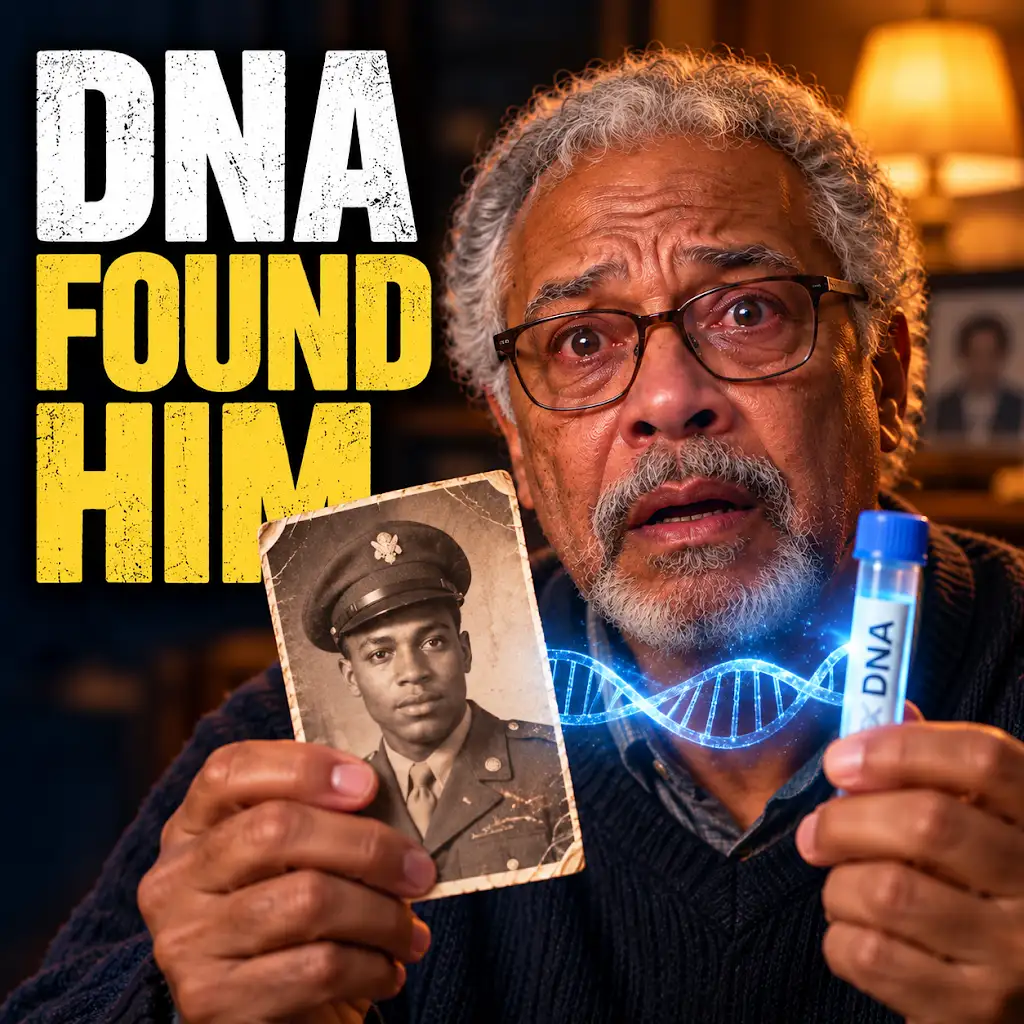
His WWII GI Father Was a Mystery for Nearly 80 Years
FAQs
What are WWII military genealogy records?
WWII military genealogy records are documents and information related to individuals who served in the military during World War II. These records can include service records, enlistment records, discharge papers, and other documents that provide details about a person’s military service during the war.
How can I access WWII military genealogy records?
WWII military genealogy records are typically held by government agencies, archives, and military organizations. These records can often be accessed online through websites such as the National Archives and Records Administration (NARA) or through military genealogy websites and databases.
What information can be found in WWII military genealogy records?
WWII military genealogy records can contain a variety of information about an individual’s military service, including their rank, unit, dates of service, battles or campaigns they participated in, awards and decorations received, and any injuries or casualties suffered during the war.
Are WWII military genealogy records publicly available?
Many WWII military genealogy records are considered public records and can be accessed by the general public. However, some records may be restricted due to privacy laws or national security concerns. It is important to check with the specific organization or agency holding the records to determine their accessibility.
How can WWII military genealogy records help with family history research?
WWII military genealogy records can provide valuable insights into a family member’s military service during the war, helping to piece together their wartime experiences and contributions. These records can also help to uncover new information about a family member’s life and connections to historical events during World War II.