The seemingly ordinary tapestry of a family tree can, upon closer inspection, reveal threads of the unexpected, the unknown, and sometimes, the deliberately concealed. For generations, families have passed down stories, anecdotes, and genealogies, often presented as immutable truths. However, the advent of accessible DNA testing has introduced a powerful new lens through which to examine these narratives, capable of unearthing secrets that have remained buried for decades, even centuries. This revolution in personal ancestry research is not merely about identifying distant cousins; it’s about rewriting personal histories, challenging long-held assumptions, and understanding the complex origins that shape our identities. The ability to trace genetic lineage with such precision has empowered individuals to move beyond oral traditions and fragmented records, offering a tangible, biological confirmation – or refutation – of what they believed to be true about their heritage. This exploration is often an emotional journey, fraught with surprise, confusion, and ultimately, a deeper connection to one’s past.
The Dawn of Genetic Genealogy
The concept of tracing lineage through blood has always existed, but it was largely confined to the realm of academic study or extensive, time-consuming archival research. For the average person, building a detailed family tree was a painstaking process, often relying on marriage certificates, census data, and the fading memories of elders. The introduction of direct-to-consumer DNA testing services in the early 2000s marked a seismic shift in this landscape. Initially viewed by some with skepticism, these services offered a relatively simple way to access one’s genetic blueprint. Companies like AncestryDNA, 23andMe, and MyHeritage began to amass vast databases of genetic information, connecting individuals not only to their ethnic origins but also to a growing network of relatives who had also submitted their DNA. This accessibility democratized genealogical research, bringing the power of scientific inquiry into the living rooms of millions. The initial allure was often the promise of discovering lost relatives or confirming ancestral homelands. Few anticipated the profound implications for uncovering hidden family secrets. The technology itself, based on analyzing specific markers in DNA (autosomal DNA being the most common for paternal and maternal ancestry), provided a novel method of verification. Unlike historical documents, which can be misinterpreted, lost, or deliberately altered, DNA offers a biological truth, a direct link to one’s ancestors. This inherent objectivity became the bedrock upon which countless family histories would be re-examined. The rapid advancement in gene sequencing and data analysis has made these tests more accurate and affordable over time, further accelerating their adoption and, consequently, the unveiling of long-dormant secrets.
From Curiosity to Revelation: Early Adopters and Their Stories
The early adopters of DNA testing were often driven by a simple curiosity about their ethnic makeup or a desire to connect with distant family branches. Many were content with discovering they were X% Irish or Y% Italian. However, it wasn’t long before the networks created by these services began to reveal more significant connections. Stories began to emerge of individuals finding half-siblings they never knew existed, or discovering that their presumed parentage was, in fact, incorrect. These initial revelations, while often emotionally charged, demonstrated the latent power of genetic genealogy. A woman who had always been told she was solely of English descent, for instance, might discover a significant portion of Native American ancestry, prompting a complete reevaluation of her family’s oral history. Similarly, men researching their paternal lines through Y-DNA testing might find an unexpected link to a completely different surname than their own, hinting at a hidden adoption or an unknown paternal ancestor. These personal narratives, shared through forums, blogs, and media, began to build a collective understanding of the potential for DNA to unearth deeply personal truths. The scientific rigor behind the testing, combined with the sheer volume of data, made these findings increasingly difficult to dismiss. The narrative began to shift from “What are my ethnic percentages?” to “Who are these people in my DNA matches, and why have I never heard of them?” This pivot marked the true beginning of uncovering family secrets through genetic genealogy.
The Technology Behind the Unveiling
At its core, DNA testing for genealogy relies on analyzing specific regions of an individual’s DNA. Autosomal DNA, which is inherited from both parents, is the most commonly used for general ancestry. This type of DNA is tested by comparing snippets of an individual’s genetic code with reference populations representing different ethnic groups. The more matches an individual has to a particular reference population, the higher the percentage of that ethnicity they are likely to have. However, the true power for uncovering secrets lies in the matching feature. When two individuals share a significant amount of DNA, it’s highly probable they are related. The amount of shared DNA can help estimate the relationship – the more DNA shared, the closer the biological relationship. This is where the genealogical detective work truly begins. Algorithms within the DNA testing companies’ platforms analyze these shared DNA segments, comparing them to vast databases. When a user receives a match with someone they don’t recognize, it triggers an investigation. The process often involves comparing family trees, looking for common ancestors, and cross-referencing information with historical records. This is where the “secret” aspect comes into play. If a DNA match reveals a close relative that an individual has never known, it strongly suggests that there was a reason this person was not part of the known family narrative. This could be due to adoption, a secret affair, a child born out of wedlock, or even a donor conception. The DNA provides the undeniable evidence of the biological connection, forcing a re-examination of the family’s past.
In exploring the fascinating ways DNA can uncover hidden family histories, a related article titled “The Surprising Secrets of Your Ancestry” delves into how genetic testing can reveal unexpected connections and heritage. This article provides insights into the science behind DNA analysis and shares personal stories of individuals who discovered long-lost relatives through genetic testing. For more information, you can read the article here: The Surprising Secrets of Your Ancestry.
Navigating the Emotional Minefield
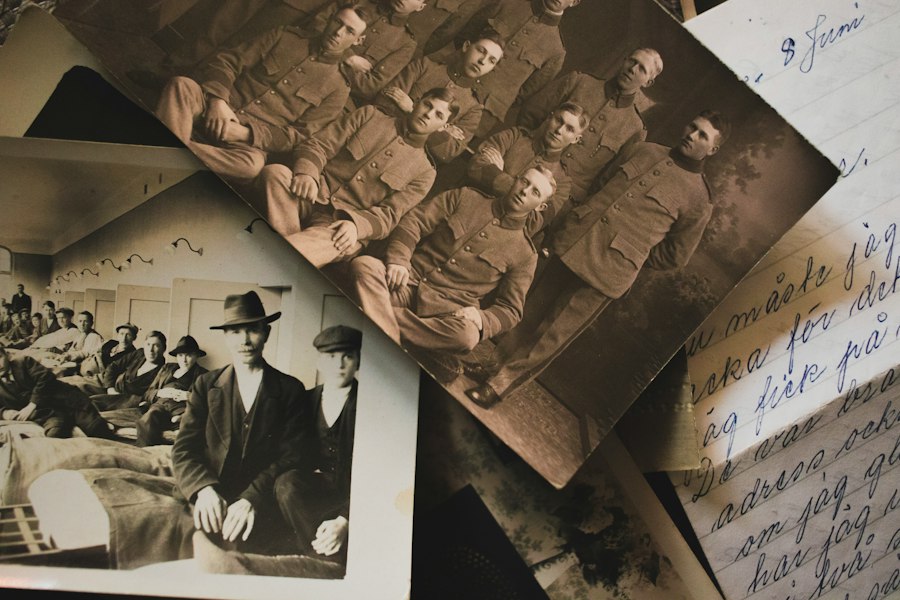
The journey of uncovering family secrets through DNA is rarely a simple, purely academic pursuit. It is, by its very nature, an emotional rollercoaster. The revelations can range from the heartwarming to the devastating, impacting not just the individual undertaking the research but also their immediate family and even extended relatives. The human element is paramount, and understanding the emotional implications is as crucial as understanding the genetic data. It requires a delicate approach, empathy, and a willingness to confront potentially uncomfortable truths. The act of sharing such deeply personal information, especially when it challenges established family narratives, must be handled with extreme care and sensitivity. For many, the desire to know is a powerful motivator, but the consequences of that knowledge can be profound, reshaping identities and relationships.
The Shock of Unexpected Kin
The most common and often most startling revelation from DNA testing is the discovery of unexpected kin. This can manifest in various forms. A person might discover they have half-siblings from parents they never knew about. They might learn of an entirely unknown paternal or maternal line, suggesting a parent was not who they believed them to be. For adoptees, DNA testing can be a lifeline, offering the chance to connect with biological parents or siblings, and to finally understand their origins. The emotional impact of these discoveries is multifaceted. There can be joy and relief at finding lost family, but also confusion, anger, or sadness, particularly if the reason for the secrecy is revealed to be a betrayal or a difficult circumstance. The “shock of unexpected kin” often forces individuals to confront the fact that their understanding of their family history was incomplete, or perhaps deliberately misleading. The biological truth, revealed by the DNA, can be jarring, challenging their sense of self and their place within their known family structure.
Reconciling Present Identity with Past Realities
One of the most significant challenges when uncovering family secrets is the reconciliation of one’s present identity with the newly revealed past realities. For years, individuals have built their sense of self based on a particular understanding of their heritage, their family’s narrative, and their perceived biological lineage. When DNA testing introduces contradictory information, it can lead to a crisis of identity. A person who has always identified strongly with a specific cultural heritage might discover that a significant portion of their ancestry lies elsewhere. Someone who believed they knew all their living relatives might find themselves with a whole new set of aunts, uncles, and cousins. This reconciliation process often involves a period of introspection, questioning long-held beliefs, and potentially re-evaluating one’s connection to their family. It’s not uncommon for individuals to experience a sense of grief for the “lost” or “unreal” family they thought they had, even as they embrace the new discoveries. The process can be particularly complex when it involves challenging the narratives passed down by parents or grandparents, who may have had their own reasons for keeping secrets. Ultimately, reconciling the past with the present often leads to a more nuanced and comprehensive understanding of who they are.
The Ethics of Disclosure and Family Harmony
The act of uncovering family secrets through DNA testing also raises significant ethical considerations, particularly around disclosure. Once a secret is unearthed, the question becomes: who should be told, and how? The desire to share information can be strong, driven by a need for completeness and honesty. However, revealing information that challenges established family narratives can cause considerable distress, conflict, and even shatter relationships. It is crucial to approach disclosure with empathy, discretion, and a deep understanding of the potential impact on all involved. Some secrets, while biologically true, may have been kept for valid reasons, perhaps to protect individuals from pain or social stigma. The decision to disclose should be carefully considered, weighing the potential benefits of honesty against the risk of causing harm. Family harmony is a delicate balance, and the introduction of previously unknown family members or the revelation of extramarital affairs can be deeply disruptive. Ethical considerations also extend to respecting the privacy of DNA matches. While the testing companies provide information, individuals must still navigate the complexities of contacting and interacting with newfound relatives responsibly and respectfully.
The Detective Work Beyond the Results

While DNA testing provides the initial clue, the real work of uncovering family secrets often lies in the detective work that follows. The genetic results are a starting point, a breadcrumb trail leading into the labyrinth of family history. It requires combining the scientific evidence with traditional genealogical research methods, historical context, and a healthy dose of intuition. This meticulous process involves sifting through documents, connecting with living relatives, and piecing together fragmented narratives to build a comprehensive picture of what the DNA has revealed. It is a process that demands patience, persistence, and a willingness to delve into the past with a critical eye.
Cross-Referencing with Traditional Genealogy
The most effective way to validate and understand DNA matches is to cross-reference them with traditional genealogical research. This involves utilizing historical records such as census data, birth and death certificates, marriage licenses, obituaries, wills, land records, and even old newspaper articles. When a DNA match points to a potential relative, the next step is to try and find evidence of that person in historical documents. This might involve searching for their name, approximate birth year, and known locations. Building a family tree for the DNA match and comparing it to one’s own tree can often reveal common ancestors, thereby confirming the biological link. This process can be particularly challenging if the secret involves an adoption or an unknown parent, as the name on official documents might be different from the biological parent’s name. However, the consistency between DNA matches and documented genealogical links provides powerful validation and allows for the construction of a more complete and accurate family history. It is through this painstaking intersection of genetic data and historical fact that the true story begins to emerge.
The Importance of Genealogy’s Paper Trail
The “paper trail” of genealogy remains an indispensable tool in the age of DNA. While DNA can tell you who you might be related to, historical documents can tell you how and why. Census records can reveal family structures at specific points in time, offering clues about who was living together and their relationships. Marriage certificates can confirm lineage and introduce new surnames. Birth and death records often provide parental information. Even seemingly mundane documents like property deeds or probate records can shed light on familial connections and inheritances. For instance, if DNA reveals a distant relative from a specific region, a search of historical records in that area might uncover a branch of the family that was previously unknown. Conversely, a discovered historical document mentioning an individual who also appears as a close DNA match can provide the missing piece of the puzzle, solidifying the connection and offering a narrative to the biological link. The paper trail provides the context and the historical narrative that DNA, by itself, cannot. It allows individuals to move from simply knowing they are related to understanding the lives and circumstances of their ancestors, including those who may have been deliberately erased from the family history.
Collaborative Investigations and Online Communities
The journey of uncovering family secrets is often not a solitary one. Online communities and collaborative genealogical platforms have become invaluable resources. Websites like Ancestry.com, MyHeritage, and Findmypast offer not only DNA testing but also extensive databases of historical records and forums where users can connect with other researchers. These platforms facilitate the sharing of family trees, the exchange of information, and the collective effort to solve genealogical mysteries. When an individual encounters a puzzling DNA match, they can reach out to the match through the platform, or post their query on a relevant forum. Often, other researchers, even those not directly related, possess valuable knowledge or resources that can aid in the investigation. Experienced genealogists can offer advice on research strategies, identify obscure record types, or even interpret complex historical documents. Furthermore, these online communities foster a sense of camaraderie, as individuals share their successes and struggles, offering support and encouragement. The collaborative nature of genealogical research, amplified by the reach of the internet, has accelerated the pace at which family secrets are uncovered, transforming what was once a solitary pursuit into a shared endeavor.
The Profound Impact on Personal Identity
The repercussions of uncovering family secrets through DNA extend far beyond the mere acquisition of new names and dates. They delve deep into the very core of an individual’s personal identity, reshaping their understanding of themselves, their place in the world, and their connection to their heritage. This revelation can be both liberating and challenging, prompting a reevaluation of familial narratives and personal narratives alike. The knowledge gained can offer a profound sense of belonging or, conversely, a sense of displacement, as individuals grapple with the complexities of their origins.
Redefining Family Narratives
For many, family history is not just a collection of facts but a narrative that has been passed down through generations. These narratives often shape our understanding of our family’s values, struggles, and triumphs. When DNA testing reveals information that contradicts these established narratives, it necessitates a redefinition of what “family” truly means. A family history that prided itself on a singular ethnic origin might be forced to acknowledge a more diverse ancestral past. Stories of stoic resilience might be complicated by the discovery of ancestors who faced different kinds of challenges or made different choices. This redefinition is not always easy; it can involve confronting uncomfortable truths about ancestors, or acknowledging that certain family stories were embellished or even fabricated. However, embracing a more nuanced and comprehensive family narrative can ultimately lead to a richer and more authentic understanding of one’s heritage. It allows for the integration of all ancestral threads, acknowledging both the celebrated and the hidden aspects of one’s lineage.
The Power of Knowing and the Burden of Secrecy
The “power of knowing” is a significant motivator for many embarking on DNA ancestry research. The desire to understand one’s origins, to connect with lost relatives, and to fill in the blanks of their family tree can be an incredibly compelling force. For individuals who have always felt a sense of “otherness” or who have unanswered questions about their parentage, DNA testing can provide a profound sense of resolution and belonging. However, this quest for knowledge can also bring with it the “burden of secrecy,” particularly if the secrets revealed are sensitive or have been deliberately concealed. The weight of knowing a truth that others might wish remained hidden can be isolating. It can also create difficult ethical dilemmas, as previously mentioned, regarding disclosure. The challenge lies in navigating this duality – embracing the liberation that comes with knowledge while acknowledging the potential complexities and responsibilities that accompany it. For some, the knowledge gained can be empowering, allowing them to reclaim a lost part of their identity. For others, it might be a lifelong process of integration and acceptance.
Embracing a More Complete Self
Ultimately, the journey of uncovering family secrets through DNA testing often culminates in a more complete and nuanced understanding of the self. By acknowledging and integrating all aspects of one’s ancestry, both the known and the unknown, individuals can develop a richer and more authentic sense of identity. This process of self-discovery can lead to a greater appreciation for the complexities of human history, the resilience of past generations, and the interconnectedness of all individuals. It encourages a perspective that moves beyond simplistic labels and embraces the multifaceted nature of heritage. The secrets unearthed, once processed and understood, can become not sources of shame or confusion, but rather integral parts of one’s unique story, contributing to a more profound and accepting self-awareness. This journey, while often challenging, ultimately allows individuals to embrace a more complete and integrated version of themselves.
Exploring the fascinating world of genetics can uncover surprising connections to our ancestry, as highlighted in a related article on the impact of genetic testing on family history. This piece delves into how DNA analysis can reveal hidden relationships and untold stories from the past, enriching our understanding of who we are. For those interested in learning more about this topic, you can read the full article here: DNA and Family History.
Looking Forward: The Evolving Landscape of Genetic Discovery
| Metric | Description | Example Data |
|---|---|---|
| Number of Genetic Markers Analyzed | Total count of DNA markers used to trace ancestry | 700,000 SNPs |
| Percentage of Unknown Ancestry Revealed | Proportion of previously unknown family origins identified | 35% |
| Number of New Relatives Discovered | Count of previously unknown family members identified through DNA matches | 12 |
| Generations Traced Back | Number of ancestral generations identified through DNA analysis | 5 generations |
| Ethnic Composition Breakdown | Percentage distribution of ethnic backgrounds found in DNA | European 60%, African 25%, Asian 10%, Native American 5% |
| Accuracy of Ancestry Estimates | Confidence level in the ancestry results provided | 95% |
As DNA testing technology continues to advance and its accessibility grows, the landscape of genetic discovery is constantly evolving. What was once a niche hobby is now a mainstream pursuit, reshaping not only individual family histories but also our broader understanding of human migration, population genetics, and the intricate tapestry of human relationships. The future promises even more sophisticated tools and greater insights, pushing the boundaries of what we can learn about our past and, by extension, ourselves. The ethical considerations will undoubtedly continue to be a vital part of this conversation, ensuring that this powerful technology is used responsibly and with empathy.
The Future of DNA Technology and Genealogy
The trajectory of DNA technology in genealogy is one of continuous innovation. We are likely to see even greater precision in ethnicity estimates, with finer breakdowns of geographic origins and the ability to identify more distant ancestral groups. Advancements in whole-genome sequencing may offer insights into traits, predispositions, and even health-related genetic markers, adding another layer of complexity to personal discovery. Furthermore, the integration of artificial intelligence and machine learning will undoubtedly enhance the ability of DNA testing platforms to analyze complex datasets, identify more distant relatives, and even predict potential relationships with a higher degree of accuracy. The development of more sophisticated tools for interpreting and visualizing genealogical data will make the process more intuitive and engaging for a wider audience. The sheer volume of data being collected globally is also a significant factor, creating ever-larger reference populations and increasing the probability of finding meaningful matches. The future of genetic genealogy is one of expanding possibilities, offering unprecedented access to our ancestral past.
Ethical Considerations in an Age of Big Data
The proliferation of genetic data brings with it a significant ethical responsibility. As more individuals participate in DNA testing, the potential for both profound discovery and unintended consequences grows. Robust data privacy policies and secure data management practices are paramount to protect individuals’ sensitive genetic information from misuse. Transparency about how genetic data is collected, stored, and used by companies is essential. Furthermore, the ethical implications of sharing genetic information, particularly when it might reveal sensitive family secrets, require ongoing dialogue and the development of best practices. The “right to be forgotten” in the context of genetic data is a complex issue that will likely be debated as the technology evolves. Ensuring that individuals have control over their genetic information and can make informed decisions about its use is crucial. The ethical framework surrounding genetic genealogy must adapt to the ever-increasing scale of data and the profound personal revelations it can bring.
The Ongoing Quest for Ancestral Truths
The human desire to understand our origins is a fundamental aspect of our existence. DNA testing has provided a powerful new avenue for this quest, transforming genealogical research from a specialized pursuit into an accessible and deeply personal journey for millions. As technology continues to advance, the ability to uncover ancestral truths will only become more refined and comprehensive. The secrets revealed, while sometimes challenging, ultimately contribute to a richer and more complete understanding of who we are. The ongoing quest for ancestral truths is not merely about uncovering the past; it is about forging a stronger connection to our present and shaping a more informed future, one family secret at a time. The journey of discovery is far from over, and the revelations yet to come promise to continue reshaping our understanding of family, identity, and our place in the grand tapestry of human history.
His WWII GI Father Was a Mystery for Nearly 80 Years
FAQs
What is DNA testing for family history?
DNA testing for family history involves analyzing an individual’s DNA to uncover information about their ancestry, genetic traits, and potential relatives.
How does DNA testing reveal hidden family history?
DNA testing can reveal hidden family history by comparing an individual’s DNA with databases of other individuals to identify genetic matches and potential relatives. This can uncover connections to ancestors and relatives that were previously unknown.
What can DNA testing reveal about family history?
DNA testing can reveal information about an individual’s ethnic background, geographic origins, migration patterns of their ancestors, and potential genetic health risks. It can also help identify unknown relatives and confirm or refute existing family relationships.
Is DNA testing for family history accurate?
DNA testing for family history is generally considered to be accurate, but the level of accuracy can vary depending on the testing method used and the quality of the DNA sample. Results may also be influenced by the size and diversity of the DNA database being compared.
How can DNA testing benefit genealogical research?
DNA testing can benefit genealogical research by providing additional evidence to support or refute traditional genealogical research findings. It can also help break through brick walls in family history research, uncover hidden relationships, and connect with distant relatives who may have valuable information about shared ancestors.