The Unfolding Mystery: How DNA Testing is Rewriting Family Trees
The concept of paternity, once primarily established through societal norms, legal presumptions, and sometimes stark denials, is undergoing a profound transformation. In an era increasingly defined by scientific advancement, the humble saliva swab and sophisticated genetic analysis are emerging as definitive arbiters of biological fatherhood. This article delves into the growing phenomenon of uncovering unknown fathers, exploring the motivations, the scientific underpinnings, and the deeply personal, often surprising, revelations that DNA testing is bringing to light. The journey from uncertainty to certainty, or even to the unexpected discovery of a previously unknown paternal lineage, is a powerful testament to the enduring human quest for identity and belonging. For many, the motivation stems from a simple yet profound desire to know their origins, to understand where they come from, and to fill a perceived void in their personal narrative. This is not merely about assigning a name or a legal obligation; it is about connecting with a part of themselves that has remained elusive, a genetic inheritance that shapes their very being.
The advent of affordable and accessible DNA testing has democratized the process of paternity confirmation. What was once a specialized and often expensive procedure, confined to legal disputes or medical investigations, is now within reach of individuals seeking answers for personal reasons. This accessibility has fueled a surge in home DNA testing kits, with companies marketing convenience and ease of use. Users simply collect a DNA sample, typically by swabbing the inside of their cheek, and mail it to a laboratory for analysis. The results, often delivered within weeks, provide a probability of paternity, ranging from near zero to over 99.99%. While the technology is robust, the emotional and social ramifications can be complex and far-reaching, impacting not just the individuals directly involved but also the broader family structures. The implications extend beyond the individual, often rippling through extended families, raising questions about lineage, inheritance, and long-held family secrets.
The Science Behind the Certainty
At its core, DNA paternity testing relies on the fundamental principles of genetics. Every individual inherits half of their DNA from their mother and half from their father. These DNA segments are organized into chromosomes, which carry the genetic code that determines a person’s traits. Paternity testing focuses on specific regions of DNA called Short Tandem Repeats (STRs). These regions contain short sequences of DNA that are repeated multiple times, and the number of repeats varies significantly between individuals. By comparing the STR profiles of the alleged father and the child, scientists can determine the likelihood of biological fatherhood.
Matching the Genetic Blueprint
The process begins with the collection of DNA samples. For a standard paternity test, buccal (cheek) swabs are most commonly used, as they are non-invasive and yield sufficient DNA. The laboratory then extracts the DNA from these samples. The next crucial step involves amplifying specific STR markers using a technique called Polymerase Chain Reaction (PCR). This allows for the creation of millions of copies of the targeted DNA segments, making them easier to analyze. After amplification, the STR fragments are separated based on their size using capillary electrophoresis. This separation generates a unique genetic profile for each individual, essentially a fingerprint of their STR markers.
The Analytical Interpretation
Once the genetic profiles are obtained, the comparison begins. A child inherits one allele (a specific version of a gene) for each STR marker from their mother and one from their father. Therefore, for each tested marker, at least half of the child’s alleles must match the alleged father’s alleles. If the alleged father is indeed the biological father, he will contribute one allele for each STR marker to the child. The laboratory analyzes a panel of at least 16 to 21 STR markers, ensuring a high degree of accuracy. The more markers that are analyzed, the lower the probability of a coincidental match due to unrelated individuals sharing the same STR variations.
Calculating the Probability
The statistical analysis is critical in determining paternity. A paternity index is calculated for each STR marker, representing the ratio of the probability of the child inheriting the marker from the alleged father versus the probability of inheriting it from a random unrelated man. These individual paternity indices are then multiplied together to produce a combined paternity index. This index is used to calculate the probability of paternity, expressed as a percentage. A probability of 99.99% or higher is typically considered conclusive evidence of paternity. Conversely, if a significant number of markers do not match, the probability of paternity will be very low, effectively excluding the alleged father. The scientific rigor of these processes ensures that the results are highly reliable, providing a level of certainty that was previously unimaginable.
In recent discussions about the advancements in genetic testing, a fascinating article titled “DNA Testing: Uncovering Unknown Fathers” highlights how DNA technology is transforming family dynamics and revealing previously unknown paternal connections. This article delves into the emotional and social implications of discovering unknown fathers through DNA testing, showcasing real-life stories and expert insights. For more information, you can read the full article here: DNA Testing: Uncovering Unknown Fathers.
The Emotional Landscape: Unraveling Personal Histories

Beyond the scientific precision lies a rich tapestry of human emotion. The decision to undergo DNA paternity testing, especially when seeking to identify an unknown father, is rarely a purely scientific one. It is often born from a deep-seated need for connection, resolution, or an answer to a lifelong question. For individuals raised without a father figure, or whose paternity has been uncertain, the test can represent a key to unlocking a missing piece of their identity. The anticipation leading up to the results can be a period of intense hope, anxiety, and even fear.
Seeking Answers and Closure
Many individuals who pursue paternity testing do so because they have grown up without knowing their biological father. This can be due to a parent’s death, divorce, or a situation where the father was absent from the beginning. The desire to understand their genetic heritage, to see if they share physical traits or predispositions with their father, or simply to have a name and a connection to that side of their family, is a powerful motivator. For some, it is also about closure – understanding the circumstances of their conception or the reasons for their father’s absence can bring a sense of peace. The uncertainty of not knowing can cast a long shadow, impacting relationships, self-esteem, and a sense of belonging.
The Role of Family Secrets
In some cases, the push for DNA testing arises from family secrets or unspoken histories. A mother might reveal on her deathbed that the man who raised a child is not their biological father, or siblings might discover through other relatives that their father is not who they believed him to be. These revelations can be profoundly destabilizing, forcing individuals to re-evaluate their entire family history. The desire to confirm or deny these whispered truths can be an overwhelming force, leading them to seek the definitive answer that DNA testing provides. The courage it takes to confront these potentially life-altering revelations is immense, and the journey is often fraught with emotional challenges.
The Ripple Effect of Revelation
The results of a DNA paternity test can have far-reaching consequences, extending beyond the immediate individuals involved. For the child, it can mean gaining a father figure, understanding new family branches, and potentially inheriting wealth or responsibilities. For the mother, it can bring relief, closure, or the need to navigate new family dynamics and potential legal or financial implications. For the alleged father, the news can be equally impactful, ranging from joyous recognition to shock, denial, or the unexpected burden of fatherhood.
Navigating New Relationships and Realities
The discovery of a biological father can be a joyous occasion, leading to the formation of new relationships and the expansion of family ties. However, it can also be a complex and challenging process. Old family structures may need to adapt, and new expectations need to be managed. Building a relationship from scratch, especially after years of absence, requires effort, understanding, and open communication from all parties. The legal and financial aspects, such as child support or inheritance, can also become significant considerations, requiring careful navigation and often professional guidance. The integration of new family members into existing dynamics is a delicate dance, and the success of these new relationships often hinges on empathy and a willingness to adapt.
Beyond the Biological Bond: Social and Legal Implications
While DNA testing provides the definitive answer to biological paternity, the journey does not end with the scientific report. The social and legal implications of these discoveries are often as significant as the genetic ones. Establishing legal paternity can have profound effects on child custody, support, inheritance, and familial rights and responsibilities. The legal framework surrounding paternity varies by jurisdiction, but the scientific evidence provided by DNA testing is widely accepted in courts of law.
Recent advancements in DNA testing have opened new avenues for individuals seeking to uncover the identities of unknown fathers. A fascinating article on this topic can be found at In the War Room, where it explores how genetic testing is reshaping family dynamics and revealing hidden connections. As more people turn to these innovative methods, the potential for discovering long-lost relatives becomes increasingly accessible, leading to emotional reunions and new family stories.
Establishing Legal Paternity and Its Ramifications
In many legal systems, the husband of the mother is presumed to be the father of a child born during the marriage. However
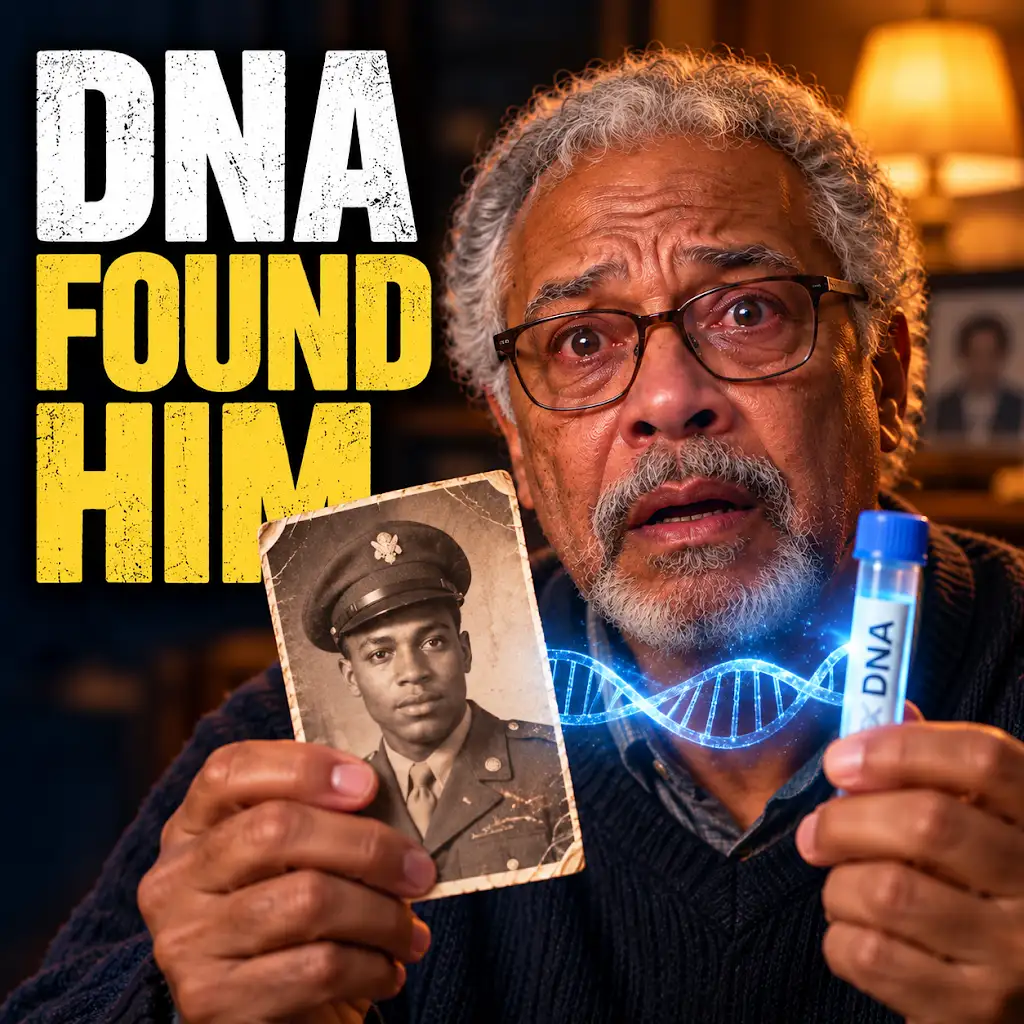
His WWII GI Father Was a Mystery for Nearly 80 Years
FAQs
What is DNA testing for finding unknown fathers?
DNA testing for finding unknown fathers is a process where genetic testing is used to determine the biological relationship between a child and a potential father. This testing can provide conclusive evidence of paternity.
How does DNA testing work for finding unknown fathers?
DNA testing for finding unknown fathers typically involves collecting DNA samples from the child and the potential father. These samples are then analyzed to identify genetic markers that are passed down from parent to child. By comparing these markers, a paternity test can determine the likelihood of a biological relationship.
Is DNA testing for finding unknown fathers accurate?
DNA testing for finding unknown fathers is highly accurate, with a probability of paternity typically exceeding 99.9% when the alleged father is the biological father. However, it is important to ensure that the testing is conducted by a reputable and accredited laboratory to ensure accurate results.
Can DNA testing be used to find unknown fathers without their consent?
In most cases, DNA testing for finding unknown fathers requires the consent of all parties involved, including the child and the potential father. Without consent, it may be challenging to obtain DNA samples for testing. However, in some legal situations, such as child support or custody cases, a court order may be obtained to compel DNA testing.
What are the implications of DNA testing for finding unknown fathers?
DNA testing for finding unknown fathers can have significant implications for all parties involved. It can provide clarity and closure regarding paternity, establish legal rights and responsibilities, and impact relationships within families. It is important to consider the emotional and legal consequences before pursuing DNA testing for finding unknown fathers.