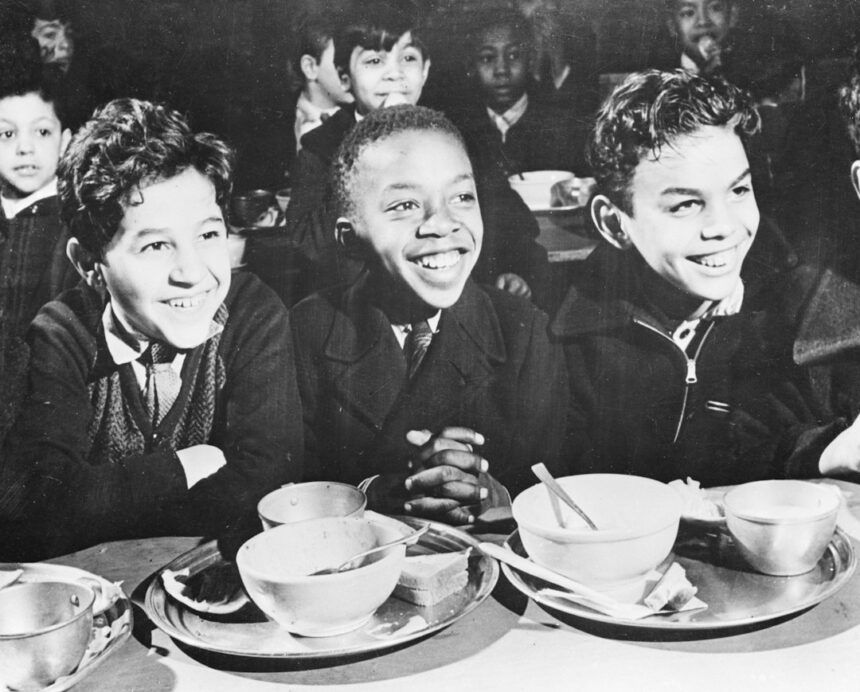
The echoes of World War II reverberated far beyond the battlefields and geopolitical shifts. They also settled, often quietly, within the intimate spaces of families, leaving behind a unique legacy: children born to relationships that crossed the rigid lines of race and nationality. These “mixed-race children of WWII” found themselves navigating identities forged in the crucible of conflict, a world that often viewed them with suspicion, curiosity, or outright prejudice. Their stories are a testament to resilience, adaptation, and the complex, often painful, process of forging a sense of self in the shadow of war.
The Unforeseen Consequences of Occupation and Alliance
The global conflagration of World War II saw millions of soldiers stationed in foreign lands, far from home. In occupied territories or among allied forces, these soldiers formed relationships with local women. These unions, born of proximity, shared experiences, or genuine affection, often defied the prevailing social norms and racial divides of the time. The outcome was a generation of children who embodied the intersecting cultures and races of their parents, a living embodiment of the war’s pervasive reach into personal lives.
Proximity and Partnership: The Genesis of New Generations
Across Europe and Asia, Allied soldiers, particularly American, British, and Australian forces, found themselves interacting with local populations. In countries like Britain, while the majority of children were born to married couples, a significant number arose from wartime relationships. In occupied Germany, American servicemen fathered children with German women. Similarly, in the Pacific, interactions between Allied soldiers and women in countries like Japan and the Philippines led to the birth of children with mixed heritage. These relationships were diverse, ranging from brief encounters to long-lasting partnerships, and the circumstances surrounding their formation were equally varied. Some were born out of love and commitment, while others were the unfortunate result of wartime exploitation. Regardless of the genesis, these children became a visible, tangible consequence of the war’s disruption of established social structures.
Cultural Exchange and Interracial Bonds
These relationships, however unconventional by the standards of the era, represented a form of profound cultural exchange. Soldiers brought their own customs, languages, and worldviews, while local women introduced them to their own traditions and ways of life. The children born from these unions were often privy to this dual immersion from birth, learning elements of both their parents’ cultures. This early exposure, while potentially enriching, also laid the groundwork for future identity struggles. They were, by definition, straddling two worlds, belonging fully to neither in the eyes of a society often deeply entrenched in racial and nationalistic ideologies. The very existence of these children challenged existing notions of racial purity and national identity, creating a subtle but significant undercurrent of social change, even if it was not immediately recognized or embraced.
During World War II, the experiences of mixed-race children were often overlooked, yet they faced unique challenges and societal pressures. For a deeper understanding of this topic, you can explore the article titled “The Untold Stories of Mixed-Race Children During WWII” on In The War Room, which sheds light on the lives and struggles of these children during a tumultuous time in history. To read more, visit this link.
The Double Bind: Belonging and Otherness
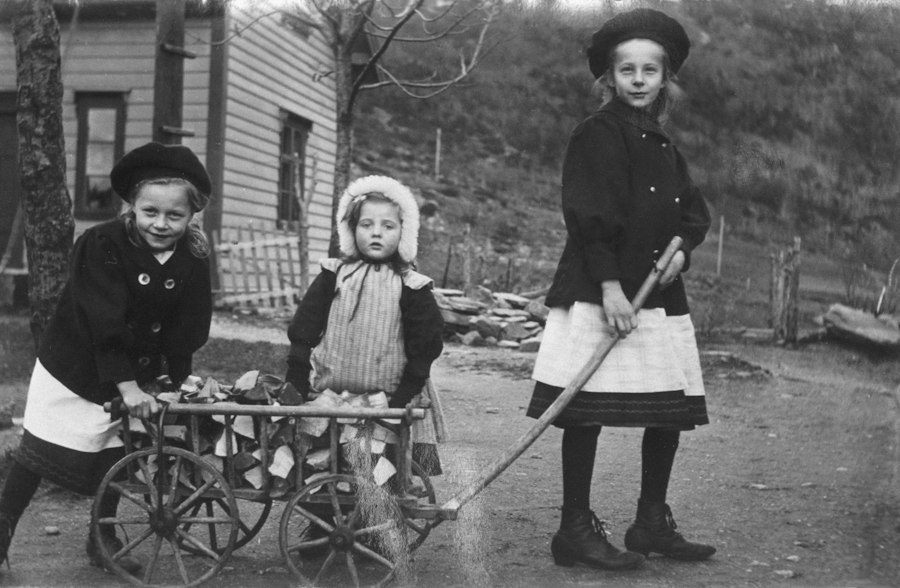
For these mixed-race children, the post-war period was not always a return to normalcy. Instead, they often found themselves caught between worlds, facing prejudice from both sides of their heritage. Their identities were frequently questioned, and their right to belong was often challenged.
Navigating the Landscape of Prejudice: Europe’s “Racial Ambiguities”
In Europe, particularly in Germany, children born to German mothers and African American soldiers faced particularly harsh scrutiny. The Nazi ideology, though defeated, left a lingering stain of racism. These children, often referred to as “Rhineland Bastards” during the Nazi era and continuing to be stigmatized in the post-war period, were a visible reminder of the war and its perceived “defilement” of the Aryan race. They were frequently subjected to discrimination in schools, employment, and social interactions. The German society, grappling with its past, was not always welcoming to those who embodied its recent history in such a direct way. Their mixed heritage made them targets of suspicion and exclusion, perpetuating a sense of otherness. Similarly, children with Asian heritage born to European mothers and Asian fathers, or vice versa, often faced similar forms of prejudice.
The American Experience: A Spectrum of Acceptance and Rejection
In the United States, the situation was complex. While the nation had fought against fascism, it was still a deeply segregated society. Children born to white American soldiers and non-white women in countries like Japan or the Philippines often found themselves in a precarious position upon arrival in America. If they were of Black and white heritage, they were likely to face the full force of Jim Crow laws and racial segregation. Their physical appearance often dictated how they were treated, regardless of their American citizenship. Children of Japanese or Filipino descent, for instance, might be perceived as foreigners even if their fathers were American servicemen. This meant that their identity was not solely defined by their parentage but by the color of their skin and the prevailing racial hierarchies of the time. The American Dream, for many of these children, was a dream deferred, its promise of equality not universally applied.
Identity Formation in the Absence of a Clear Blueprint
The absence of a clear societal blueprint for their existence made identity formation a deeply personal and often challenging journey. Without role models or established communities that mirrored their mixed heritage, these children had to forge their own paths. They had to reconcile their dual parentage, navigate the conflicting expectations of different cultures, and resist the pressures to conform to a singular, often exclusionary, identity. This often involved a constant process of negotiation, adapting their presentation of self depending on the social context and the individuals they encountered. The internal struggle to define “who am I?” was a continuous one, shaped by external perceptions and internal yearnings for acceptance and belonging.
The Search for Kin and Connection
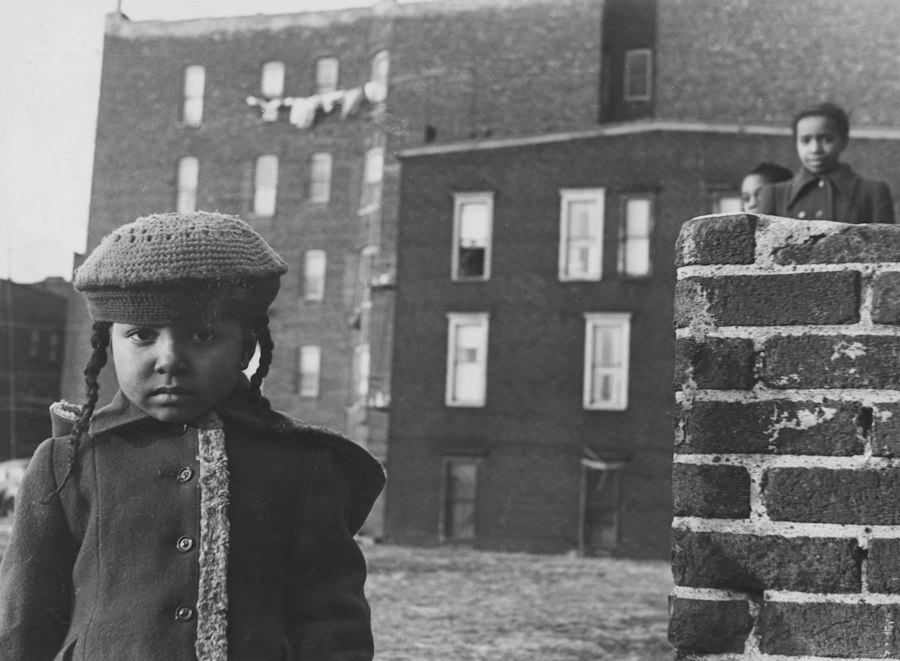
For many of these children, the post-war years were marked by a yearning for understanding and connection with the parent they may have never known or had limited contact with. This search often involved overcoming geographical distances, societal barriers, and the passage of time.
Reconnecting with Absent Fathers and Families
The desire to understand their paternal heritage often spurred long and arduous searches for absent fathers or their extended families. This was particularly true for children whose fathers returned to their home countries without them, or who were unaware of their existence. Through letters, intermediaries, and later, the advent of DNA testing, individuals embarked on journeys to find fathers, siblings, and grandparents they had only heard about or imagined. These reunions, when they occurred, were often emotionally charged, filled with a mixture of joy, relief, and sometimes, the painful realization of missed opportunities and unanswered questions. The legal and social frameworks for acknowledging mixed-race children were often underdeveloped, making such searches even more challenging.
The Influence of Mothers and Local Communities
While the search for paternal connection was significant, the influence of mothers and the local communities in which these children were raised cannot be overstated. These mothers, often facing significant social stigma and economic hardship, played a crucial role in nurturing their children and instilling in them a sense of self-worth. The support networks, however informal, that formed within these communities also provided a vital sense of belonging. In some instances, these communities became surrogate families, offering solace and understanding to children who might otherwise have felt completely isolated. The resilience of these mothers in raising children in challenging circumstances is a central, often overlooked, aspect of this history.
The “Amerasian” Experience: A Case Study
The term “Amerasian,” specifically applied to children born to American servicemen and Asian women, particularly in Korea and Vietnam, highlights the unique challenges faced by this demographic. These children were often left orphaned or abandoned by fathers who had no legal obligation to acknowledge them. Their mixed heritage, coupled with the post-war geopolitical landscape, made them highly vulnerable. Many faced discrimination in their birth countries and struggled to gain entry into the United States, despite their paternal lineage. Their stories often involved navigating complex immigration laws and enduring prolonged periods of uncertainty about their future. The “Amerasian Homecoming Act” of 1987 was a landmark piece of legislation that aimed to address some of these injustices, offering a path to immigration for many who had previously been denied it.
Forging New Narratives and Finding Belonging
Despite the adversities, many mixed-race children of WWII refused to be defined solely by their heritage or the circumstances of their birth. They actively worked to construct their own identities, carving out spaces where their dual heritages were not a source of shame but a point of pride.
Embracing the Hybridity of Identity
Many individuals learned to embrace the hybridity of their identities, recognizing that their mixed heritage offered a unique perspective on the world. They could act as cultural bridges, possessing an understanding and appreciation for different traditions and ways of life. This led to a conscious effort to integrate their various cultural influences into their personal identities, rather than feeling compelled to choose one over the other. This process often involved a conscious rejection of the binary thinking that dominated much of the post-war world. Their identities became complex tapestries, woven from the threads of multiple cultures, languages, and experiences.
The Power of Community and Shared Experience
The formation of communities, both formal and informal, played a vital role in helping these individuals find a sense of belonging. As awareness of their shared experiences grew, individuals began to connect with others who had similar backgrounds. These connections provided a space for validation, mutual support, and the sharing of stories and strategies for navigating a world that often misunderstood them. Websites, support groups, and reunions became crucial platforms for fostering a sense of collective identity and shared purpose. These communities offered a powerful antidote to the isolation that many had experienced for so long.
The Legacy of Resilience and Contribution
The legacy of the mixed-race children of WWII is one of remarkable resilience and significant contribution. Despite facing systemic discrimination and personal hardship, they persevered, building successful lives and careers in various fields. They enriched their societies through their unique perspectives, cultural insights, and unwavering determination. Their stories serve as a powerful reminder of the human cost of war, not just on the battlefield, but in the intimate lives of individuals and families. They highlight the importance of understanding, acceptance, and the ongoing struggle for equality in a world still grappling with its own complex histories of race and identity.
The experiences of mixed race children born during WWII are often overlooked, yet they reveal significant insights into the complexities of identity and societal attitudes during that tumultuous period. For a deeper understanding of this topic, you can explore a related article that discusses the challenges faced by these children and their families. The article highlights personal stories and historical contexts that shaped their lives. To read more about this fascinating subject, visit this article.
Looking Back and Moving Forward: Understanding and Reconciliation
| Country | Estimated Number of Mixed Race Children | Common Mixed Race Backgrounds | Social Challenges Faced | Post-War Support Programs |
|---|---|---|---|---|
| United States | Approximately 20,000 | African American and European American | Racial discrimination, segregation, identity struggles | Limited; some community support groups |
| Japan | Approximately 10,000 | Japanese and Allied soldiers (mainly American) | Social stigma, discrimination, abandonment | Government and NGO aid programs post-1950s |
| Germany | Approximately 5,000 | German and Allied soldiers (mainly African American) | Social ostracism, identity issues | Some welfare programs in later decades |
| Philippines | Approximately 15,000 | Filipino and American soldiers | Discrimination, poverty, family separation | Charity and adoption programs |
The stories of these children are not merely historical footnotes; they are vital narratives that continue to shape our understanding of identity, belonging, and the enduring impact of global conflict. Recognizing and acknowledging their experiences is crucial for fostering a more inclusive and equitable future.
The Importance of Historical Documentation and Education
Ensuring that the stories of these mixed-race children are documented and shared is paramount. Educational institutions and historical organizations have a responsibility to incorporate these narratives into their curricula, providing a more comprehensive and nuanced understanding of the war’s impact. By learning about their struggles and triumphs, future generations can develop greater empathy and a deeper appreciation for the complexities of human experience. This includes actively seeking out primary sources, oral histories, and the personal accounts of individuals who lived through these challenges.
Challenges and Opportunities for Ongoing Reconciliation
The legacy of WWII and the experiences of its mixed-race children continue to present opportunities for ongoing reconciliation and understanding. This involves acknowledging past injustices, fostering dialogue between different communities, and actively working to dismantle lingering prejudices. The personal journeys of these individuals offer valuable lessons for contemporary society, reminding us of the importance of inclusivity, empathy, and the ongoing pursuit of a world where everyone feels a sense of belonging. The process of reconciliation is not a singular event but an ongoing commitment, requiring continuous effort and open dialogue.
A Future Built on Acceptance and Shared Humanity
Ultimately, the stories of the mixed-race children of World War II are a powerful testament to the enduring strength of the human spirit and the universal desire for acceptance and connection. By learning from their experiences, we can move towards a future that embraces diversity, celebrates shared humanity, and ensures that no child is ever again made to feel like an outsider due to the circumstances of their birth. Their lives, woven from threads of conflict and resilience, offer a profound and lasting message of hope and the possibility of healing, even in the wake of profound global trauma. They are a reminder that the bonds of family and identity can transcend borders and prejudices, forging a more inclusive and compassionate world.
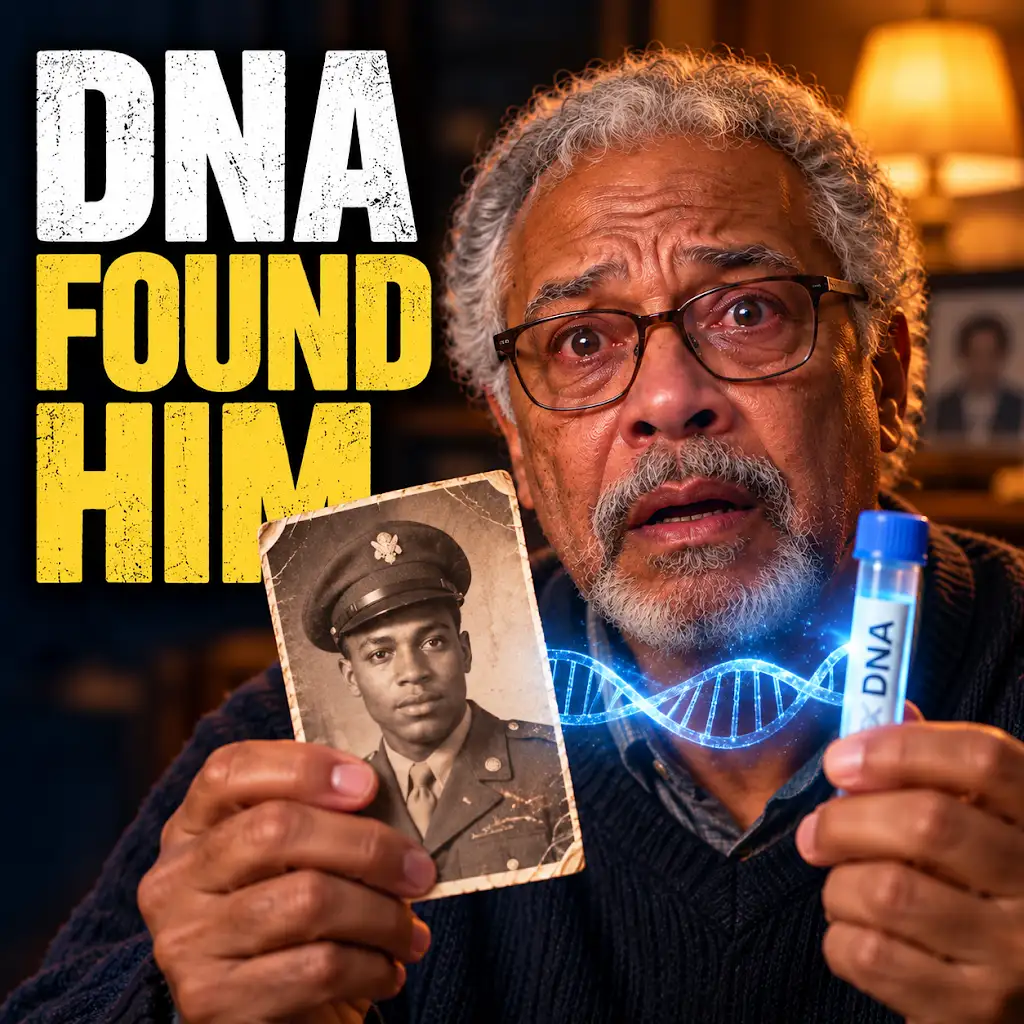
His WWII GI Father Was a Mystery for Nearly 80 Years
FAQs
1. What is the definition of mixed race children born during WWII?
Mixed race children born during WWII are individuals who were born to parents of different racial backgrounds during the time period of World War II, which lasted from 1939 to 1945.
2. How were mixed race children born during WWII treated by society?
Mixed race children born during WWII often faced discrimination and prejudice due to their mixed heritage. They were sometimes marginalized and faced challenges in terms of acceptance and integration into society.
3. Were there specific challenges faced by mixed race children born during WWII?
Yes, mixed race children born during WWII faced unique challenges such as identity struggles, discrimination, and sometimes being separated from their families due to societal norms and policies at the time.
4. How did the experiences of mixed race children born during WWII impact their lives?
The experiences of mixed race children born during WWII had a lasting impact on their lives, influencing their sense of identity, relationships, and opportunities. Many struggled with issues related to belonging and acceptance.
5. What efforts have been made to acknowledge and support mixed race children born during WWII?
In recent years, there have been efforts to acknowledge and support mixed race children born during WWII, including initiatives to document their stories, provide resources for research and education, and promote awareness of their experiences.