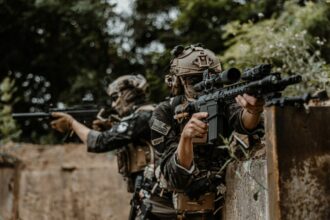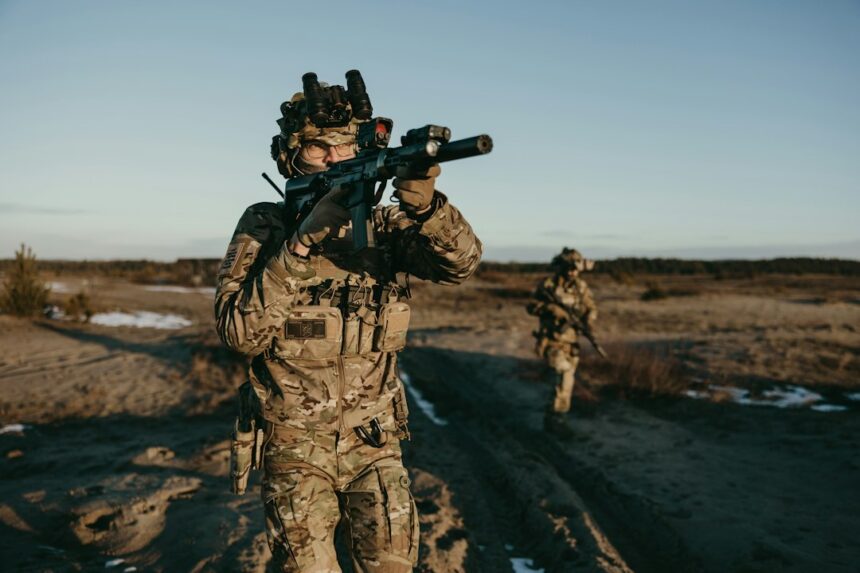
The whispers of DEVGRU, the United States Navy’s premier counter-terrorism unit, evoke images of audacious raids and covert operations against the world’s most dangerous adversaries. Yet, beneath the veneer of brute force and unparalleled skill lies a meticulous, multi-layered selection process that dictates which missions these elite operators undertake. This is not a process driven by impulse or opportunity, but by a rigorous evaluation of threats, capabilities, and strategic imperatives. The selection of a DEVGRU mission is a complex dance between intelligence, diplomacy, and military necessity, a sophisticated mechanism designed to ensure that every operator deployed is doing so for the most critical reasons and with the highest probability of success.
The journey from identifying a potential threat to the execution of a DEVGRU operation is a testament to the intricate workings of national security apparatus. It begins long before a mission brief is even drafted, rooted in the continuous flow of intelligence and the strategic objectives of the United States. The selection process is not monolithic; it adapts and evolves based on the geopolitical landscape, the nature of the threat, and the resources available. However, a core set of principles and procedures underpins every decision, ensuring that DEVGRU remains a highly specialized and effective instrument of national policy.
The Genesis of a Mission: Intelligence as the Bedrock
The foundation of any DEVGRU mission lies in the raw, often fragmented, intelligence gathered from a multitude of sources. This intelligence is the lifeblood of the unit, dictating the targets, the operational environment, and the very necessity of deploying such a high-stakes force. Without comprehensive and actionable intelligence, the decision to commit DEVGRU operators would be akin to navigating a minefield blindfolded.
HUMINT: The Human Element in Intelligence Gathering
Human Intelligence (HUMINT) plays a crucial role in shaping the understanding of potential threats. Informants, defectors, and embedded assets within hostile organizations provide invaluable insights into the leadership, plans, and vulnerabilities of terrorist groups, rogue states, or other adversaries. These sources, cultivated through painstaking effort and often at significant personal risk, offer a nuanced perspective that cannot be replicated by technical means alone. The information gleaned from HUMINT can range from details about an impending attack to the precise location of high-value targets, forming the qualitative backbone of intelligence assessments.
SIGINT: The Digital Footprint of Adversaries
Signals Intelligence (SIGINT) complements HUMINT by intercepting and analyzing electronic communications. This includes the vast array of data from intercepted phone calls, encrypted messages, radio transmissions, and network traffic. Specialized units within the intelligence community painstakingly decrypt, translate, and analyze this digital deluge, searching for patterns, keywords, and anomalies that signal hostile intent or operational activity. The timely analysis of SIGINT can provide early warning of threats, allowing for the proactive assessment of potential DEVGRU involvement.
GEOINT: Understanding the Terrain of Operations
Geospatial Intelligence (GEOINT) provides a critical understanding of the physical environment where an operation might take place. Satellite imagery, aerial reconnaissance, and mapping technologies offer detailed topographical data, information on infrastructure, and the identification of potential ingress and egress routes. This visual intelligence is indispensable for planning, allowing operators to visualize the target area, identify obstacles, and select optimal approaches and exfiltration methods. Understanding the terrain can be the difference between mission success and catastrophic failure.
OSINT: The Public Face of Threat Assessment
Open-Source Intelligence (OSINT) refers to the collection and analysis of information from publicly available sources. This can include news reports, social media, academic journals, and government publications. While seemingly less clandestine, OSINT can offer valuable context, identify trends, and corroborate or refute information obtained from more sensitive sources. A comprehensive understanding of the public discourse surrounding a threat can also inform the strategic rationale for a DEVGRU operation, considering potential international reactions and public perception.
The selection process for DEVGRU missions is a critical aspect of their operational effectiveness, ensuring that the most suitable and strategically important targets are prioritized. For a deeper understanding of how these missions are chosen, you can refer to the article that discusses the intricate criteria and decision-making processes involved in DEVGRU’s mission selection. This article provides valuable insights into the factors that influence their operations and the strategic implications of their choices. To read more, visit this link.
Threat Assessment and Prioritization: Identifying the “Why”
Once intelligence is gathered and analyzed, the process shifts to assessing the nature and severity of the threat. This is a critical juncture where the decision-makers weigh the potential consequences of inaction against the risks inherent in deploying a highly specialized force like DEVGRU. Not every threat warrants DEVGRU’s involvement; the bar is set exceptionally high, reflecting the unit’s unique capabilities and the significant resources they represent.
Defining the Threat: Beyond the Obvious
The threat assessment goes beyond simply identifying a hostile actor. It delves into understanding the actor’s capabilities, intent, ideology, and potential impact. Is the threat capable of inflicting mass casualties? Does it possess weapons of mass destruction? Is it a persistent, long-term threat to national security? Answering these questions requires a multidisciplinary approach, involving analysts from various intelligence agencies and subject matter experts. The classification of the threat – whether it’s terrorism, insurgency, or state-sponsored aggression – significantly influences the subsequent selection process.
Escalation of Force: The Hierarchy of Responses
DEVGRU represents the apex of specialized military intervention. Before considering their deployment, a thorough evaluation of alternative responses is undertaken. This includes diplomatic efforts, sanctions, conventional military operations, and the deployment of other special operations forces with different skill sets and mandates. The decision to involve DEVGRU is typically made when these other options are deemed insufficient, infeasible, or have failed to mitigate the threat effectively. It signifies an escalation of the response, a recognition that a direct, precise, and highly deniable intervention is required.
Strategic Imperatives: Aligning with National Goals
The selection of a DEVGRU mission is intrinsically linked to the broader strategic objectives of the United States. Does the proposed operation align with national security interests, diplomatic goals, and economic considerations? A mission that might seem tactically achievable could be rejected if it conflicts with long-term diplomatic strategies, risks alienating key allies, or could destabilize a region in a way that is detrimental to U.S. interests. The strategic alignment ensures that DEVGRU’s actions are not isolated tactical victories but contribute to a larger, cohesive national security posture.
Capability Assessment and Mission Feasibility: The “How”
Once a threat is deemed significant and a strategic rationale is established, the focus shifts to the practicalities of executing an operation. This involves a rigorous assessment of DEVGRU’s capabilities, the operational environment, and the resources required to achieve mission success. This is where the rubber meets the road, translating strategic intent into tactical reality.
Operator Skillset Matching: The Right Tool for the Job
DEVGRU comprises operators with a diverse and highly specialized range of skills. This includes expertise in direct action, special reconnaissance, hostage rescue, counter-terrorism, and unconventional warfare. The specific nature of the mission dictates the ideal skillset. A mission focused on neutralizing a high-value terrorist leader might require operators with exceptional marksmanship and close-quarters combat proficiency, while a mission to recover sensitive intelligence might demand operators with advanced infiltration and technical capabilities. The selection process ensures that the team assembled possesses the precise combination of skills necessary for the task.
Intelligence on the Target: Knowing the Enemy
Detailed intelligence on the target itself is paramount. This includes understanding the target’s location, layout, security measures, personnel, and any potential defenses. The accuracy and comprehensiveness of this intelligence directly influence the feasibility of a mission. If intelligence is lacking or unreliable, the mission may be postponed or canceled until further information can be gathered. DEVGRU operations are meticulously planned, and an incomplete understanding of the target is a significant operational risk.
Operational Environment Analysis: Navigating the Terrain
The operational environment presents a complex set of challenges and opportunities. This includes the political climate of the region, the presence of local security forces, the terrain, weather conditions, and the potential for collateral damage. A thorough analysis of the operational environment informs the mission plan, dictating tactics, insertion and extraction methods, and contingency planning. For instance, operating in a densely populated urban area presents different challenges than operating in a remote, mountainous region.
Resource Allocation: The Nuts and Bolts of Execution
Every DEVGRU mission requires significant resources, from specialized equipment and weaponry to logistical support and medical personnel. The availability of these resources, and the ability to transport and sustain them in the operational theater, are critical considerations. The selection process involves a realistic assessment of what can be provided and how it can be effectively deployed. This includes considering the potential for inter-agency cooperation and the reliance on other military branches for support.
Risk Analysis and Mitigation: Balancing the Scales
No military operation is without risk, and DEVGRU missions, by their very nature, carry exceptionally high stakes. A crucial element of the selection process involves a meticulous analysis of these risks and the development of strategies to mitigate them. This is a constant balancing act between the necessity of the mission and the imperative to protect operator lives and minimize unintended consequences.
Operator Safety: The Paramount Concern
The safety and well-being of DEVGRU operators are always the highest priority. The risk analysis meticulously examines potential threats to personnel, including enemy fire, improvised explosive devices, booby traps, and environmental hazards. Mitigation strategies include employing advanced protective gear, utilizing sophisticated intelligence to avoid ambushes, and developing robust medical evacuation plans. The potential for operator casualties is a significant factor in the decision-making process.
Mission Success Probability: The Likelihood of Achieving Objectives
The risk analysis also assesses the probability of mission success. This involves evaluating the potential for mission creep, unforeseen complications, and the enemy’s ability to adapt to DEVGRU’s tactics. Strategies are developed to maximize the chances of achieving the desired outcome, including contingency planning for various scenarios and establishing clear end-state conditions. A mission with a low probability of success, even if deemed strategically important, might be re-evaluated or postponed.
Collateral Damage and Political Fallout: The Broader Implications
DEVGRU operations are conducted with the utmost care to minimize collateral damage, both in terms of civilian casualties and damage to infrastructure. The potential for unintended consequences, such as alienating local populations or provoking retaliatory actions, is thoroughly analyzed. The political ramifications of a mission, including its impact on international relations and public perception, are also carefully considered. The selection process seeks to ensure that the potential benefits of a mission outweigh these risks.
Deniability and Secrecy: The Covert Nature of Operations
Many DEVGRU missions are conducted under a veil of secrecy, with a high degree of deniability. This is often a strategic requirement to avoid escalating conflicts or to protect intelligence sources and methods. The risk analysis considers the potential for leaks, the ability to maintain operational security, and the consequences if the operation’s true nature becomes public. The selection process may favor missions that can be executed with a high degree of discretion.
DEVGRU, also known as SEAL Team Six, undertakes highly classified missions that are meticulously selected based on various strategic criteria, including national security interests and intelligence assessments. The selection process ensures that each operation aligns with broader military objectives and has a high probability of success. For a deeper understanding of how these missions are chosen and the factors that influence decision-making, you can read more in this insightful article on In The War Room. This resource provides a comprehensive look at the complexities involved in mission planning for elite units like DEVGRU.
Final Approval and Mission Assignment: The Go-Ahead
The culmination of the extensive selection process is the final approval and assignment of the mission to DEVGRU. This stage involves a hierarchical review and authorization process, ensuring that the decision to deploy is made at the highest levels of national command.
Interagency Coordination and Review: A United Front
The selection process is not solely an internal DEVGRU affair. It involves extensive coordination and review with other government agencies, including the Central Intelligence Agency (CIA), the National Security Agency (NSA), the State Department, and the Department of Justice. These agencies provide crucial intelligence, strategic guidance, and legal and diplomatic perspectives. The consensus and support of these key stakeholders are often critical for obtaining final approval.
Presidential or Secretary of Defense Authorization: The Ultimate Authority
Ultimately, the authorization for a DEVGRU mission typically rests with the President of the United States or the Secretary of Defense, depending on the nature and scale of the operation. This highest level of review ensures that the proposed mission aligns with overarching national policy and that all risks and benefits have been thoroughly considered. The gravity of committing such a specialized and lethal force necessitates direct oversight from the nation’s top leadership.
Mission Briefing and Team Selection: Preparing for Deployment
Once a mission is approved, the formal briefing process begins. The assigned DEVGRU task force receives a comprehensive briefing on the mission objectives, the operational plan, intelligence on the target and environment, and any specific constraints or rules of engagement. Based on the mission’s requirements, a specialized team of operators is selected, drawing from the unit’s various squadrons and specializations. This team then undergoes rigorous pre-mission training and preparation to ensure they are fully equipped and ready to execute their assigned task. The selection of DEVGRU missions is, therefore, a testament to a sophisticated and deliberately deliberated process, a far cry from the spontaneous actions often depicted in popular media. It is a process where intelligence, strategy, capability, and risk are meticulously weighed, ensuring that when DEVGRU deploys, it is for the most critical missions, with the highest probability of success, and with a clear understanding of the stakes involved.
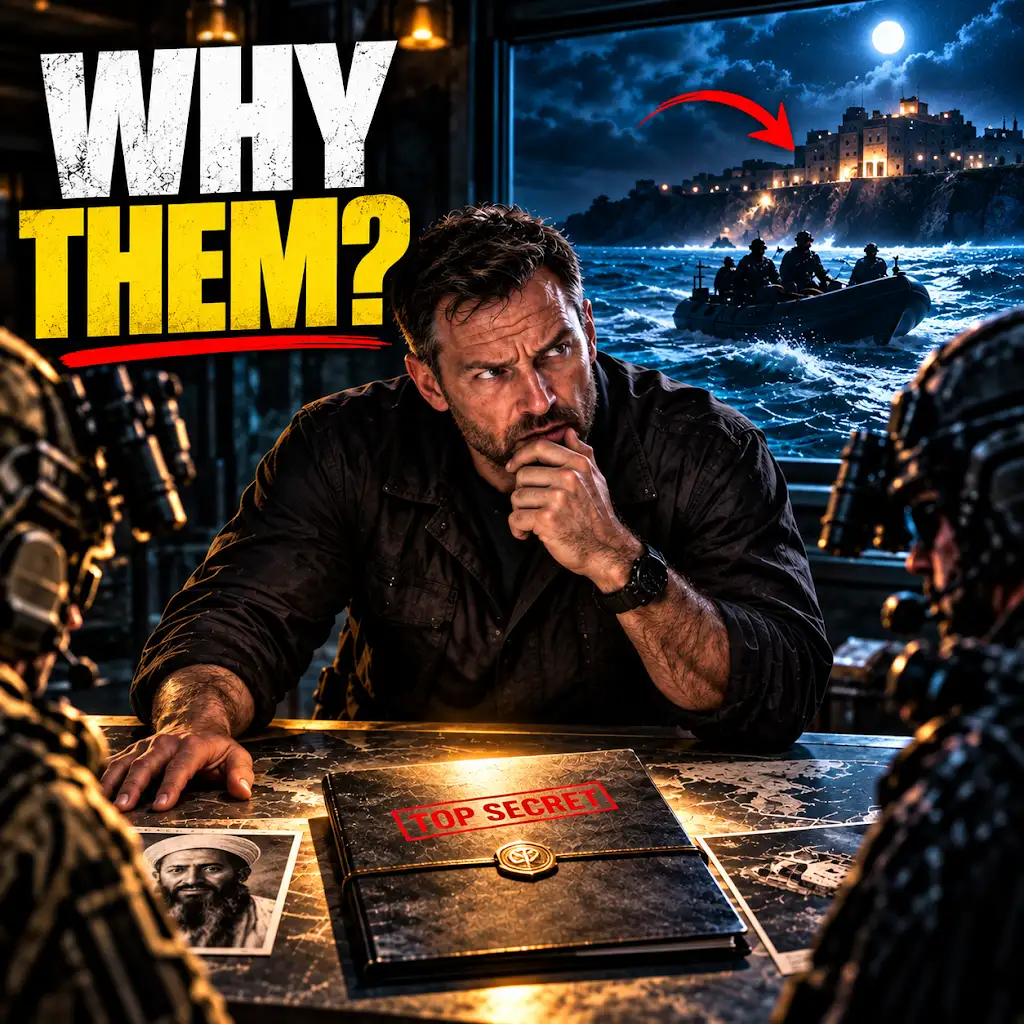
Why SEAL Team Six Got the Bin Laden Raid — Not Delta Force
FAQs
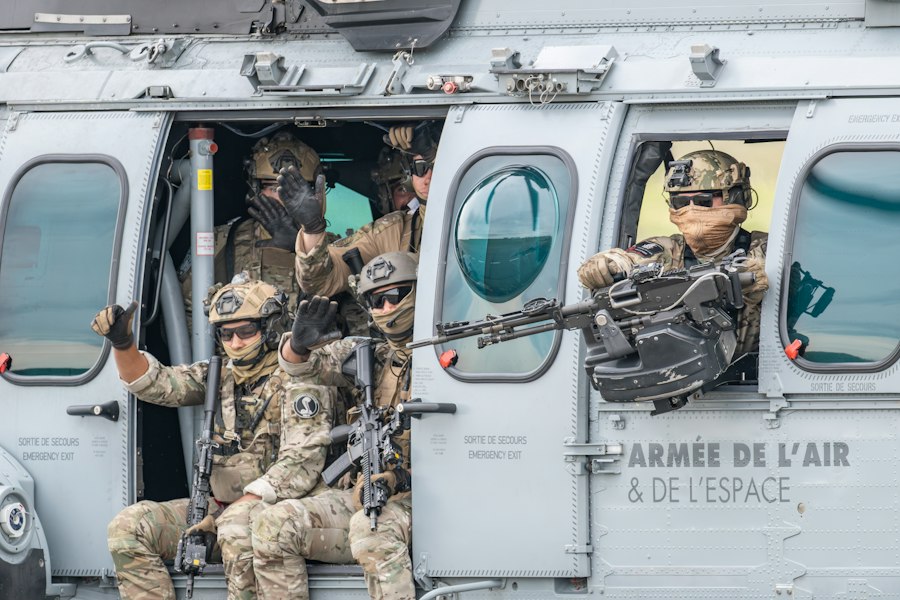
What is DEVGRU?
DEVGRU, also known as SEAL Team Six, is a United States Navy component of Joint Special Operations Command (JSOC) that conducts counter-terrorism missions and special operations.
How are DEVGRU missions selected?
DEVGRU missions are selected based on a rigorous evaluation process that considers the strategic objectives, operational requirements, and capabilities of the unit. Missions are typically assigned by higher command authorities.
Who approves DEVGRU missions?
DEVGRU missions are approved by senior military and government officials, including the Secretary of Defense, the Chairman of the Joint Chiefs of Staff, and the President of the United States. These missions undergo thorough review and authorization processes.
What factors are considered when selecting DEVGRU missions?
Factors considered when selecting DEVGRU missions include the level of threat, the potential impact on national security, the feasibility of the operation, the availability of resources, and the legal and ethical considerations involved.
Are DEVGRU missions classified?
Yes, DEVGRU missions are classified and highly sensitive due to the nature of their operations. Details about specific missions, targets, and tactics are typically not disclosed to the public to protect operational security and the safety of personnel involved.