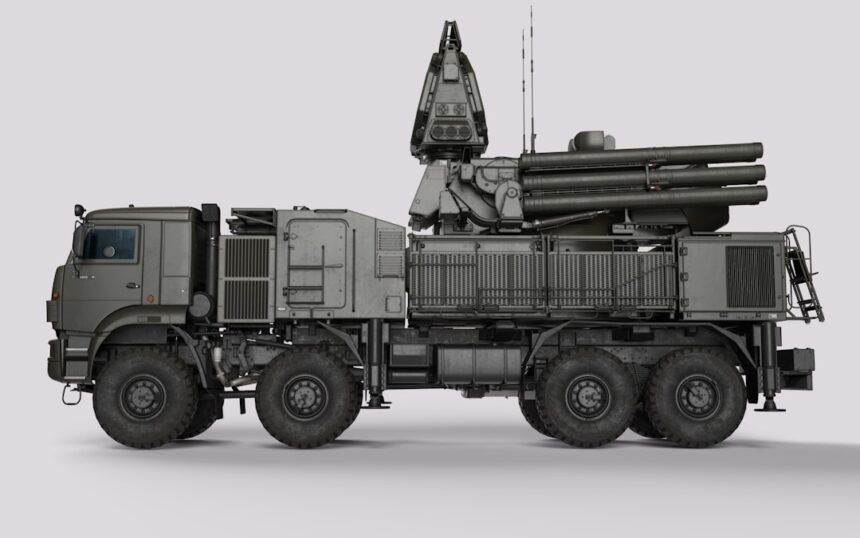
The origins of strategic missile defense can be traced back to the early years of the Cold War, a period marked by intense geopolitical rivalry between the United States and the Soviet Union. As both superpowers developed their nuclear arsenals, the need for a defensive mechanism to protect against potential missile attacks became increasingly apparent. The initial concept of missile defense emerged from the recognition that the destructive power of nuclear weapons posed an existential threat to nations.
This realization prompted military strategists and policymakers to explore ways to counteract the threat posed by intercontinental ballistic missiles (ICBMs). In the late 1950s, the United States began to invest in research and development of missile defense systems. The first significant initiative was the Nike Zeus program, which aimed to create a system capable of intercepting incoming missiles.
Although the technology was still in its infancy, the program laid the groundwork for future advancements in missile defense. Concurrently, the Soviet Union was also pursuing its own missile defense capabilities, leading to a technological race that would define much of the Cold War era. The competition between these two superpowers not only fueled advancements in missile technology but also set the stage for a complex interplay of defense strategies that would shape international relations for decades.
Key Takeaways
- Strategic missile defense originated from the need to protect against nuclear attacks during the Cold War.
- Strategic missile defense played a crucial role in the Cold War by shaping nuclear deterrence strategies.
- The development of strategic missile defense systems has evolved significantly over the years, with advancements in technology and capabilities.
- Strategic missile defense has had a significant impact on nuclear deterrence by influencing the concept of mutually assured destruction.
- Strategic missile defense has contributed to the arms race by prompting the development of more advanced missile technologies.
The Role of Strategic Missile Defense in the Cold War
During the Cold War, strategic missile defense played a crucial role in shaping military doctrines and national security policies. As both the United States and the Soviet Union amassed vast arsenals of nuclear weapons, the fear of a surprise attack loomed large. This fear drove both nations to develop comprehensive strategies that included not only offensive capabilities but also defensive measures.
The introduction of missile defense systems was seen as a way to bolster national security and deter potential adversaries from launching an attack.
Proponents argued that these systems would provide a necessary shield against incoming missiles, thereby enhancing deterrence.
Critics, however, contended that such systems could provoke an arms race, as adversaries would seek to develop countermeasures to bypass these defenses. This dynamic created a paradox where missile defense was both a tool for security and a potential catalyst for escalation, illustrating the complex nature of military strategy during this tumultuous period.
The Development of Strategic Missile Defense Systems
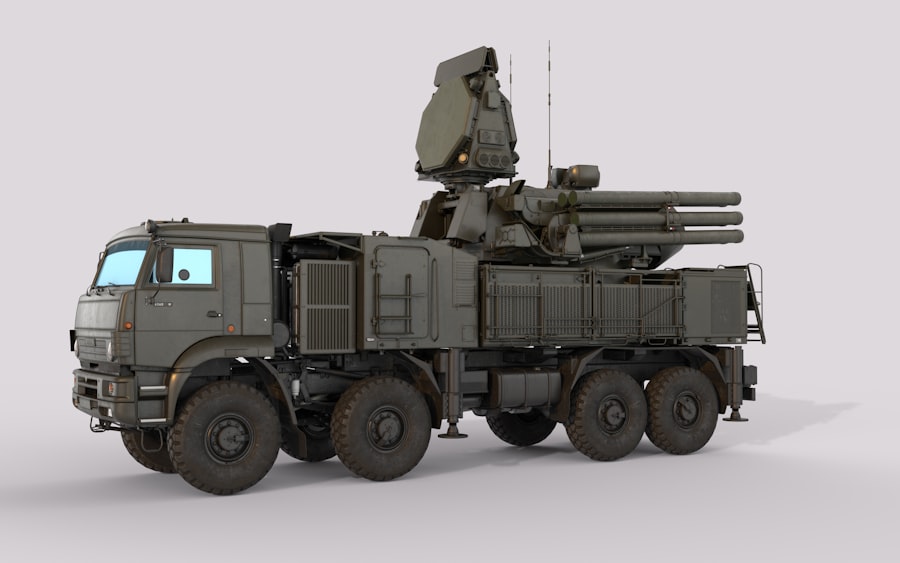
The development of strategic missile defense systems evolved significantly throughout the Cold War, driven by technological advancements and shifting geopolitical landscapes. In the 1970s, the United States initiated the Strategic Defense Initiative (SDI), often referred to as “Star Wars.” This ambitious program aimed to create a space-based missile defense system capable of intercepting and destroying incoming missiles before they could reach their targets. The SDI represented a paradigm shift in missile defense thinking, moving away from ground-based systems to a more comprehensive approach that included satellite technology.
Meanwhile, the Soviet Union continued to enhance its own missile defense capabilities, focusing on ground-based systems like the A-35 and later the A-135. These systems were designed to protect key urban areas and military installations from nuclear strikes. The competition between these two superpowers led to significant investments in research and development, resulting in advancements in radar technology, interception methods, and overall system integration.
As both nations sought to outpace each other technologically, the arms race intensified, further complicating international relations and security dynamics.
The Impact of Strategic Missile Defense on Nuclear Deterrence
| Metrics | Impact |
|---|---|
| Number of Interceptors | Increased capability to intercept incoming missiles |
| Cost of Development | High investment required for research and deployment |
| Effectiveness | Debate over the actual ability to intercept all incoming missiles |
| Strategic Stability | Potential to alter the balance of power and impact nuclear deterrence |
Strategic missile defense has had a profound impact on the concept of nuclear deterrence, fundamentally altering how nations perceive their security environment. The idea behind nuclear deterrence is that the threat of retaliation will prevent an adversary from launching a first strike. However, the introduction of effective missile defense systems raised questions about the credibility of this deterrent.
If one side could successfully intercept incoming missiles, it could embolden them to adopt more aggressive postures, believing they could withstand a retaliatory strike. This shift in dynamics led to a reevaluation of deterrence strategies on both sides. For instance, the United States’ pursuit of missile defense capabilities prompted the Soviet Union to enhance its offensive capabilities further, leading to an escalation in nuclear arsenals.
The interplay between offense and defense created a precarious balance where each side sought to maintain an edge over the other. As a result, strategic missile defense became not just a defensive measure but also a critical component of broader deterrence strategies that shaped military planning and international relations during the Cold War.
Strategic Missile Defense and the Arms Race
The relationship between strategic missile defense and the arms race is complex and multifaceted. As both superpowers invested heavily in developing their respective missile defense systems, they inadvertently fueled an arms race that extended beyond mere offensive capabilities. The pursuit of advanced missile defense technologies led to increased tensions and competition, as each side sought to outdo the other in both offensive and defensive measures.
The arms race was characterized by a cycle of escalation where advancements in missile defense prompted corresponding developments in offensive weapons systems. For example, as the United States made strides in its missile defense capabilities, the Soviet Union responded by enhancing its ICBM technology and developing multiple independently targetable reentry vehicles (MIRVs) to overwhelm potential defenses. This cycle created an environment where both sides felt compelled to continuously innovate and expand their arsenals, leading to an ever-growing stockpile of nuclear weapons.
The Evolution of Strategic Missile Defense Technology
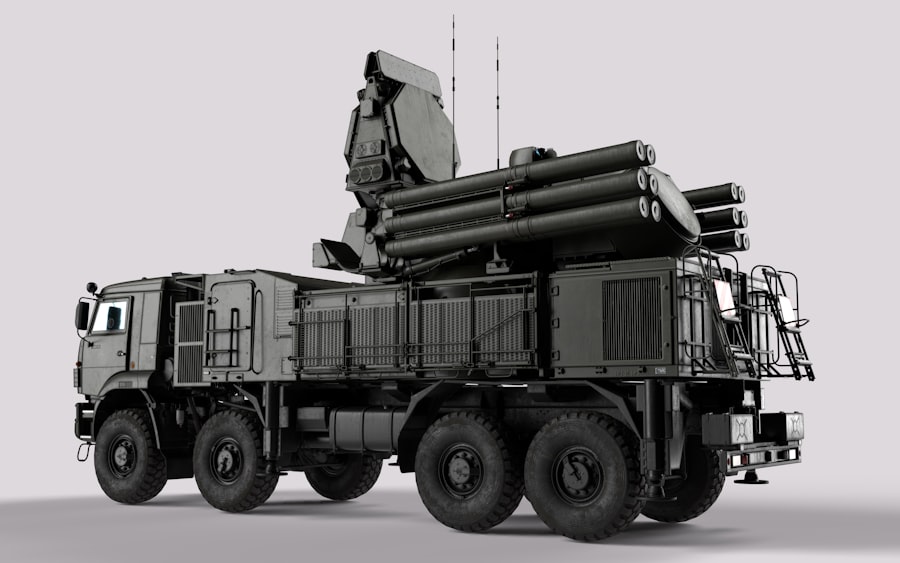
The evolution of strategic missile defense technology has been marked by significant advancements since its inception during the Cold War. Early systems relied on rudimentary radar and interception methods that were often limited in effectiveness. However, as technology progressed, so too did the capabilities of missile defense systems.
The introduction of more sophisticated radar systems allowed for improved tracking and targeting of incoming missiles, while advancements in propulsion technology enhanced interception speeds. In recent decades, developments in directed energy weapons and kinetic interceptors have further transformed missile defense capabilities. These innovations have enabled nations to explore new approaches to intercepting missiles at various stages of their flight trajectories.
Additionally, advancements in artificial intelligence and machine learning have begun to play a role in enhancing decision-making processes within missile defense systems, allowing for faster responses to potential threats. As technology continues to evolve, so too does the landscape of strategic missile defense, raising new questions about effectiveness and reliability.
Strategic Missile Defense and Geopolitical Tensions
Strategic missile defense has often been at the center of geopolitical tensions between nations, particularly among those with significant military capabilities. The deployment of missile defense systems can be perceived as a direct threat by rival states, leading to heightened suspicions and diplomatic friction. For instance, when the United States announced plans to deploy missile defense systems in Eastern Europe, Russia viewed this as an encroachment on its sphere of influence and responded with strong objections.
These geopolitical tensions are further complicated by regional conflicts and alliances. Nations with adversarial relationships may perceive each other’s missile defense initiatives as aggressive posturing, prompting them to bolster their own military capabilities in response. This dynamic can create a cycle of mistrust and escalation that undermines efforts toward arms control and disarmament.
As countries navigate these complex relationships, strategic missile defense remains a contentious issue that shapes international diplomacy and security considerations.
The Effectiveness of Strategic Missile Defense in the Cold War
The effectiveness of strategic missile defense during the Cold War remains a subject of debate among historians and military analysts. While proponents argued that these systems provided a necessary layer of protection against potential nuclear attacks, critics pointed out their limitations and vulnerabilities. Early missile defense initiatives often struggled with technical challenges, including issues related to detection accuracy and interception reliability.
Moreover, as both superpowers developed more sophisticated offensive capabilities, including MIRVs designed to overwhelm defenses, questions arose about whether any missile defense system could provide adequate protection against a full-scale nuclear strike. The complexities inherent in intercepting fast-moving missiles further complicated assessments of effectiveness. Ultimately, while strategic missile defense may have contributed to deterrence by providing some level of assurance against attacks, its actual effectiveness during this period remains contentious.
Strategic Missile Defense and the Concept of Mutually Assured Destruction
The concept of mutually assured destruction (MAD) played a pivotal role in shaping strategic thinking during the Cold War. Under this doctrine, both superpowers recognized that any nuclear exchange would result in catastrophic consequences for both sides, thereby deterring them from initiating conflict. Strategic missile defense introduced an additional layer of complexity to this framework by challenging assumptions about vulnerability and retaliation.
As nations developed missile defense systems capable of intercepting incoming missiles, some strategists argued that this could undermine MAD by creating a perception that one side could survive a nuclear exchange while inflicting damage on its adversary. This perception raised concerns about destabilizing effects on deterrence dynamics and increasing the likelihood of miscalculations or aggressive posturing. Consequently, strategic missile defense became intertwined with discussions about MAD, prompting debates about its implications for global security.
The Legacy of Strategic Missile Defense in the Post-Cold War Era
In the post-Cold War era, strategic missile defense has continued to evolve while leaving a lasting legacy on international security dynamics. With the dissolution of the Soviet Union and shifting geopolitical landscapes, new threats emerged that necessitated adaptations in missile defense strategies. Nations began focusing not only on traditional state-based threats but also on emerging challenges posed by rogue states and non-state actors seeking access to ballistic missile technology.
The legacy of Cold War-era missile defense initiatives can be seen in contemporary efforts to develop multi-layered defense systems capable of addressing diverse threats. Countries like the United States have invested heavily in advanced technologies such as Aegis Ballistic Missile Defense and Terminal High Altitude Area Defense (THAAD) systems designed to counter regional threats from nations like North Korea and Iran. This evolution reflects an ongoing commitment to enhancing national security while navigating complex global challenges.
The Future of Strategic Missile Defense Technology
Looking ahead, the future of strategic missile defense technology is poised for further innovation as nations grapple with evolving threats and technological advancements. Emerging technologies such as hypersonic weapons pose new challenges for traditional missile defense systems due to their speed and maneuverability. As adversaries continue to develop sophisticated offensive capabilities, there is an urgent need for adaptive defenses that can respond effectively.
Moreover, international cooperation may play a crucial role in shaping future developments in strategic missile defense technology. Collaborative efforts among allied nations could lead to shared research initiatives aimed at addressing common threats while fostering stability through collective security arrangements. As nations navigate an increasingly complex security landscape characterized by rapid technological change and shifting geopolitical dynamics, strategic missile defense will remain a critical component of national security strategies for years to come.
In conclusion, strategic missile defense has evolved significantly since its origins during the Cold War, shaping military doctrines and international relations throughout its history. Its impact on nuclear deterrence, arms races, geopolitical tensions, and technological advancements underscores its importance as both a defensive measure and a catalyst for broader security dynamics. As nations continue to adapt their strategies in response to emerging threats, the legacy of strategic missile defense will undoubtedly influence future developments in global security architecture.
During the Cold War, missile defense strategies played a crucial role in shaping military policies and international relations. One insightful article that delves into this topic is available at this link. It explores the various approaches taken by superpowers to counter the threat of nuclear missiles, highlighting the technological advancements and strategic doctrines that emerged during this tense period in history.
WATCH THIS! Inside Iceworm: America’s Secret Nuclear City Built Under Greenland
FAQs
What was the Cold War missile defense strategy?
During the Cold War, the United States and the Soviet Union developed missile defense strategies to protect themselves from potential nuclear attacks. This involved the development of anti-ballistic missile systems and other technologies to intercept and destroy incoming missiles.
What were the key components of the missile defense strategy during the Cold War?
The key components of the missile defense strategy during the Cold War included the development of anti-ballistic missile (ABM) systems, early warning systems to detect incoming missiles, and the use of nuclear deterrence to dissuade potential attackers.
Did the United States and the Soviet Union deploy missile defense systems during the Cold War?
Yes, both the United States and the Soviet Union deployed various missile defense systems during the Cold War. The United States developed the Safeguard system, while the Soviet Union deployed the A-35 and A-135 systems to protect key locations from potential missile attacks.
How did the Cold War missile defense strategy impact international relations?
The development and deployment of missile defense systems during the Cold War contributed to heightened tensions between the United States and the Soviet Union. The perceived threat of these systems led to arms races and increased competition in the development of nuclear weapons and delivery systems.
What is the legacy of the Cold War missile defense strategy?
The legacy of the Cold War missile defense strategy includes ongoing debates about the effectiveness and necessity of missile defense systems, as well as their potential impact on international security and arms control efforts. The development of missile defense technology continues to be a topic of interest and concern in modern international relations.