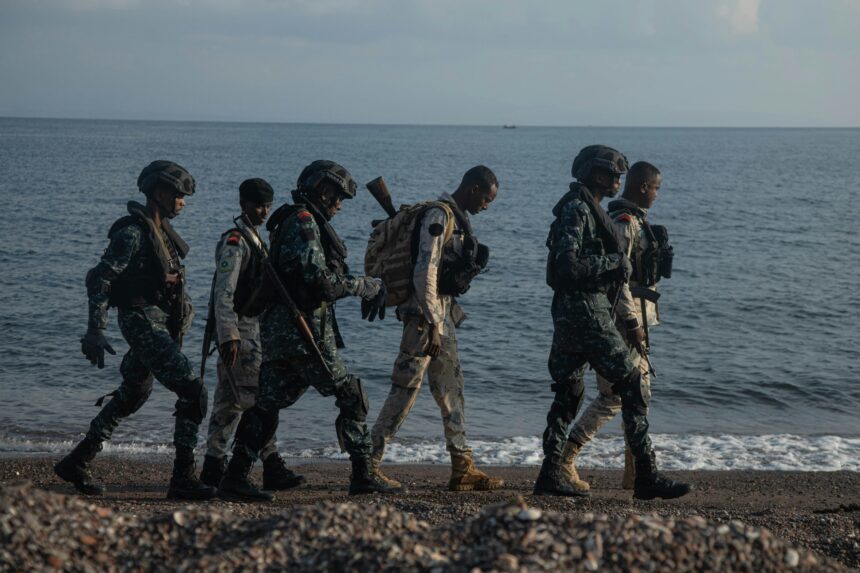
The whispers surrounding SEAL Team Six are as legendary as the missions it undertakes. Often shrouded in secrecy, this elite unit of the United States Navy has carved a formidable reputation for itself as the tip of the spear in counterterrorism and special operations. From its inception, born from tragedy and necessity, to its current status as a globally deployed force, the history of SEAL Team Six is a testament to unparalleled training, unwavering dedication, and a commitment to executing the most dangerous missions imaginable. This unveiling seeks to illuminate the shadows, exploring the genesis, evolution, and impact of this extraordinary unit.
Genesis in Tragedy: The Birth of an Elite Force
The story of SEAL Team Six does not begin with a proactive strategic decision, but rather with a devastating failure. The catastrophic outcome of Operation Eagle Claw in April 1980, the ill-fated attempt to rescue American hostages held in Iran, exposed critical deficiencies in American special operations capabilities. The mission, hampered by equipment malfunctions, a helicopter crash, and a lack of specialized training and coordination, resulted in the deaths of eight U.S. servicemen and no hostages freed. This profound failure sent shockwaves through the Pentagon and ignited a fervent debate about the need for a dedicated, highly trained unit capable of performing complex hostage rescue and counterterrorism operations.
The Phoenix from the Ashes: DEVGRU’s Formation
In the aftermath of Eagle Claw, the need for a specialized force was undeniable. Admiral James L. Holloway III, then Chief of Naval Operations, recognized the urgency. He tasked Lieutenant Commander Richard Marcinko, a seasoned SEAL with a reputation for audacity and innovation, with the monumental task of creating a new unit that would learn from the mistakes of the past and be prepared for the challenges of the future. Marcinko was given an unprecedented mandate: assemble and train a SEAL unit specifically designed for clandestine operations, hostage rescue, and direct action against terrorist targets. This unit would be known initially as “Task Force 160” but would soon evolve into what became known as SEAL Team Six.
Marcinko’s Vision: Building the Ultimate Operator
Marcinko’s approach was revolutionary and, at times, controversial. He understood that mere SEAL training was insufficient. He sought to recruit the absolute best from the existing SEAL teams, individuals who possessed not only exceptional physical and mental fortitude but also a unique blend of initiative, adaptability, and a willingness to operate outside the traditional military framework. The selection process was notoriously brutal, designed to push candidates to their absolute limits and identify those with the raw talent and unwavering resolve required for such a demanding role. Marcinko emphasized aggressive training, unconventional tactics, and a culture of continuous improvement, instilling in the nascent unit a mindset of always being one step ahead of the adversary.
The Early Years: Forging an Identity
The early years of SEAL Team Six were characterized by intense training, the development of specialized tactics, and the gradual accumulation of operational experience. The unit was deliberately kept small and compartmentalized, operating with a high degree of autonomy. Marcinko fostered an environment of innovation, encouraging experimentation with new technologies and operational methodologies. This period was crucial in establishing the unit’s distinct identity and laying the groundwork for its future successes. The lessons learned from the failures of Operation Eagle Claw were deeply ingrained, shaping the unit’s operational ethos and ensuring that meticulous planning and execution became paramount.
Defining the Mission: Beyond Hostage Rescue
While hostage rescue was a primary driver for its creation, SEAL Team Six’s operational scope quickly expanded. The evolving global threat landscape, marked by a rise in international terrorism, necessitated a broader mandate. The unit began to focus on a range of high-risk missions, including intelligence gathering, reconnaissance, direct action against terrorist organizations, and maritime interdiction operations. This expansion required the continuous refinement of their skills and the development of expertise in diverse environments, from the open ocean to arid deserts and urban jungles.
For those interested in the intricate history and operations of SEAL Team Six, a compelling article can be found at In The War Room. This article delves into the formation and evolution of this elite unit, providing insights into their pivotal missions and the impact they have had on modern military tactics. It serves as a valuable companion piece to the SEAL Team Six military history documentary, offering a deeper understanding of the challenges and triumphs faced by these extraordinary operatives.
Evolution and Expansion: Adapting to a Changing World
As the global security landscape shifted, so too did the role and capabilities of SEAL Team Six. The unit has undergone significant evolution, adapting its structure, training, and operational focus to meet the ever-changing demands of modern warfare and counterterrorism. This period of growth and adaptation is a testament to the unit’s inherent flexibility and its unwavering commitment to maintaining a decisive edge.
The Post-Cold War Era: New Threats, New Missions
The end of the Cold War did not diminish the need for elite special operations forces. Instead, it ushered in a new era of asymmetric warfare and the rise of non-state actors, particularly terrorist groups. SEAL Team Six found itself increasingly engaged in operations against these new threats. Missions became more complex, often requiring prolonged deployments in austere environments and involving intricate intelligence gathering and precision strikes. The unit’s ability to operate clandestinely and deliver decisive force made it an indispensable asset in the global fight against terrorism.
The Rise of Counterterrorism: A Defining Role
Counterterrorism emerged as a defining role for SEAL Team Six. The unit was tasked with hunting down and disrupting terrorist networks, dismantling their infrastructure, and neutralizing key leaders. This involved a wide array of operations, from direct assaults on suspected terrorist strongholds to complex intelligence operations aimed at uncovering plots and preventing attacks. The psychological impact of these operations, coupled with their tactical success, cemented SEAL Team Six’s reputation as a premier counterterrorism force.
Integration and Specialization: The DEVGRU Transformation
Over time, SEAL Team Six underwent further organizational changes, eventually becoming known as the Naval Special Warfare Development Group, or DEVGRU. While the name changed, the core mission and elite status remained. This evolution involved a greater degree of integration within the broader Naval Special Warfare Command, while still maintaining its distinct operational autonomy. DEVGRU continued to refine its specialization, developing expertise in areas such as advanced maritime operations, close-quarters combat, and special reconnaissance.
The “Cadre” System: Cultivating Excellence
A key aspect of DEVGRU’s operational structure is its “cadre” system. The unit is organized into smaller, highly specialized teams, often referred to as “assault squadrons” or “task units.” Each cadre is comprised of operators with specific skill sets, allowing for the formation of highly tailored teams for individual missions. This system ensures that the right operators with the right expertise are deployed for every operation, maximizing efficiency and success rates. The intensive training and development within these cadres cultivate a deep level of trust and understanding among team members, essential for operating in high-stakes environments.
Legendary Missions: Operations That Shaped History
The operational history of SEAL Team Six is punctuated by a series of missions that have garnered widespread attention, often only after the fact due to the classified nature of their work. These operations, executed with precision and bravery, have not only achieved strategic objectives but have also captured the public imagination, solidifying the unit’s status as an unparalleled force.
The Entebbe Raid: A Precursor to Excellence (Though not DEVGRU specific, it informed the need)
While not directly executed by the nascent SEAL Team Six, the daring Israeli raid on Entebbe in 1976 to rescue hostages from a hijacked airplane served as a powerful case study for the need for specialized counterterrorism units. The success of this operation demonstrated the effectiveness of a well-trained, highly mobile special operations force capable of executing complex hostage rescues in challenging environments. The lessons learned from Entebbe undoubtedly influenced the thinking behind the formation of SEAL Team Six.
Operation Neptune Spear: The Bin Laden Raid
Perhaps the most iconic and publicly acknowledged mission attributed to SEAL Team Six is Operation Neptune Spear, the May 2, 2011 raid that resulted in the death of Osama bin Laden in Abbottabad, Pakistan. This meticulously planned operation involved a HALO (high-altitude, low-opening) jump by a team of DEVGRU operators who breached bin Laden’s compound, engaged his security detail, and ultimately killed the al-Qaeda leader. The success of Neptune Spear was a culmination of years of intelligence gathering, planning, and the execution of a complex, high-risk operation that had immense global significance. The bravery and professionalism of the DEVGRU operators were widely lauded.
The Rescue of Captain Phillips: A Test of Nerve and Skill
The dramatic rescue of Captain Richard Phillips, skipper of the cargo ship Maersk Alabama, from Somali pirates in 2009 also highlighted the capabilities of SEAL Team Six. After pirates boarded the ship and took Captain Phillips hostage, a team of DEVGRU operators was deployed. Through a combination of negotiation and tactical maneuvers, the SEALs ultimately neutralized the pirates and rescued Captain Phillips, showcasing their ability to operate effectively in maritime environments against a hostile threat. This incident brought a measure of public awareness to the unit’s vital role in protecting maritime interests.
Other Notable Operations: Unveiling the Unseen
Beyond these well-known missions, SEAL Team Six has been involved in countless other classified operations that have significantly impacted global security. These missions have ranged from direct action against terrorist leaders and training camps in Afghanistan and Iraq to covert operations in other theaters of conflict. While the specifics of these operations remain largely secret, their cumulative effect has been the disruption of terrorist networks, the prevention of attacks, and the protection of American interests around the world. The unit’s ability to operate with stealth and precision in high-threat environments has made it an indispensable tool in the nation’s national security arsenal.
Training and Culture: The Pillars of DEVGRU’s Success
The extraordinary success of SEAL Team Six is not a matter of chance; it is the direct result of a rigorous and relentless training regimen coupled with a unique and powerful organizational culture. These two elements are inextricably linked, forging operators who are not only physically and mentally capable but also possess an unwavering commitment to their mission and their teammates.
The Evolution of Training: From Basic to Beyond
The training for SEAL Team Six operators is far more demanding than even that of standard Navy SEALs. It begins with the already arduous SEAL Basic Underwater Demolition/SEAL (BUD/S) training, considered one of the toughest military training programs in the world. However, DEVGRU selection and training go far beyond BUD/S. Operators undergo continuous, specialized training in a multitude of disciplines, including:
Advanced Close-Quarters Battle (CQB): Mastering the Urban Battlefield
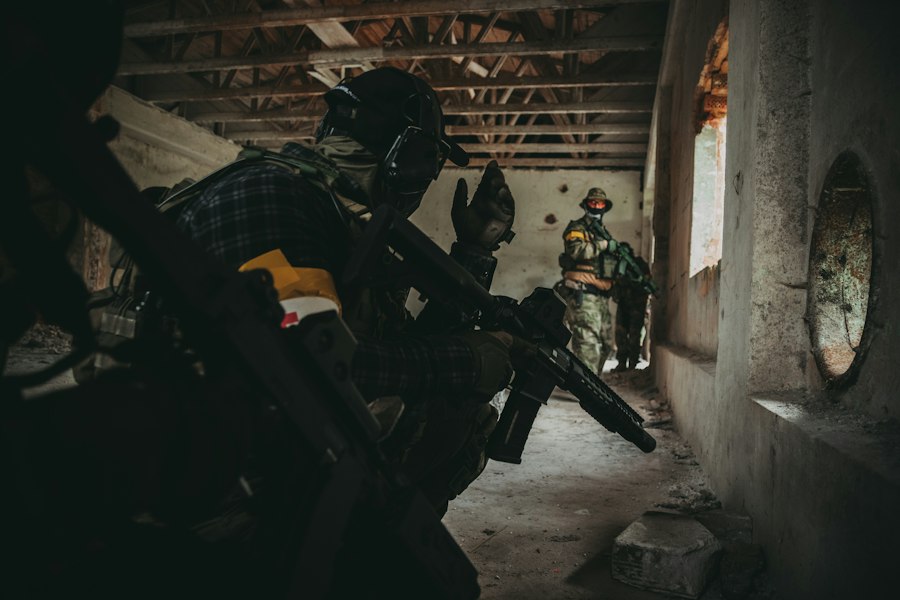
DEVGRU operators are masters of CQB, honing their skills in simulated environments that replicate the complexities and dangers of urban combat. This includes extensive training in room-entry techniques, moving through confined spaces, and engaging targets in unpredictable scenarios. The emphasis is on speed, surprise, violence of action, and precise fire control.
Maritime Operations: Dominating the Waterways
Given their origins, maritime operations remain a core competency. Training includes advanced small-boat handling, submarine operations, ship boarding, and underwater demolition. Operators are proficient in a wide range of maritime insertion and extraction techniques, allowing them to operate seamlessly from the sea.
Unconventional Warfare and Survival: Thriving in Hostile Territory
DEVGRU operators are trained to operate independently behind enemy lines, often with limited support. This includes extensive training in survival skills, evasion, resistance, and escape (SERE), as well as proficiency in irregular warfare tactics, including working with indigenous forces and conducting guerrilla operations.
Weapons Proficiency and Marksmanship: Precision Under Pressure
The unit’s operators maintain an exceptional level of proficiency with a vast array of weaponry. This includes not only standard firearms but also specialized weapons systems. Training emphasizes accuracy, target discrimination, and the ability to make accurate shots under extreme stress and in dynamic situations.
The Culture of Excellence: More Than Just a Job
The culture within SEAL Team Six is as critical as its training. It is a culture built on:
Brotherhood and Trust: An Unbreakable Bond
The extreme nature of their missions fosters an unparalleled sense of brotherhood and trust among operators. They rely on each other for their lives, and this bond is forged through shared hardship, mutual respect, and an unwavering commitment to mission success. This trust extends to their families, who often bear the silent burden of their loved ones’ dangerous work.
Continuous Improvement: Never Satisfied
DEVGRU operators are never content with their current skill level. There is a constant drive for improvement, a relentless pursuit of perfection. After-action reviews are meticulous, and lessons learned are immediately integrated into future training and operations. This commitment to continuous learning ensures the unit remains at the cutting edge of special operations capabilities.
Discretion and Humility: The Silent Professionals
Despite their legendary status, DEVGRU operators are known for their discretion and humility. They operate in the shadows, often without public recognition. Their focus is on the mission, not on personal accolades. This quiet professionalism is a hallmark of the unit.
The documentary on SEAL Team Six provides an in-depth look at the elite unit’s formation and its pivotal role in modern military operations. For those interested in exploring more about the historical context and significant missions of this renowned team, a related article can be found at this link. This resource offers additional insights into the challenges faced by special operations forces and their impact on contemporary warfare.
Challenges and Criticisms: Navigating the Shadows of Secrecy
While SEAL Team Six is celebrated for its successes, the very nature of its operations, steeped in secrecy, also presents unique challenges and has occasionally drawn scrutiny and criticism. The tight-lipped nature of the unit, while necessary for operational security, can lead to speculation and misunderstanding.
Operational Security: The Double-Edged Sword of Secrecy
The paramount importance of operational security is undeniable for a unit engaged in clandestine operations. Information leaks can have catastrophic consequences, jeopardizing lives and compromising future missions. However, this same secrecy can make it difficult for the public, and even some within the military, to fully understand the unit’s contributions and the immense risks its operators undertake. This can lead to a disconnect between the reality of their work and public perception.
Transparency vs. Security: A Constant Balancing Act
The inherent tension between the need for operational security and the desire for greater transparency is a perpetual challenge for units like DEVGRU. While full disclosure is impossible, finding ways to acknowledge the sacrifices and contributions of these elite warriors, without compromising their effectiveness, remains an ongoing discussion.
Allegations and Accountability: Addressing the Darker Chapters
Like any organization that operates in high-stakes environments, SEAL Team Six has faced scrutiny and, in some instances, allegations of misconduct. The extreme pressures and the nature of their missions can, in rare cases, lead to breaches of conduct. When these occur, the unit and the broader military establishment face the difficult task of balancing the need for accountability with the imperative of maintaining morale and operational readiness.
The Importance of Oversight and Investigation
Thorough investigations into any allegations of misconduct are crucial to maintaining public trust and ensuring that the high standards of the unit are upheld. The military justice system, though often opaque to the public, plays a vital role in holding individuals accountable for their actions, regardless of their elite status.
The Future of DEVGRU: Adapting to Evolving Threats
The landscape of global security is in constant flux. The emergence of new technologies, the rise of hybrid warfare, and the persistent threat of terrorism ensure that the role of elite special operations forces like SEAL Team Six will remain critical. As the unit looks to the future, it will undoubtedly continue to adapt and evolve to meet these new challenges.
Technological Advancements: Staying Ahead of the Curve
DEVGRU has always been at the forefront of adopting new technologies. The future will likely see an even greater integration of advanced surveillance, unmanned systems, cyber warfare capabilities, and sophisticated communication tools. The ability to leverage technology effectively will be paramount in maintaining a decisive advantage.
The Human Element: The Enduring Core of Success
Despite the increasing reliance on technology, the human element will remain the bedrock of DEVGRU’s success. The qualities of courage, adaptability, critical thinking, and unwavering dedication are not easily replicated. The selection and training of exceptional individuals will continue to be the primary focus, ensuring that the unit maintains its unparalleled human capital.
Global Reach and Strategic Importance: A Continued Necessity
The strategic importance of SEAL Team Six is unlikely to diminish. As threats to national security evolve and spread across the globe, the need for a highly capable, discreet, and adaptable force to conduct direct action, intelligence gathering, and counterterrorism operations will persist. DEVGRU will continue to be a vital instrument of American foreign policy and national defense, operating in the shadows to protect the nation and its interests.
In conclusion, the history of SEAL Team Six, or DEVGRU, is a compelling narrative of adaptation, sacrifice, and unwavering dedication. Born from a moment of national crisis, it has evolved into a sophisticated and formidable force, capable of executing the most challenging missions imaginable. While its operations remain largely veiled in secrecy, the impact of its contributions to national security is undeniable. The unveiling of its history, though incomplete due to the very nature of its existence, offers a glimpse into the extraordinary commitment and unparalleled skill of the men who form this elite unit, forever standing as the tip of the spear in the defense of freedom.
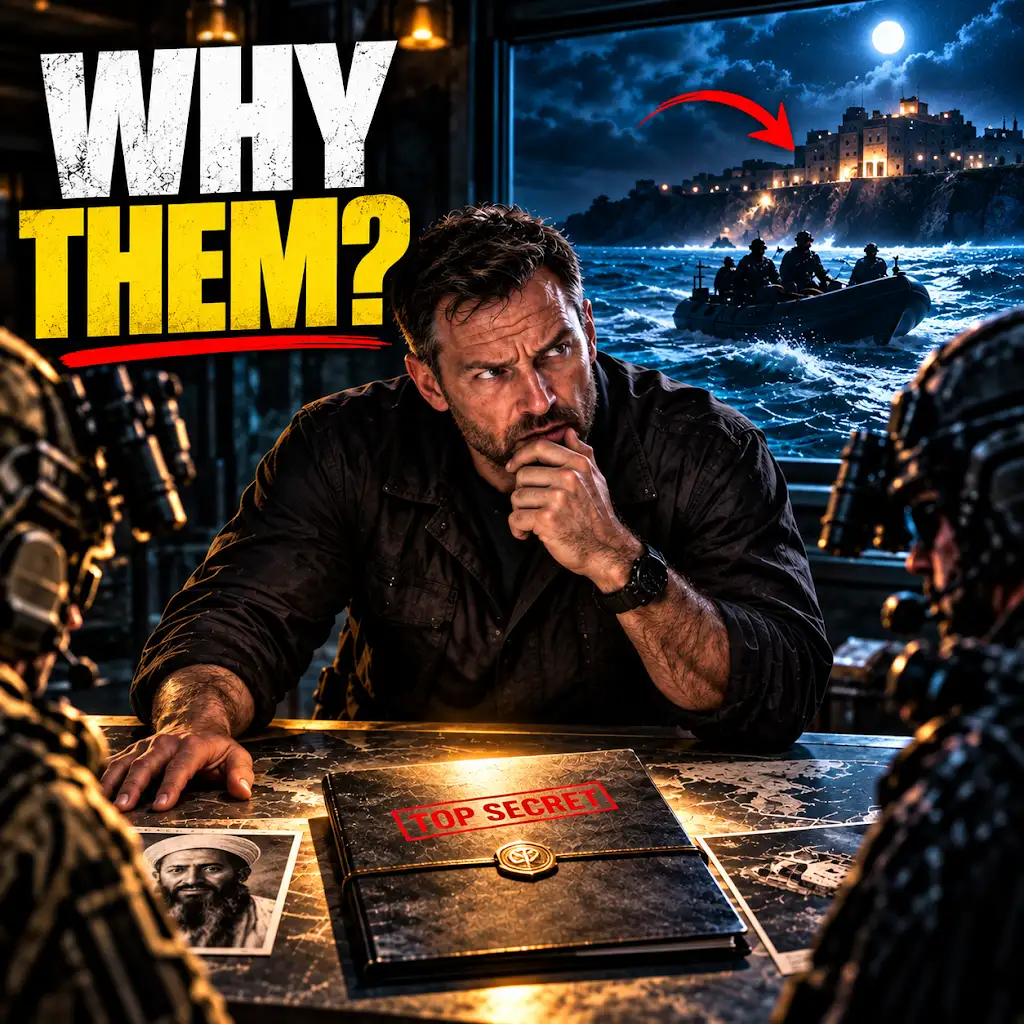
Why SEAL Team Six Got the Bin Laden Raid — Not Delta Force
FAQs
What is SEAL Team Six?
SEAL Team Six is a special operations unit within the United States Navy SEALs that is known for its counter-terrorism operations and high-risk missions.
What is the history of SEAL Team Six?
SEAL Team Six was established in 1980 as a response to the failed Operation Eagle Claw during the Iran hostage crisis. Since then, the unit has been involved in numerous high-profile missions, including the capture of Osama bin Laden.
What is the purpose of the SEAL Team Six military history documentary?
The documentary aims to provide an in-depth look at the history, training, and missions of SEAL Team Six, shedding light on the elite unit’s contributions to national security and global stability.
Who are the key figures featured in the SEAL Team Six military history documentary?
The documentary features interviews with former SEAL Team Six operators, military experts, and government officials who provide insights into the unit’s operations and impact on modern warfare.
Where can I watch the SEAL Team Six military history documentary?
The documentary may be available for streaming on various platforms such as Netflix, Amazon Prime Video, or the History Channel website. Check your local listings for more information on viewing options.