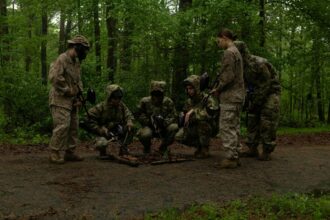
The battlefield whispers tales of legendary figures, individuals whose courage, intellect, and unwavering dedication have shaped the course of conflict. Among these titans stands William H. McRaven, a name synonymous with elite special operations and a career that has left an indelible mark on the United States military. From his early days in the crucible of Delta Force to his transformative leadership of SEAL Team Six, McRaven’s journey is a testament to strategic brilliance, audacious action, and the relentless pursuit of excellence. This article delves into the remarkable trajectory of his career, exploring the pivotal moments, the operational acumen, and the enduring legacy of a true warrior-leader.
William McRaven’s path to the pinnacle of special operations was not a direct one, but rather a deliberate and rigorous progression through some of the most demanding training environments the U.S. military has to offer. His early years in service were characterized by a drive to push his own limits and to master the intricate art of unconventional warfare. This foundational period was crucial in shaping the tactical acumen and mental fortitude that would define his later successes.
Early Influences and the Allure of Special Operations
McRaven’s upbringing instilled in him a sense of duty and a desire to serve his country. While specific influences are often kept private, it’s clear that from an early age, he possessed a fascination with the challenges and opportunities presented by elite military units. The allure of special operations, with its emphasis on skill, adaptability, and high-stakes missions, undoubtedly resonated with his inherent drive for excellence. This early aspiration set him on a course that would lead him to the forefront of some of America’s most critical national security operations.
The Rigors of Basic and Advanced SEAL Training
The journey to becoming a Navy SEAL is notoriously arduous, designed to weed out all but the most resilient and determined individuals. McRaven, like all aspiring SEALs, endured the infamous Basic Underwater Demolition/SEAL (BUD/S) training. This unforgiving program, characterized by extreme physical exertion, cold-water immersion, and constant mental pressure, tests a candidate’s will to survive and their ability to work as part of a team under duress.
BUD/S: The Gauntlet of Pain and Perseverance
BUD/S is not merely about physical strength; it is a profound test of mental toughness. Candidates are pushed to the brink of exhaustion, often in the frigid waters off the coast of Coronado, California. The iconic “Hell Week” is a five-day period of continuous training where sleep is minimal, and candidates are constantly subjected to physical and psychological stressors. It is during these grueling days that true camaraderie is forged, and the seeds of exceptional leadership are sown. McRaven’s successful completion of BUD/S was a critical first step, demonstrating his capacity for extreme hardship and his unwavering commitment to the SEAL ethos.
SEAL Qualification Training (SQT): Mastering the Craft
Following BUD/S, candidates enter SEAL Qualification Training (SQT), where they hone specialized skills essential for SEAL operations. This includes advanced weapons proficiency, demolitions, diving, parachuting, hand-to-hand combat, and tactical maneuvering. The training emphasizes adaptability, problem-solving, and the ability to operate effectively in diverse and challenging environments. McRaven’s dedication during SQT allowed him to absorb the intricate details of tactical warfare, preparing him for the operational deployments that awaited.
William McRaven, a former Navy SEAL and commander of the U.S. Special Operations Command, has often been associated with elite military units such as Delta Force and SEAL Team Six, known for their high-stakes missions and strategic operations. For those interested in exploring more about the intricacies of special operations and the leadership philosophies that drive these elite teams, a related article can be found at In the War Room, which delves into the challenges and triumphs faced by special forces in contemporary warfare.
Delta Force: The Spearhead of Counter-Terrorism
Upon earning his Trident, McRaven’s career took a significant turn as he transitioned to the elite ranks of Delta Force, officially known as the 1st Special Forces Operational Detachment-Delta (1st SFOD-D). This unit, shrouded in secrecy, is the premier counter-terrorism and hostage rescue force of the U.S. Army, operating under the Joint Special Operations Command (JSOC). His time with Delta Force was a period of intense operational experience, where he honed his skills in some of the world’s most dangerous environments.
The Selection and Training for Delta Force
The path to Delta Force is even more exclusive than that of a SEAL. Selection involves a rigorous assessment of physical fitness, mental acuity, psychological stability, and leadership potential. Candidates undergo demanding field exercises and interviews designed to identify individuals with the precise blend of attributes required for high-risk, unconventional missions. The training within Delta is highly specialized, focusing on intelligence gathering, direct action operations, counter-terrorism tactics, and advanced marksmanship.
Advanced Skills and Operational Readiness
Within Delta, McRaven was exposed to and mastered a range of highly specialized skills. This included advanced close-quarters combat, precision shooting, reconnaissance, surveillance, and the meticulous planning and execution of complex direct action missions. The unit operates with a high degree of autonomy, requiring its operators to be self-sufficient and capable of making split-second decisions in rapidly evolving situations. McRaven’s aptitude for strategic thinking and his ability to translate complex plans into effective battlefield execution became evident during this critical phase of his career.
Pivotal Operations and the Shadow War
While many of Delta Force’s operations remain classified, it is understood that McRaven participated in some of the most sensitive and high-stakes missions undertaken by the U.S. military. These operations often involved the rescue of hostages, the elimination of terrorist leaders, and the disruption of hostile networks. His involvement in these clandestine activities signifies a profound level of trust and confidence placed in his abilities by military leadership.
Direct Action and Hostage Rescue Missions
McRaven’s direct action experience with Delta Force involved meticulously planned assaults designed to neutralize threats with precision and minimal collateral damage. These operations demanded an unparalleled level of coordination, discipline, and courage. The high stakes, particularly in hostage rescue scenarios, required an operator to be not only a skilled warrior but also someone capable of remaining calm and decisive under extreme pressure. His success in these missions cemented his reputation as a formidable operator.
The Evolution of Counter-Terrorism Doctrine
The experiences gained by operators like McRaven within Delta Force directly informed and shaped the evolution of U.S. counter-terrorism doctrine. The lessons learned on the ground, the innovative tactics developed, and the understanding of enemy methodologies were crucial in refining how America responded to global threats. McRaven, as a key participant, was instrumental in this ongoing process of adaptation and improvement.
Leadership of SEAL Team Six: A Transformative Era
Following his distinguished service in Delta Force, William McRaven ascended to a leadership role that would define a new era for one of the most revered special operations units in the world: SEAL Team Six, officially known as the Naval Special Warfare Development Group (NSWDG). His tenure at the helm of this elite organization was marked by significant strategic shifts, operational successes, and a profound impact on the unit’s capabilities and global posture.
The Strategic Vision for SEAL Team Six
As commander of SEAL Team Six, McRaven brought a visionary approach to the unit’s mission. He recognized the evolving landscape of global threats and the need for SEAL Team Six to remain at the cutting edge of special operations. His leadership focused on enhancing intelligence-driven operations, refining tactics, and ensuring the unit was prepared for an ever-wider spectrum of missions.
Enhancing Intelligence-Driven Operations
McRaven understood that effective special operations are not solely about kinetic action, but also about superior intelligence. He championed the integration of advanced intelligence gathering and analysis capabilities within SEAL Team Six. This meant fostering closer relationships with intelligence agencies, investing in cutting-edge technology, and ensuring that operators were not only proficient in combat but also adept at understanding and exploiting intelligence. This strategic shift allowed SEAL Team Six to conduct more precise and impactful missions, often preempting threats before they could materialize.
Modernizing Tactics and Equipment
The battlefield is a dynamic environment, and the tools and tactics used to operate within it must constantly evolve. Under McRaven’s command, SEAL Team Six underwent a significant modernization of its tactics and equipment. This included the adoption of new technologies, the development of innovative operational methodologies, and the continuous refinement of existing techniques. The goal was to ensure that SEAL Team Six maintained its decisive edge against any adversary, in any environment.
Landmark Operations Under His Command
McRaven’s leadership coincided with a period of intense counter-terrorism activity, and SEAL Team Six, under his direction, achieved several historic successes. While many of these operations remain classified, the most prominent and publicly acknowledged is the May 2011 raid that killed Osama bin Laden.
The Raid on Osama bin Laden: Operation Neptune Spear
Operation Neptune Spear, the successful raid that eliminated the mastermind of the September 11th attacks, stands as a testament to the capabilities and discipline of SEAL Team Six, and to the strategic brilliance of its commander. McRaven played a pivotal role in the planning and execution of this complex and high-stakes mission. The raid required meticulous planning, extraordinary courage, and flawless execution by the SEAL operators who descended on bin Laden’s compound in Abbottabad, Pakistan. The success of this operation was a significant blow to al-Qaeda and a moment of profound vindication for the United States.
Other Significant Counter-Terrorism Efforts
Beyond the bin Laden raid, McRaven’s tenure saw SEAL Team Six engaged in numerous other critical counter-terrorism operations across the globe. These efforts, often conducted in secrecy, aimed to dismantle terrorist networks, rescue captured individuals, and disrupt hostile activities. The unit’s ability to operate effectively in hostile territories, often with limited support, underscored the effectiveness of McRaven’s leadership and the dedication of his operators.
A Philosophy of Leadership: The “10 Rules of the Road”
William McRaven’s influence extends beyond the battlefield; he is also a respected voice on leadership and strategy. His widely circulated “10 Rules of the Road,” often shared with graduating cadets and aspiring leaders, encapsulates his philosophy and the lessons learned from his extensive career. These principles offer a glimpse into the mindset that drove his success.
The Core Tenets of McRaven’s Leadership Philosophy
McRaven’s leadership philosophy is rooted in practicality, resilience, and an unwavering focus on mission accomplishment. His rules emphasize the importance of preparation, teamwork, and the ability to adapt to adversity. They are not abstract concepts but actionable insights derived from years of high-pressure situations.
Rule 1: Make Your Bed.
This seemingly simple instruction highlights the importance of discipline and attention to detail. Making your bed each morning, McRaven argues, is the first task of the day, and doing it well sets a tone of order and accomplishment that can carry through the rest of your endeavors. It’s about establishing a sense of control and preparedness.
Rule 5: If You Want to Change the World, Start by Making Your Bed.
This rule extends the first, emphasizing that even small, disciplined actions can have a ripple effect. It’s about understanding that significant change is often built upon a foundation of consistent, small victories and a commitment to self-improvement.
Rule 8: Get Over Being aargeon.
This rule speaks to the importance of resilience and the ability to bounce back from setbacks. In challenging environments, dwelling on grievances or complaining is counterproductive. Instead, one must accept the situation, learn from it, and move forward with determination.
Rule 10: Don’t Ever Forget the People Who Carry You Forward.
This rule underscores the critical importance of teamwork and acknowledging the contributions of others. McRaven consistently emphasizes that no great achievement is the result of a single individual. It is the collective effort, the support of teammates, and the dedication of those who enable success that truly matter.
William McRaven, a retired Admiral and former commander of U.S. Special Operations Command, has often been associated with elite military units such as Delta Force and SEAL Team Six. His leadership during the operation that led to the capture of Osama bin Laden showcased the strategic prowess of these forces. For those interested in exploring more about the intricacies of special operations and the impact of leadership in high-stakes environments, a related article can be found here. This piece delves into the challenges faced by these units and the lessons learned from their missions.
The Enduring Legacy of Admiral McRaven
| Metric | Details |
|---|---|
| Full Name | William H. McRaven |
| Military Branch | United States Navy |
| Special Unit | SEAL Team Six (DEVGRU) |
| Rank | Admiral (Retired) |
| Notable Command | Commander of Joint Special Operations Command (JSOC) |
| Key Operation | Operation Neptune Spear (Osama bin Laden raid) |
| Years of Service | 1977–2014 |
| Education | University of Texas at Austin (B.A.), University of Texas School of Law (J.D.) |
| Books Authored | “Make Your Bed”, “Spec Ops”, “The Warrior Ethos” |
| Post-Military Career | Chancellor of The University of Texas System, Author, Speaker |
William McRaven’s career did not conclude with his command of SEAL Team Six. He continued to serve in increasingly senior leadership positions within the U.S. Special Operations Command (SOCOM), culminating in his promotion to Admiral and his role as Commander of SOCOM. His impact during this period further solidified his status as a transformative figure in modern warfare.
Beyond the Battlefield: Strategic Command at SOCOM
As Commander of SOCOM, Admiral McRaven was responsible for overseeing all special operations forces across the U.S. military. This included not only Navy SEALs and Army Special Forces but also Air Force Special Tactics and Marine Corps special operations components. His command encompassed a vast and complex enterprise, tasked with addressing global security challenges.
Unifying Special Operations Forces
One of Admiral McRaven’s key contributions at SOCOM was his focus on unifying and enhancing the capabilities of the various special operations components. He worked to break down inter-service barriers, improve interoperability, and ensure that all special operations forces were working collaboratively towards common strategic objectives. This focus on synergy maximized the effectiveness of the entire special operations community.
Shaping Future Special Operations Capabilities
During his tenure at SOCOM, Admiral McRaven was instrumental in shaping the future of special operations. He championed investments in new technologies, innovative training methodologies, and a deeper understanding of emerging threats, such as cyber warfare and disinformation campaigns. His forward-thinking approach ensured that U.S. special operations forces would remain relevant and effective in an increasingly complex global landscape.
A Continued Influence: Post-Retirement Contributions
Even after his retirement from active military service, William McRaven has remained a prominent figure, sharing his insights on leadership, national security, and education. His post-retirement activities have allowed him to influence a new generation of leaders and to continue contributing to public discourse on critical issues.
Advocacy for Veterans and Education
Admiral McRaven has become a vocal advocate for veterans and for the importance of education in preparing individuals for the challenges of the 21st century. He has spoken at numerous universities and public forums, sharing his experiences and encouraging young people to embrace challenges, develop strong leadership skills, and contribute to society.
Contributions to National Security Discourse
His continued engagement in discussions surrounding national security reflects his deep understanding of the complexities of the modern world. Through his writings, interviews, and public appearances, he offers valuable perspectives on the evolving nature of warfare, the importance of intelligence, and the enduring need for strong, ethical leadership in times of crisis. The legend of William McRaven is not just a chronicle of his personal achievements but a testament to the power of dedication, strategic vision, and unwavering commitment to service, qualities that continue to inspire and guide those who follow in his footsteps.
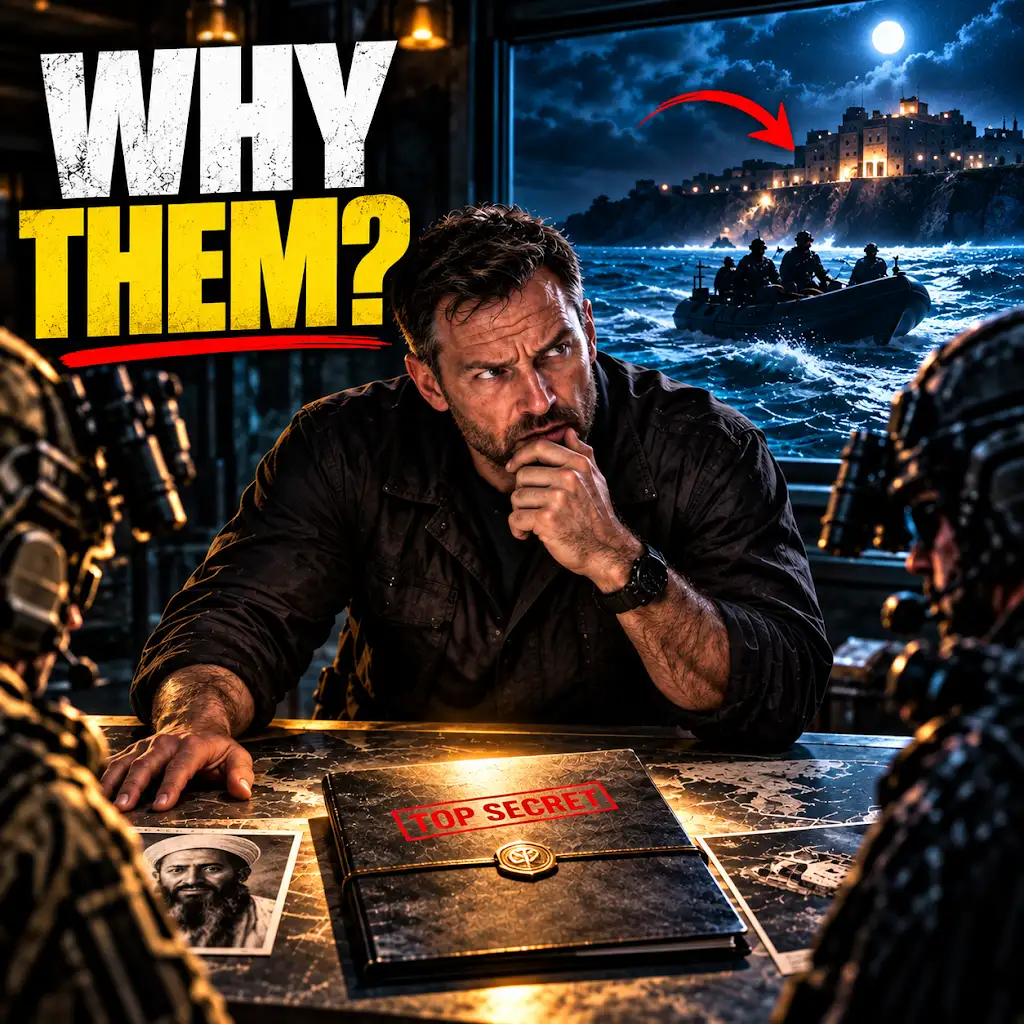
Why SEAL Team Six Got the Bin Laden Raid — Not Delta Force
FAQs
What is William McRaven known for?
William McRaven is a retired United States Navy admiral who is best known for his role as the commander of the United States Special Operations Command (USSOCOM).
What is Delta Force?
Delta Force, officially known as 1st Special Forces Operational Detachment-Delta, is a special operations unit of the United States Army. It is tasked with counterterrorism and other specialized missions.
What is SEAL Team Six?
SEAL Team Six, officially known as the United States Naval Special Warfare Development Group (DEVGRU), is a special operations unit of the United States Navy. It is best known for its role in the operation that led to the death of Osama bin Laden.
Did William McRaven serve in Delta Force and SEAL Team Six?
William McRaven did not serve in Delta Force or SEAL Team Six. He was a Navy SEAL and served in various leadership positions within the Navy SEAL teams.
What is William McRaven’s most famous military operation?
William McRaven is most famous for overseeing the operation that led to the death of Osama bin Laden in 2011. He was the commander of Joint Special Operations Command (JSOC) at the time.