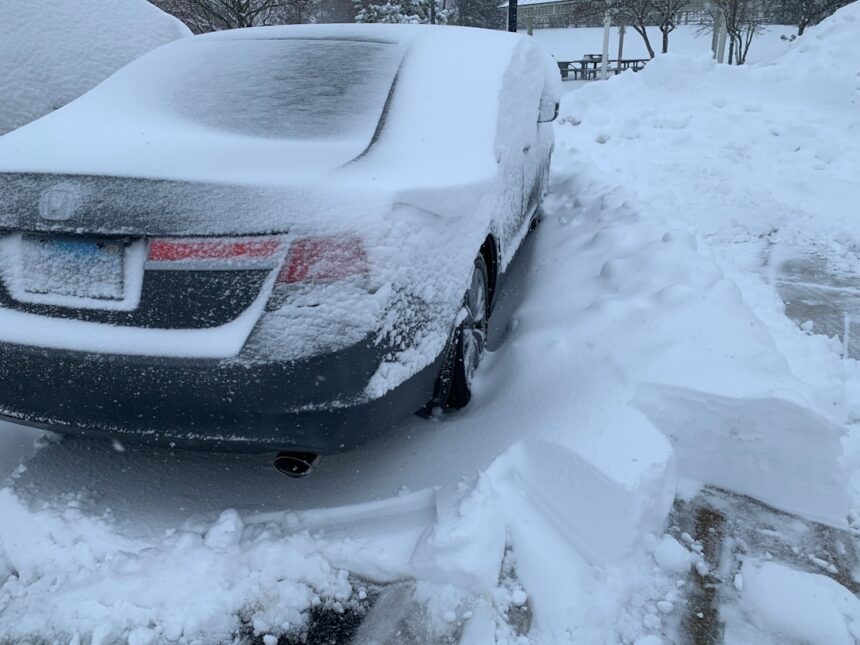
Snow creep is a phenomenon that occurs when snow accumulates on slopes and begins to move slowly under the influence of gravity. This movement is typically gradual and can be imperceptible at first, but over time, it can lead to significant shifts in the snowpack. Snow creep is particularly common in mountainous regions where heavy snowfall is frequent, and the terrain is steep.
The process is influenced by various factors, including temperature fluctuations, the type of snow, and the underlying surface conditions. The mechanics of snow creep involve the gradual deformation of the snowpack as it settles and compacts. As layers of snow accumulate, the weight of the upper layers exerts pressure on the lower layers, causing them to flow slowly downhill.
Unlike avalanches, which are sudden and catastrophic releases of snow, snow creep is a slow and often unnoticed process that can lead to structural issues over time.
Key Takeaways
- Snow creep is the slow downhill movement of snow under the force of gravity, often leading to structural damage.
- Snow creep can cause significant damage to structures, including buildings, roads, and infrastructure.
- There have been numerous incidents of snow creep causing damage throughout history, particularly in mountainous regions.
- Signs of snow creep include cracks in walls, uneven floors, and leaning or tilting structures.
- Factors contributing to snow creep include temperature fluctuations, snow density, and slope angle.
The Impact of Snow Creep on Structures
The impact of snow creep on structures can be profound, particularly in areas where buildings and infrastructure are situated on or near slopes. As the snowpack shifts, it can exert lateral forces on foundations, walls, and roofs, leading to structural damage. Over time, this can result in cracks in walls, misalignment of doors and windows, and even complete structural failure if not addressed promptly.
The gradual nature of snow creep often means that damage accumulates over years, making it difficult to pinpoint the exact cause when issues arise. In addition to physical damage, snow creep can also pose safety risks for occupants of affected buildings. As structures become compromised, the risk of collapse increases, particularly during periods of heavy snowfall or rapid warming that can exacerbate the movement of the snowpack.
Property owners may find themselves facing not only repair costs but also potential liability issues if injuries occur as a result of neglecting the signs of snow creep.
The History of Snow Creep Incidents
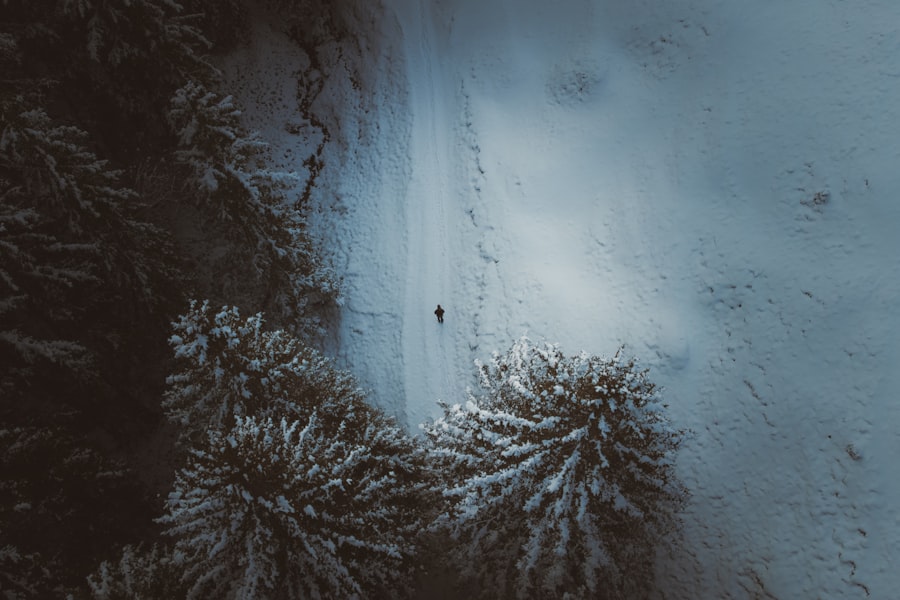
Historically, incidents related to snow creep have been documented in various regions around the world, particularly in mountainous areas where heavy snowfall is common. One notable incident occurred in the Swiss Alps in the early 2000s when a series of buildings experienced significant structural damage due to undetected snow creep. The slow movement of the snowpack led to cracks in foundations and walls, prompting extensive investigations into the causes and preventive measures that could be implemented.
Another significant case took place in North America, where several ski resorts reported issues with snow creep affecting their lodges and facilities. In these instances, property owners were often unaware of the gradual movement occurring beneath their structures until it was too late. These historical incidents have led to increased awareness and research into snow creep, highlighting the need for better monitoring and preventive strategies in areas prone to this phenomenon.
Signs and Symptoms of Snow Creep
| Signs and Symptoms of Snow Creep |
|---|
| 1. Sudden cracking or popping sounds |
| 2. Tilting or leaning of trees or poles |
| 3. Bulging or cracking of the snowpack |
| 4. Recent avalanches in the area |
| 5. Unusual snow movement or settling |
Recognizing the signs and symptoms of snow creep is crucial for property owners and managers in affected areas. One of the most common indicators is the appearance of cracks in walls or foundations. These cracks may start small but can grow larger over time as the movement continues.
Additionally, doors and windows may become misaligned or difficult to open and close, signaling that the structure is shifting due to external forces. Other signs may include visible changes in the landscape surrounding a building, such as uneven ground or shifting pathways. In some cases, property owners may notice that snow accumulates differently on their roofs or slopes compared to neighboring structures.
These subtle changes can serve as early warning signs that snow creep is occurring and should prompt further investigation into potential impacts on structural integrity.
Factors Contributing to Snow Creep
Several factors contribute to the occurrence of snow creep, making it a complex phenomenon influenced by environmental conditions. One primary factor is temperature fluctuations; when temperatures rise during the day and fall at night, it can create a cycle that affects the consistency of the snowpack. Warmer temperatures can cause the snow to soften and become more pliable, increasing its ability to flow downhill under pressure.
The type of snow also plays a significant role in snow creep. Wet, heavy snow tends to be more prone to movement than light, powdery snow due to its increased weight and density. Additionally, the slope’s angle and surface conditions—such as whether it is covered in ice or has vegetation—can influence how easily the snowpack shifts.
Understanding these contributing factors is essential for predicting and managing the risks associated with snow creep.
Preventative Measures for Snow Creep
Implementing preventative measures for snow creep is vital for safeguarding structures located in vulnerable areas. One effective strategy is to conduct regular inspections of buildings and surrounding landscapes during winter months. Property owners should be vigilant for signs of shifting or cracking and address any issues promptly before they escalate into more significant problems.
Another preventative measure involves engineering solutions such as reinforcing foundations or installing retaining walls designed to withstand lateral forces from moving snow. Proper drainage systems can also help mitigate water accumulation that may contribute to softening the snowpack. By taking proactive steps to manage snow creep risks, property owners can protect their investments and ensure safety for occupants.
Case Studies of Snow Creep Damage
Several case studies illustrate the impact of snow creep on structures across different regions. In one instance in Colorado, a ski lodge experienced extensive damage due to undetected snow creep over several winters. The gradual movement led to significant cracks in the foundation and walls, ultimately requiring costly repairs and renovations.
Investigations revealed that inadequate drainage systems had contributed to the problem by allowing water to accumulate around the building’s base. Another case study from Canada highlighted a residential community built on a hillside that faced severe challenges from snow creep. Homeowners reported misaligned doors and windows as well as visible cracks in their homes’ exteriors.
A thorough assessment revealed that many homes had been constructed without considering potential snow movement risks. As a result, local authorities implemented new building codes requiring better engineering practices for future developments in similar areas.
The Cost of Snow Creep Damage
The financial implications of snow creep damage can be substantial for property owners and communities alike. Repairing structural damage caused by shifting snow can involve significant costs, including foundation repairs, wall reinforcements, and potential relocation expenses for residents if buildings become uninhabitable. In some cases, insurance may not cover damages related to gradual movements like snow creep, leaving property owners to bear the full financial burden.
Beyond direct repair costs, there are also indirect expenses associated with decreased property values and potential liability claims if injuries occur due to structural failures. Communities may face increased costs related to emergency services if buildings collapse or become unsafe due to neglecting signs of snow creep. Therefore, understanding and addressing this phenomenon is not only crucial for individual property owners but also for maintaining community safety and economic stability.
The Role of Climate Change in Snow Creep
Climate change plays an increasingly significant role in exacerbating issues related to snow creep. As global temperatures rise, patterns of snowfall are changing; warmer winters may lead to heavier precipitation events followed by rapid thawing periods. These fluctuations can create conditions that make snow more susceptible to movement as it transitions between solid and liquid states more frequently.
Additionally, climate change can alter vegetation patterns on slopes, affecting how well they stabilize soil and prevent erosion. With less vegetation to anchor soil in place, slopes may become more vulnerable to both snow creep and other forms of land movement. Understanding these connections between climate change and snow creep is essential for developing effective strategies for managing risks associated with this phenomenon.
While both snow creep and avalanches involve the movement of snow down slopes, they are fundamentally different phenomena with distinct characteristics. Snow creep is a slow, gradual process that occurs over time, often going unnoticed until structural damage becomes apparent. In contrast, avalanches are sudden releases of large volumes of snow that can occur rapidly under specific conditions such as heavy snowfall or warming temperatures.
The forces involved in each phenomenon also differ significantly; while snow creep exerts lateral pressure on structures over time, avalanches generate immense kinetic energy that can lead to catastrophic destruction in mere moments. Understanding these differences is crucial for risk assessment and management strategies in areas prone to both types of snow movement.
How to Rebuild After Snow Creep Damage
Rebuilding after damage caused by snow creep requires careful planning and consideration of various factors to ensure long-term stability and safety. First and foremost, property owners should conduct thorough assessments of existing structures before beginning repairs or reconstruction efforts. This may involve consulting with engineers who specialize in slope stability and foundation design.
Incorporating preventative measures into rebuilding efforts is essential; this could include reinforcing foundations with better materials or implementing drainage systems designed to manage water runoff effectively. Additionally, educating occupants about recognizing signs of potential future issues can help ensure ongoing safety and maintenance after repairs are completed. In conclusion, understanding snow creep is vital for anyone living or working in areas prone to this phenomenon.
By recognizing its signs, understanding its impacts on structures, and implementing preventative measures, property owners can mitigate risks associated with this slow-moving yet potentially damaging process. As climate change continues to influence weather patterns globally, awareness of how these factors interact will be crucial for safeguarding lives and investments against the effects of snow creep.
Snow creep, a phenomenon where snow gradually moves down a slope, can have devastating effects on structures built in snowy regions. A related article that delves into the impacts of snow creep on infrastructure can be found at In the War Room. This article discusses various case studies, including how snow creep contributed to the destruction of a base, highlighting the importance of understanding and mitigating the risks associated with this natural occurrence.
WATCH THIS! Inside Iceworm: America’s Secret Nuclear City Built Under Greenland
FAQs
What is snow creep?
Snow creep is the slow downhill movement of snow under the influence of gravity. It occurs when the weight of the snow causes it to deform and flow over time.
How does snow creep occur?
Snow creep occurs when the weight of the snow causes it to deform and flow downhill. This can be influenced by factors such as temperature, slope angle, and the presence of obstacles.
What are the effects of snow creep?
Snow creep can have destructive effects on structures and infrastructure, as it can exert significant pressure and force as it moves downhill. This can lead to damage or destruction of buildings, roads, and other infrastructure.
How can snow creep be prevented?
Preventing snow creep often involves careful planning and design of structures in snow-prone areas. This can include measures such as building retaining walls, using snow fences, and implementing proper drainage systems to redirect snowmelt.
What should be done if snow creep is detected near a structure?
If snow creep is detected near a structure, it is important to take immediate action to mitigate the potential damage. This can include reinforcing the structure, removing excess snow, or implementing measures to redirect the flow of snow.