The genesis of the Joint Special Operations Command (JSOC) is a narrative woven from necessity, tragedy, and a relentless pursuit of specialized capability. For decades, the United States military had relied on individual service special operations forces (SOF) to conduct a range of sensitive and unconventional missions. However, the limitations of uncoordinated, service-centric approaches became starkly apparent during critical junctures in the nation’s history. The evolution of JSOC represents a fundamental shift in how the U.S. addresses its most complex and dangerous national security challenges, transitioning from disparate units to a cohesive, highly adaptable, and globally integrated fighting force.
Before the formal establishment of JSOC, special operations in the United States were largely the domain of individual military branches. Each service developed its own distinct capabilities and units, often with overlapping skill sets and a degree of operational independence.
The Birth of Special Warfare: World War II and Beyond
The lessons learned during World War II, with the deployment of units like the Office of Strategic Services (OSS), highlighted the value of specialized clandestine and unconventional warfare capabilities. Post-war, the U.S. Army’s Green Berets, the U.S. Navy’s SEALs, and the U.S. Air Force’s Special Operations Wing began to solidify their identities and operational doctrines. These units were designed for distinct environments and mission sets, from guerrilla warfare and counter-insurgency to maritime interdiction and airland rescue.
Strengths and Limitations of Service-Centric SOF
The inherent strength of this service-centric model lay in the deep specialization and esprit de corps fostered within each branch. However, it also created significant challenges. Missions requiring inter-service cooperation often suffered from bureaucratic hurdles, differing operational philosophies, and a lack of seamless command and control. Resource allocation could be competitive rather than collaborative, and the ability to rapidly deploy a truly joint force for a critical operation was hampered by organizational silos.
The Shadow of Failure: The Iranian Hostage Rescue Mission
Perhaps the most pivotal event that underscored the urgent need for a unified and coordinated special operations capability was the disastrous Iranian hostage rescue mission, Operation Eagle Claw, in April 1980. This ill-fated attempt to free American diplomats held in Iran exposed deep-seated problems within the U.S. military’s ability to plan and execute complex, multi-service special operations.
Disparate Assets and Communication Breakdowns
Operation Eagle Claw involved a hastily assembled coalition of personnel and assets from the Army, Navy, and Air Force. The mission was plagued by a series of catastrophic failures, including mechanical issues with helicopters, a critical helicopter crash, and a devastating fire that engulfed several aircraft. Contributing factors included inadequate inter-service communication protocols, insufficient joint training, and a lack of a single, empowered commander to oversee the entire operation. The fragmented command structure and the inability to effectively integrate different service components proved to be fatal to the mission’s success.
The Powell Doctrine and the Call for Reform
The stark failure of Operation Eagle Claw resonated throughout the Pentagon and the halls of Congress. It became a potent symbol of the shortcomings of the existing special operations framework. In the aftermath, a comprehensive review of U.S. special operations capabilities was initiated, leading to recommendations for significant organizational reform. The insights gleaned from this period would lay the groundwork for the creation of a more integrated and effective special operations apparatus.
The history of the Joint Special Operations Command (JSOC) is a fascinating topic that delves into the evolution of elite military operations and counter-terrorism strategies. For those interested in exploring this subject further, a related article can be found at In the War Room, which provides an in-depth analysis of JSOC’s formation, key missions, and its impact on modern warfare. This resource offers valuable insights into the complexities and challenges faced by special operations forces throughout history.
Forging a Joint Force: The Birth and Early Development of JSOC
In the wake of Operation Eagle Claw, the imperative to reform and unify U.S. special operations forces became undeniable. The establishment of the Joint Special Operations Command was a direct consequence of this recognition, aiming to address the systemic issues that had led to such a profound failure.
The Goldwater-Nichols Act and its Impact
While not solely responsible for the creation of JSOC, the landmark Goldwater-Nichols Department of Defense Reorganization Act of 1986 was a watershed moment for joint military operations across the board. This legislation mandated greater integration and cooperation between the different branches of the armed forces, emphasizing joint training, joint assignments, and the establishment of unified combatant commands. The spirit of Goldwater-Nichols provided the necessary legislative and doctrinal foundation for the creation and empowerment of a joint special operations command.
Unifying Command and Control
The core objective behind the formation of JSOC was to create a single, unified command responsible for the planning, synchronization, and execution of the most sensitive and high-risk special operations missions. This meant bringing together specialized units from across the services under a centralized authority, ensuring that their capabilities could be leveraged in a coordinated and efficient manner.
The Formal Establishment of JSOC
JSOC was officially established in 1980, in direct response to the failings of Operation Eagle Claw, though its capabilities and influence would grow considerably in the years that followed. Its initial mandate was to improve the proficiency and readiness of special operations forces for counter-terrorism and hostage rescue operations.
Key Component Units
From its inception, JSOC drew upon the most elite units from each service. These included:
- Delta Force (1st Special Forces Operational Detachment-Delta): An Army special mission unit renowned for its counter-terrorism capabilities, hostage rescue, and direct action operations.
- DEVGRU (Naval Special Warfare Development Group), formerly SEAL Team Six: A highly secretive Navy unit specializing in maritime counter-terrorism, hostage rescue, and special reconnaissance.
- 24th Special Tactics Squadron: The Air Force’s premier special tactics unit, responsible for providing battlefield airmen, special reconnaissance, and combat search and rescue in high-risk environments.
- Other supporting units: JSOC also incorporated intelligence, aviation, and logistical support elements from across the services to provide a comprehensive operational package.
The Early Years: Building Trust and Doctrine
The initial years of JSOC were dedicated to establishing a common operating picture, developing joint doctrine, and fostering a culture of trust and mutual respect among personnel from different services. This involved extensive joint training exercises, shared intelligence platforms, and the development of standardized operational procedures. The focus was on ironing out the kinks and building a robust framework for future operations.
The Global War on Terror: JSOC’s Ascendancy and Operational Evolution
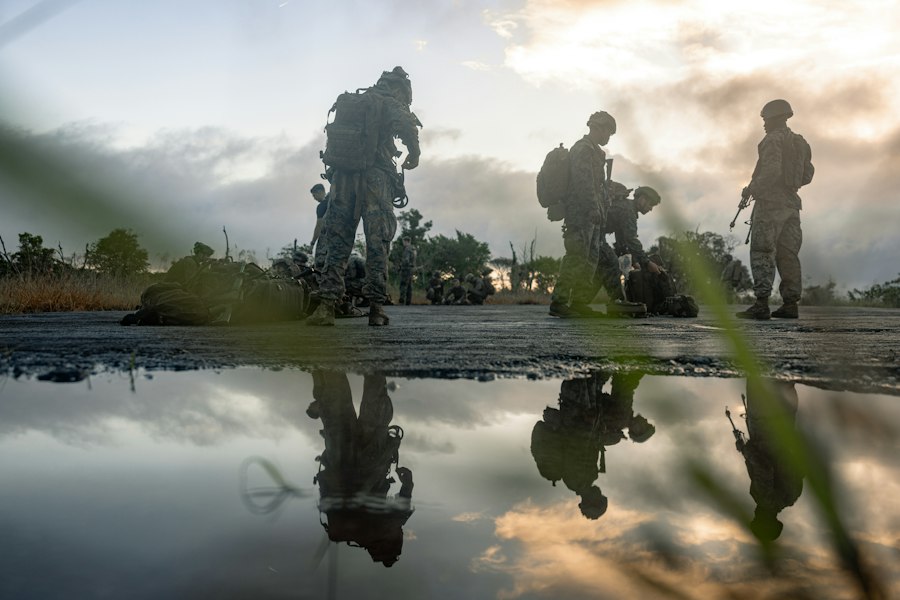
The events of September 11, 2001, and the subsequent Global War on Terror (GWOT) marked a profound turning point in JSOC’s history. The demand for its unique capabilities surged, propelling the command from a relatively specialized entity to a central pillar of U.S. national security strategy.
A New Paradigm: Counter-Terrorism as a Primary Mission
The 9/11 attacks fundamentally redefined the U.S. national security landscape. The threat of non-state actors and transnational terrorism became the paramount concern, and JSOC’s core competencies in direct action, counter-terrorism, and unconventional warfare were suddenly in high demand across the globe.
Rapid Deployment and Persistent Operations
JSOC was tasked with hunting down terrorists in far-flung theaters, from the caves of Afghanistan to the urban centers of Iraq and beyond. This required an unprecedented level of operational tempo, rapid deployment capabilities, and the ability to sustain persistent operations in denied or hostile environments. The command became adept at conducting surgical strikes, intelligence gathering, and direct action missions against high-value targets.
The Rise of “Black Operations” and Intelligence Dominance
The GWOT witnessed an explosion in the scale and scope of JSOC’s intelligence operations. The command developed an unparalleled ability to fuse human intelligence (HUMINT), signals intelligence (SIGINT), and imagery intelligence (IMINT) to identify, track, and neutralize terrorist threats. This intelligence-driven approach became the hallmark of JSOC’s success.
Seamless Intelligence-Military Integration
JSOC fostered an incredibly close relationship with the intelligence community, particularly the CIA. This allowed for the rapid transition of intelligence from collection to action, enabling swift and precise operations. The ability to develop actionable intelligence and immediately deploy SOF to exploit it became a decisive advantage.
Target Development and Capture/Kill Missions
JSOC’s intelligence apparatus became exceptionally skilled at identifying and developing targets. This led to a significant increase in the number of capture or kill missions against terrorist leaders and operatives. The command’s ability to conduct these operations with minimal collateral damage and maintain operational secrecy became a critical factor in its effectiveness.
Adaptability and Innovation in the Face of Evolving Threats
The nature of the terrorist threat was constantly evolving, requiring JSOC to be equally adaptable and innovative. As groups like al-Qaeda and later ISIS mutated and adapted, JSOC refined its tactics, techniques, and procedures (TTPs) to stay ahead of the curve.
Countering Insurgency and Hybrid Warfare
While initially focused on counter-terrorism, JSOC’s operational spectrum broadened to include aspects of counter-insurgency and even operations in a hybrid warfare environment. The command’s ability to operate in complex, politically sensitive environments, often without the overt presence of conventional forces, proved invaluable.
Technological Advancements and Specialization
JSOC embraced technological advancements with remarkable speed. This included the development and deployment of advanced surveillance and reconnaissance platforms, sophisticated communication systems, and cutting-edge weaponry. The command also continued to foster extreme specialization within its units, ensuring that each element possessed the most relevant and advanced skill sets for its assigned missions.
The Modern JSOC: Global Reach, Specialization, and the Shadow War
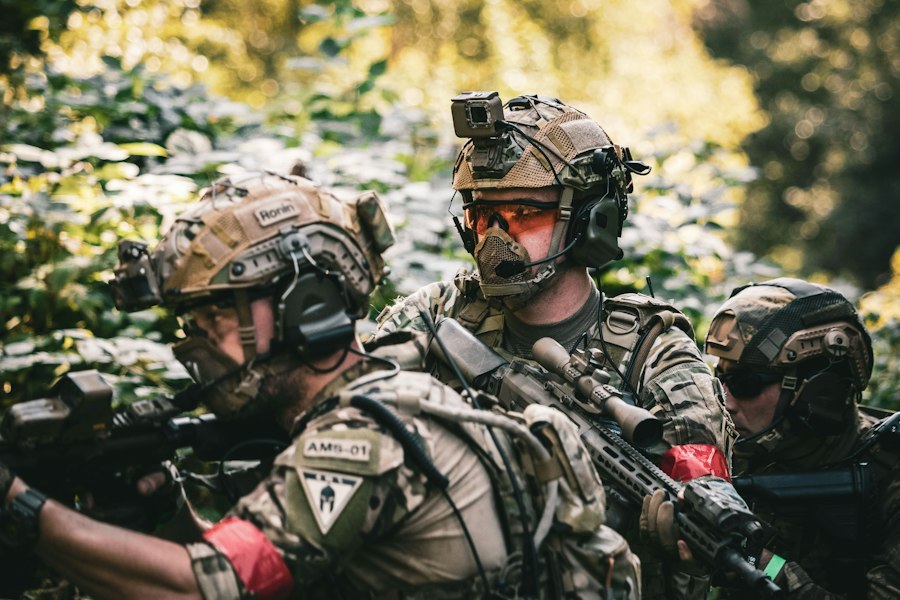
In the post-9/11 era, JSOC has cemented its position as a preeminent global force, operating in the shadows and often beyond the public eye. Its evolution has been characterized by an expansion of its operational footprint, an intensification of its specialized capabilities, and a continued reliance on intelligence-driven operations.
Global Presence and Persistent Engagement
JSOC units are now routinely deployed across continents, engaged in a continuous cycle of intelligence gathering, training with partner nations, and conducting direct action operations against designated threats. This persistent engagement allows the command to maintain a forward posture and respond rapidly to emerging crises.
Partnerships and Capacity Building
A significant aspect of JSOC’s modern operations involves working with allied and partner nations. This includes training their special operations forces, sharing intelligence, and conducting joint operations. These partnerships are crucial for building local capacity to combat terrorism and instability, and for gaining access and operational freedom in complex regions.
The Unseen Hand: Deniable Operations
JSOC’s ability to conduct operations discreetly, often with a degree of deniability for the U.S. government, remains a key characteristic. This allows for the projection of power and the disruption of threats without necessarily triggering overt political escalation or requiring large-scale conventional military deployments.
The Pinnacle of Specialization: Tier 1 Capabilities
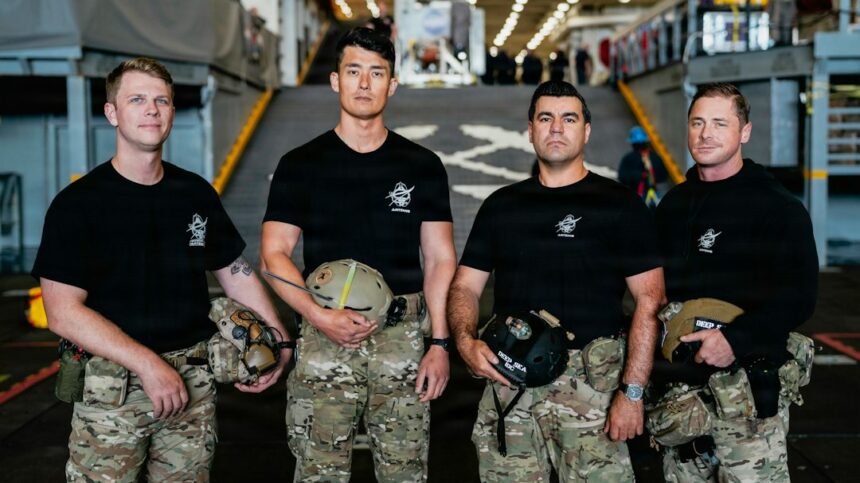
JSOC commands the United States’ Tier 1 special operations forces, the absolute apex of military specialization. These units are meticulously recruited, rigorously trained, and equipped with the most advanced technology available. Their operators possess an extraordinary array of skills, from advanced combat proficiency and infiltration techniques to deep intelligence analysis and cultural acumen.
Unrivaled Direct Action Capabilities
JSOC units are the nation’s go-to force for high-stakes direct action missions, including hostage rescue, counter-terrorism strikes against hardened targets, and the elimination of high-value enemy leadership. Their ability to execute these missions with precision, speed, and minimal risk to civilian populations is a testament to their advanced training and sophisticated operational planning.
Advanced Reconnaissance and Intelligence Gathering
Beyond direct action, JSOC also excels in specialized reconnaissance and intelligence gathering. This can involve clandestine surveillance in denied areas, human intelligence operations, and the deployment of advanced sensor technologies to gather critical information on enemy activities and intentions.
The Ethics and Oversight of Shadow Operations
The nature of JSOC’s operations, often conducted in secrecy and with significant autonomy, raises complex ethical and oversight questions. The command operates within a framework of presidential authority and congressional oversight, but the inherent secrecy of its missions can make public accountability challenging.
Balancing Secrecy and Accountability
Striking a balance between the operational necessity of secrecy and the democratic imperative of accountability is an ongoing challenge. While JSOC’s actions are intended to protect national security, ensuring that they are conducted within legal and ethical boundaries requires robust internal oversight mechanisms and diligent external review.
The Evolving Legal and Policy Landscape
The legal and policy landscape governing special operations is constantly evolving. Debates surrounding the use of lethal force, the rules of engagement, and the application of international law to covert operations are ongoing. JSOC’s operational framework must continuously adapt to these changing legal and policy considerations.
The history of the Joint Special Operations Command (JSOC) is a fascinating topic that delves into the evolution of elite military operations in the United States. For those interested in exploring this subject further, an insightful article can be found at In the War Room, which provides a comprehensive overview of JSOC’s formation, key missions, and its impact on modern warfare. This resource offers valuable context for understanding how special operations have shaped military strategy and counterterrorism efforts over the years.
JSOC’s Enduring Mission and Future Challenges
| Year | Event | Description | Significance |
|---|---|---|---|
| 1980 | Operation Eagle Claw | Failed mission to rescue American hostages in Iran. | Highlighted the need for a unified special operations command. |
| 1987 | Establishment of JSOC | Joint Special Operations Command was created under USSOCOM. | Centralized command for elite special operations forces. |
| 1993 | Battle of Mogadishu | JSOC units participated in the raid to capture Somali warlord. | Demonstrated JSOC’s operational capabilities and challenges. |
| 2001 | War on Terror Begins | JSOC played a key role in targeting Al-Qaeda and Taliban forces. | Expanded JSOC’s operational scope and global reach. |
| 2011 | Operation Neptune Spear | JSOC forces conducted the raid that killed Osama bin Laden. | Major success in counterterrorism operations. |
| 2020 | Continued Counterterrorism Operations | JSOC remains active in global counterterrorism and special missions. | Maintains strategic importance in U.S. military operations. |
The Joint Special Operations Command, forged in the fires of necessity and honed by decades of conflict, continues to be a critical instrument of U.S. national security. Its evolution from a nascent coordination mechanism to a globally integrated special operations enterprise reflects a dynamic response to an ever-changing threat environment.
Adaptability as the Core Principle
The most defining characteristic of JSOC’s evolution is its relentless adaptability. The command has consistently demonstrated an ability to pivot, innovate, and transform in response to new threats, technologies, and geopolitical realities. This inherent flexibility is its greatest strength and a prerequisite for its continued success.
Anticipating Future Threats
As the global security landscape continues to shift, JSOC will undoubtedly face new and evolving challenges. This includes the rise of sophisticated state-sponsored cyber warfare, the proliferation of advanced drone technology by non-state actors, and the potential for renewed great power competition that may necessitate different SOF applications. JSOC will need to remain at the forefront of anticipating these threats and developing commensurate capabilities.
The Human Element: Recruitment, Training, and Retention
Despite the technological advancements and evolving doctrines, the core of JSOC’s effectiveness remains its people. The rigorous selection, unparalleled training, and demanding operational tempo place immense pressure on its operators. Ensuring the continuous recruitment of highly qualified individuals and the effective retention of experienced personnel will be a perpetual challenge.
Maintaining the Edge in a Competitive Environment
The demand for specialized military capabilities is global. JSOC operates in an environment where other nations are also developing their own elite special operations forces. Maintaining the U.S. advantage requires a commitment to continuous improvement, innovation, and the fostering of a superior operational culture.
The Future of Special Operations
The evolution of JSOC is not a finished story. As the nature of conflict changes, so too will the role and capabilities of special operations forces. The command will likely continue to integrate with emerging technologies, refine its joint operational concepts, and adapt its strategies to meet the complex security demands of the 21st century. Its legacy is one of continuous adaptation, a testament to the enduring need for specialized, agile, and highly effective forces capable of operating in the most challenging circumstances. The evolution of JSOC represents the ongoing transformation of American special operations into a force that is both indispensable and perpetually ready for the unknown.
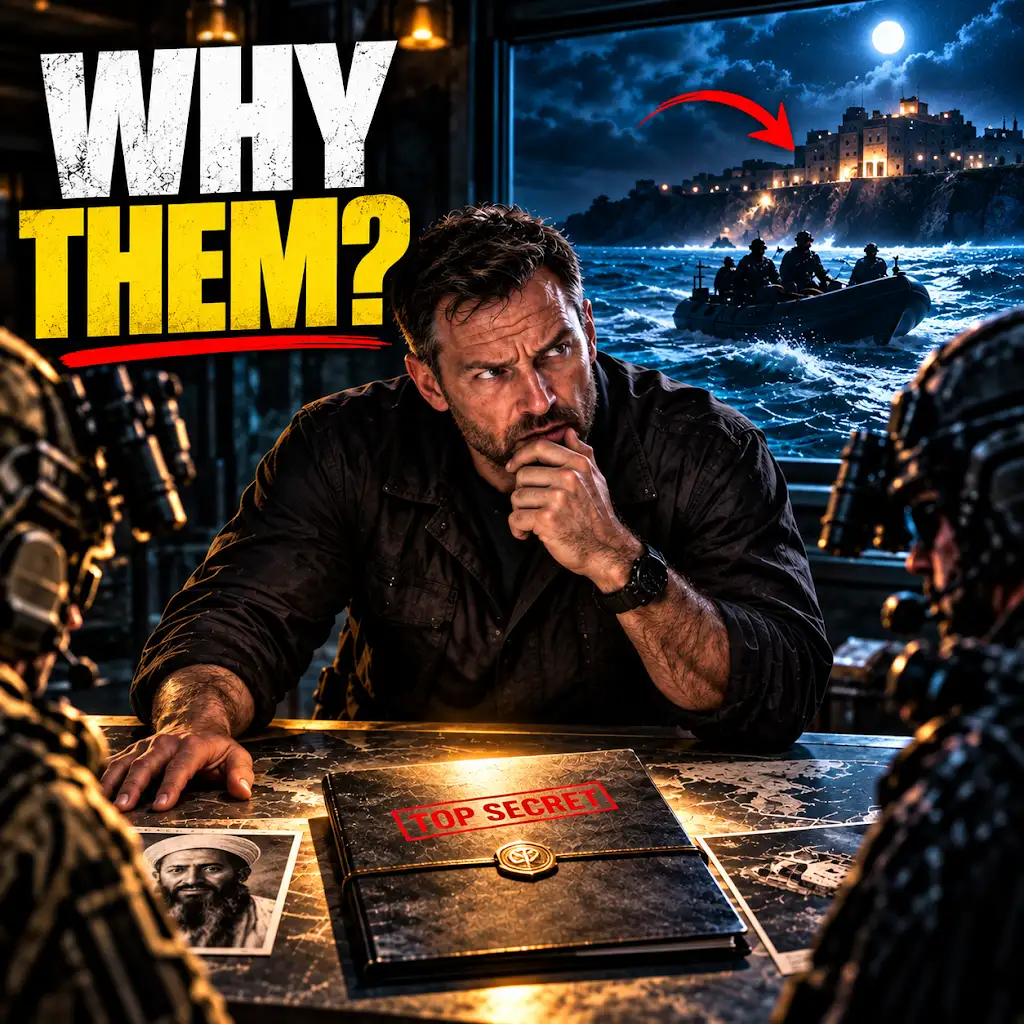
Why SEAL Team Six Got the Bin Laden Raid — Not Delta Force
FAQs
What is the Joint Special Operations Command (JSOC)?
The Joint Special Operations Command (JSOC) is a component command of the United States Special Operations Command (USSOCOM) and is responsible for overseeing special operations forces from multiple branches of the U.S. military.
When was the Joint Special Operations Command (JSOC) established?
JSOC was established in 1980 in response to the failed attempt to rescue American hostages in Iran. It was created to enhance coordination and effectiveness of special operations forces across different branches of the military.
What is the role of the Joint Special Operations Command (JSOC) in military operations?
JSOC is tasked with conducting highly classified and sensitive missions, including counterterrorism operations, hostage rescues, and other specialized missions that require the expertise of special operations forces.
Can you provide examples of successful missions conducted by the Joint Special Operations Command (JSOC)?
JSOC has been involved in several high-profile missions, including the capture of Saddam Hussein in Iraq, the raid that resulted in the death of Osama bin Laden in Pakistan, and the rescue of Jessica Lynch in Iraq.
How does the Joint Special Operations Command (JSOC) differ from other special operations units in the U.S. military?
JSOC is unique in that it brings together elite forces from different branches of the military, such as the Army’s Delta Force, the Navy’s SEAL Team 6, and the Air Force’s 24th Special Tactics Squadron, to work together on specialized missions.