The annals of military history are replete with tales of exceptional units, organizations forged in the crucible of conflict and honed by relentless training to achieve the impossible. Among these elite formations, the story of SEAL Team Six stands as a testament to strategic foresight, unwavering dedication, and the pursuit of unparalleled operational capability. Its birth was not a sudden spark, but a deliberate and complex process, driven by the evolving threats of a turbulent world and the need for a specialized tool to address them. The creation of this legendary unit was a direct response to a critical operational failure, a stark reminder that even the most capable forces could be found wanting in the face of unconventional and high-stakes scenarios.
The Shadow of the Eagle: The Iranian Hostage Crisis
The events of November 4, 1979, irrevocably altered the landscape of international relations and exposed vulnerabilities in the United States’ response to certain types of threats. The seizure of the U.S. Embassy in Tehran and the subsequent holding of American diplomats hostage by Iranian militants was a profound humiliation and a significant geopolitical crisis. For 444 days, the world watched as the United States grappled with this unprecedented challenge. While diplomatic efforts and economic sanctions were employed, a growing frustration simmered within the Pentagon and intelligence agencies.
The Imperfect Instrument: Limitations of Existing Capabilities
In the late 1970s, the United States military possessed formidable capabilities, including special operations forces. The U.S. Navy SEALs, renowned for their amphibious assault and counter-terrorism expertise, were a highly respected and effective unit. However, the Iranian hostage crisis highlighted specific gaps in their operational capacity, particularly concerning the complexities of a high-risk hostage rescue scenario deep within hostile territory. The existing SEAL teams, while proficient in various environments, were not specifically structured or trained for the unique demands of such a complex, clandestine operation.
Breed of the Warrior: The Core Competencies of the SEALs
Naval Special Warfare (NSW) has a long and distinguished lineage, with its roots tracing back to World War II’s Underwater Demolition Teams (UDTs). The modern SEAL (Sea, Air, Land) teams emerged in the 1960s, designed to be highly adaptable and capable of operating across multiple domains. Their training emphasized extreme physical and mental fortitude, proficiency in small-unit tactics, demolitions, reconnaissance, and direct action missions. They were the tip of the spear, capable of penetrating enemy defenses and achieving decisive results in littoral and maritime environments.
The Tehran Tangle: Why Conventional Approaches Failed
The Iranian hostage situation presented a unique set of challenges that strained even the capabilities of the elite SEAL units. The sheer audacity of the seizure, the immediate entanglement with a revolutionary government, and the prolonged nature of the crisis demanded a different kind of response. Conventional military operations, such as overt assaults, were deemed too risky, potentially leading to the deaths of all hostages. Intelligence gathering was hampered by the political climate and the opaque nature of the situation. The existing special operations forces, while trained for direct action, lacked the specialized skill sets and the organizational structure to effectively plan and execute a highly complex, covert hostage rescue mission under such extreme political sensitivity. The failure to find a viable military solution, coupled with the agonizing duration of the crisis, underscored the need for a dedicated and supremely capable unit.
The Genesis of a Need: The Imperative for Specialization
The trauma of the Iranian hostage crisis served as a potent catalyst, forcing a critical re-evaluation of U.S. special operations capabilities. The military leadership, along with intelligence agencies, recognized a significant void. While existing units could perform a wide range of missions, there was a palpable absence of a force specifically designed and meticulously trained to handle the most extreme and politically charged hostage rescue operations, particularly those occurring in denied or hostile territory. This realization was not a critique of the SEALs themselves, but rather an acknowledgment that a specialized approach was required for a new breed of threat. The lessons learned, however painful, were invaluable.
The history of SEAL Team Six, officially known as Naval Special Warfare Development Group (NSWDG), is a fascinating tale of innovation and elite military strategy that emerged in response to the growing need for specialized counter-terrorism units in the late 20th century. For a deeper understanding of the origins and evolution of this formidable team, you can explore the related article available at this link. This resource provides insights into the challenges faced during its formation and the pivotal missions that have defined its legacy.
The Architects of Resolve: The Formation of SEAL Team Six
The decision to create a new, highly specialized unit was not taken lightly. It involved extensive deliberation, planning, and a clear understanding of the requirements. The objective was to build a force that could not only confront direct threats but also project power and influence in the most challenging environments, often operating in the shadows, with a premium placed on surgical precision and a near-perfect success rate. The formation of SEAL Team Six was a strategic investment in the nation’s security, a commitment to ensuring that such a crisis would never be left without a viable, highly capable military option.
A Name of Purpose: The Enigma of “Six”
The designation “SEAL Team Six” itself carries an air of mystery and intrigue, a deliberate choice designed to obscure the unit’s true strength and capabilities. At the time of its formation, there were only two existing SEAL teams: SEAL Team One and SEAL Team Two. The adoption of the number “six” was a tactical deception, intended to mislead potential adversaries into believing that there were more SEAL teams than actually existed. This psychological warfare element was woven into the very fabric of the unit’s identity, a subtle yet effective tool in its operational arsenal.
The Strategic Deception: Hiding in Plain Sight
The choice of “Six” was a calculated move to sow confusion and uncertainty among adversaries. By suggesting a larger, more distributed presence of SEAL teams, the United States could create a strategic ambiguity that would complicate enemy planning and potentially deter hostile actions. This deliberate misdirection was a hallmark of special operations, where information control and deception are as vital as physical prowess. The unit’s true size and capabilities remained a closely guarded secret, contributing to its mystique and effectiveness.
The Genesis of the Task Force: Immediate Action
The initial formation of what would become SEAL Team Six was not an immediate, stand-alone organizational chart. Instead, it evolved from a need for immediate action and a willingness to pool the best talent. Elements from existing SEAL teams were drawn together, forming a task force dedicated to developing the specialized capabilities required. This ad hoc approach, born out of necessity, quickly demonstrated the efficacy of a focused and highly trained unit. The lessons learned from this initial phase directly informed the subsequent formal establishment of the dedicated unit.
The Blueprint for Excellence: Defining the Mission and Structure
The creation of SEAL Team Six was more than just a name change; it was the establishment of a distinct operational paradigm. The unit was envisioned as the premier counter-terrorism and hostage rescue force, capable of deploying anywhere in the world on short notice to address the most complex and dangerous threats. Its mission profile was specific and demanding, requiring a unique blend of skills and a highly integrated operational structure.
The Premier Counter-Terrorism Force: A New Standard
SEAL Team Six was conceived to be the pinnacle of counter-terrorism and hostage rescue operations. This meant a radical shift in training and operational doctrine. The focus moved beyond traditional direct action to encompass a broader spectrum of specialized capabilities, including advanced intelligence gathering, close-quarters battle (CQB) expertise, infiltration and exfiltration techniques in diverse environments, and the meticulous planning and execution of high-stakes rescues. The unit was to be a force multiplier, capable of achieving objectives that other units could not, or would not, undertake.
The Cadre of Elite: Recruitment and Selection
The selection process for SEAL Team Six was, and remains, exceptionally rigorous. It demands individuals who not only possess the core competencies of a SEAL but also exhibit exceptional maturity, discipline, discretion, and an unwavering commitment to mission success. The mental fortitude required to operate under immense pressure, to make split-second life-or-death decisions, and to maintain absolute operational security is paramount. This ensured that the unit was composed of the most capable and trustworthy individuals.
Operational Autonomy and Integration: A Delicate Balance
SEAL Team Six was designed to operate with a degree of autonomy, allowing for rapid deployment and independent decision-making in the field. However, this autonomy was carefully balanced with close integration with intelligence agencies and other relevant branches of government. This ensured that operations were not only militarily effective but also strategically aligned with national policy objectives and legal frameworks. The ability to seamlessly integrate with intelligence assets was crucial for mission success.
The Crucible of Training: Forging Unparalleled Capabilities
The effectiveness of SEAL Team Six is a direct product of its relentlessly demanding training regimen. This training is not merely an extension of existing SEAL practices; it represents a quantum leap in specialization and intensity, designed to prepare operators for scenarios that push the boundaries of human endurance and operational capability. The unit’s training cadre is composed of seasoned operators, ensuring that instruction is grounded in real-world experience and the most current tactical knowledge.
Beyond the Basics: Specialized Skills and Scenarios
The training for SEAL Team Six goes far beyond the foundational skills expected of any SEAL. It encompasses highly specialized techniques tailored to the unit’s unique mission set. This includes, but is not limited to, advanced sniper and counter-sniper operations, close-quarters combat in complex urban environments, high-altitude, low-opening (HALO) parachuting, advanced underwater operations, and extensive training in non-conventional warfare and asymmetric threats. The emphasis is on mastering every conceivable scenario that might arise.
Close-Quarters Combat Mastery: The Urban Warfare Imperative
The reality of modern terrorism and hostage situations often plays out in confined, urban environments. SEAL Team Six training places an immense emphasis on mastering CQB. This involves intricate drills simulating raids on buildings, hostage extraction from heavily fortified locations, and engagements in extremely tight spaces. Operators are trained to move as a cohesive unit, communicate silently, and neutralize threats with surgical precision while prioritizing the safety of hostages.
Diversification of Infiltration and Exfiltration: Mastering Every Domain
The ability to access and egress from any location, undetected and with speed, is paramount. SEAL Team Six operators undergo extensive training in a wide array of infiltration and exfiltration methods. This includes advanced diving techniques for submerged entry, helicopter insertion and extraction (both overt and covert), parachuting in various conditions (including night jumps and HALO), and the use of specialized vehicles and equipment for traversing diverse terrain.
Intelligence Integration and Interrogation: The Human Element
Understanding the enemy and the operational environment is as critical as tactical execution. SEAL Team Six training places a significant emphasis on intelligence gathering and analysis. Operators are trained to observe, report, and gather information in ways that enhance situational awareness and inform operational planning. Furthermore, specific training in interrogation techniques, conducted within legal and ethical boundaries, is integrated to extract vital information from captured individuals or during operations.
The Power of Information: Cultivating Intelligence Assets
The success of SEAL Team Six operations often hinges on the quality and timeliness of intelligence. Operators are trained to identify potential intelligence sources, collect actionable information in real-time, and communicate it effectively to command and control. This might involve surveillance, debriefing of individuals, or the exploitation of enemy communications. The cultivation of intelligence assets and the ability to rapidly disseminate crucial data are integral to their operational cycle.
Ethical and Legal Frameworks: Operating Within Bounds
While operating in the most challenging and dangerous environments, SEAL Team Six operators are bound by strict ethical and legal frameworks. Their training includes extensive instruction on international law, rules of engagement, and the ethical considerations inherent in special operations. This ensures that operations are not only effective but also conducted with the utmost integrity and respect for human rights, even in the face of extreme adversity.
The Dawn of Operations: Early Missions and Their Impact
The establishment of SEAL Team Six was not merely an academic exercise; it was the creation of a potent instrument poised for action. Its early missions, often shrouded in secrecy, served to validate its existence, refine its operational doctrines, and solidify its reputation as a force capable of tackling the most daunting challenges. These initial operations provided invaluable lessons that further shaped the unit’s trajectory.
The Shadow Missions: Secrecy and Success
The early deployments of SEAL Team Six were characterized by an extreme level of secrecy. The nature of their missions, often involving hostage rescue, counter-terrorism, and direct action against high-value targets, demanded absolute discretion. The unit operated in the shadows, its successes often unheralded by the public, but deeply appreciated within the halls of power. These covert operations were crucial in testing the unit’s capabilities and building its operational experience.
The Unseen Victories: Protecting National Interests
While specific details of many early operations remain classified, the general consensus among those privy to these missions is that they were instrumental in protecting U.S. national interests and deterring hostile actions. These operations involved the liberation of captured individuals, the disruption of terrorist plots, and the neutralization of threats before they could escalate. The unit’s effectiveness in these early engagements provided a crucial confidence boost for the U.S. national security apparatus.
Refining the Doctrine: Lessons Learned in the Field
Every operation, successful or otherwise, provides an opportunity for learning and improvement. The early missions of SEAL Team Six were vital in this regard. Operators and leadership meticulously debriefed each deployment, identifying areas for improvement in training, equipment, and operational planning. These real-world lessons were integrated back into the training pipeline, ensuring that the unit continuously evolved and adapted to the ever-changing threat landscape.
The Shadow of the Bin Laden Raid: A Defining Moment (Though Later)
While not an “early” mission in the strictest sense of the unit’s initial formation, the raid that resulted in the death of Osama bin Laden in May 2011 stands as a monumental testament to the capabilities forged within SEAL Team Six. This operation, meticulously planned and executed with unparalleled precision, was the culmination of years of intelligence gathering, specialized training, and unwavering resolve. It demonstrated the unit’s capacity to undertake the most complex and politically sensitive missions imaginable.
The Long Pursuit: Years of Intelligence and Preparation
The operation to find and eliminate Osama bin Laden was not a spontaneous event. It was the result of years of painstaking intelligence work, involving various agencies and methods. SEAL Team Six played a crucial role in the latter stages of this pursuit, contributing to the planning and eventual execution of the raid. The unit’s specialized skills in reconnaissance, infiltration, and direct action were indispensable to this historic undertaking.
The Surgical Strike: Precision and Execution
The raid on bin Laden’s compound in Abbottabad, Pakistan, was a marvel of military precision. SEAL Team Six operators navigated complex terrain and executed a highly coordinated assault, neutralizing bin Laden and other key al-Qaeda operatives. The operation was executed with minimal collateral damage and achieved its primary objective with decisive success, solidifying the unit’s reputation as the premier counter-terrorism force in the world. This mission, though occurring decades after the unit’s inception, served as a defining moment that showcased the ultimate realization of the vision behind its creation.
The creation of SEAL Team Six marked a significant turning point in the history of U.S. special operations forces, as it was established to counter the growing threat of terrorism in the late 1970s. This elite unit was designed to conduct high-stakes missions that required unparalleled skill and precision. For those interested in exploring the broader context of special operations and their evolution, a related article can be found at In The War Room, which delves into the strategic developments that shaped modern military tactics.
The Enduring Legacy: Evolution and Continued Relevance
The birth of SEAL Team Six was not an endpoint but the beginning of a continuously evolving entity. The threats it was created to combat have transformed, and the unit has adapted, absorbing new technologies, refining its tactics, and maintaining its unwavering commitment to excellence. Its legacy is one of quiet professionalism, decisive action, and an enduring commitment to protecting national security in the face of the gravest threats.
Adapting to New Threats: The Ever-Evolving Landscape
The nature of global security threats is not static. From the initial focus on state-sponsored terrorism and hostage crises, SEAL Team Six has had to adapt to a more dispersed and decentralized threat landscape, including non-state actors, insurgencies, and hybrid warfare. The unit’s training and operational planning have continuously evolved to address these new challenges, ensuring its continued relevance and effectiveness.
Countering Hybrid Warfare: A Multifaceted Approach
The rise of hybrid warfare, characterized by a blend of conventional military tactics, irregular warfare, and cyber warfare, presents a complex challenge. SEAL Team Six is trained to operate effectively in such environments, leveraging its diverse skill sets to counter threats that blur the lines between conventional and unconventional conflict. This includes operating in denied areas, conducting information operations, and supporting allied forces in complex geopolitical situations.
Technological Advancements: Embracing Innovation
The integration of cutting-edge technology has been crucial to SEAL Team Six’s continued success. From advanced surveillance and communication systems to sophisticated weaponry and unmanned aerial vehicles (UAVs), the unit embraces innovation to enhance its operational capabilities. This technological edge ensures that operators remain at the forefront of military capability, able to adapt to new threats and execute missions with greater precision and effectiveness.
The Unseen Guardians: A Symbol of Deterrence
SEAL Team Six, by its very existence and reputation, serves as a powerful deterrent. The knowledge that such a capable and resolute force is available to respond to the most extreme threats provides a measure of reassurance to allies and a sobering warning to adversaries. While their work is often unseen, their impact on global security is profound.
The Quiet Professionals: Service Above Self
The operators of SEAL Team Six embody the ethos of “quiet professionals.” Their dedication to service, their unwavering commitment to their mission, and their willingness to put their lives on the line for their country are the hallmarks of their character. They operate with a profound sense of duty and a relentless pursuit of excellence, embodying the highest ideals of military service.
The Future of Special Operations: A Continuing Evolution
The story of SEAL Team Six is far from over. As the global security landscape continues to shift, the unit will undoubtedly continue to evolve, adapting to new threats and embracing new technologies. Its legacy is one of constant improvement and unwavering dedication to the mission, ensuring that it remains at the forefront of special operations for generations to come. The birth of SEAL Team Six was a critical moment in U.S. military history, a testament to the foresight and determination to build a force capable of meeting the most profound challenges to national security.
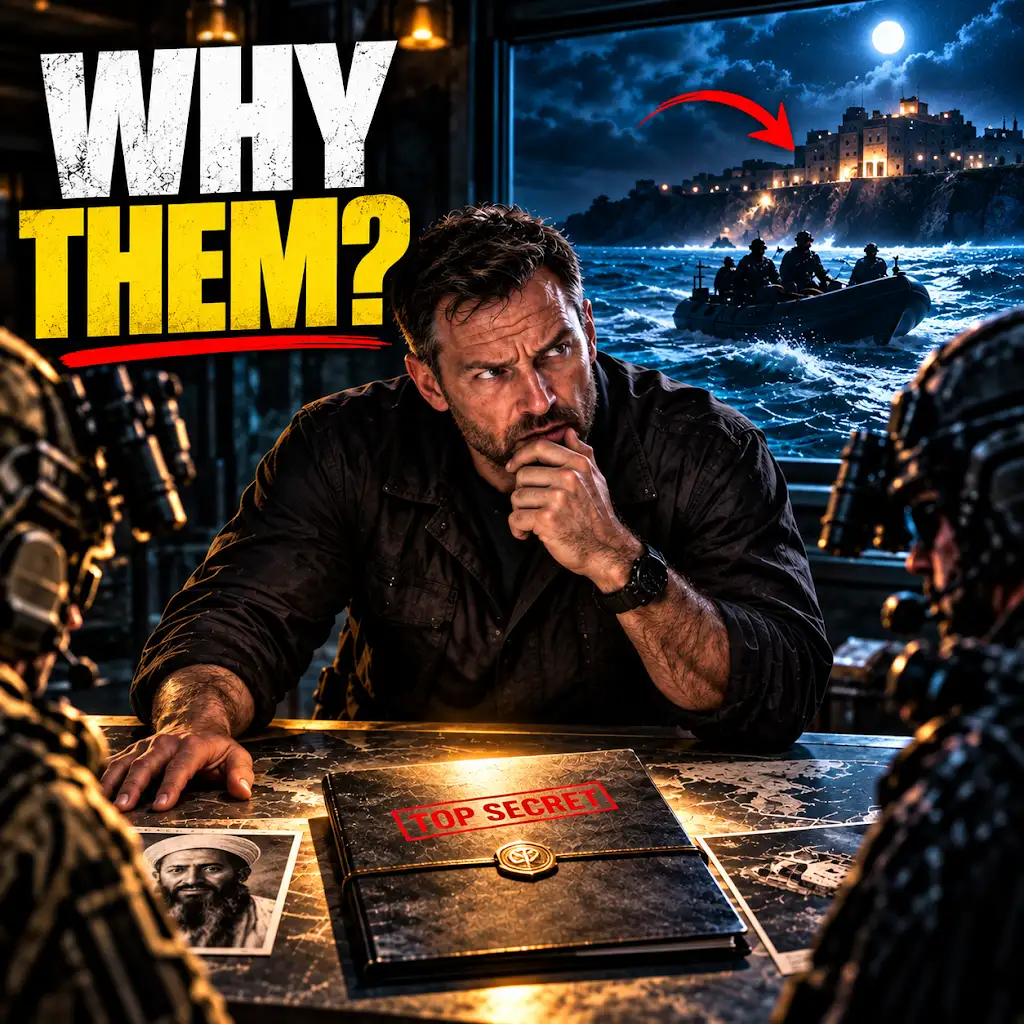
Why SEAL Team Six Got the Bin Laden Raid — Not Delta Force
FAQs
What is the history behind the creation of SEAL Team Six?
The origins of SEAL Team Six can be traced back to the aftermath of the failed Operation Eagle Claw in 1980, a mission to rescue American hostages in Iran. The need for a specialized counter-terrorism unit within the Navy SEALs became apparent, leading to the formation of SEAL Team Six.
When was SEAL Team Six officially established?
SEAL Team Six, officially known as the United States Naval Special Warfare Development Group (DEVGRU), was established in 1980 by then-Commander Richard Marcinko. It was created as a direct response to the shortcomings identified during Operation Eagle Claw.
What is the primary mission of SEAL Team Six?
SEAL Team Six is primarily tasked with conducting counter-terrorism operations and special missions, including hostage rescue, direct action, and special reconnaissance. They are considered one of the most elite special operations units in the U.S. military.
How does SEAL Team Six differ from other Navy SEAL teams?
SEAL Team Six is distinct from other Navy SEAL teams in that it is a Tier One special mission unit (SMU) with a primary focus on counter-terrorism operations. They operate at a higher level of secrecy and are often called upon for the most sensitive and high-risk missions.
What are some notable operations conducted by SEAL Team Six?
SEAL Team Six has been involved in numerous high-profile operations, including the capture of Panamanian dictator Manuel Noriega in 1989, the rescue of Captain Richard Phillips from Somali pirates in 2009, and the raid that resulted in the death of Osama bin Laden in 2011.