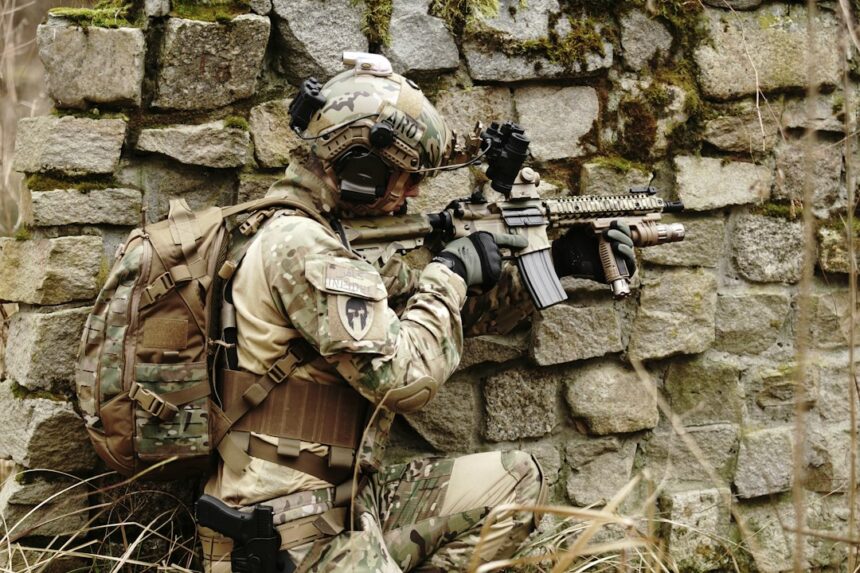
Demystifying Special Operations Deployment Cycles
Special Operations Forces (SOF) are renowned for their agility, precision, and ability to operate in the most challenging environments. Behind their seemingly seamless execution lies a complex and meticulously planned system of deployment cycles. Understanding these cycles is crucial not only for those within the SOF community but also for policymakers, intelligence analysts, and even the general public seeking to grasp the realities of modern warfare and global security. This article aims to demystify the intricate world of special operations deployment cycles, breaking down the phases, considerations, and overarching strategic implications.
Before any SOF operator even begins to pack their gear, the entire deployment cycle is born from a clear understanding of strategic intent and the articulation of specific operational needs. These initial stages are foundational, dictating the scope, duration, and objectives of any forthcoming operation. Without a solid grasp of what the nation or allied forces aim to achieve, any deployment would be adrift, lacking purpose and direction.
The Genesis of Deployment: From National Strategy to Tactical Objectives
The journey of a special operations deployment begins at the highest echelons of national defense policy. National security strategies, defense white papers, and congressional authorizations lay the groundwork for the types of threats the nation anticipates and the roles its military, including SOF, will play in addressing them. These broad directives are then translated into more specific policy goals and objectives. This is where the “why” of a deployment is firmly established. For example, a national strategy might prioritize counter-terrorism efforts in a specific region. This overarching goal then informs the more granular objectives, such as disrupting a particular terrorist network, preventing the proliferation of WMD materials, or stabilizing a volatile area.
Translating Intent into Requirements: The Role of Intelligence and Assessment
Once strategic intent is clear, the focus shifts to defining the operational requirements. This is where intelligence plays an indispensable role. Rigorous intelligence gathering and analysis are paramount to understanding the operating environment, the adversary’s capabilities and intentions, friendly force capabilities, and the potential risks and challenges. This assessment process informs what kind of SOF capabilities are needed, the size and composition of the unit, the duration of the mission, and the resources required. For instance, if intelligence suggests a high threat of improvised explosive devices (IEDs), specialized EOD (Explosive Ordnance Disposal) teams might be incorporated into the deployment package. Similarly, if the mission involves operating in a remote and austere environment with limited infrastructure, units with extensive survival, evasion, resistance, and escape (SERE) training and specialized logistics capabilities will be prioritized. The assessment must also consider the political and cultural landscape of the operational area, ensuring that the deployment is not only militarily feasible but also politically acceptable and strategically advantageous in the long term.
The Force Generation Process: Matching Needs with Capabilities
With operational requirements clearly defined, the next step involves the force generation process. This is where the specific SOF units best suited to meet the mission’s demands are identified and tasked. This involves a careful consideration of the unique skill sets, training, and equipment of various SOF components, such as Army Special Forces, Navy SEALs, Air Force Special Tactics, and Marine Corps MARSOC. Factors like recent operational tempo, readiness levels, and personnel availability also play a significant role. The force generation process is not simply a matter of picking the closest available unit; it’s a complex balancing act to ensure the right mix of expertise, experience, and equipment is deployed to maximize the chances of success while minimizing risk. This might involve assembling a task force comprised of elements from different SOF branches, creating a truly joint and synergistic capability.
For a deeper understanding of special operations deployment cycles, you may find the article on operational readiness and strategic planning particularly insightful. It delves into the intricacies of how special operations forces prepare for deployment and the various factors that influence their cycles. You can read more about it in this related article: In the War Room.
The Preparation Crucible: Pre-Deployment Training and Readiness
Once a unit has been identified and tasked, the focus shifts to an intensive period of preparation. This is the crucible where theoretical planning is transformed into practical readiness. This phase is characterized by rigorous training, logistical coordination, and the meticulous integration of all necessary elements. The effectiveness of a deployment is often directly proportional to the quality of its preparation.
Tailored Training for Mission Specificity: Simulating Real-World Scenarios
Pre-deployment training is not a generic exercise; it is highly tailored to the specific mission the SOF unit is about to undertake. This involves extensive simulations that replicate the anticipated operational environment, the enemy threat, and the mission objectives. For a deployment focused on counter-insurgency operations, training might include extensive engagement with local populations, cultural awareness exercises, and advanced marksmanship in urban environments. For a mission requiring direct action against a high-value target, training would emphasize stealth, speed, precision, and rapid exfiltration. This often involves working with interagency partners, such as the CIA or FBI, to incorporate realistic intelligence scenarios and operational parameters. The training environment itself is meticulously crafted to mirror the anticipated challenges, from extreme weather conditions to complex terrain, and even simulated chemical, biological, radiological, or nuclear (CBRN) threats.
Rehearsals and Integration: Ensuring Seamless Teamwork
Beyond individual skill refinement, a critical aspect of pre-deployment preparation is the rehearsal and integration of the entire team. This includes not only the SOF operators but also supporting personnel, such as pilots, medics, intelligence analysts, and logistical staff. Joint exercises are conducted to ensure all elements understand their roles, responsibilities, and communication protocols. These rehearsals are vital for identifying potential friction points and refining procedures before they are tested under the immense pressure of a real-world operation. For example, a joint terminal attack controller (JTAC) might work closely with an aircraft crew to practice calling for close air support in a simulated combat scenario, ensuring accurate and timely coordination. The integration extends to specialized equipment, ensuring that communication systems, weapon platforms, and surveillance technology are all interoperable and functioning as a cohesive unit.
Logistical Prowess: The Unsung Hero of Deployment
The logistical backbone of any SOF deployment is often the unsung hero. This phase involves the meticulous planning and execution of transporting personnel, equipment, supplies, and even specialized vehicles to the operational area. This can involve complex airlifts, sealifts, and overland movements, often across vast distances and through contested airspace or territory. The pre-deployment phase ensures that everything from ammunition and medical supplies to communication equipment and survival gear is accounted for, packed, and ready for deployment. This meticulous attention to detail is crucial, as a single missing component can have cascading negative effects on mission success and operator safety. The logistics team also plays a vital role in establishing sustainment lines once the unit is deployed, ensuring a continuous flow of necessary resources to maintain operational effectiveness.
The Deployment Phase: Execution and Adaptation
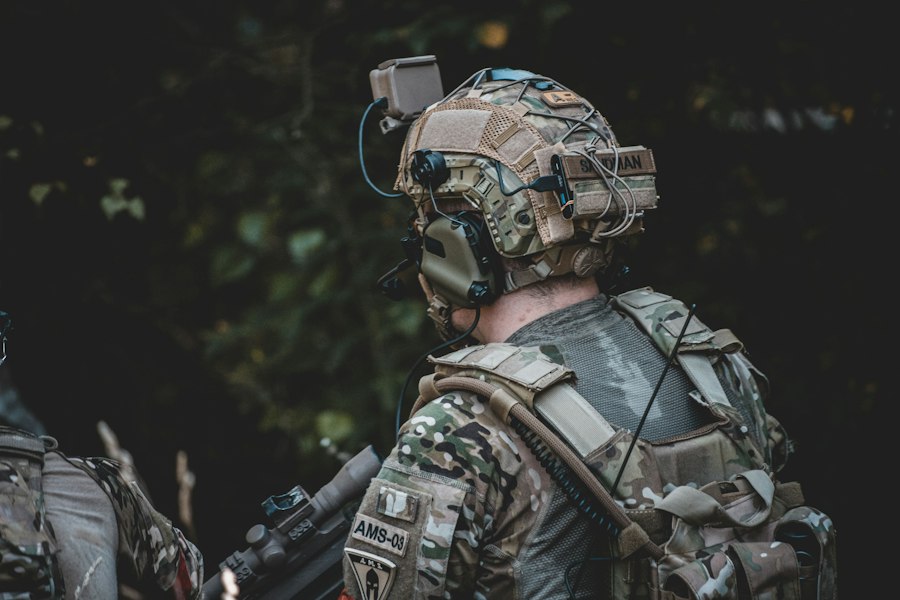
The deployment phase is where all the meticulous planning and rigorous preparation culminate. It is a period of intense activity, constant adaptation, and the execution of the mission objectives. This is the operational heart of the cycle, where SOF operators are put to the test in the crucible of real-world challenges.
In-Theater Operations: The Sharp End of the Spear
Once on the ground in the operational area, SOF units engage in their assigned missions. This can encompass a wide spectrum of activities, from direct action raids and special reconnaissance to unconventional warfare and foreign internal defense. The nature of these operations is often clandestine, requiring discretion, precision, and a deep understanding of the local environment and culture. Operators must constantly assess and adapt to evolving threats, intelligence updates, and the unpredictable dynamics of the battlefield. The effectiveness of SOF in this phase hinges on their ability to operate autonomously, make rapid decisions under pressure, and maintain discipline and cohesion even in the face of extreme adversity. This might involve conducting discreet surveillance of enemy positions, engaging in direct assaults on high-value targets, or training and advising local partner forces.
Intelligence Integration and Feedback Loops: The Eyes and Ears on the Ground
During the deployment phase, the collection and dissemination of intelligence are continuous and critical. SOF operators are often the primary source of real-time intelligence from the operational area, providing invaluable insights into enemy activities, terrain, and local sentiment. This information is fed back to higher headquarters and intelligence agencies, informing ongoing operations and future strategic planning. Robust feedback loops are essential, ensuring that intelligence gathered on the ground is rapidly analyzed and disseminated to relevant units, allowing for agile adjustments to operational plans. This constant cycle of intelligence gathering, analysis, and action is a hallmark of effective SOF operations.
Adaptation and Evolution: The Dynamic Nature of Conflict
The operational environment is rarely static, and SOF deployments are inherently dynamic. Operators must be prepared to adapt their tactics, techniques, and procedures (TTPs) in response to evolving threats, unexpected challenges, and changes in the strategic landscape. This might involve developing new methods for dealing with emerging technologies used by adversaries, adjusting rules of engagement based on evolving political directives, or modifying operational plans based on unforeseen circumstances. The ability to learn and adapt quickly is a defining characteristic of successful SOF units, allowing them to maintain their effectiveness even when faced with novel and complex challenges. This adaptability is fostered through continuous training and a culture of learning within the SOF community.
The Sustainment Challenge: Maintaining Readiness and Effectiveness
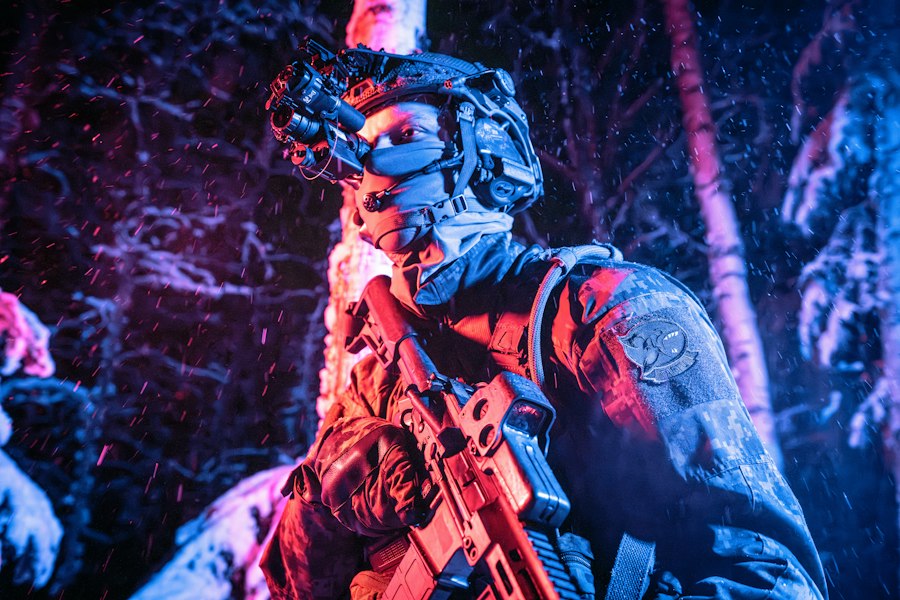
Sustaining SOF operations in remote and often hostile environments presents unique and significant challenges. This phase focuses on ensuring that deployed forces have the resources, support, and personnel continuity necessary to maintain their effectiveness over extended periods.
Personnel Rotation and Manpower Management: Avoiding Burnout and Maintaining Morale
A critical aspect of sustainment is personnel rotation. SOF operators are highly trained and valuable assets, but prolonged deployments can lead to physical and mental fatigue, increasing the risk of burnout and diminishing effectiveness. Implementing a well-managed rotation schedule ensures that operators receive adequate rest and recuperation, maintaining their morale and combat readiness. This also allows for the seamless transfer of knowledge and experience between incoming and outgoing units, ensuring continuity of operations and institutional learning. The manpower management aspect also considers the specialized nature of SOF roles, ensuring that the right skill sets are always available to meet mission demands.
Equipment Maintenance and Modernization: Keeping the Edge
The sophisticated equipment used by SOF is essential for mission success and operator safety. The sustainment phase involves rigorous maintenance schedules, repair capabilities, and the timely procurement of replacement parts. Furthermore, as threats evolve and technology advances, SOF units require continuous modernization of their equipment to maintain their operational edge. This might involve acquiring new weapons systems, advanced surveillance technologies, or improved protective gear. The ability to maintain and upgrade equipment in the field, often in austere conditions, is a testament to the logistical ingenuity of SOF support elements.
Medical and Psychological Support: Caring for the Warrior
The physical and psychological toll of combat operations on SOF personnel is significant. The sustainment phase places a strong emphasis on providing comprehensive medical and psychological support. This includes access to skilled medical personnel, robust evacuation procedures for casualties, and readily available mental health resources. Addressing the psychological well-being of operators is paramount, as trauma and stress can have long-lasting effects. Proactive measures and readily accessible support systems are crucial for ensuring the long-term health and readiness of SOF personnel. This extends beyond immediate medical care to include ongoing support for post-deployment reintegration and the management of any service-related injuries or conditions.
Understanding the intricacies of special operations deployment cycles is crucial for grasping the broader context of military strategy and effectiveness. For those interested in a deeper exploration of this topic, a related article can provide valuable insights into the planning and execution phases that define these operations. You can find more information in this detailed article, which delves into the various factors that influence deployment schedules and operational readiness.
The Post-Deployment and Reset Phase: Learning, Recovery, and Reintegration
| Phase | Description | Duration | Key Activities | Objective |
|---|---|---|---|---|
| Preparation | Initial phase involving training, equipment checks, and mission planning. | 4-6 weeks | Physical conditioning, specialized training, intelligence gathering, mission rehearsals | Ensure readiness and mission understanding |
| Deployment | Active operational phase where forces are deployed to the mission area. | 3-6 months | Execution of missions, reconnaissance, direct action, support operations | Accomplish mission objectives |
| Recovery | Post-deployment phase focusing on rest, medical evaluation, and debriefing. | 2-4 weeks | Medical checks, psychological support, after-action reviews, equipment maintenance | Restore health and assess mission outcomes |
| Reset | Reconstitution phase to prepare for the next deployment cycle. | 4-8 weeks | Training updates, equipment upgrades, personnel rotations | Maintain operational capability |
The conclusion of a deployment is not an endpoint but rather a critical phase of recovery, reassessment, and preparation for future operations. This post-deployment phase is crucial for individual and unit readiness, institutional learning, and the effective reintegration of operators back into their home environments.
Debriefing and After-Action Reviews: Capturing Lessons Learned
Upon returning from deployment, SOF units undergo extensive debriefing and after-action reviews (AARs). These sessions are designed to capture critical lessons learned from the operation, identifying what went well, what could have been improved, and any new TTPs that emerged. This information is vital for refining future training programs, updating operational doctrine, and informing strategic planning. The honesty and candor of these debriefings are paramount, creating a culture of continuous improvement within the SOF community. These reviews often extend beyond the immediate operational team to include feedback from supporting elements and intelligence agencies.
Personnel Recovery and Reintegration: The Human Element
The post-deployment phase is also critical for the recovery and reintegration of individual operators. This involves providing time for rest and recuperation, both physically and mentally. For operators who have experienced trauma or injury, this phase is crucial for receiving appropriate medical and psychological care. The reintegration process also involves helping operators transition back to their families and civilian lives, acknowledging the unique challenges they may face. This can include providing access to counseling services, career transition assistance, and support networks for veterans. The focus is on ensuring the holistic well-being of the individual, recognizing their sacrifices and contributions.
Resetting and Recertification: Preparing for the Next Mission
Following a deployment, SOF units need to “reset” their equipment, replenish supplies, and conduct refresher training to regain peak operational readiness. This might involve repairs to damaged equipment, recalibration of systems, and restocking of consumables. Furthermore, units will often undergo recertification processes to ensure they meet current standards and are prepared for their next mission assignment. This meticulous resetting process ensures that the unit is not only physically prepared but also mentally and operationally ready to respond to future national security requirements, demonstrating the cyclical nature of SOF readiness and deployment. The lessons learned from the previous deployment are often integrated into this resetting and recertification process, ensuring continuous improvement.
In conclusion, the deployment cycles of Special Operations Forces are a testament to meticulous planning, rigorous preparation, and unparalleled adaptability. From the genesis of strategic intent to the critical post-deployment reset, each phase is interconnected and vital for maintaining the effectiveness of these elite units. Understanding these cycles provides a crucial lens through which to view the complexities of modern security operations and the profound dedication of the men and women who serve within them.
Why SEAL Team Six Got the Bin Laden Raid — Not Delta Force
FAQs
What are special operations deployment cycles?
Special operations deployment cycles refer to the structured process by which special operations forces plan, prepare, deploy, execute missions, and return home. These cycles are designed to ensure that special operations forces are ready and able to respond to a variety of missions at any given time.
How long do special operations deployment cycles typically last?
Special operations deployment cycles can vary in length depending on the specific mission and requirements. However, they generally last between 6 to 18 months, with some missions requiring shorter or longer deployment cycles.
What are the different phases of a special operations deployment cycle?
The different phases of a special operations deployment cycle typically include assessment and selection, training and preparation, deployment, mission execution, and reintegration. Each phase is crucial in ensuring the success of the mission and the well-being of the special operations forces involved.
How do special operations forces maintain readiness during deployment cycles?
Special operations forces maintain readiness during deployment cycles through rigorous training, physical fitness, mental preparation, and ongoing skill development. They also undergo regular assessments and evaluations to ensure they are prepared for any mission that may arise.
What are some challenges special operations forces face during deployment cycles?
Some challenges that special operations forces may face during deployment cycles include prolonged periods of separation from family and loved ones, exposure to high-stress environments, physical and mental fatigue, and the need to adapt quickly to changing mission requirements. Special operations forces must be resilient and adaptable to overcome these challenges and successfully complete their missions.