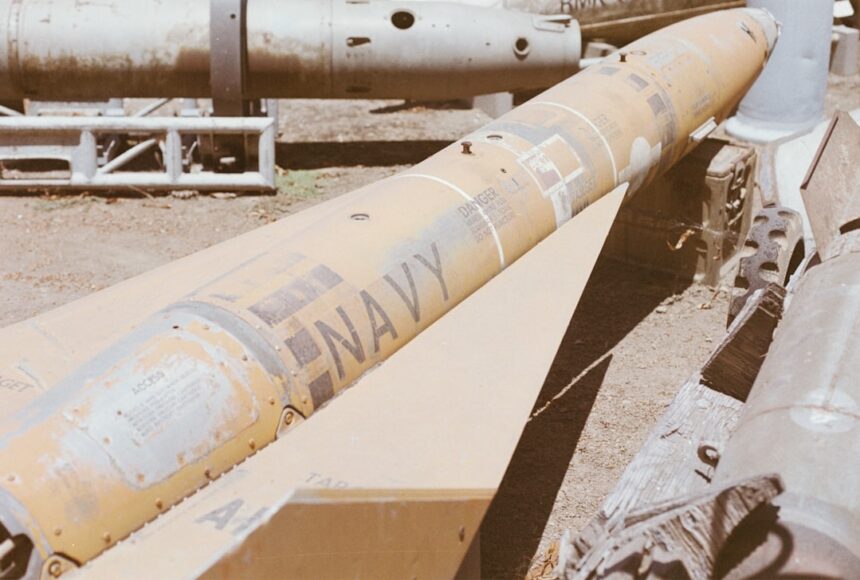
The United States Army’s Strategic Missile Program represents a cornerstone of the nation’s defense strategy, embodying a commitment to maintaining a robust deterrent against potential adversaries. This program is not merely a collection of weapons; it is a sophisticated system designed to project power, ensure national security, and uphold global stability. As geopolitical tensions continue to evolve, the importance of strategic missiles has only intensified, making it imperative for the Army to adapt and innovate in response to emerging threats.
Strategic missiles serve as a critical component of the United States’ military arsenal, providing the capability to deliver precision strikes over vast distances. These systems are designed to deter aggression from hostile nations and non-state actors alike, ensuring that the U.S. can respond effectively to any challenge.
The program’s significance extends beyond mere military might; it also plays a vital role in diplomatic negotiations and international relations, as the presence of a formidable missile capability can influence the behavior of other nations.
Key Takeaways
- The US Army’s Strategic Missile Program has evolved significantly over the years, playing a crucial role in national defense.
- Strategic missiles are key components of the program, utilizing advanced technologies to enhance operational capabilities.
- The program has had a significant impact on global security, deterring potential threats and ensuring national defense.
- Collaborations and partnerships have been instrumental in the development and advancement of the strategic missile program.
- Despite challenges and obstacles, the program continues to strengthen national defense and deter potential threats.
History and evolution of the program
The origins of the US Army’s Strategic Missile Program can be traced back to the Cold War era, a time characterized by intense rivalry between the United States and the Soviet Union. The development of ballistic missile technology during this period marked a significant shift in military strategy, as both superpowers sought to establish a credible deterrent against nuclear conflict. The Army’s initial foray into strategic missiles began with the development of the Redstone missile in the late 1950s, which laid the groundwork for future advancements.
As technology progressed, so too did the capabilities of the Army’s missile systems. The introduction of intercontinental ballistic missiles (ICBMs) and submarine-launched ballistic missiles (SLBMs) represented a leap forward in range and accuracy. By the 1970s and 1980s, the Army had developed a comprehensive strategic missile program that included various platforms capable of delivering nuclear payloads.
This evolution was not without its challenges, as political and technological hurdles often complicated development efforts. Nevertheless, the program continued to adapt, reflecting changes in military doctrine and the global security landscape.
Role of strategic missiles in national defense
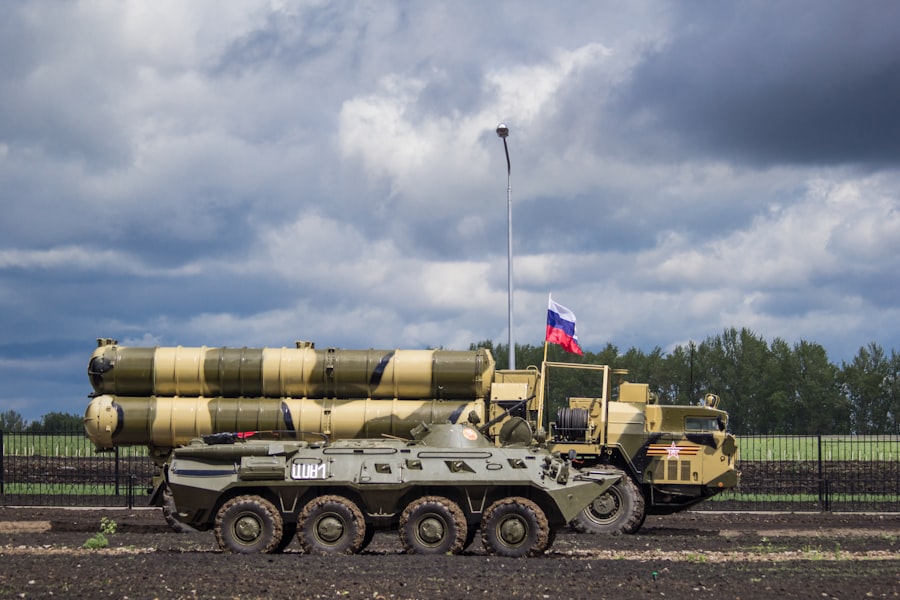
Strategic missiles play an indispensable role in the national defense strategy of the United States, serving as a deterrent against potential aggressors.
S. interests. This principle of deterrence is foundational to the Army’s strategic posture, ensuring that potential threats are met with a credible response. Moreover, strategic missiles provide the U.S. with a flexible response capability. In an era where conflicts can arise unexpectedly and escalate rapidly, having a range of missile systems allows military planners to tailor their responses to specific threats. Whether it is a conventional conflict or a nuclear confrontation, the ability to deploy strategic missiles ensures that the U.S. can maintain its strategic advantage and protect its allies around the world.
Key components and technologies of the program
| Component/Technology | Description |
|---|---|
| Programming Language | The language used to write the program, such as Python, Java, or C++. |
| Database Management System | The software used to manage and organize the program’s data, such as MySQL, PostgreSQL, or MongoDB. |
| Framework | A pre-built structure that provides a foundation for the program’s development, such as Django, Spring, or React. |
| Cloud Services | Services used to host, store, and manage the program in the cloud, such as AWS, Azure, or Google Cloud Platform. |
| Version Control System | The system used to track changes and manage different versions of the program’s code, such as Git or SVN. |
The US Army’s Strategic Missile Program is underpinned by several key components and advanced technologies that enhance its effectiveness. At its core are the missile systems themselves, which include ICBMs, SLBMs, and tactical ballistic missiles. Each type serves a distinct purpose within the broader framework of national defense, with ICBMs capable of delivering nuclear warheads over intercontinental distances and SLBMs providing a stealthy second-strike capability from submarines.
In addition to the missiles, sophisticated guidance and control systems are integral to ensuring accuracy and reliability. Modern strategic missiles are equipped with advanced navigation technologies, including GPS and inertial guidance systems, which allow for precise targeting even in challenging environments. Furthermore, ongoing research into hypersonic technology promises to revolutionize missile capabilities by enabling faster speeds and greater maneuverability, complicating adversaries’ defense strategies.
Strategic missile deployment and operational capabilities
The deployment of strategic missiles is a carefully orchestrated process that involves multiple layers of planning and coordination. The US Army maintains a diverse array of missile systems positioned across various platforms, including land-based silos, mobile launchers, and naval vessels. This strategic dispersion enhances survivability and complicates enemy targeting efforts, ensuring that U.S.
forces can respond effectively even in the face of an initial attack. Operational capabilities are further enhanced by rigorous training and exercises designed to ensure readiness at all times. The Army conducts regular drills that simulate various scenarios involving missile deployment and launch procedures.
These exercises not only test the technical aspects of missile operations but also foster collaboration among different branches of the military, reinforcing a unified approach to national defense.
The impact of the program on global security
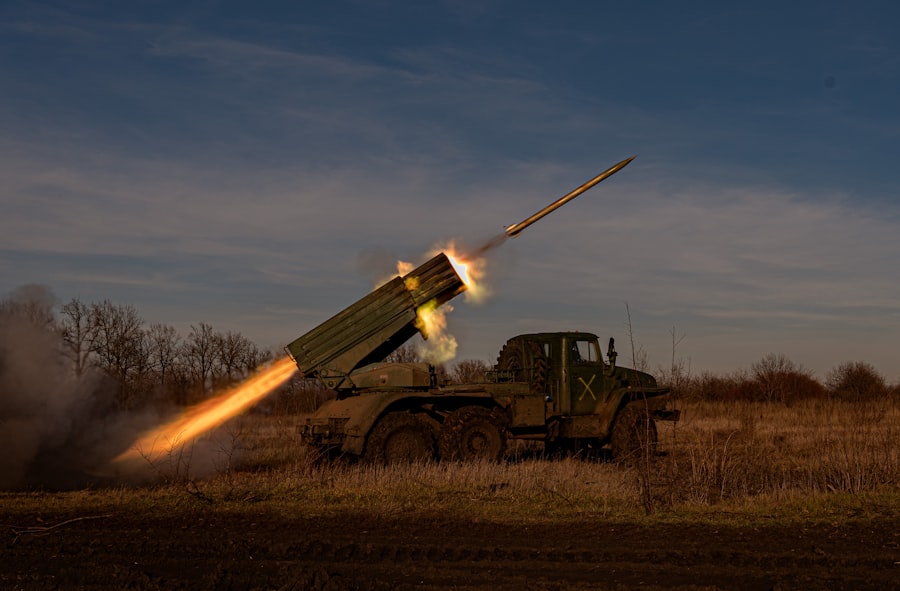
The US Army’s Strategic Missile Program has far-reaching implications for global security dynamics. By maintaining a credible deterrent posture, the program contributes to stability in regions where tensions may otherwise escalate into conflict. The presence of U.
strategic missiles can influence the calculations of adversaries, compelling them to reconsider aggressive actions that could provoke a military response. However, this program also raises concerns among other nations, particularly those who perceive it as a threat to their own security interests. The proliferation of missile technology has led to an arms race in some regions, as countries seek to develop their own capabilities in response to perceived threats from U.S. forces. This dynamic underscores the delicate balance that must be maintained in international relations, where strategic missile programs can both deter aggression and provoke insecurity among rival states.
Future developments and advancements in the program
Looking ahead, the US Army’s Strategic Missile Program is poised for significant advancements driven by technological innovation and evolving security needs. Research into next-generation missile systems is already underway, focusing on enhancing speed, accuracy, and survivability. Hypersonic weapons are at the forefront of this effort, promising to provide unprecedented capabilities that could reshape conventional warfare.
Additionally, advancements in artificial intelligence and machine learning are expected to play a crucial role in future missile systems. These technologies could enhance decision-making processes during operations, allowing for faster responses to emerging threats while minimizing human error. As geopolitical landscapes continue to shift, adapting these advancements into operational strategies will be essential for maintaining a competitive edge.
Collaborations and partnerships in the strategic missile program
The success of the US Army’s Strategic Missile Program is not solely reliant on domestic efforts; international collaborations and partnerships play an essential role in enhancing capabilities and sharing best practices. The United States has engaged in various cooperative agreements with allied nations to develop joint missile defense systems and share intelligence related to missile threats. These partnerships extend beyond traditional allies; they also involve collaboration with private industry and academic institutions focused on research and development.
By leveraging expertise from various sectors, the Army can accelerate innovation within its strategic missile program while ensuring that it remains at the cutting edge of technology.
Challenges and obstacles in the development and deployment of strategic missiles
Despite its successes, the US Army’s Strategic Missile Program faces numerous challenges that could hinder its effectiveness. One significant obstacle is budgetary constraints; maintaining and modernizing missile systems requires substantial financial resources that may be subject to political fluctuations. As defense budgets are scrutinized, prioritizing funding for strategic missile programs can become contentious.
Additionally, technological challenges persist as adversaries develop countermeasures designed to neutralize U.S. missile capabilities. This ongoing arms race necessitates continuous investment in research and development to stay ahead of potential threats.
Moreover, ethical considerations surrounding nuclear weapons pose complex dilemmas for policymakers as they navigate the balance between deterrence and disarmament.
The role of strategic missiles in deterring potential threats
Strategic missiles serve as a formidable deterrent against potential threats by instilling fear of retaliation among adversaries. The principle of mutually assured destruction (MAD) remains relevant; countries are less likely to engage in aggressive actions if they understand that such actions would lead to devastating consequences for themselves. This psychological aspect is crucial in maintaining peace and stability on a global scale.
Furthermore, strategic missiles provide assurance to U.S. allies who rely on American military support for their own security needs. The presence of these capabilities reinforces commitments made through defense treaties and alliances, fostering trust among partner nations while deterring adversaries from exploiting perceived vulnerabilities.
The significance of the US Army’s Strategic Missile Program in strengthening national defense
In conclusion, the US Army’s Strategic Missile Program stands as a vital pillar of national defense strategy, embodying both technological prowess and strategic foresight. Its historical evolution reflects an ongoing commitment to adapting to changing security environments while maintaining a credible deterrent against potential threats. As global dynamics continue to shift, this program will remain essential not only for safeguarding American interests but also for promoting stability in an increasingly complex world.
The significance of this program extends beyond military might; it influences diplomatic relations and shapes international security frameworks. By investing in future advancements and fostering collaborations with allies and industry partners, the US Army can ensure that its Strategic Missile Program remains effective in addressing emerging challenges while reinforcing its role as a cornerstone of national defense strategy for years to come.
The U.S. Army’s strategic missile program plays a crucial role in national defense, ensuring that the military is equipped to respond to various threats. For a deeper understanding of the implications and developments surrounding this program, you can read a related article on the topic at In The War Room. This resource provides valuable insights into the strategic considerations and technological advancements that shape the Army’s missile capabilities.
WATCH THIS! Inside Iceworm: America’s Secret Nuclear City Built Under Greenland
FAQs
What is the US Army Strategic Missile Program?
The US Army Strategic Missile Program was a Cold War-era initiative aimed at developing and deploying long-range ballistic missiles for the United States Army.
When was the US Army Strategic Missile Program established?
The program was established in the late 1950s, during the height of the Cold War, in response to the perceived threat of Soviet intercontinental ballistic missiles (ICBMs).
What was the goal of the US Army Strategic Missile Program?
The primary goal of the program was to develop and deploy a reliable and effective long-range ballistic missile system that could be used by the US Army to deter and, if necessary, respond to potential threats from adversaries.
What were some of the key missile systems developed under the program?
Some of the key missile systems developed under the program included the Pershing, Redstone, and Jupiter missiles, which were designed to be capable of delivering nuclear warheads to distant targets.
Did the US Army Strategic Missile Program achieve its objectives?
The program achieved varying degrees of success, with some missile systems proving to be effective and reliable, while others faced technical challenges and were eventually phased out or replaced by newer technologies.
What is the legacy of the US Army Strategic Missile Program?
The program played a significant role in shaping the strategic capabilities of the US Army during the Cold War and contributed to the overall deterrence posture of the United States. Its legacy also includes advancements in missile technology and the development of key partnerships with other branches of the military and allied nations.