The intricate tapestry of the Allied command structure during World War II was a testament to the unprecedented scale and complexity of global warfare. It was a system forged in the crucible of necessity, evolving from disparate national strategies into a more unified, albeit often contentious, grand design. Understanding this structure is crucial to grasping the strategic decisions, operational successes, and even the failures that defined the Allied victory. It was a system characterized by a delicate balance of national sovereignty and collective action, of military necessity and political considerations, and ultimately, of shared purpose that transcended borders.
The initial stages of World War II saw the Allied powers operating with a degree of independence that reflected their pre-war alliances and individual strategic priorities. Britain, France, and later the Soviet Union, each faced the Axis threat on their own fronts, often with limited coordination. The fall of France in 1940, however, proved a stark catalyst. It underscored the vulnerability of individual nations and the imperative for a more cohesive approach to confront the overwhelming might of Germany and Japan.
The United States’ Entry and the Intensification of Coordination
The United States’ entry into the war following the attack on Pearl Harbor in December 1941 marked a pivotal moment. Suddenly, the sheer industrial and military might of America was brought to bear. This influx of resources necessitated a more formalized and integrated command structure. The concept of “Germany First” was a key strategic decision that emerged from this period, prioritizing the defeat of Nazi Germany as the primary objective, while simultaneously prosecuting the war against Japan in the Pacific. This strategic alignment, though sometimes debated, laid the groundwork for much of the subsequent Allied planning and resource allocation.
The Moscow and Washington Conferences: Laying the Strategic Foundations
The early war years were marked by a series of crucial conferences that began to shape the Allied command and strategy. The Moscow Conference of 1941 and the Washington Conference (ARKANSAS) in 1942 were instrumental in establishing foundational agreements on strategic objectives, resource sharing, and the necessity of coordinated military action. These meetings, often attended by the heads of state and their top military advisors, were the embryonic stages of what would become a sophisticated, albeit imperfect, global command network.
The Supreme Allied Commander: A Symbol of Unity and Authority
The concept of a Supreme Allied Commander, particularly in the European theater, emerged as a critical element in streamlining decision-making and ensuring operational coherence. While not always fully realized or accepted by all constituent nations, the appointment of figures like General Dwight D. Eisenhower in Europe represented a significant step towards centralized authority and the ability to prosecute a unified campaign. This role demanded not only military acumen but also exceptional diplomatic skill to navigate the often-competing interests of allied nations.
The Allied command structure during World War II was a complex and dynamic system that played a crucial role in coordinating the efforts of various nations against the Axis powers. For a deeper understanding of how this structure evolved and its impact on military strategy, you can read a related article that explores the intricacies of Allied cooperation and leadership decisions throughout the war. This insightful piece can be found at In the War Room.
The Anglo-American Partnership: The Cornerstone of Western Allied Strategy
The relationship between the United States and Great Britain formed the bedrock of the Western Allied command structure. Their shared democratic values, historical ties, and mutual strategic interests fostered a close working relationship, despite occasional differences in perspective and operational preferences. This partnership was characterized by extensive joint planning, resource pooling, and a remarkable degree of mutual trust.
The Combined Chiefs of Staff: The Apex of Strategic Decision-Making
At the highest level of the Anglo-American alliance stood the Combined Chiefs of Staff (CCS). This body, composed of the senior military leaders of both nations, was responsible for formulating grand strategy, allocating resources, and approving major operational plans. The CCS was a powerful institution that exercised considerable influence over the course of the war. Its decisions, though often the product of lengthy debate and compromise, guided the deployment of forces and the strategic direction of the Allied effort.
The Role of Roosevelt and Churchill: Political Leadership and Strategic Vision
The political leadership of President Franklin D. Roosevelt and Prime Minister Winston Churchill was instrumental in shaping the Anglo-American partnership. Their frequent meetings, personal correspondence, and shared vision of defeating the Axis powers provided the political will and direction for the military efforts. They were the ultimate arbiters of strategic choices, setting the broad objectives that the military command was tasked with achieving.
Military Liaison and Joint Planning: Bridging National Perspectives
The day-to-day functioning of the Anglo-American command involved extensive military liaison and joint planning. Officers from both nations worked side-by-side in various planning staffs and headquarters, ensuring that operations were coordinated and that national capabilities were effectively integrated. This constant dialogue and collaboration were essential for translating strategic objectives into executable military plans.
Theater Commands: Operationalizing Grand Strategy
Below the CCS, the war was divided into various theaters of operation, each overseen by its own command structure. These theater commands were responsible for the planning and execution of military campaigns within their designated geographical areas. The success of the Allied war effort hinged on the effective functioning and coordination of these distinct, yet interconnected, commands.
The European Theater of Operations (ETOUSA): The Main Effort
The European Theater of Operations was arguably the most critical, encompassing the war against Nazi Germany. Within this theater, the command structure evolved significantly. Initially, there were separate American and British commands, but as the war progressed, a more unified structure emerged, culminating in the appointment of a Supreme Allied Commander.
General Dwight D. Eisenhower: The Supreme Allied Commander in Europe
General Dwight D. Eisenhower’s appointment as Supreme Allied Commander, Allied Expeditionary Force (SHAEF) for the invasion of Normandy was a landmark decision. He was tasked with unifying the efforts of the American, British, Canadian, and other Allied forces in the invasion and subsequent liberation of Europe. His ability to foster cooperation and his diplomatic skills were as crucial as his military expertise.
Operational Planning and Execution Under Eisenhower: From Overlord to Victory
Eisenhower’s leadership oversaw some of the most pivotal campaigns of the war, including Operation Overlord, the D-Day landings. The planning and execution of such massive operations required intricate coordination across multiple armies, navies, and air forces, each with its own national command structures and operating procedures.
The Mediterranean Theater of Operations (MTOUSA): A Crucial Secondary Front
The Mediterranean Theater played a vital role in the Allied strategy, tying down significant Axis forces and providing a springboard for operations in Southern Europe. Command in this theater was often a complex mix of American and British leadership, reflecting the strategic importance of the region for both powers.
Allied Force Headquarters (AFHQ): Centralizing Mediterranean Command
The Allied Force Headquarters (AFHQ) in North Africa served as the central command for operations in the Mediterranean. Initially under the command of General Dwight D. Eisenhower, and later General Sir Harold Alexander, AFHQ was responsible for coordinating operations in North Africa, Sicily, Italy, and the Balkans.
The North African Campaign: A Testing Ground for Joint Operations
The North African campaign was a crucial early test of Allied coordination. The initial setbacks, such as the Battle of Kasserine Pass, highlighted the need for better integration of American and British forces and the development of a cohesive command.
The Pacific Theater of Operations (PTO): The War Against Japan
The war in the Pacific presented a different set of challenges, characterized by vast distances, naval warfare, and a tenacious Japanese enemy. The command structure here was also largely dominated by the Anglo-American partnership, with the United States taking the lead role.
Admiral Chester W. Nimitz and General Douglas MacArthur: Dual Command in the Pacific
The Pacific theater was notable for its dual command structure, with Admiral Chester W. Nimitz commanding the U.S. Navy’s Pacific Fleet and General Douglas MacArthur in command of Allied ground forces in the Southwest Pacific. This division, while effective, sometimes led to strategic disagreements and a lack of unified vision until later in the war.
Island Hopping and Amphibious Assaults: The Core of Pacific Strategy
The “island hopping” strategy, a series of amphibious assaults to capture strategically important islands, was the hallmark of the Pacific campaign. This strategy required immense coordination between naval, air, and ground forces, all operating under the overarching Allied command.
The Soviet Union’s Role: A Vital, Yet Separate, Military Machine
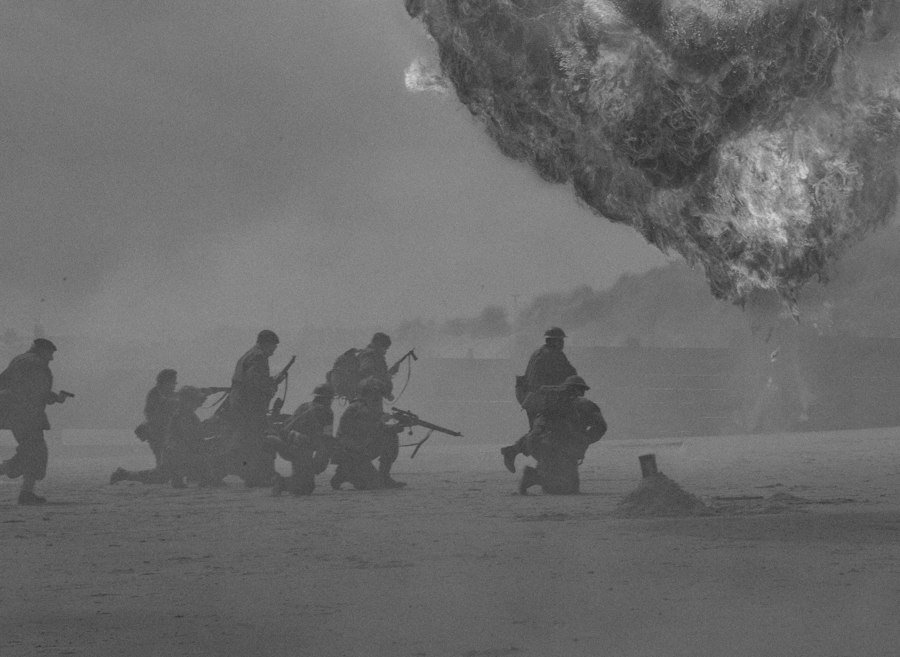
The Soviet Union, bearing the brunt of the fighting on the Eastern Front, operated with a command structure largely distinct from its Western Allies. While part of the “Grand Alliance,” strategic coordination between the Soviet Union and the Western powers was often limited by geographical separation, ideological differences, and differing strategic priorities.
The Stavka: The Supreme High Command of the Red Army
The Soviet Union’s military command was centralized under the Stavka, the Supreme High Command of the Red Army. Led by Joseph Stalin himself, the Stavka was responsible for directing all Soviet military operations. The Red Army, with its massive manpower and a relentless focus on offensive operations, was instrumental in bleeding the German war machine.
Stalin’s Direct Leadership: A Heavy Hand on the Military
Joseph Stalin’s direct involvement in military decision-making was a defining characteristic of the Soviet command structure. While his leadership ultimately contributed to the Soviet victory, it was also marked by purges and a sometimes-brutal approach to command.
The Eastern Front: A War of Attrition and Strategic Objectives
The Eastern Front was a war of unparalleled scale and ferocity. The Soviet command’s objectives were primarily focused on the defense of Soviet territory and the eventual liberation of occupied lands, often with less emphasis on the broader global strategic considerations that preoccupied the Western Allies.
Coordination Through Lend-Lease and Strategic Dialogue
While direct operational coordination was limited, the Western Allies provided vital support to the Soviet Union through the Lend-Lease program, supplying crucial war materials. There was also a degree of strategic dialogue through conferences like Tehran and Yalta, where leaders discussed broad war aims and post-war settlements.
The Role of Other Allied Nations: Contributions from Around the Globe
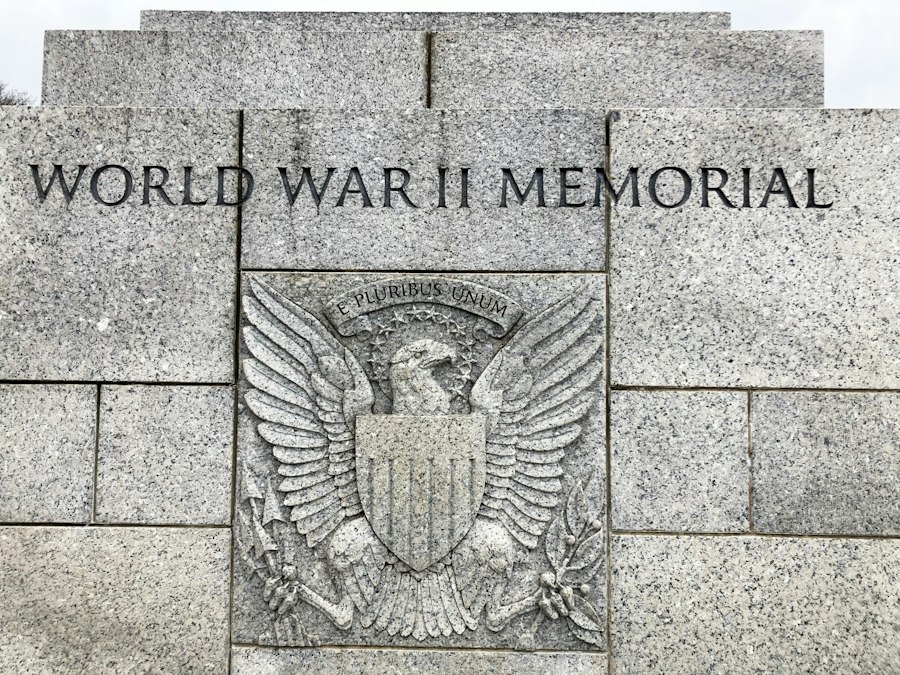
The Allied victory was not solely the product of American, British, and Soviet efforts. Numerous other nations contributed significantly to the war effort, with their own command structures often integrated into the larger Allied framework.
The Free French Forces: Fighting for Liberation
The Free French Forces, under the leadership of General Charles de Gaulle, played a crucial role in fighting against the Axis powers, both in France and in various theaters of operation. Their integration into Allied commands, particularly in the liberation of France, was a significant symbolic and practical achievement.
De Gaulle’s Leadership and the Integration of French Forces
General de Gaulle’s unwavering determination to maintain French sovereignty and continue the fight against Germany was a critical factor. His efforts to rebuild and integrate French military units into Allied operations were essential for restoring France’s place among the victors.
The Polish Forces: A Valiant Contribution
Despite the tragic occupation of their homeland, Polish forces fought bravely under Allied command on multiple fronts. Polish airmen, sailors, and soldiers served with distinction in the Royal Air Force, the Royal Navy, and on land, contributing significantly to Allied victories.
Commonwealth Contributions: Canada, Australia, and Beyond
The British Commonwealth nations, including Canada, Australia, New Zealand, and India, provided substantial military forces and resources. Their troops fought in every major theater of war, often under their own national command structures but integrated into broader Allied operational plans.
The Allied command structure during World War II played a crucial role in coordinating the efforts of various nations against the Axis powers. Understanding this complex hierarchy can provide valuable insights into the strategies employed by the Allies. For a deeper exploration of the topic, you can read a related article that discusses the intricacies of military leadership and collaboration among the Allied forces. This article can be found here, where you will discover more about the pivotal decisions that shaped the course of the war.
Challenges and Evolution: The Imperfect Nature of Allied Command
| Allied Command | Commander | Period Active | Primary Area of Operation | Key Responsibilities |
|---|---|---|---|---|
| Supreme Headquarters Allied Expeditionary Force (SHAEF) | General Dwight D. Eisenhower | 1943–1945 | Northwest Europe | Planning and execution of the D-Day invasion and subsequent campaigns in Western Europe |
| Allied Forces Headquarters (AFHQ) | General Dwight D. Eisenhower (initially), later General Henry Maitland Wilson | 1942–1945 | North Africa, Mediterranean | Coordination of Allied operations in North Africa, Sicily, and Italy |
| South East Asia Command (SEAC) | Admiral Lord Louis Mountbatten | 1943–1946 | South East Asia | Overseeing Allied operations against Japanese forces in Burma, India, and surrounding regions |
| Pacific Ocean Areas Command | Admiral Chester W. Nimitz | 1942–1945 | Central and South Pacific | Conducting naval and amphibious operations against Japan in the Pacific theater |
| South West Pacific Area Command | General Douglas MacArthur | 1942–1945 | South West Pacific | Leading Allied ground and air forces in the Philippines, New Guinea, and surrounding areas |
The Allied command structure was never a perfectly seamless entity. It was a system constantly grappling with inherent challenges: national rivalries, differing strategic priorities, bureaucratic inertia, and the sheer logistical complexity of a global war.
Friction Between National Commands: Sovereignty vs. Unity
One of the persistent challenges was the tension between national sovereignty and the need for unified command. Each nation’s military leadership was ultimately responsible to their own governments, and this could lead to disagreements over strategy, resource allocation, and operational objectives.
Inter-Service Rivalries: Army, Navy, and Air Force Coordination
Within each nation, and certainly across alliances, inter-service rivalries could also create friction. Coordinating the efforts of armies, navies, and air forces, each with their own doctrines and priorities, was a constant challenge that required skilled leadership and compromise.
The Evolution of Command Structures: Learning and Adapting
Throughout the war, the Allied command structure evolved significantly. Lessons learned from early setbacks, coupled with the increasing scale and complexity of operations, led to a continuous process of adaptation and refinement. The creation of unified theater commands and the strengthening of the Combined Chiefs of Staff were testaments to this evolution.
The Importance of Communication and Intelligence: The Unsung Heroes
Underpinning the entire Allied command structure was the crucial role of communication and intelligence. The ability to gather, disseminate, and act upon accurate intelligence, and to maintain secure and effective communication lines across vast distances, was absolutely vital to operational success. The development of sophisticated intelligence networks and communication technologies was a silent but critical factor in the Allied victory.
In conclusion, the Allied command structure in World War II was a remarkable achievement in international cooperation. It was a complex, evolving, and at times imperfect system, but one that ultimately proved capable of orchestrating the defeat of the Axis powers. It stands as a testament to the power of shared purpose, strategic vision, and the enduring strength of alliances forged in the face of existential threat. The legacy of this command structure continues to inform our understanding of large-scale coalition warfare and the challenges inherent in coordinating diverse national efforts towards a common goal.

Eisenhower Gave Montgomery 2 U.S. Armies—Then He Wanted More
FAQs
What was the Allied command structure during World War 2?
The Allied command structure during World War 2 was a complex system that involved multiple countries working together to defeat the Axis powers. The main leaders of the Allies were Franklin D. Roosevelt (United States), Winston Churchill (United Kingdom), and Joseph Stalin (Soviet Union).
Who were the key military leaders in the Allied command structure during World War 2?
Some of the key military leaders in the Allied command structure during World War 2 were General Dwight D. Eisenhower (Supreme Commander of the Allied Expeditionary Force), General Bernard Montgomery (British Army), and General George S. Patton (United States Army).
How did the Allied command structure coordinate military operations during World War 2?
The Allied command structure coordinated military operations through a system of joint planning, communication, and cooperation between the different Allied countries. This involved regular meetings between the top military leaders, as well as the sharing of intelligence and resources.
What challenges did the Allied command structure face during World War 2?
Some of the challenges that the Allied command structure faced during World War 2 included language barriers, cultural differences, and conflicting military strategies. Additionally, coordinating the movements of troops and supplies across vast distances presented logistical challenges.
How did the Allied command structure contribute to the eventual victory in World War 2?
The Allied command structure played a crucial role in the eventual victory in World War 2 by effectively coordinating military operations, sharing resources, and working together towards a common goal. By pooling their resources and expertise, the Allies were able to defeat the Axis powers and bring an end to the war.