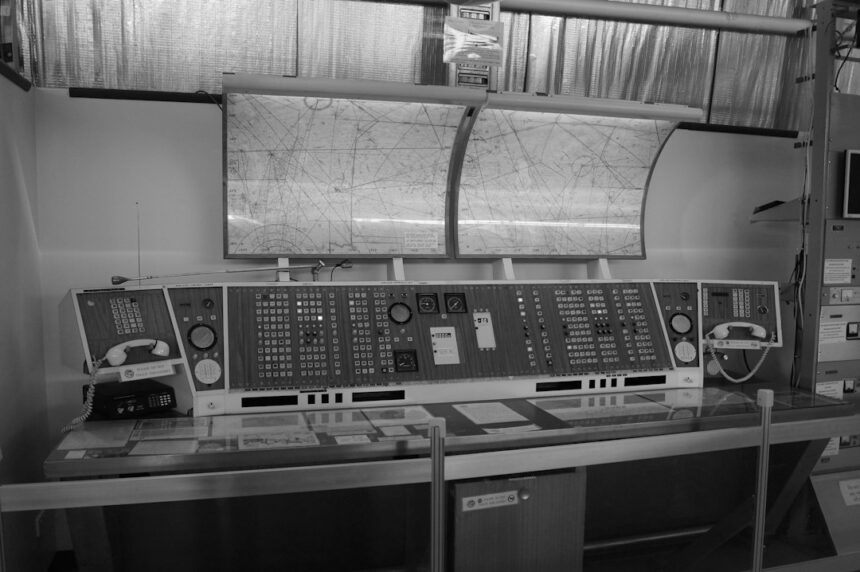
The crucible of the Second World War demanded an unprecedented level of coordination and strategic execution. While brilliant tactics and superior matériel undoubtedly played significant roles in the eventual Allied victory, the often-overlooked bedrock upon which these successes were built was the sophisticated and evolving system of command and control. The ability of the Allied powers to effectively communicate, make rapid decisions, and synchronize vast multinational forces across multiple theaters of war proved to be a decisive advantage, a silent weapon that chipped away at the Axis’s synchronized, albeit often rigid, command structures.
The very nature of modern warfare, with its rapid movements, vast distances, and the inherent uncertainty of battle, created what military theorists call the “fog of war.” This fog obscured vital information, distorted perceptions, and often led to paralysis or costly errors. For the Allies, forging a coherent strategy out of this chaos was a paramount challenge. Their diverse origins, differing priorities, and vast operational theaters presented a complex tapestry that required intricate weaving. Unlike the more centralized Axis command structures, the Allies operated under a coalition framework, necessitating constant negotiation, compromise, and a shared understanding of overarching objectives.
The Challenge of Multilateralism
The Allied coalition was a remarkable, and at times strained, alliance. The United States, Great Britain, the Soviet Union, China, and numerous other nations, each with their own distinct military doctrines, resources, and political considerations, had to coalesce into a unified fighting force. This inherent multilateralism presented a unique set of challenges for command and control.
Differing Military Doctrines
Each nation brought its own historical experiences and established military traditions to the war effort. The British, for instance, had a long history of amphibious operations and naval power, while the Soviets excelled in large-scale ground offensives. The American military, rapidly expanding and embracing technological innovation, brought a different set of strengths. Harmonizing these diverse approaches required constant dialogue, joint training exercises, and the establishment of common operating procedures.
The Imperative of Shared Intelligence
Effective command and control is fundamentally reliant on accurate and timely intelligence. For the Allies, pooling intelligence resources from various nations, often with differing levels of expertise and access, was a monumental undertaking. The development of robust intelligence-sharing mechanisms, from joint intelligence committees to cryptographic breakthroughs, was crucial for informing strategic decisions.
Bridging Geographical and Cultural Divides
The sheer geographical expanse of the war, from the Atlantic to the Pacific, and the diverse cultural backgrounds of the Allied soldiers, sailors, and airmen, added further layers of complexity. Language barriers, differing cultural norms, and the sheer logistical challenge of maintaining consistent communication across vast distances demanded innovative solutions.
During World War II, effective command and control were crucial for military success, influencing strategies and outcomes on various fronts. For a deeper understanding of how command structures evolved during this period, you can explore the related article on this topic at In the War Room, which delves into the complexities of military leadership and decision-making during the conflict.
The Evolution of Allied Command Structures
The Allied command and control systems did not emerge fully formed. They evolved organically, adapting to the changing realities of the war and the lessons learned from early setbacks. The establishment of overarching strategic bodies and the decentralization of tactical execution were key developments.
The Grand Alliance and Supreme Commanders
The formation of the “Grand Alliance” – primarily the United States, Great Britain, and the Soviet Union – necessitated the creation of high-level strategic bodies to coordinate their efforts. The Combined Chiefs of Staff (CCS), representing the military leadership of the US and UK, became a vital forum for planning and resource allocation. Later, the inclusion of the Soviet Union in key strategic discussions, albeit with its own distinct operational focus, further refined the Allied approach.
The Role of the Combined Chiefs of Staff
The CCS was instrumental in setting broad strategic objectives, allocating Lend-Lease aid, and coordinating major offensives. Their ability to transcend national interests and focus on the overarching goal of defeating the Axis was a testament to their effectiveness. However, achieving consensus among the CCS was often a complex and arduous process.
The Challenge of Stalin’s Directives
The Soviet Union’s command structure was far more centralized, with Joseph Stalin himself wielding significant direct control over military operations. This often led to friction with Western Allies who favored a more decentralized, staff-driven approach. The CCS had to learn to navigate Stalin’s often brusque and direct directives, ensuring that Soviet actions aligned with broader Allied strategy without stifling initiative at the front lines.
Theaters of Operation and Decentralization
As the war expanded, the establishment of distinct theaters of operation became essential. This allowed for a degree of decentralization, empowering commanders on the ground to make decisions more rapidly, within the parameters set by the higher command.
Supreme Allied Commanders in Specific Theaters
The appointment of Supreme Allied Commanders for key theaters, such as General Dwight D. Eisenhower in the European Theater of Operations (ETO) and Admiral Chester Nimitz in the Pacific, was a crucial step. These commanders were granted significant authority to direct operations within their respective domains, fostering greater efficiency and responsiveness.
The Dual Nature of Command: Strategic vs. Tactical
A critical distinction existed between strategic command, which focused on the overall direction of the war, and tactical command, which dealt with the immediate conduct of battles. The Allied system, by and large, excelled at strategic coordination while allowing for a significant degree of autonomy at the tactical level. This proved to be a more adaptable and resilient model than the rigid, top-down approach sometimes employed by the Axis.
Technological Innovations: The Digital Backbone of Victory
The Second World War was also a war of technological advancement, and command and control was profoundly shaped by these innovations. Communication technologies, in particular, revolutionized the battlefield.
The Power of Radio Communication
The widespread adoption of radio communication was a game-changer. It allowed for near-instantaneous dissemination of orders, intelligence updates, and status reports across vast distances. This dramatically reduced the delays inherent in older methods of communication, such as couriers and runners.
Shortwave and VHF Radio
From the vast distances of the Pacific to the front lines of Europe, shortwave and VHF radio technologies provided the auditory lifeline of Allied forces. Aircraft could communicate with ground units, ships could coordinate naval bombardments, and infantry units could maintain contact with their higher headquarters.
The Challenge of Interoperability
Despite the advancements, ensuring interoperability between the diverse radio systems of different Allied nations remained a significant challenge. Significant effort was invested in developing common frequencies and communication protocols to facilitate seamless communication between multinational units.
Codebreaking and Intelligence Dominance
The ability to break enemy codes was a profound strategic advantage, directly impacting command and control. Understanding enemy intentions, movements, and plans allowed the Allies to anticipate attacks, position their forces effectively, and launch decisive counteroffensives.
Ultra and Magic: The Secrets Revealed
The intelligence gained from breaking German Enigma and Lorenz ciphers (codenamed “Ultra”) and Japanese ciphers (codenamed “Magic”) provided an unparalleled advantage. This information, meticulously analyzed and disseminated, allowed Allied commanders to make informed decisions, often with foreknowledge of enemy actions.
The Dangers of Compromise
The successful use of Ultra and Magic also presented a constant challenge: keeping these sources of intelligence secret. The Allies had to be extremely careful not to reveal how they obtained their information, as this would alert the enemy and nullify the advantage. This required a sophisticated system for vetting and disseminating intelligence, ensuring that only those who absolutely needed to know had access.
Logistics and the Arteries of War
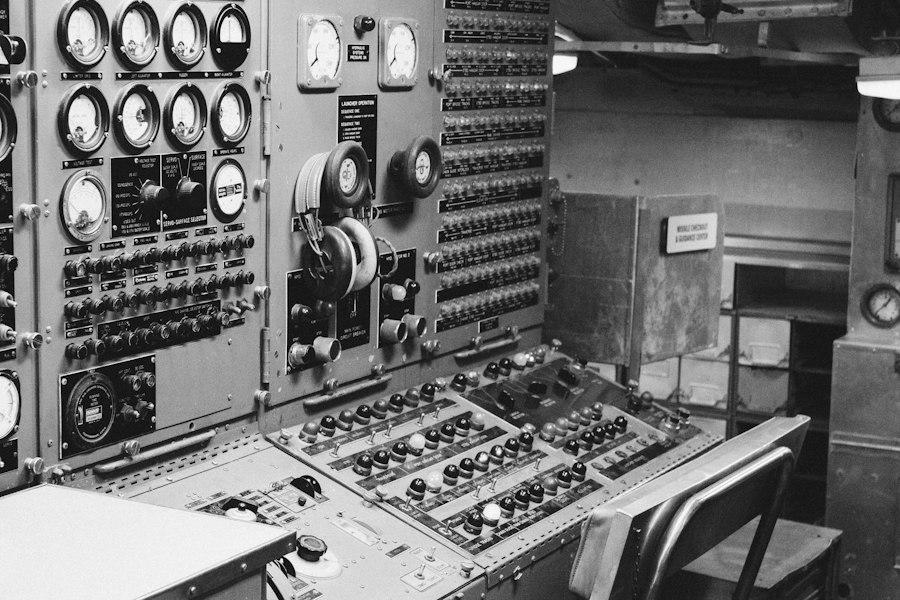
Effective command and control is inseparable from robust logistics. The ability to move troops, supplies, and equipment to where they were needed, when they were needed, was a critical component of Allied success.
The Industrial Might of the Allies
The industrial capacity of the United States, in particular, provided the logistical backbone for the Allied war effort. Mass production of ships, aircraft, vehicles, and weaponry allowed the Allies to sustain prolonged campaigns and replace losses at a rate that the Axis powers struggled to match.
Lend-Lease: Fueling the Alliance
The Lend-Lease Act was a crucial instrument of Allied logistics and command. It allowed the US to provide vital war materials to its allies without the immediate financial constraints that might have otherwise hampered their efforts. This ensured that even nations with limited industrial capacity could contribute effectively to the war.
The Merchant Marine: The Unsung Heroes
The Allied merchant marine, often operating under perilous conditions, was responsible for the colossal task of transporting troops and supplies across vast oceans. The sheer volume of cargo moved by these vessels was staggering and directly enabled the deployment of forces to distant theaters of war.
Coordination of Supply Lines
Command and control extended to the intricate management of global supply lines. Ensuring that vital resources flowed efficiently to the front lines, from ammunition and fuel to food and medical supplies, required meticulous planning and constant adjustments.
The Strategic Importance of Ports and Bases
Control of key ports and naval bases was paramount for maintaining supply lines. The Allied island-hopping campaigns in the Pacific, for instance, were as much about securing logistical hubs as they were about defeating enemy garrisons.
The Role of Transportation Corps and Naval Logistics
Dedicated branches within the Allied militaries, such as the US Army Transportation Corps and various naval logistics commands, were responsible for the complex task of managing the flow of materiel. Their efficiency and adaptability were crucial for sustaining the Allied war machine.
The complexities of command and control during World War II played a crucial role in the success of various military operations. For a deeper understanding of how these strategies were implemented and their impact on the war’s outcome, you can explore a related article that delves into the intricacies of military leadership and communication. This insightful piece can be found at In the War Room, where you will discover valuable perspectives on the challenges faced by commanders during this tumultuous period.
The Human Element: Leadership and Communication
| Aspect | Description | Example | Impact on WW2 |
|---|---|---|---|
| Communication Methods | Use of radio, telephone, telegraph, and signal flags for battlefield communication | German Enigma encrypted radio transmissions | Enabled rapid coordination and strategic planning |
| Command Structure | Hierarchical military organization from high command to field units | Allied Supreme Headquarters Allied Expeditionary Force (SHAEF) | Facilitated unified command and efficient decision-making |
| Intelligence Gathering | Use of codebreaking, reconnaissance, and espionage | British Ultra program breaking Enigma codes | Provided critical information influencing battle outcomes |
| Command and Control Centers | Centralized locations for planning and directing operations | German Wolf’s Lair (Hitler’s Eastern Front HQ) | Allowed coordinated large-scale operations |
| Technological Innovations | Development of radar, early computers, and encrypted communication | British Chain Home radar system | Improved detection and response times |
| Decision-Making Speed | Time taken from receiving intelligence to issuing orders | Rapid decisions during Battle of Britain air defense | Crucial for adapting to fast-changing battle conditions |
Beyond technology and logistics, the human element of command and control remained paramount. Effective leadership, clear communication, and the ability to inspire and motivate troops were indispensable.
The Art of Strategic Leadership
Allied leaders, from the highest echelons of command down to the company level, demonstrated varying degrees of strategic acumen and leadership. Figures like Eisenhower, Montgomery, Zhukov, and MacArthur, while sometimes clashing, ultimately forged a path to victory through a combination of strategic vision, tactical brilliance, and an understanding of their men.
The Importance of Decisive Action
In the face of the fog of war, decisive action, even with imperfect information, was often necessary. Allied commanders who could weigh the available intelligence, assess the risks, and commit their forces with conviction were crucial for seizing opportunities.
The Balancing Act of Initiative and Control
A key aspect of effective Allied command was finding the right balance between allowing subordinate commanders the initiative to act on the battlefield and maintaining overall strategic control. This allowed for flexibility and adaptability, crucial in the fluid environment of war.
The Psychology of Motivation and Morale
Command and control also encompassed the psychological dimension. The ability of leaders to communicate effectively, to foster a sense of shared purpose, and to maintain the morale of their troops was essential for sustained combat effectiveness.
The Power of Propaganda and Information Dissemination
Allied propaganda efforts played a role in shaping public opinion and maintaining domestic support for the war. On the battlefield, clear and consistent communication from commanders helped to demystify objectives and bolster troop confidence.
The Impact of Leadership on Unit Cohesion
Effective leadership fostered unit cohesion and a sense of camaraderie among soldiers. This, in turn, translated into a greater willingness to fight and endure hardship, a testament to the human dimension of command.
In conclusion, the Allied victory in the Second World War was not a foregone conclusion. It was the product of immense sacrifice, strategic brilliance, and technological innovation. However, the invisible threads that bound these elements together, the sophisticated and constantly evolving systems of command and control, were arguably the most critical factor. From the strategic coordination of the Grand Alliance to the tactical communication on the front lines, the Allied ability to effectively direct and synchronize their vast multinational forces proved to be the bedrock upon which their ultimate triumph was built. It was a testament to human ingenuity, a triumph of coordination over chaos, and a crucial lesson in the enduring power of effective command and control in the crucible of global conflict.

Eisenhower Gave Montgomery 2 U.S. Armies—Then He Wanted More
FAQs
What was the command and control structure during WW2?
During WW2, the command and control structure was typically hierarchical, with a clear chain of command from the top military leaders down to the soldiers on the front lines.
How did communication work in WW2 command and control?
Communication in WW2 command and control relied heavily on radio transmissions, telegraphs, and messengers to relay orders and information between different levels of command.
Who were the key figures in the WW2 command and control structure?
Key figures in the WW2 command and control structure included military leaders such as generals, admirals, and field marshals, who were responsible for making strategic decisions and issuing orders to their subordinates.
What challenges did the WW2 command and control face?
Challenges faced by the WW2 command and control included issues with communication reliability, coordinating large-scale military operations across vast distances, and adapting to rapidly changing battlefield conditions.
How did technology impact WW2 command and control?
Technology played a significant role in WW2 command and control, with advancements in radio communications, radar, and encryption helping to improve coordination and decision-making among military leaders.