The screen flickers to life, not with the familiar glow of modern digital, but with the grainy, stark black and white of a bygone era. A somber, almost mournful orchestral score swells, setting a tone of profound gravity that will underscore the entirety of “The Atomic Age: A Nuclear Weapons History Documentary.” This ambitious and meticulously researched film doesn’t merely recount the development of nuclear weapons; it excavates the terrifying reality, the agonizing moral quandaries, and the enduring legacy of humanity’s most destructive invention. From the flickering embers of scientific curiosity to the chilling mushroom clouds that scarred the earth, this documentary offers a comprehensive and deeply unsettling journey through the genesis and evolution of the atomic age.
The narrative begins not with bombs, but with brains. The early 20th century was a golden age of physics, a period of exhilarating discovery that unlocked the secrets of the atom. Scientists like Ernest Rutherford, Niels Bohr, and Marie Curie chipped away at the fundamental building blocks of matter, revealing a universe of subatomic particles and forces previously unimagined. “The Atomic Age” dedicates a significant portion of its early segments to these foundational discoveries, illustrating the theoretical leaps that paved the way for the unimaginable. It emphasizes that the initial pursuit of knowledge was driven by a pure, unadulterated desire to understand the universe.
Unlocking the Atom: From Theory to Experimentation
The documentary meticulously details the experiments and theoretical frameworks that led to the understanding of nuclear fission. Viewers are introduced to the groundbreaking work of Lise Meitner, Otto Hahn, and Fritz Strassmann, whose experiments in Berlin in late 1938 revealed that uranium atoms could be split, releasing a tremendous amount of energy. The film uses archival footage, interviews with historians and physicists, and carefully crafted animations to bring these complex scientific concepts to life. The tension is palpable as it describes the dawning realization that this newly discovered power could be harnessed, for good or for ill. The excitement of discovery is interwoven with a growing apprehension, a sense that humanity had stumbled upon something powerful and potentially dangerous. The filmmakers expertly convey the intellectual fervor of the time, the shared excitement and intellectual camaraderie among scientists who were pushing the boundaries of human knowledge. Yet, beneath the surface of this intellectual pursuit, a storm was brewing in Europe.
The Gathering Storm: Science and the Second World War
As Europe descended into the chaos of the Second World War, the scientific discoveries surrounding the atom took on a new, urgent dimension. The documentary highlights the chilling realization by Allied scientists that Nazi Germany, with its leading physicists, could potentially be developing a nuclear weapon. This fear, amplified by the looming threat of German aggression, provided the impetus for the Manhattan Project, a clandestine undertaking that would ultimately change the course of history. The film effectively portrays the moral tightrope walked by scientists who, initially driven by pure science, now found themselves compelled to develop a weapon of unprecedented destructive power out of a sense of patriotic duty and fear of what the enemy might achieve. The narrative shifts from the laboratory to the war room, illustrating the intense pressure and secrecy that characterized this monumental effort.
For those interested in the intricate history of nuclear weapons, a compelling documentary can provide valuable insights into the development and impact of these powerful arms. A related article that delves deeper into this subject is available at this link, where you can explore various aspects of nuclear strategy, international relations, and the ethical dilemmas surrounding nuclear proliferation.
The Manhattan Project: A Race Against Time and Morality
The heart of “The Atomic Age” lies in its unflinching examination of the Manhattan Project. This monumental undertaking, shrouded in secrecy and fueled by an almost unimaginable outpouring of resources and human ingenuity, remains one of the most significant, and controversial, scientific endeavors in history. The documentary pulls back the curtain on this clandestine operation, revealing the vast scale of the project and the immense pressure under which its participants worked.
Secrecy and Scale: The Birth of a Superweapon
The film details the logistical nightmares and the sheer audacity of the Manhattan Project. From the sprawling laboratories at Los Alamos, New Mexico, to the uranium enrichment facilities at Oak Ridge, Tennessee, and the plutonium production plants at Hanford, Washington, the documentary showcases the immense industrial and scientific infrastructure built to create the atomic bomb. Archival photographs and footage depict the thousands of scientists, engineers, technicians, and laborers who toiled in anonymity, often unaware of the ultimate purpose of their work. The documentary emphasizes the unprecedented collaboration between academia, industry, and government, all working towards a singular, terrifying goal. The sense of urgency is palpable, a constant undertone of the race against time. The film conveys the immense pressure on the scientists to succeed, the weight of the war effort resting on their shoulders.
The Architects of Destruction: Oppenheimer and His Team
At the forefront of the Manhattan Project stood J. Robert Oppenheimer, the brilliant theoretical physicist who served as the scientific director of the Los Alamos Laboratory. “The Atomic Age” delves into Oppenheimer’s complex character, portraying him as a man caught between his intellectual curiosity and the profound ethical implications of his work. Through interviews with historians and Oppenheimer’s own recorded words, the documentary explores his intellectual brilliance, his leadership style, and the growing burden of responsibility he carried. The film also highlights the contributions of other key figures, such as Enrico Fermi, Leo Szilard, and General Leslie Groves, painting a vivid portrait of the diverse individuals who played crucial roles in this historical undertaking. The personal toll of such a project is evident, with the documentary hinting at the psychological strain placed upon these individuals.
The Trinity Test: The First Nuclear Fire
The climax of the Manhattan Project, and a pivotal moment in human history, was the Trinity test. On July 16, 1945, in the desolate Jornada del Muerto desert, the world witnessed the first detonation of a nuclear weapon. “The Atomic Age” masterfully recreates the tension and awe of this event, using historical accounts, scientific data, and dramatic reenactments. The documentary captures the sheer power of the explosion, the blinding flash of light, and the earth-shattering roar, a visceral representation of humanity’s newfound ability to unleash unimaginable destruction. The film doesn’t shy away from the profound unease that followed, the chilling realization of what had been unleashed upon the world. Oppenheimer’s famous quote, “Now I am become Death, the destroyer of worlds,” echoes with a chilling resonance, a testament to the moral and existential crisis that had arrived with the flash.
The Mushroom Clouds: Hiroshima and Nagasaki
The decision to use the atomic bomb on Japanese cities remains one of the most debated and controversial aspects of World War II. “The Atomic Age” confronts this difficult history head-on, presenting the events leading up to the bombings of Hiroshima and Nagasaki with a sober and unvarnished gaze. The documentary avoids sensationalism, instead focusing on the human cost and the devastating consequences of nuclear warfare.
The Argument for the Bomb: Ending the War
The film explores the justifications put forth by the Allied powers for using the atomic bombs. It presents the arguments that the bombings were necessary to force Japan’s unconditional surrender, thereby avoiding a costly and bloody invasion of the Japanese mainland. Interviews with historians and military strategists, alongside archival footage of the war’s final brutal stages, offer context for these difficult decisions. The documentary acknowledges the prevailing sentiment at the time, the immense pressure to end the war and save Allied lives. However, it also introduces dissenting voices and the ethical questions that have persisted for decades.
The Cities Ablaze: The Horrors of August 1945
“The Atomic Age” dedicates significant time to detailing the catastrophic impact of the atomic bombings on Hiroshima and Nagasaki. Through survivor testimonies, harrowing photographs, and detailed scientific analysis of the bomb’s effects, the documentary paints a graphic and deeply moving picture of the devastation. The film shows the immediate aftermath: the incinerated landscapes, the thousands of dead and injured, and the insidious effects of radiation sickness that would plague survivors for years to come. The human stories are at the forefront, bringing home the immense suffering caused by these weapons. The documentary makes a conscious effort to portray the scale of the tragedy not just in numbers, but in the individual lives irrevocably altered.
The Shadow of the Bomb: Long-Term Consequences
Beyond the immediate destruction, the documentary explores the long-term consequences of the atomic bombings. It discusses the enduring health problems faced by the survivors, the psychological trauma, and the lingering fear of radiation. The film also touches upon the international implications of these bombings, marking the beginning of the nuclear age and the dawn of a new era of global tension. The legacy of Hiroshima and Nagasaki, the documentary suggests, is not just a historical footnote, but a constant reminder of humanity’s capacity for self-destruction. The profound sense of loss and the deep scars left on the survivors are powerfully conveyed, leaving a lasting emotional impact on the viewer.
The Cold War Arms Race: A World Held Hostage
The end of World War II did not bring an end to the development of nuclear weapons. Instead, it ushered in the era of the Cold War, a period of intense geopolitical rivalry and a terrifying nuclear arms race between the United States and the Soviet Union. “The Atomic Age” meticulously chronicles this period of escalating tension and the constant threat of global annihilation.
The Soviet Bomb: A New Global Dynamic
The documentary highlights the Soviet Union’s successful detonation of its own atomic bomb in 1949, a development that shattered the American nuclear monopoly and dramatically altered the global balance of power. This event, achieved through a combination of espionage and indigenous scientific effort, is presented as a crucial turning point, escalating the stakes and ushering in a new era of nuclear confrontation. The film details the surprise and shock within the U.S. government and the subsequent acceleration of their own nuclear programs. The narrative of unchecked American nuclear dominance was over, replaced by a precarious bipolar world.
The Hydrogen Bomb: Escalating the Stakes
The arms race quickly escalated with the development of the hydrogen bomb, a weapon far more powerful than the atomic bombs dropped on Japan. The documentary details the scientific and engineering challenges involved in creating these thermonuclear devices, as well as the immense destructive potential they represented. The film explains the concept of fusion, the process that powers the sun, and how scientists managed to harness it for destructive purposes on Earth. The descriptions of the H-bomb’s yield are chilling, conveying a scale of destruction that dwarfs anything previously conceived. The psychological impact of such power is explored, with the constant threat of annihilation becoming a grim backdrop to daily life.
Brinkmanship and Mutually Assured Destruction (MAD)
“The Atomic Age” explores the dangerous game of brinkmanship that characterized the Cold War, where both superpowers engaged in a constant dance on the precipice of nuclear war. The concept of Mutually Assured Destruction (MAD) is explained in detail, the chilling doctrine that argued that a nuclear attack by one side would inevitably lead to the complete annihilation of both. The film uses historical footage and expert analysis to illustrate the near-misses and crises that brought the world terrifyingly close to nuclear catastrophe, such as the Cuban Missile Crisis. The constant state of high alert and the immense psychological toll of living under the shadow of nuclear war are effectively conveyed. The documentary doesn’t just focus on the weapons themselves, but on the profound human fear and anxiety that permeated society.
In exploring the complex history of nuclear weapons, one can gain deeper insights by watching the documentary that delves into the pivotal moments and decisions that shaped the nuclear age. For a more comprehensive understanding, I recommend checking out a related article that discusses the implications of nuclear strategy and its impact on global politics. You can find it here: In the War Room. This resource provides valuable context and analysis that complements the themes presented in the documentary.
Proliferation and the Present Day: The Enduring Nuclear Threat
| Year | Event | Description | Significance |
|---|---|---|---|
| 1938 | Discovery of Nuclear Fission | Otto Hahn and Fritz Strassmann discover nuclear fission of uranium. | Laid the scientific foundation for nuclear weapons development. |
| 1942 | First Controlled Nuclear Chain Reaction | Enrico Fermi achieves the first controlled nuclear chain reaction in Chicago Pile-1. | Proved feasibility of nuclear reactors and weapons. |
| 1945 | Trinity Test | First detonation of a nuclear weapon in New Mexico. | Marked the beginning of the nuclear age. |
| 1945 | Hiroshima and Nagasaki Bombings | Atomic bombs dropped on Japanese cities, leading to WWII end. | First and only use of nuclear weapons in war. |
| 1949 | Soviet Union’s First Nuclear Test | USSR detonates its first atomic bomb, “RDS-1”. | Start of the nuclear arms race during the Cold War. |
| 1962 | Cuban Missile Crisis | 13-day confrontation between the US and USSR over missiles in Cuba. | Closest the world came to nuclear war. |
| 1968 | Nuclear Non-Proliferation Treaty (NPT) | International treaty to prevent spread of nuclear weapons. | Major step in nuclear disarmament efforts. |
| 1996 | Comprehensive Nuclear-Test-Ban Treaty (CTBT) | Treaty banning all nuclear explosions for testing purposes. | Strengthened global nuclear test monitoring. |
| 2017 | North Korea’s Nuclear Tests | North Korea conducts multiple nuclear tests, escalating tensions. | Raised global concerns over nuclear proliferation. |
The story of nuclear weapons did not end with the Cold War. “The Atomic Age” brings the narrative into the modern era, exploring the continued threat of nuclear proliferation and the ongoing challenges of disarmament. The documentary examines the complex geopolitical landscape and the persistent danger that nuclear weapons pose to global security.
The Nuclear Club: A Growing Arsenal
The film details the spread of nuclear weapons technology to other nations, creating a complex and often volatile nuclear club. It discusses the development of nuclear programs in countries like the United Kingdom, France, China, India, Pakistan, and North Korea. The documentary examines the motivations behind these nations’ pursuit of nuclear weapons, often citing security concerns and a desire for regional influence. The increasing number of states possessing nuclear weapons is presented as a significant challenge to international stability. The film highlights the complex international relations and the delicate balance of power that exists in a world where multiple nations possess these devastating weapons.
The Quest for Disarmament: Hope and Setbacks
“The Atomic Age” acknowledges the ongoing efforts and the persistent quest for nuclear disarmament. It highlights the establishment of arms control treaties, the work of international organizations, and the voices of activists advocating for a world free of nuclear weapons. However, the documentary also confronts the setbacks and the formidable obstacles that stand in the way of complete disarmament. The film offers a nuanced perspective, acknowledging both the progress made and the immense challenges that remain. The struggle for disarmament is portrayed as an ongoing battle, requiring constant vigilance and renewed commitment.
The Future of Nuclear Weapons: A Warning from History
The documentary concludes with a powerful and sobering reflection on the future of nuclear weapons. It warns that the lessons of the atomic age must not be forgotten. The film emphasizes the continued need for international cooperation, diplomatic solutions, and a renewed commitment to preventing the use and proliferation of these weapons. “The Atomic Age” leaves the viewer with a profound sense of responsibility, a call to remember the past and to work towards a future where the unimaginable destructive power of nuclear weapons is relegated to the annals of history, not a looming threat to humanity’s existence. The final images are a stark reminder of the devastation wrought, a silent plea for a more peaceful future, and a testament to the enduring power of this documentary to provoke thought and inspire action.

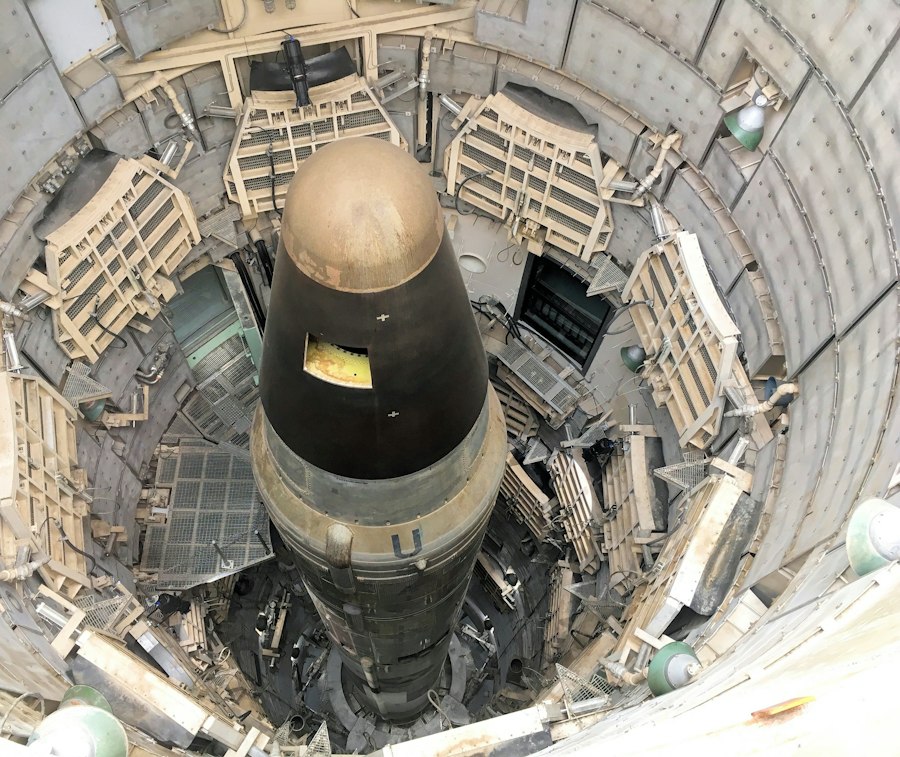
How a Dropped Socket Destroyed a Titan II Missile
FAQs
What is the focus of the nuclear weapons history documentary?
The documentary explores the development, use, and impact of nuclear weapons throughout history.
Who are the key figures and events covered in the documentary?
The documentary features key figures such as scientists like Robert Oppenheimer and events like the bombings of Hiroshima and Nagasaki during World War II.
How does the documentary portray the ethical and moral implications of nuclear weapons?
The documentary delves into the ethical and moral dilemmas surrounding the creation and use of nuclear weapons, including discussions on the devastating consequences of their deployment.
What new insights or information does the documentary provide about nuclear weapons history?
The documentary offers a comprehensive look at the historical context, technological advancements, and political decisions that have shaped the nuclear weapons landscape.
Where can viewers watch the nuclear weapons history documentary?
The documentary may be available for streaming on various platforms such as streaming services, educational websites, or through purchase on DVD or Blu-ray.