The United States Army’s presence in the Korean Demilitarized Zone (DMZ) represents a profound and enduring commitment, etched into the annals of 20th and 21st-century military history. For over seven decades, American soldiers have stood as a steadfast bulwark, a living testament to a nation’s pledge to defend South Korea from external aggression. This unparalleled role is not merely a matter of physical occupation, but a complex tapestry woven with threads of deterrence, diplomacy, alliance, and unwavering vigilance. The DMZ, a stark 250-kilometer scar across the Korean Peninsula, is more than just a physical boundary; it is a potent symbol of a protracted conflict, a frozen war, and the persistent threat that necessitates the ongoing presence of forces dedicated to peace through strength.
The establishment of the Demilitarized Zone, as it is known today, was a direct consequence of the Korean War (1950-1953). Following years of intense fighting and ultimately a bloody stalemate, the Armistice Agreement was signed on July 27, 1953. This agreement, while halting open hostilities, did not signify a peace treaty. Instead, it created a buffer zone, a physical separation between the newly formed Republic of Korea (ROK) in the south and the Democratic People’s Republic of Korea (DPRK) in the north.
The Armistice Agreement: A Ceasefire, Not a Peace Treaty
The signing of the Armistice Agreement was a monumental event, bringing an end to the active combat that had ravaged the peninsula. However, its architects understood that the underlying political divisions remained unresolved. The agreement was, therefore, a carefully crafted document designed to prevent a resurgence of large-scale conflict. It established the Military Armistice Commission (MAC) as the primary body responsible for overseeing the terms of the ceasefire. The United Nations Command (UNC), with the United States playing a pivotal role, was tasked with maintaining the armistice on behalf of the Allied powers.
The United Nations Command (UNC) and the US Army’s Leading Role
From its inception, the UNC has been instrumental in upholding the provisions of the armistice. The United States, having borne the brunt of the fighting and commitment during the Korean War, naturally assumed a leadership position within the UNC. The US Army, as the largest component of American ground forces, was tasked with the direct responsibility of maintaining the security and stability within its designated sectors of the DMZ. This involved establishing observation posts, conducting patrols, and being ready to respond to any provocations from the North Korean People’s Army (KPA). The initial mandate was clear: deter aggression and ensure that the fragile peace held.
Defining the Demarcation Line and the Initial Deployment
The armistice agreement meticulously defined the Demilitarized Zone, a strip of land approximately two kilometers wide on either side of the Military Demarcation Line (MDL). The MDL itself, a jagged line tracing the front lines at the time of the ceasefire, became the de facto border. The US Army, alongside ROK forces and other contributing UN nations, was tasked with establishing and manning positions along this perilous frontier. This initial deployment was a critical undertaking, involving the arduous establishment of defensive perimeters in a rugged and often treacherous terrain. The commitment was immediate and absolute, signifying the United States’ unwavering resolve to prevent a renewed conflict.
The history of the US Army’s presence in the Korean Demilitarized Zone (DMZ) is a crucial aspect of understanding the ongoing tensions on the Korean Peninsula. For a deeper insight into this topic, you can explore the article titled “The Role of the US Army in the Korean DMZ: A Historical Perspective” available at In The War Room. This article delves into the strategic significance of the DMZ and the experiences of soldiers stationed there throughout the decades.
Maintaining Deterrence: The Constant Vigilance of US Forces
The primary mission of the US Army in the DMZ has always been deterrence. The sheer presence of well-trained, well-equipped, and highly motivated American soldiers, alongside their ROK counterparts, serves as a potent psychological and military deterrent. This vigilance is not a passive stance; it is an active, multifaceted approach that encompasses constant observation, readiness for immediate action, and the projection of a formidable defensive capability.
Joint Security Area (JSA): The Frontline of Diplomacy and Tension
The Joint Security Area (JSA), located within the DMZ near the village of Panmunjom, holds a unique and often tense significance. It is the only place where North and South Korean soldiers stand face-to-face, and it is where diplomatic negotiations, prisoner exchanges, and important meetings have historically taken place. The US Army, as part of the UNC, plays a crucial role in maintaining security within the JSA. Soldiers here are trained to the highest standards of discipline, composure, and tactical awareness, as they operate in a highly sensitive environment where a single misstep could have catastrophic consequences.
Observation Posts and Patrols: Eyes and Ears of the DMZ
Throughout the length of the DMZ, US Army units operate numerous observation posts (OPs) and conduct regular patrols. These OPs are strategically positioned to provide comprehensive surveillance of the North Korean side, monitoring troop movements, construction, and any unusual activity. Patrols, often conducted on foot or in armored vehicles, traverse the rugged terrain, reinforcing the presence of friendly forces and gathering vital intelligence. This constant ebb and flow of personnel ensures that any potential threat is identified and assessed in its earliest stages.
“Fight Tonight” Mentality: The Readiness to Respond
A core tenet of US Army operations in the DMZ is the “Fight Tonight” mentality. This ethos underscores the paramount importance of being prepared to engage in combat at any moment. Soldiers stationed in this volatile region undergo rigorous training that emphasizes rapid response, effective engagement, and the ability to operate under extreme pressure. This constant state of readiness is a crucial element of deterrence, assuring potential adversaries that any aggression will be met with a swift and decisive response.
The Evolving Threat Landscape: Adapting to New Challenges
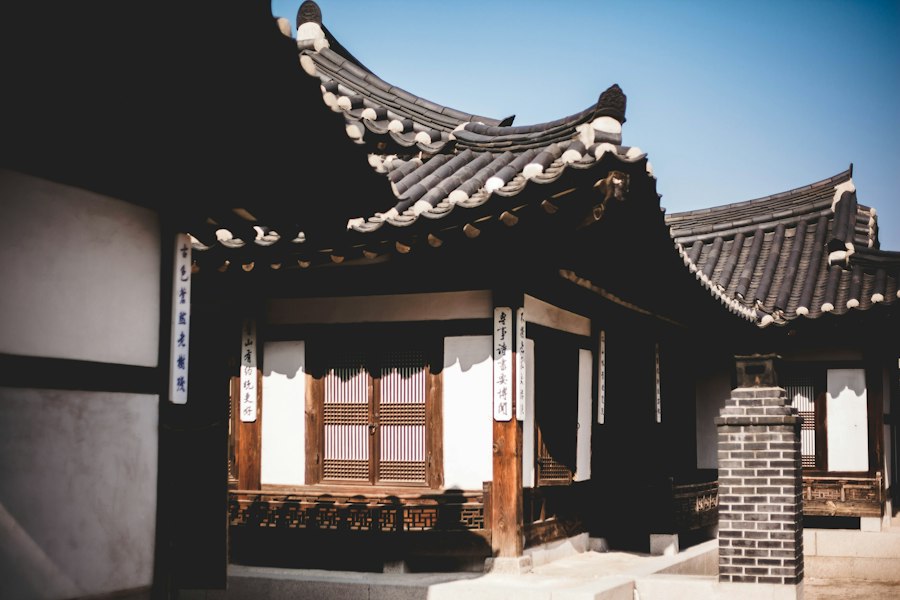
The nature of the threat posed by North Korea has evolved over the decades, and the US Army has consistently adapted its strategies and deployments to meet these changing challenges. From conventional military posturing to the increasing emphasis on asymmetric warfare and nuclear capabilities, the US Army’s role has been one of continuous assessment and recalibration.
The Shadow of Nuclear Weapons: A New Dimension of Deterrence
The DPRK’s pursuit of nuclear weapons and ballistic missile technology has introduced a new and more complex dimension to the security calculus in Korea. The US Army, in coordination with its allies, has had to incorporate this evolving threat into its deterrence strategies. This includes enhancing missile defense capabilities, maintaining a robust conventional force capable of responding to a range of scenarios, and engaging in diplomatic efforts to denuclearize the peninsula.
Asymmetric Warfare and Tunnel Infiltration: The Hidden Dangers
North Korea has historically employed asymmetric warfare tactics, including the construction of extensive underground tunnel networks beneath the DMZ. The US Army, alongside its ROK counterparts, has dedicated significant resources and training to counter these hidden threats. This involves specialized reconnaissance, detection technologies, and the development of counter-tunneling capabilities to prevent surprise attacks and infiltrations.
Cyber and Information Warfare: The Modern Battlefield
In addition to conventional and asymmetric threats, the US Army must also contend with the growing importance of cyber and information warfare. North Korea has demonstrated capabilities in these domains, and the US Army, as part of the UNC, is actively involved in defending against cyberattacks and countering propaganda efforts. This requires a sophisticated understanding of the digital landscape and the ability to operate effectively in both the physical and virtual realms.
A Symbol of Alliance: The Unbreakable Bond with South Korea
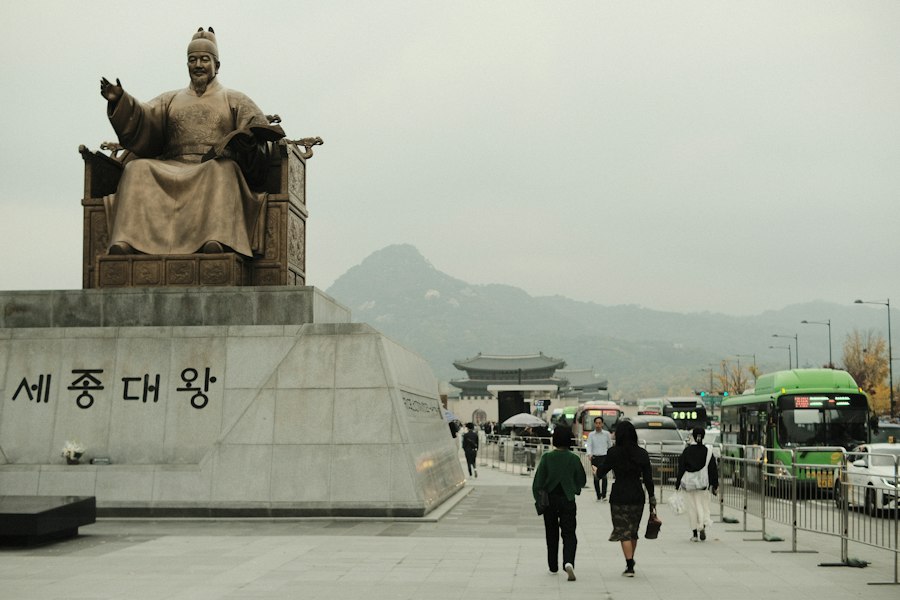
The US Army’s presence in the DMZ is intrinsically linked to the enduring alliance between the United States and the Republic of Korea. This partnership, forged in the crucible of war, has evolved into one of the strongest and most important alliances in the world. The shared commitment to security and stability on the Korean Peninsula is a cornerstone of this relationship.
The ROK-US Combined Forces Command (CFC): A Unified Front
The Republic of Korea-United States Combined Forces Command (CFC) exemplifies the deep integration and cooperation between the two nations’ militaries. The CFC is responsible for the combined defense of South Korea, with the US Commander of UNC also serving as the Commander of CFC. This unified command structure ensures seamless coordination and operational synergy between American and South Korean forces, presenting a formidable and cohesive defense posture.
Joint Training and Exercises: Enhancing Interoperability
Regular joint training exercises between US Army units and the ROK Armed Forces are crucial for enhancing interoperability and ensuring that both forces can operate effectively together in any contingency. These exercises simulate various combat scenarios, from large-scale maneuvers to specialized operations, fostering mutual understanding, refining tactics, and building confidence between allied soldiers.
Shared Sacrifice and Commitment: A Legacy of Partnership
The shared sacrifice and unwavering commitment displayed by both American and South Korean soldiers in the DMZ have cemented a profound and enduring bond. The presence of US forces is not merely an imposition; it is a testament to a shared destiny and a mutual understanding of the importance of peace and stability on the peninsula. This partnership extends beyond military cooperation, encompassing economic, cultural, and diplomatic ties that reinforce the strength of the alliance.
The history of the US Army’s presence in the Korean Demilitarized Zone (DMZ) is a fascinating topic that highlights the complexities of military strategy and international relations. For those interested in exploring this subject further, a related article provides an in-depth analysis of the events that shaped the DMZ and the role of the US Army in maintaining peace in the region. You can read more about this significant aspect of military history by visiting this article.
Beyond Deterrence: The Humanitarian and Diplomatic Facets
| Year | Event | US Army Involvement | Significance |
|---|---|---|---|
| 1953 | Korean Armistice Agreement Signed | US Army helped enforce ceasefire and established the DMZ | Established the Korean Demilitarized Zone (DMZ) as a buffer zone |
| 1967-1969 | DMZ Conflict (Second Korean War) | US Army conducted patrols and engaged in skirmishes with North Korean forces | Heightened tensions and increased military readiness along the DMZ |
| 1976 | Axe Murder Incident | US Army personnel involved in clearing tree branches; two soldiers killed | Led to Operation Paul Bunyan, a show of force by the US Army |
| 1994 | DMZ Tunnel Discovered | US Army engineers and intelligence units investigated tunnels dug by North Korea | Revealed North Korea’s infiltration attempts under the DMZ |
| 2000s-Present | Ongoing Patrols and Monitoring | US Army continues joint patrols with South Korean forces and maintains readiness | Maintains stability and deters aggression in the DMZ area |
While deterrence remains the primary mission, the US Army’s role in the DMZ also encompasses important humanitarian and diplomatic functions. The unique environment of the DMZ, with its strict controls and the presence of international observers, provides avenues for interactions that extend beyond military objectives.
Facilitating Dialogue and De-escalation: The Role in Panmunjom
As mentioned earlier, the Joint Security Area (JSA) at Panmunjom has historically served as a venue for dialogue between North and South Korea, often with the participation of the UNC. US Army personnel stationed in the JSA have played a vital role in facilitating these sensitive discussions, ensuring the security of participants, and acting as intermediaries when necessary. Their presence can contribute to de-escalation and the peaceful resolution of tensions.
Support for Humanitarian Missions and Separated Families
In specific instances, US Army personnel have been involved in providing logistical support for humanitarian missions or facilitating efforts related to the reunion of separated Korean families. While these are often sensitive and tightly controlled operations, the infrastructure and organizational capabilities of the US Army can be instrumental in enabling such crucial humanitarian endeavors.
Upholding International Law and Norms
The presence of the US Army as part of the United Nations Command underscores the international community’s commitment to upholding international law and norms on the Korean Peninsula. By maintaining the armistice and observing the agreed-upon regulations, US forces contribute to a framework that, however imperfect, has prevented a recurrence of full-scale war and provides a basis for potential future peaceful reunification.
The US Army’s historic role in the Korean DMZ is a complex and multifaceted endeavor. It is a story of unwavering commitment, constant vigilance, and adaptation to evolving threats. More than just a military presence, it is a symbol of a vital alliance, a testament to the enduring pursuit of peace through strength, and a stark reminder of the ongoing challenges and the hopes for a future free from division on the Korean Peninsula. The soldiers who stand guard in this unique and often somber landscape carry a heavy burden, but their dedication ensures that the fragile peace, hard-won and perpetually defended, endures.

America Sent an Aircraft Carrier to Cut Down One Tree
FAQs
What is the Korean Demilitarized Zone (DMZ)?
The Korean Demilitarized Zone (DMZ) is a strip of land running across the Korean Peninsula that serves as a buffer zone between North Korea and South Korea.
When was the Korean DMZ established?
The Korean DMZ was established in 1953 as part of the Korean Armistice Agreement that ended the Korean War.
What is the role of the US Army in the Korean DMZ?
The US Army has been stationed along the Korean DMZ since the end of the Korean War to support South Korea in maintaining peace and stability in the region.
Are there any historical events involving the US Army in the Korean DMZ?
Yes, there have been several incidents involving the US Army in the Korean DMZ, including the Axe Murder Incident in 1976 and the North Korean infiltration tunnels discovered in the 1970s and 1990s.
Is the Korean DMZ still heavily fortified today?
Yes, the Korean DMZ remains heavily fortified with barbed wire, landmines, guard posts, and military personnel from both North Korea and South Korea, as well as the US Army.