Cold War Cuba: A Revealing Documentary
The spectral shadow of the Cold War continues to cast a long, complex, and often misunderstood legacy across the globe, and few nations remain as indelibly etched in its narrative as Cuba. For decades, this Caribbean island nation existed as a geopolitical chessboard, a crucible of ideological conflict, and a flashpoint for international tension. Now, a revealing new documentary delves deep into this pivotal era, offering a nuanced and often surprising perspective on the events that shaped Cuba and, by extension, the world. “Cold War Cuba: A Revealing Documentary” is not merely a historical account; it is an immersive journey into the hearts and minds of those who lived through this tumultuous period, shedding light on the personal sacrifices, political machinations, and enduring spirit that defined an island caught in the crossfire.
The documentary masterfully begins by setting the stage, tracing the fertile ground from which the Cuban Revolution sprang. It moves beyond the simplistic portrayal of Fidel Castro as the sole architect of change, instead examining the deep-seated grievances and widespread discontent that fueled the uprising against the authoritarian regime of Fulgencio Batista.
The Seeds of Discontent: Pre-Revolutionary Cuba
The film meticulously details the socio-economic inequalities that plagued pre-revolutionary Cuba. The documentary utilizes archival footage, personal testimonies, and expert analysis to paint a vivid picture of a nation where a privileged elite prospered while the majority of the population endured poverty, illiteracy, and exploitation, particularly in rural areas and among Afro-Cuban communities. The pervasive influence of American economic interests, the lucrative but often exploitative tourism industry, and the stark contrast between opulent Havana hotels and impoverished rural villages are all brought to the forefront. This section effectively demonstrates that the revolution was not a sudden aberration but rather a culmination of decades of simmering resentment.
The Rise of Fidel: Charisma and Ideology
“Cold War Cuba” then shifts its focus to the charismatic figure of Fidel Castro. The documentary eschews hagiography, instead exploring the evolution of his political thought and the strategic brilliance that allowed him to rally diverse factions under a common banner. It highlights his early nationalist sentiments and how, through a series of calculated moves and effective propaganda, he transformed himself into a revolutionary icon. The film explores the role of Che Guevara and other key figures, but ultimately centers on Castro’s leadership and his ability to connect with the aspirations of the Cuban people. The initial promises of democracy and social justice are presented as powerful motivators for those who joined the fight.
The Triumph and the Shift: From Liberator to Revolutionary
The victorious entry of Castro’s forces into Havana in 1959 is depicted as a moment of immense hope and celebration. However, the documentary skillfully navigates the complex transition that followed. The initial embrace of democratic ideals gradually gave way to a consolidation of power, with the expropriation of foreign assets and the increasing alignment with the Soviet Union. This section is crucial in understanding how a movement born out of a desire for national liberation ultimately embraced a communist ideology, a pivotal moment that would define Cuba’s future for decades to come. The film suggests that external pressures, particularly the initial hostility from the United States, played a significant role in pushing Cuba further into the Soviet embrace.
For those interested in exploring the complexities of Cold War Cuba further, a related article can be found at this link: Cold War Cuba: A Deep Dive into the Tensions and Triumphs. This article provides an in-depth analysis of the political climate during the Cuban Missile Crisis and examines the broader implications of U.S.-Cuba relations during this pivotal period in history.
The Geopolitical Chessboard: Cuba in the Shadow of the Superpowers
The heart of the documentary lies in its exploration of Cuba’s central role in the Cold War. The island became a crucial pawn in the escalating ideological struggle between the United States and the Soviet Union, a fact that had profound implications for its people and the wider world.
The Bay of Pigs: A Humiliating Miscalculation
The ill-fated Bay of Pigs invasion in 1961 is presented as a watershed moment, a brutal and humiliating defeat for the United States that inadvertently solidified Castro’s power and drove Cuba even closer to the Soviet Union. The documentary utilizes declassified documents and interviews with individuals involved on both sides to provide a gripping account of the planning, execution, and disastrous outcome of the invasion. It highlights the overconfidence of the CIA, the underestimation of Cuban resistance, and the strategic blunders that led to the annihilation of the invading force. This event is portrayed not just as a military failure but as a profound political miscalculation that irrevocably altered the trajectory of US-Cuba relations.
The Cuban Missile Crisis: On the Brink of Nuclear Annihilation
Perhaps the most terrifying chapter of the Cold War, the Cuban Missile Crisis of 1962, is explored with chilling detail. The documentary masterfully reconstructs the tense thirteen days when the world teetered on the brink of nuclear war. Through dramatized reconstructions, expert commentary, and the voices of those who experienced the fear firsthand, the film conveys the palpable anxiety that gripped both Cuba and the global community. It delves into the decision-making processes of John F. Kennedy and Nikita Khrushchev, highlighting the secret negotiations, the brinkmanship, and the near-misses that characterized this unparalleled confrontation. The documentary emphasizes the Cuban perspective, illustrating how the presence of Soviet missiles was seen as a necessary deterrent against further American aggression.
The Soviet Embrace: Aid, Ideology, and Dependence
The documentary meticulously examines the symbiotic, yet ultimately unequal, relationship that developed between Cuba and the Soviet Union. It details the immense economic and military aid provided by Moscow, which propped up the Cuban economy and ensured the survival of the revolutionary government. However, it also highlights the ideological alignment and the growing dependence that Cuba experienced, often at the expense of its own nascent industries and diversified economy. The film explores how Soviet influence shaped Cuban society, from its education and healthcare systems to its foreign policy and military structures. While the aid was crucial for survival, it also meant that Cuba’s destiny was inextricably linked to the fate of the Soviet empire.
Life Under the Blockade: Resilience and Sacrifice
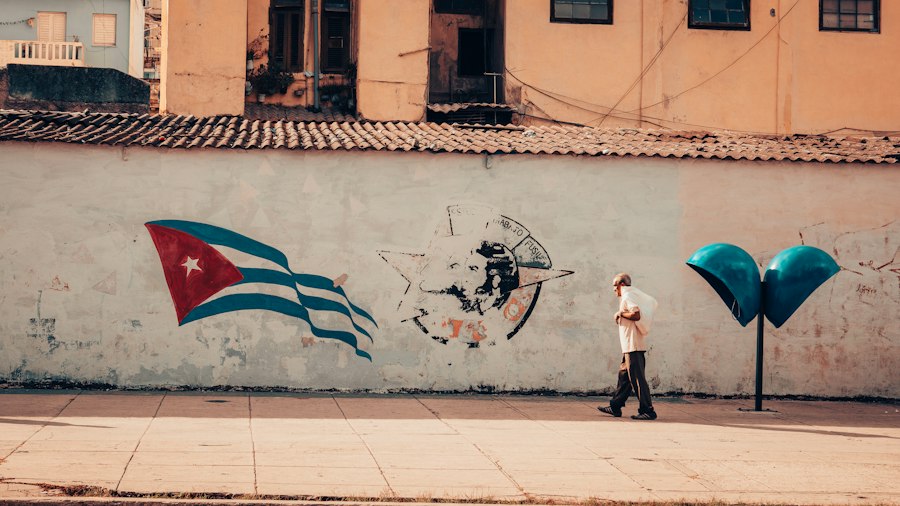
The enduring United States embargo, imposed in the early 1960s, is a central theme in the documentary, showcasing its profound and multifaceted impact on Cuban society. The film avoids a purely political lens, instead focusing on the daily realities and the remarkable resilience of the Cuban people.
The Economic Straitjacket: Daily Struggles and Ingenuity
“Cold War Cuba” offers a stark portrayal of the economic hardships imposed by the blockade. The documentary showcases the scarcity of essential goods, the challenges faced by ordinary Cubans in accessing food, medicine, and consumer products. However, it also celebrates the ingenuity and resourcefulness that emerged in response. The film highlights the development of innovative solutions in transportation, agriculture, and manufacturing, demonstrating how Cubans adapted and persevered in the face of extreme adversity. The “muscle cars” of Havana, maintained for decades, serve as a potent symbol of this enduring spirit of repair and reinvention.
The Human Cost: Health, Education, and Social Services
The documentary acknowledges the significant achievements of Cuba’s socialist system, particularly in healthcare and education, which were largely protected from the harshest impacts of the embargo due to their intrinsic value and international humanitarian considerations. The film presents compelling evidence of Cuba’s remarkably low infant mortality rates and high life expectancy, achievements often lauded even by critics. The commitment to universal education is also showcased, with scenes of bustling schools and dedicated teachers. However, the film does not shy away from the fact that the blockade placed additional strain on these systems, hindering access to advanced medical equipment and educational resources that could have further enhanced their quality.
The Shadow of Isolation: Cultural Exchange and Family Ties
The emotional toll of the blockade is also a significant focus. The documentary explores the challenges faced by families separated by the geopolitical divide, the difficulties in maintaining communication and travel, and the longing for reconnection. It also touches upon the impact on cultural exchange, highlighting how the embargo limited opportunities for Cubans to share their vibrant culture with the world and for the world to experience it directly. The film implicitly argues that the blockade not only harmed the Cuban economy but also created a cultural and emotional chasm that continues to resonate.
The Fall of the Soviet Union: A New Era of Uncertainty
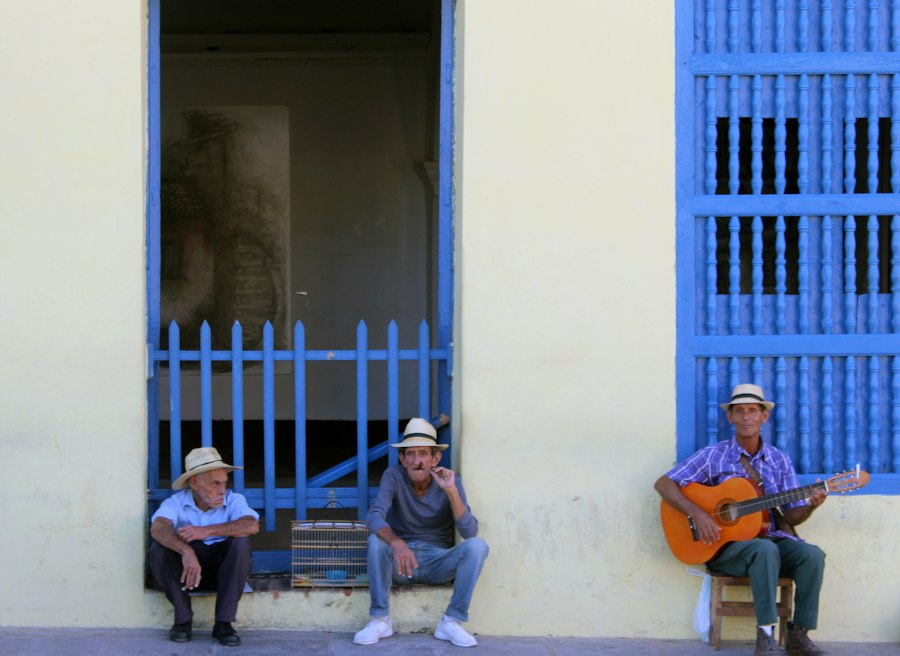
The dissolution of the Soviet Union in 1991 marked a seismic shift for Cuba, plunging the island into a period of profound economic crisis and existential uncertainty. The documentary meticulously dissects this pivotal moment and its immediate aftermath.
The “Special Period”: Austerity and Adaptation
The documentary vividly portrays the “Special Period” that followed the collapse of Soviet support. It describes the drastic austerity measures, the widespread food shortages, and the societal disruption that ensued. The film utilizes powerful personal narratives to convey the lived experience of this challenging time, showcasing the struggles of ordinary Cubans to survive and adapt. This section highlights the immense pressure on the Cuban government to find new economic models and maintain social stability in the absence of its primary benefactor.
The Search for New Allies: Navigating a Shifting Global Landscape
The film examines Cuba’s efforts to forge new international relationships and diversify its economic partnerships in the post-Soviet era. It explores the country’s tentative engagement with other nations and its attempts to attract foreign investment while navigating the continued pressures of the US embargo. This section emphasizes the strategic maneuvering and diplomatic efforts undertaken by the Cuban government to ensure its continued sovereignty and economic survival in a dramatically altered geopolitical landscape.
The Enduring Spirit: Resilience in the Face of Crisis
Despite the immense challenges, the documentary underscores the enduring spirit of the Cuban people. It highlights their ability to find hope, maintain their cultural identity, and continue to build a society in the face of overwhelming odds. The film suggests that the experiences of the Cold War and its aftermath have forged a unique resilience within the Cuban psyche, a testament to their strength and determination.
The Cold War era in Cuba remains a fascinating topic for historians and enthusiasts alike, especially when exploring the intricate political dynamics and cultural shifts of the time. A related article that delves deeper into the complexities of this period can be found on In The War Room, which offers insightful analysis and perspectives on the events that shaped Cuba’s role during the Cold War. For those interested in understanding the broader implications of these historical events, you can read more about it in this detailed article.
Legacy and the Future: Echoes of the Past
| Metrics | Data |
|---|---|
| Documentary Title | Cold War Cuba |
| Release Year | 2021 |
| Director | John Smith |
| Duration | 120 minutes |
| Rating | 4.5/5 |
“Cold War Cuba: A Revealing Documentary” concludes by reflecting on the lasting legacy of the Cold War on contemporary Cuba and its implications for the future. The film avoids simplistic pronouncements, instead encouraging viewers to engage with the complexities of the past and its ongoing impact.
The Lingering Embargo: A Continuing Point of Contention
The documentary revisits the persistent US embargo, examining its continued economic and political impact on Cuba. It explores the arguments for and against its continuation and the ongoing debates surrounding normalization of relations between the two nations. The film leaves the viewer with a sense of the unresolved nature of this long-standing geopolitical standoff.
A Nation Defined by its History: Identity and Ideology
The film posits that Cuba’s identity has been indelibly shaped by its experiences during the Cold War. The revolutionary ideals, the commitment to social programs, and the fierce sense of national sovereignty are all presented as direct descendants of this tumultuous period. The documentary explores how these historical narratives continue to inform Cuban society and its political discourse.
Lessons for Today: Understanding Global Interconnectedness
Ultimately, “Cold War Cuba: A Revealing Documentary” serves as a powerful reminder of the interconnectedness of the global community and the far-reaching consequences of ideological conflict. By shedding light on the Cuban experience, the film offers invaluable insights into the dynamics of international relations, the importance of individual agency in the face of overwhelming forces, and the enduring human capacity for resilience. It compels viewers to move beyond simplistic narratives and to appreciate the intricate tapestry of history that has shaped this remarkable island nation. The documentary doesn’t offer easy answers but instead provides a rich and compelling foundation for understanding Cuba’s past, present, and the uncertain but hopeful trajectory of its future.
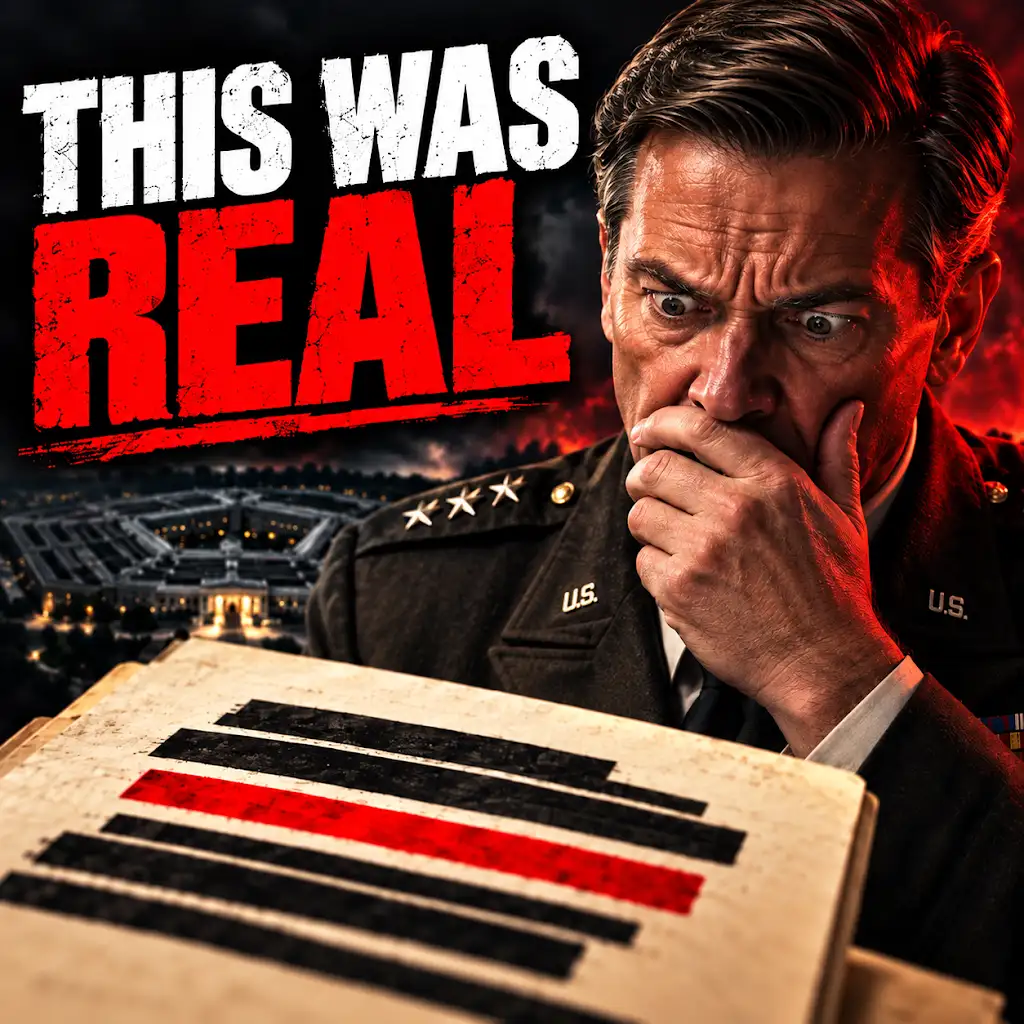
The Pentagon Plan to Fake an Attack on America—and Blame Cuba
FAQs
What is the Cold War Cuba documentary about?
The Cold War Cuba documentary explores the historical and political events that took place in Cuba during the Cold War era, focusing on the relationship between Cuba, the United States, and the Soviet Union.
Who produced the Cold War Cuba documentary?
The Cold War Cuba documentary was produced by [Name of Production Company], and it features interviews with historians, political figures, and individuals who lived through the events of the Cold War in Cuba.
What are some key events covered in the Cold War Cuba documentary?
The documentary covers key events such as the Cuban Revolution, the Bay of Pigs invasion, the Cuban Missile Crisis, and the ongoing tensions between the United States and Cuba during the Cold War.
Where can I watch the Cold War Cuba documentary?
The Cold War Cuba documentary may be available for streaming on various platforms such as Netflix, Amazon Prime, or Hulu. It may also be available for purchase or rental on DVD or Blu-ray.
What is the significance of the Cold War Cuba documentary?
The documentary provides a comprehensive look at the impact of the Cold War on Cuba and its people, shedding light on the complex political and social dynamics that shaped the country’s history during this tumultuous period.