The Cuban Missile Crisis of October 1962 stands as one of the most perilous junctures of the Cold War, a period when the existential threat of nuclear annihilation loomed larger than perhaps ever before or since. This thirteen-day confrontation between the United States and the Soviet Union, catalyzed by the discovery of Soviet ballistic missile bases in Cuba, forced both superpowers to the brink of armed conflict. While often framed as a diplomatic triumph due to the eventual withdrawal of missiles, the crisis was fundamentally shaped by the immense and imminent threat of US military intervention. The possibility of a preemptive strike, a full-scale invasion, and the subsequent strategic calculus that guided US decision-making underscore the critical role of military options, even in the face of potentially catastrophic consequences.
The genesis of the Cuban Missile Crisis was the clandestine deployment of Soviet intermediate-range ballistic missiles (IRBMs) and medium-range ballistic missiles (MRBMs) to Cuba. This audacious move by Soviet Premier Nikita Khrushchev was a direct response to the perceived strategic imbalance created by US Jupiter missiles stationed in Turkey, close to the Soviet border, and the failed Bay of Pigs invasion of Cuba in 1961, which had heightened Soviet concerns about the security of Fidel Castro’s regime.
The Eyes in the Sky: U-2 Reconnaissance Flights
The crucial moment of discovery arrived on October 14, 1962, when a U-2 spy plane, piloted by Major Richard Heyser, conducted a routine reconnaissance mission over Cuba. The high-altitude aircraft, equipped with advanced photographic equipment, captured unmistakable images of launch sites, missile transporters, and the characteristic silos for ballistic missiles. These photographs, initially processed and analyzed by the Central Intelligence Agency (CIA) and the Department of Defense, provided irrefutable evidence of a grave and immediate threat to the United States.
Initial Analysis and Confirmation
The grainy but clear photographs from the U-2 flights were subject to intense scrutiny by intelligence analysts. The presence of missile components, fueling trucks, and military personnel in a configuration consistent with offensive missile deployment left little room for doubt. The identification of specific missile types, believed to be the R-12 (SS-4) and R-14 (SS-5) missiles, capable of reaching most of the continental United States with nuclear warheads, sent shockwaves through the highest echelons of the US government.
The Escalation of Fear: Imminent Threat Perception
The confirmation of Soviet missiles in Cuba triggered an immediate and visceral sense of fear within the US administration. The proximity of these weapons, capable of delivering a devastating strike in mere minutes, drastically reduced warning times and fundamentally altered the strategic landscape. The perceived shift from a distant threat to an immediate existential danger galvanized the US response, placing military options squarely on the table.
In examining the complexities of the Cuba military intervention in 1962, it is essential to consider the broader geopolitical context of the Cold War. A related article that delves into the intricacies of this pivotal moment in history can be found at this link. This resource provides valuable insights into the motivations behind the intervention and its lasting impact on U.S.-Cuba relations, offering a comprehensive overview of the events that shaped this critical period.
The Executive Committee and the Spectrum of Response
Upon receiving the intelligence, President John F. Kennedy convened the Executive Committee of the National Security Council (ExComm) to deliberate on the course of action. This group, comprised of key advisors from various government departments, grappled with an array of response options, ranging from diplomatic overtures to full-scale military invasion. The deliberations were fraught with tension, as the potential consequences of each action were profoundly understood.
The Military Imperative: Options Under Scrutiny
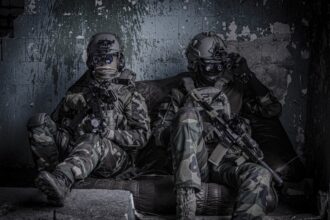
The military establishment, particularly the Joint Chiefs of Staff, advocated strongly for decisive military action. Their recommendations centered on two primary options: an air strike to destroy the missile sites and a full-scale invasion of Cuba.
The Air Strike Proposal: Surgical or Catastrophic?
The air strike option was presented as a way to neutralize the immediate threat without resorting to a ground invasion. Proponents argued that a swift and targeted series of aerial attacks could destroy the missile launchers and associated infrastructure. However, significant concerns were raised about the effectiveness of such strikes.
Uncertainty of Targets: Missing Components
Intelligence suggested that the Soviets might have already deployed some operational missiles, and the exact number and location of all warheads remained uncertain. There was a real risk that an air strike might not destroy all the missiles, leaving some intact and capable of launching. Furthermore, the possibility of Soviet retaliation, either against the US or its allies, was a significant deterrent.
Collateral Damage and Escalation
The potential for collateral damage to civilian areas in Cuba was also a major concern. More importantly, the air strike could be interpreted by the Soviets as an act of war, potentially triggering a wider conflict. The risk of encountering Soviet military personnel defending the sites also added to the perilous calculus of an air strike.
The Invasion Scenario: A Path to Total War?
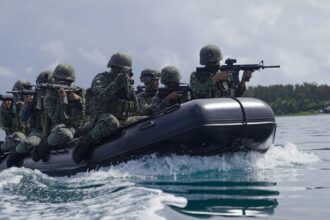
The more aggressive option favored by some military leaders was a full-scale invasion of Cuba. This would involve landing hundreds of thousands of US troops on the island, aiming to overthrow Castro’s government and dismantle the missile bases by force.
Overwhelming Force and Regime Change
The proponents of invasion believed that this was the only sure way to eliminate the missile threat and prevent future deployments. It would also serve as a strong demonstration of US resolve and commitment to preventing Soviet expansion in its hemisphere. The strategic objective would extend beyond missile removal to the complete dismantling of the communist regime in Cuba.
The Bloodbath Prospect: Casualties and Soviet Reaction
However, the invasion scenario carried the highest risk of massive casualties, both for US forces and Cuban civilians. It was also widely feared that such an action would provoke a direct military response from the Soviet Union, potentially leading to a direct confrontation between US and Soviet forces and, consequently, a global nuclear war. The specter of the Korean War, with its prolonged and bloody conflict, loomed large in these discussions.
The Diplomatic Track: Seeking a Peaceful Resolution
Alongside the military options, a diplomatic approach was also explored. This involved engaging with the Soviets through various channels to find a peaceful resolution to the crisis.
Secret Negotiations and Back-Channel Communications
While publicly maintaining a firm stance, the Kennedy administration engaged in secret negotiations and back-channel communications with Moscow. These efforts aimed to understand Soviet motivations, explore potential compromises, and de-escalate the situation without appearing weak.
The Role of Robert Kennedy
Attorney General Robert Kennedy played a crucial role in these back-channel communications, acting as a direct link to Soviet Ambassador Anatoly Dobrynin. These discussions allowed for a more candid exchange of views and facilitated the exploration of a potential deal.
The Turkey Missile Swap: A Difficult Compromise
A key element of the eventual resolution involved the US willingness to withdraw its Jupiter missiles from Turkey. This was a difficult concession for the US, as it involved compromising on a previously established strategic posture. However, it was seen as a necessary component to achieving the withdrawal of Soviet missiles from Cuba.
The Quarantine Decision: A Measured Response
After extensive deliberations, President Kennedy ultimately opted for a naval blockade, or “quarantine,” of Cuba. This was a middle ground between inaction and direct military intervention, designed to prevent further Soviet military shipments from reaching the island while also allowing for a diplomatic solution.
Strategic Justification: Avoiding Direct Confrontation
The quarantine was strategically chosen to avoid the immediate risks associated with an air strike or invasion. It was a visible and forceful demonstration of US resolve, signaling that the US would not tolerate the presence of offensive weapons in Cuba, but it did not constitute a direct act of war.
The Legal and Political Framing: A “Quarantine” vs. a “Blockade”
The term “quarantine” was deliberately chosen over “blockade.” A blockade is considered an act of war under international law, while a quarantine is a more limited measure to prevent the introduction of specific items. This linguistic distinction was important for maintaining a degree of legal and political flexibility.
Intercepting Soviet Ships: A Test of Will
The implementation of the quarantine involved US naval vessels intercepting Soviet ships en route to Cuba. This created a highly tense situation, with the potential for direct confrontation at sea. The world watched with bated breath to see if Soviet ships would challenge the quarantine and if the US would respond with force.
The Brinkmanship of the Thirteen Days: A Tightrope Walk
The thirteen days of the Cuban Missile Crisis were characterized by intense pressure, constant communication, and a constant awareness of the potential for miscalculation. Both sides engaged in a dangerous game of brinkmanship, testing each other’s resolve while desperately seeking a way out of the escalating conflict.
Escalating Tensions: Soviet Defiance and US Readiness
As the quarantine went into effect, Soviet ships continued their journey towards Cuba. This created a critical moment of decision for both Kennedy and Khrushchev. The US military was on high alert, with forces mobilized for potential conflict.
SAC’s Nuclear Alert: A Shadow of Apocalypse
The Strategic Air Command (SAC) was placed on DEFCON 2, the highest alert level short of actual war. This meant that bombers were in the air, and nuclear-armed missiles were ready for launch. The sheer scale of this readiness underscored the terrifying potential for immediate nuclear retaliation.
The “Ready Now” Doctrine: A Dangerous Precedent
The notion of “ready now” with nuclear weapons available for immediate use was a chilling aspect of the crisis. It highlighted how quickly a situation could spiral out of control and lead to an accidental or intentional nuclear exchange.
The U-2 Incident: A Near Catastrophe
On October 27, 1962, often referred to as “Black Saturday,” a US U-2 spy plane was shot down over Cuba, killing the pilot, Major Rudolf Anderson Jr. This incident dramatically escalated tensions and brought the world even closer to the precipice of war.
Soviet Action or Cuban Aggression?
The immediate question was whether the missile was fired by Soviet forces or Cuban anti-aircraft units. The US military urged for an immediate retaliatory air strike against the SAM sites responsible for the shootdown.
Kennedy’s Restraint: A Crucial Decision
President Kennedy, recognizing the immense danger of immediate retaliation, resisted the calls for an immediate air strike. He understood that such a response could trigger a cascade of retaliatory actions, leading to a full-scale war. This moment of restraint proved to be a pivotal turning point in the crisis.
The Intelligence Gap: Limited Understanding of Soviet Intentions
The U-2 incident also highlighted the persistent intelligence gaps regarding Soviet intentions and capabilities. The US did not fully understand the extent of Soviet control over the missile deployments or the potential for independent action by Cuban forces.
The Resolution: A Compromise Forged in Fear
The near-catastrophic events of “Black Saturday” intensified the urgency to find a resolution. The fear of accidental escalation and the devastating consequences of nuclear war finally pushed both sides towards a compromise.
Khrushchev’s Offer: The Two Letters
Soviet Premier Nikita Khrushchev sent two letters to President Kennedy during the crisis. The first letter, more emotional and conciliatory, offered to remove the missiles in exchange for a US pledge not to invade Cuba. The second letter, more formal and demanding, also included the withdrawal of US Jupiter missiles from Turkey.
The “Good Cop/Bad Cop” Strategy: Soviet Tactics
Some analysts believe the two letters represented a Soviet tactic to test the US response and potentially extract more concessions. The more aggressive second letter may have been intended to put further pressure on Kennedy.
Navigating the Dual Offers: US Strategy
The ExComm debated how to respond to these conflicting offers. Ultimately, the US decided to respond to the more conciliatory first letter publicly, while secretly agreeing to the terms of the second letter regarding the Turkey missile withdrawal.
The Public and Private Deal: Securing Peace
The public agreement involved the Soviet Union removing its missiles from Cuba under UN supervision, and the US pledging not to invade Cuba. Privately, the US also agreed to withdraw its Jupiter missiles from Turkey at a later date, a move that was carefully concealed to avoid damaging NATO alliances.
The Role of the UN: Verification and Diplomacy
The United Nations played a crucial role in verifying the withdrawal of Soviet missiles, adding a layer of international legitimacy to the resolution. This allowed both sides to save face and provided a mechanism for monitoring compliance.
The Legacy of the “Missile Gap” Revisited: US Military Posture
While the crisis was resolved diplomatically, it had a profound impact on the US military posture and its understanding of the nuclear threat. The perceived vulnerability exposed by the crisis led to a significant increase in US defense spending and a renewed focus on missile defense systems and strategic nuclear capabilities.
The Cuba military intervention in 1962 was a pivotal moment in Cold War history, reflecting the intense geopolitical tensions between the United States and the Soviet Union. This event not only shaped U.S.-Cuba relations but also influenced military strategies worldwide. For a deeper understanding of the implications and outcomes of this intervention, you can read a related article that explores the broader context of military engagements during that era. Discover more about this significant historical event by visiting this insightful article.
The Enduring Legacy: Lessons Learned and Future Implications
| Metrics | Data |
|---|---|
| Duration of intervention | October 16-28, 1962 |
| Number of military personnel involved | Over 40,000 |
| Number of ships involved | Over 180 |
| Number of aircraft involved | Over 1,000 |
| Outcome | Resolution through negotiations, avoiding direct military conflict |
The Cuban Missile Crisis left an indelible mark on international relations and strategic thinking. It served as a stark reminder of the catastrophic consequences of nuclear war and the importance of careful diplomacy and de-escalation.
The Establishment of the “Hotline”
In the aftermath of the crisis, the “Moscow-Washington hotline” was established, a direct communication link between the White House and the Kremlin. This was designed to facilitate rapid and clear communication between the two superpowers during future crises, reducing the risk of miscalculation and accidental escalation.
Immediate Communication Channels: Preventing Misunderstandings
The hotline aimed to provide an immediate and reliable channel for leaders to communicate directly, bypassing bureaucratic delays and ensuring that messages were received and understood without ambiguity.
The Psychology of Crisis Management: A Case Study
The crisis remains a seminal case study in crisis management, analyzing the decision-making processes of leaders under extreme pressure. The effectiveness of different communication strategies, the influence of military advice, and the role of individual leadership are all subjects of ongoing study.
The Shift in Nuclear Strategy: Deterrence and Arms Control
The crisis fundamentally altered the calculus of nuclear strategy. It underscored the concept of Mutually Assured Destruction (MAD) and the imperative of deterrence. While the immediate focus was on de-escalation, the crisis also spurred efforts towards arms control agreements.
The Partial Test Ban Treaty: A First Step
The Partial Test Ban Treaty of 1963, which prohibited nuclear weapons tests in the atmosphere, outer space, and underwater, was a direct consequence of the heightened awareness of nuclear risks generated by the crisis. It represented a small but significant step towards limiting the proliferation and testing of nuclear weapons.
The Ongoing Nuclear Debate: Security vs. Disarmament
The debate between prioritizing nuclear deterrence for security versus pursuing complete nuclear disarmament continues to this day, with the Cuban Missile Crisis serving as a powerful historical anchor in these discussions.
The United States’ Role in Global Security: A Renewed Vigilance
For the United States, the crisis reinforced its role as a global superpower and the protector of its hemisphere. However, it also instilled a profound sense of caution regarding the deployment of military forces and the potential for escalation. The memory of the brink of nuclear war profoundly shaped subsequent US foreign policy decisions, emphasizing the need for careful consideration of all options and the paramount importance of avoiding direct confrontation with nuclear-armed adversaries. The perceived vulnerability of American soil spurred a sustained focus on intelligence gathering and the development of sophisticated early warning systems, ensuring that the nation would never again be caught so unprepared. The deployment of missiles in Cuba had been a bold gamble by the Soviet Union, and its near-successful gambit forced a re-evaluation of the strategic balance. The US military’s readiness, while essential for deterrence, also highlighted the terrifying proximity of war. The crisis served as a critical lesson in the interconnectedness of global security, demonstrating how events in one region could rapidly escalate into a worldwide threat. The lessons learned from the Cuban Missile Crisis continue to resonate in contemporary geopolitical challenges, reminding policymakers of the immense responsibility that comes with possessing nuclear weapons and the imperative of prioritizing peace and stability.
The Pentagon Plan to Fake an Attack on America—and Blame Cuba
FAQs
What was the Cuba military intervention in 1962?
The Cuba military intervention in 1962 refers to the events surrounding the Cuban Missile Crisis, a 13-day confrontation between the United States and the Soviet Union over the presence of Soviet ballistic missiles in Cuba.
What led to the Cuba military intervention in 1962?
The Cuba military intervention in 1962 was triggered by the discovery of Soviet ballistic missiles in Cuba by the United States. This discovery led to a tense standoff between the two superpowers, bringing the world to the brink of nuclear war.
What was the outcome of the Cuba military intervention in 1962?
The outcome of the Cuba military intervention in 1962 was a negotiated settlement between the United States and the Soviet Union. The Soviets agreed to remove their missiles from Cuba in exchange for the U.S. pledging not to invade Cuba and secretly agreeing to remove its missiles from Turkey.
How did the Cuba military intervention in 1962 impact the Cold War?
The Cuba military intervention in 1962 had a significant impact on the Cold War. It heightened tensions between the United States and the Soviet Union and brought the world to the brink of nuclear war. It also led to a period of increased dialogue and cooperation between the two superpowers, as both sides sought to avoid a similar crisis in the future.
What is the historical significance of the Cuba military intervention in 1962?
The Cuba military intervention in 1962 is historically significant as it represents one of the closest moments the world has come to nuclear war. It also marked a turning point in the Cold War, leading to a period of detente and increased communication between the United States and the Soviet Union.