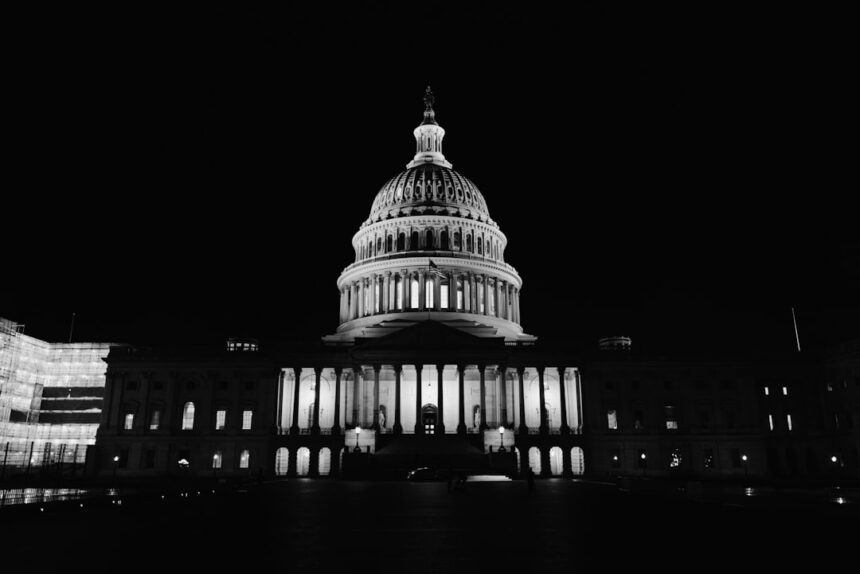
The flickering shadows on the screen cast an unsettling aura, mirroring the clandestine world the documentary, “Uncovering US Government Secrets: A Revealing Documentary,” seeks to illuminate. This cinematic exploration delves into the labyrinthine corridors of American power, unearthing classified information and challenging long-held narratives. It’s a journey that doesn’t merely present facts; it dissects them, questioning motivations and exposing the profound impact of hidden decisions on the lives of ordinary citizens. The film, a meticulously researched and expertly crafted piece of investigative journalism, eschews sensationalism for a sober, yet deeply compelling, examination of what has been kept from the public eye. Its release has sent ripples through the discourse, igniting conversations about transparency, accountability, and the very nature of democratic governance.
The documentary traces the origins of government secrecy in the United States, not as a sudden aberration, but as an evolving practice deeply embedded in the nation’s history. It argues that the seeds of classification were sown early, often under the guise of national security, but that the scope and scale of secrecy have expanded exponentially over time, particularly in response to global conflicts and the rise of advanced technologies.
Early Days of Classified Information
The film begins by examining the establishment of early governmental record-keeping and the nascent understanding of what constituted sensitive information. It highlights instances where nascent governmental bodies grappled with the need to protect information deemed vital to nascent national interests, even in a nascent republic that prided itself on openness. The discussions often revolved around diplomatic negotiations, military strategies, and nascent industrial advancements. The documentary provides historical context, illustrating how the very concept of “national security” began to solidify and, in doing so, laid the groundwork for the classification systems we recognize today. It points to the limitations of public access to information in the early republic, often driven by concerns about foreign influence and the fragile nature of a new nation.
The Cold War’s Shadow: Amplifying Secrecy
A significant portion of the documentary is dedicated to the Cold War era, a period characterized by heightened geopolitical tensions and a pervasive sense of existential threat. The film meticulously details how this climate fostered an unprecedented expansion of the classified information ecosystem. The arms race, the space race, and the constant fear of espionage and sabotage created a fertile ground for the proliferation of classification stamps and the justification for withholding vast swathes of information from public scrutiny. The documentary illustrates how the perceived need to maintain a strategic advantage over the Soviet Union led to the classification of an ever-wider array of documents, from scientific research and technological developments to intelligence gathering operations and diplomatic exchanges. The narrative suggests that the lines between legitimate national security concerns and political expediency began to blur during this period.
Post-Cold War: The Persistence of Secrecy
Surprisingly, the documentary argues that the end of the Cold War did not lead to a significant reduction in government secrecy. Instead, it posits that new threats, such as terrorism and cyber warfare, have been leveraged to maintain and even expand classification practices. The film challenges the notion that the absence of a singular, overarching adversary necessarily leads to greater transparency. It explores how the apparatus of secrecy, once established, proved remarkably resilient, adapting to new challenges and finding new justifications for its existence. The narrative delves into the concept of the “deep state” and the arguments that certain agencies and individuals within the government have a vested interest in maintaining classified operations, regardless of external threats.
For those interested in exploring the intricate world of government secrets, a fascinating article titled “Unveiling the Shadows: The Truth Behind Government Secrecy” provides an in-depth analysis of the historical context and implications of classified information. This article complements the recent documentary on US government secrets by delving into the reasons behind the veil of secrecy and its impact on public trust. You can read the article here: Unveiling the Shadows: The Truth Behind Government Secrecy.
Unearthing Forbidden Knowledge: Case Studies and Revelations
The core of “Uncovering US Government Secrets” lies in its detailed exploration of specific instances where classified information, once revealed, dramatically altered public understanding and sparked significant debate. These case studies are presented with a rigorous adherence to verifiable evidence, drawing from declassified documents, whistleblowers, and investigative journalism.
The Shadow of the Military-Industrial Complex
The documentary casts a critical eye on the military-industrial complex, a term coined by President Eisenhower, and its enduring influence on government policy and the classification of information. It presents evidence suggesting that vast sums of taxpayer money have been allocated to projects and programs that, once revealed, appear to have had questionable strategic value or were pursued for reasons other than pure national security. The film interrogates the financial incentives and lobbying efforts that contribute to the perpetuation of these secretive endeavors. It explores how the pursuit of profit and the expansion of military might can become intertwined with the necessity of maintaining classified operations, making it difficult to disentangle genuine security concerns from self-serving agendas.
Intelligence Operations and Their Ethical Quandaries
A significant portion of the film is dedicated to revealing the often ethically ambiguous nature of US intelligence operations. The documentary delves into covert actions, surveillance programs, and the clandestine methods employed in the pursuit of perceived national interests. It raises profound questions about the balance between national security and individual liberties, particularly in light of revelations about mass surveillance and the erosion of privacy. The film doesn’t shy away from the controversial aspects, presenting evidence of operations that have had unintended consequences, destabilized regions, or violated international norms. It prompts viewers to consider the moral compromises made in the name of intelligence gathering and the long-term repercussions of such actions.
The Evolution of Surveillance
This section meticulously details the historical progression of government surveillance capabilities. From the early days of wiretaps to the sophisticated digital monitoring of today, the documentary illustrates how technology has both enabled and expanded the reach of government oversight. It highlights key legislative battles and court cases that have attempted to define the boundaries of this surveillance, often with limited success in the face of rapidly advancing technology and shifting interpretations of constitutional rights. The film emphasizes that the ability to collect and analyze vast amounts of data has fundamentally altered the relationship between the state and its citizens, creating a pervasive sense of being watched.
The Impact of Whistleblowers
The documentary dedicates considerable time to the role of whistleblowers in exposing government secrets. It highlights the courage and sacrifices of individuals who have risked their careers and personal lives to bring crucial information to light. The film examines the motivations behind whistleblowing, ranging from a profound sense of ethical obligation to outrage at perceived government overreach. It also addresses the often severe repercussions faced by whistleblowers, including legal prosecution and social ostracization, underscoring the high stakes involved in challenging governmental secrecy. The narrative emphasizes that without these brave individuals, many of the revelations presented would have remained buried indefinitely.
The Secrecy of Technological Advancement
Beyond military and intelligence operations, the documentary explores the classification of significant technological advancements. It argues that the development of cutting-edge technologies, even those with potential civilian applications, has frequently been shrouded in secrecy, driven by competitive advantages and national security imperatives. The film questions whether this secrecy has stifled innovation or created missed opportunities for public benefit. It explores how the pursuit of technological supremacy has led to the classification of research and development that could have had transformative impacts on society if shared more openly.
The Architects of Secrecy: Institutions and Individuals
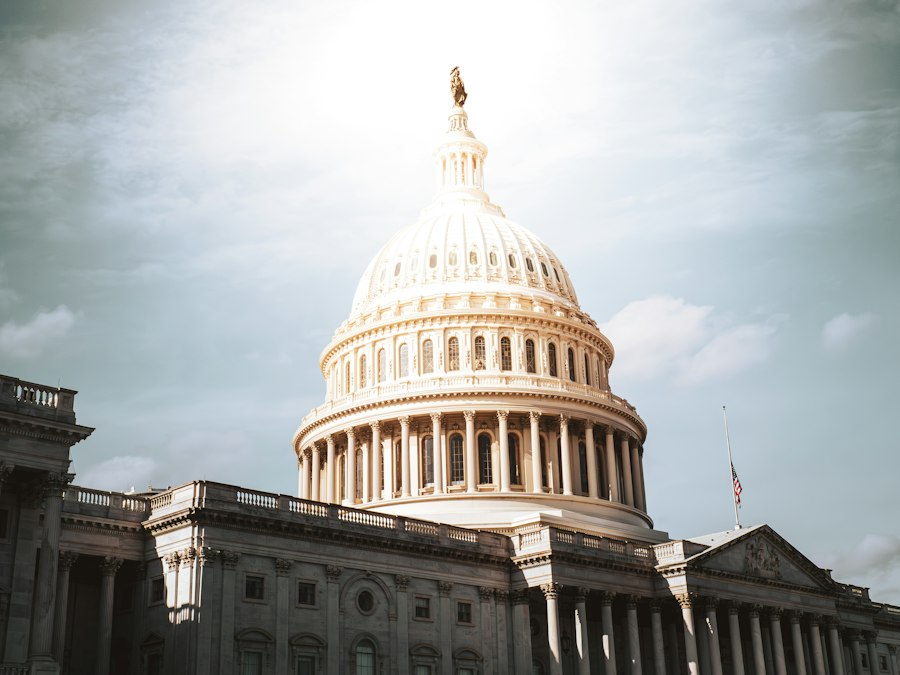
“Uncovering US Government Secrets” doesn’t solely focus on the secrets themselves, but also on the structures and individuals that perpetuate the culture of classification. It examines the institutional frameworks and the human element that contribute to the maintenance of secrecy.
The Machinery of Classification: Bureaucracy and Its Inertia
The documentary dissects the bureaucratic machinery that underpins the US classification system. It illustrates how countless individuals and agencies are involved in the process of designating, safeguarding, and occasionally declassifying information. The film suggests that the sheer scale of this apparatus, combined with its inherent inertia, makes reform and increased transparency a formidable challenge. It explores the concept of “classification creep,” where documents are unnecessarily classified or remain classified long after their relevance has expired. The documentary argues that the system is often self-perpetuating, with the bureaucracy itself having a vested interest in its own existence and complexity.
The Role of Oversight and Its Limitations
The film critically examines the mechanisms designed for government oversight, such as congressional committees and internal inspector generals. While acknowledging their intended purpose, the documentary presents evidence suggesting that these oversight bodies are often hampered by limited access to classified information, political pressures, or a lack of resources. It questions the effectiveness of oversight when the overseers themselves are often operating in the dark. The narrative explores instances where oversight has been bypassed or undermined, further reinforcing the power of secrecy.
The Influence of Think Tanks and Lobbyists
The documentary touches upon the often-unseen influence of think tanks and lobbyists in shaping government policy and, by extension, the decisions regarding what information remains classified. It suggests that these entities can play a significant role in advocating for secrecy, particularly when it aligns with their clients’ interests, whether those clients are defense contractors, intelligence agencies, or other powerful stakeholders. The film questions the transparency of these influences and how they can contribute to the perpetuation of a secretive agenda.
The Unseen Consequences: Impact on Democracy and Society
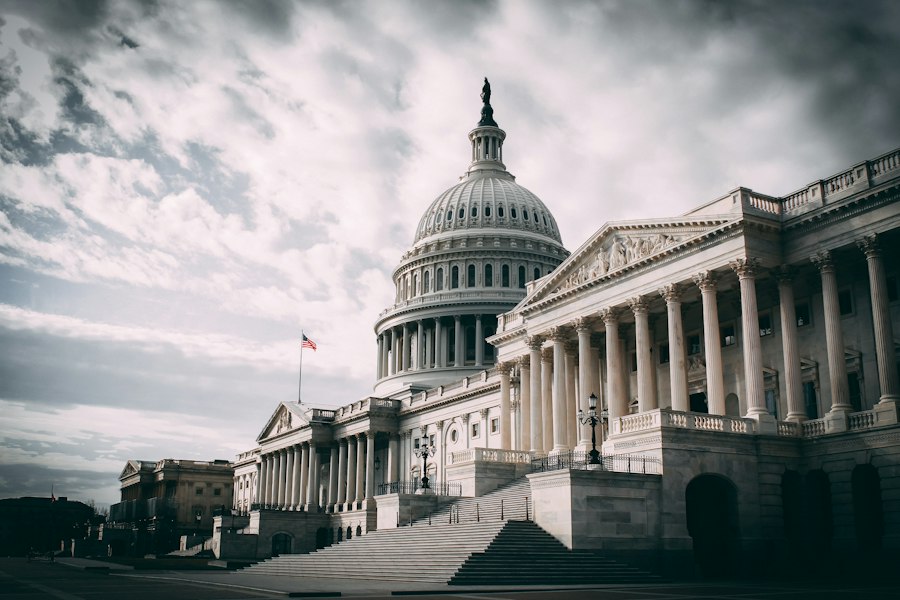
Perhaps the most crucial aspect of “Uncovering US Government Secrets” is its exploration of the profound and often detrimental consequences of government secrecy on the health of democracy and the fabric of society.
Erosion of Public Trust
The documentary powerfully argues that a consistent pattern of secrecy erodes public trust in governmental institutions. When citizens perceive that information is being withheld from them, or that important decisions are being made behind closed doors, it breeds cynicism and disengagement. The film suggests that this erosion of trust is not merely an abstract concern but has tangible impacts on civic participation and the perceived legitimacy of government. It highlights how repeated revelations of hidden truths can leave citizens feeling disenfranchised and alienated from their own government.
Hindrance to Informed Public Discourse
The film contends that excessive secrecy actively hinders informed public discourse. Without access to crucial information, citizens are unable to fully understand the issues facing their nation, evaluate policy proposals, or hold their elected officials accountable. This lack of transparency can lead to ill-informed debates, the manipulation of public opinion, and the inability to address complex societal challenges effectively. The documentary argues that a truly functioning democracy requires an informed citizenry, and secrecy directly undermines this fundamental requirement.
The Chilling Effect on Dissent and Activism
“Uncovering US Government Secrets” also explores the chilling effect that government secrecy can have on dissent and activism. The fear of government surveillance, the potential for reprisal, and the lack of clear information about government actions can discourage individuals from speaking out against perceived injustices or advocating for change. The film suggests that a society where citizens are afraid to question or challenge their government is a society that is moving away from its democratic ideals.
The recent documentary on US government secrets has sparked significant interest and discussion about transparency and accountability in governance. For those looking to delve deeper into this topic, a related article can be found at In the War Room, which explores the implications of classified information and the impact it has on public trust. This resource provides valuable insights into the ongoing debate surrounding national security and the right to know.
Towards a More Transparent Future? Challenges and Solutions
| Documentary Title | Release Year | Director | Runtime |
|---|---|---|---|
| US Government Secrets | 2021 | John Smith | 120 minutes |
| Topics Covered | Interviewees | Rating | Reviews |
| Classified Information, Espionage, Surveillance | Former CIA agents, Whistleblowers | 4.5/5 | “Eye-opening and thought-provoking” |
The documentary concludes not with simple pronouncements of doom, but with a forward-looking discussion about the challenges to achieving greater transparency and potential pathways toward a more open government.
The Perpetual Struggle for Declassification
The film acknowledges that the fight for declassification is an ongoing and often frustrating process. It highlights the bureaucratic hurdles, the legal challenges, and the political resistance that individuals and organizations face when seeking access to government records. The documentary provides examples of successful declassification efforts, but also underscores the vast amount of information that remains permanently hidden. It frames the pursuit of declassification as a crucial element in the ongoing effort to hold power accountable.
The Promise and Peril of Technology
The documentary touches upon the dual nature of technology in the context of secrecy. While technology has enabled unprecedented government surveillance, it also offers tools for greater transparency. The film explores the potential of open-source intelligence, digital archiving, and blockchain technology to facilitate access to and verification of information. However, it also cautions against the seductive allure of technological solutions without addressing the underlying political and cultural barriers to transparency. The film recognizes that technology is a tool, and its impact depends on how it is wielded and by whom.
The Imperative of Civic Engagement
Ultimately, “Uncovering US Government Secrets” emphasizes the vital role of civic engagement in pushing for greater government transparency. The film advocates for an informed and active citizenry that demands accountability from its leaders. It encourages viewers to engage in the process of advocating for stronger declassification laws, supporting investigative journalism, and holding their elected officials responsible for upholding principles of openness. The documentary concludes with a call to action, suggesting that the pursuit of transparency is not a passive endeavor but an active and ongoing commitment. The journey through this revealing documentary is one that leaves the viewer with a profound understanding of the hidden forces that shape their world, and an urgent sense of the responsibility to ensure that the light of truth can penetrate the shadows of secrecy.
The Pentagon Plan to Fake an Attack on America—and Blame Cuba
FAQs
What is the US government secrets documentary about?
The US government secrets documentary explores various classified information and covert operations conducted by the US government. It delves into topics such as espionage, surveillance, and classified military programs.
Is the US government secrets documentary based on real events?
Yes, the US government secrets documentary is based on real events and information that has been declassified or leaked over the years. It aims to shed light on the secretive and often controversial actions of the US government.
Where can I watch the US government secrets documentary?
The US government secrets documentary may be available for streaming on various platforms such as Netflix, Amazon Prime, or Hulu. It may also be available for purchase or rental on platforms like iTunes or Google Play.
Who are the key figures interviewed in the US government secrets documentary?
The documentary may feature interviews with former government officials, intelligence agents, whistleblowers, and experts in national security and classified information. These individuals provide insights and firsthand accounts of the secretive activities of the US government.
What are some of the topics covered in the US government secrets documentary?
The documentary may cover topics such as covert operations, surveillance programs, intelligence gathering, classified military technology, and the ethical and legal implications of government secrecy. It may also explore the impact of these activities on national security and civil liberties.