The Inner Workings of Authoritarian Surveillance
Authoritarian regimes, by their very nature, thrive on control. This control is often maintained through a pervasive and sophisticated system of surveillance, designed not merely to detect dissent but to preemptively crush it. Understanding the inner workings of such systems is crucial for appreciating the mechanisms of repression and the challenges faced by those living under their shadow. These networks are not static; they are dynamic, evolving with technological advancements and the ever-present need of the state to solidify its grip on power.
At the heart of any authoritarian surveillance apparatus lies its ability to gather and process vast quantities of information. This is the raw material from which suspicion is forged and dissent is identified. The methods employed are diverse, ranging from overt physical observation to the subtle infiltration of digital spaces. The goal is to create a comprehensive picture of the population, identifying individuals who deviate from the prescribed norms or pose a perceived threat to the established order.
Human Intelligence and Informant Networks
Despite the allure of technological solutions, human intelligence remains a cornerstone of authoritarian surveillance. Informant networks, often cultivated through a combination of coercion, incentives, and ideological indoctrination, provide eyes and ears on the ground.
The Cultivation of Loyalty and Fear
Authoritarian states expertly leverage both carrots and sticks to build their informant networks. Loyalty can be fostered through promises of privilege, financial reward, or career advancement. Conversely, fear is a potent motivator. Citizens may be coerced into becoming informants through threats to their family, their livelihood, or their freedom. The knowledge that one’s neighbor, colleague, or even family member might be reporting on them fosters an atmosphere of pervasive distrust, effectively discouraging open communication and association.
The Tattletale Culture
In some regimes, a “tattletale culture” is actively encouraged, where citizens are incentivized to report any perceived wrongdoing or suspicious activity by others. This can manifest in public campaigns encouraging citizens to report on their fellow countrymen, creating a self-policing society where paranoia becomes the norm. This not only supplements formal informant networks but also atomizes society, further weakening any potential for collective action.
Signals Intelligence and Electronic Surveillance
The digital age has ushered in an era of unprecedented electronic surveillance capabilities. Authoritarian states have been quick to exploit these tools to monitor communications, track online activities, and identify patterns of behavior that might indicate dissent.
Interception of Communications
The interception of phone calls, emails, and instant messages is a fundamental aspect of electronic surveillance. Sophisticated technologies allow for the monitoring of vast swathes of digital traffic, often with the ability to analyze content for keywords, sentiment, and connections between individuals. This requires significant infrastructure, including access to telecommunications networks and the ability to compel service providers to cooperate.
Internet Monitoring and Social Media Scrutiny
The internet, and particularly social media, has become a primary battleground for surveillance. Authoritarian regimes routinely monitor online discussions, forums, and social media platforms. This involves tracking user activity, analyzing posts for sensitive content, and identifying individuals who express dissenting opinions or engage with opposition movements. Algorithms are increasingly employed to sift through this data, identifying potential threats based on predefined criteria.
Metadata Collection and Analysis
Beyond the content of communications, metadata – information about who communicated with whom, when, and for how long – is also immensely valuable. Authoritarian states meticulously collect and analyze this metadata to map social networks, identify key influencers, and understand the flow of information within a population. This can reveal relationships and activities that might not be immediately apparent from the content of the communications themselves.
Physical Surveillance and Tracking
While technology plays a significant role, traditional methods of physical surveillance remain critical for authoritarian regimes. This involves direct observation, the deployment of surveillance cameras, and the tracking of individuals’ movements.
CCTV Networks and Facial Recognition
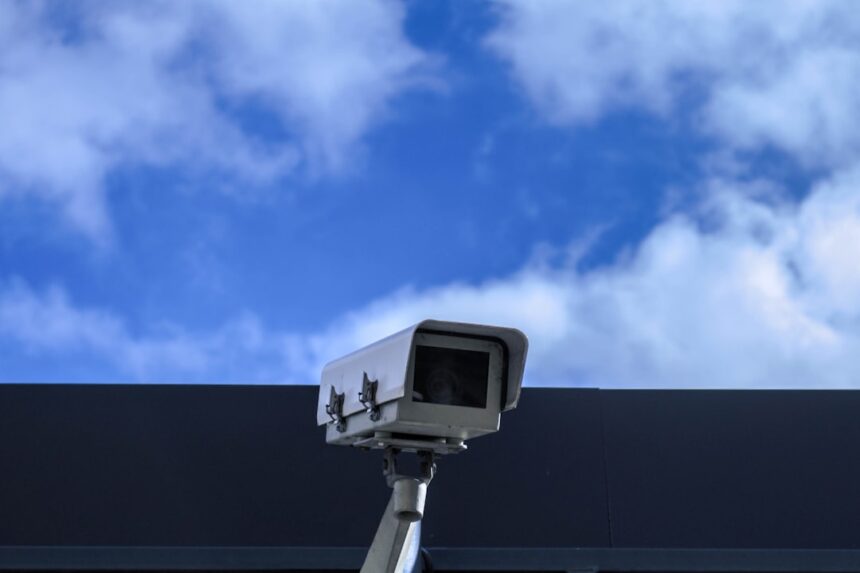
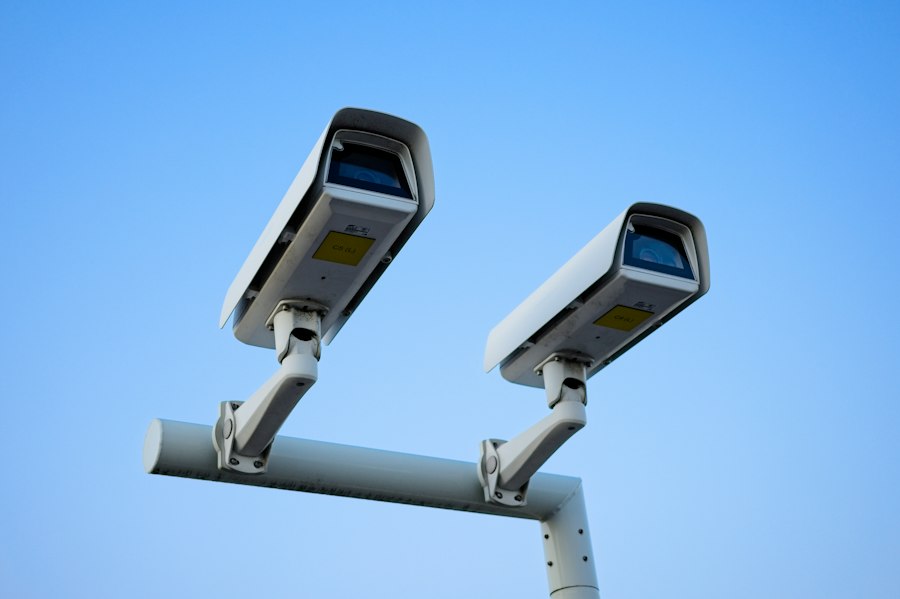
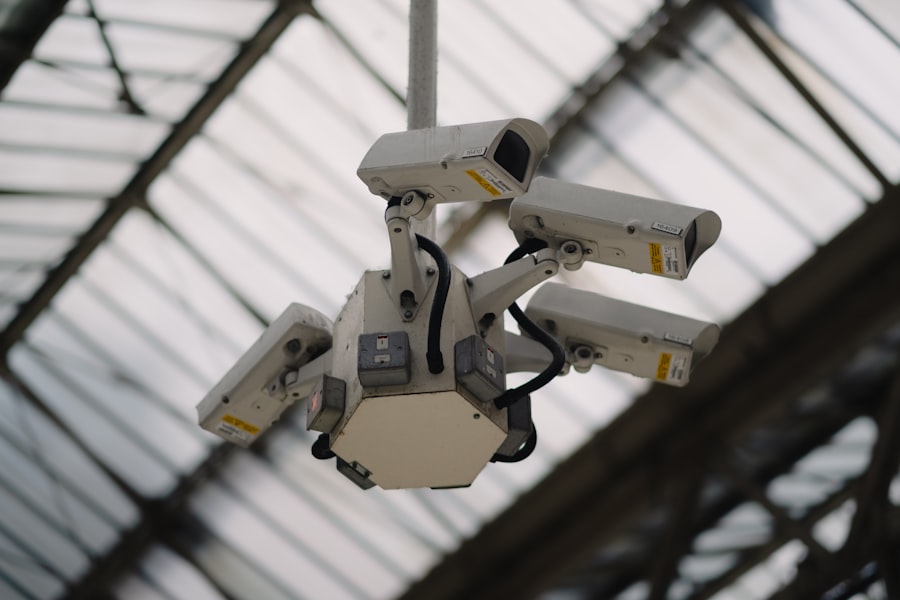
The proliferation of Closed-Circuit Television (CCTV) cameras in public spaces provides a ubiquitous surveillance infrastructure. Coupled with advancements in facial recognition technology, these cameras can track individuals’ movements across cities, creating detailed logs of their whereabouts. This data can then be cross-referenced with other surveillance streams to build a comprehensive picture of an individual’s life.
Vehicle Tracking and License Plate Recognition
Authoritarian states also utilize technologies to track vehicles. Automatic License Plate Recognition (ALPR) systems can record and store every license plate that passes by, creating a detailed record of vehicle movements. This can be used to track the travel patterns of dissidents or identify individuals attending specific gatherings. GPS tracking devices, either officially sanctioned or surreptitiously attached to vehicles, further enhance this capability.
Authoritarian surveillance systems operate through a combination of advanced technology and strict governmental control, enabling regimes to monitor and suppress dissent effectively. These systems often rely on data collection, facial recognition, and internet monitoring to maintain power and control over the population. For a deeper understanding of the mechanisms behind these surveillance tactics, you can read a related article that explores the intricacies of such systems in detail at this link.
The Engine of Control: Data Analysis and Profile Building
Raw data, however voluminous, is useless without the sophisticated analytical tools to process it and transform it into actionable intelligence. Authoritarian surveillance systems invest heavily in technologies and methodologies to extract meaning from the collected data, building detailed profiles of individuals and groups.
Big Data Analytics and Algorithmic Profiling
The sheer volume of data collected necessitates the use of advanced analytical techniques. Big data analytics allows for the identification of patterns, anomalies, and correlations that would be impossible for humans to detect manually.
Predictive Policing and Preemptive Action
One of the most insidious applications of these analytical tools is in predictive policing. Algorithms are trained on historical data to identify individuals or groups deemed likely to engage in future undesirable activities, such as protests or acts of dissent. This allows for preemptive action, where individuals can be detained or monitored based on statistical probabilities rather than concrete evidence of wrongdoing.
Social Credit Systems
In some authoritarian states, data collection and analysis are integrated into comprehensive social credit systems. These systems assign individuals a score based on their behavior, encompassing everything from financial transactions and online activity to their social interactions and adherence to state-approved norms. This score can then determine access to services, travel opportunities, and even basic rights, creating a powerful incentive for conformity.
Behavioral Analysis and Psychological Profiling
Beyond identifying overt actions, authoritarian surveillance systems seek to understand and influence individual behavior. Behavioral analysis aims to predict how individuals will act based on their past actions, social connections, and even their expressed sentiments.
Sentiment Analysis and Ideological Screening
Sophisticated algorithms are employed to conduct sentiment analysis of online communications and public statements. This allows authorities to gauge the general mood of the population and identify individuals expressing discontent or harboring “undesirable” ideologies. This can lead to individuals being flagged for further scrutiny or even targeted for re-education programs.
Identification of Dissident Networks and Influencers
By analyzing communication patterns, meeting schedules, and online interactions, surveillance systems can map out networks of dissent. Identifying key influencers within these networks allows authorities to disrupt movements by targeting their leaders, severing their communication channels, or discrediting them publicly.
The Tools of Suppression: Dissemination and Enforcement
Once information is gathered and analyzed, it must be translated into tangible actions to maintain the regime’s control. This involves the dissemination of surveillance findings to relevant enforcement agencies and the implementation of measures to punish or deter dissent.
Security Forces and Intelligence Agencies
The findings of surveillance operations are channeled to security forces, intelligence agencies, and even political parties, enabling them to take targeted action against individuals and groups.
Arbitrary Detention and Imprisonment
Individuals flagged by the surveillance system for suspected dissent or disloyalty can be subjected to arbitrary detention and imprisonment. The lack of due process and the reliance on secret intelligence reports mean that individuals can be held for extended periods without charge or trial, serving as a stark warning to others.
Harassment and Intimidation Tactics
Beyond direct detention, authoritarian regimes employ a range of harassment and intimidation tactics to quell dissent. This can include routine police stops, unwarranted searches of homes and businesses, the disruption of social gatherings, and the targeting of individuals’ families and employers. The constant threat of such interference creates a climate of fear and discourages any form of opposition.
Propaganda and Information Control
Surveillance data can also be used to inform and shape propaganda campaigns. By understanding the concerns, fears, and desires of the population, regimes can tailor their messaging to reinforce their legitimacy and demonize opposition.
Targeted Disinformation Campaigns
Surveillance can identify individuals susceptible to specific narratives or who are key nodes for information dissemination. This allows for the deployment of targeted disinformation campaigns, aiming to manipulate public opinion, sow division, or discredit opponents with personalized and convincing falsehoods.
Censorship and the Manipulation of Information Flow
The findings of surveillance operations can also inform censorship efforts. By identifying sources of undesirable information or individuals who spread it, authorities can block access to websites, shut down media outlets, or remove content from online platforms. This ensures that the only information readily available to the population is state-sanctioned, further solidifying the regime’s control over the narrative.
The Technological Arms Race: Innovation and Adaptation
Authoritarian surveillance is not a static entity. It is engaged in a perpetual technological arms race, constantly seeking to develop and acquire new tools and techniques to outmaneuver its targets and stay ahead of evolving resistance strategies.
Investment in Advanced Technologies
Authoritarian states often dedicate significant resources to research and development in surveillance technologies. This includes advancements in AI, machine learning, big data analytics, and the development of novel methods for data collection and processing.
Domestic Development vs. Foreign Acquisition
Regimes may choose to develop their surveillance technologies domestically, fostering a national technological base and ensuring greater control over their systems. Alternatively, they may acquire advanced technologies from foreign vendors, often from countries with established surveillance industries. This can lead to a rapid leap in capabilities but also carries the risk of dependence and potential vulnerabilities.
Countering Encryption and Anonymity Tools
As citizens seek to protect their privacy through encryption and anonymity tools, authoritarian surveillance systems are increasingly focused on developing methods to circumvent these protections.
Exploiting Software Vulnerabilities and Backdoors
Intelligence agencies may actively seek to exploit vulnerabilities in encryption software or pressure technology companies to include backdoors that allow for government access. This often involves clandestine operations and significant technical expertise.
The “Dark Web” and Encrypted Messaging App Challenges
The use of the “dark web” and end-to-end encrypted messaging applications presents particular challenges for surveillance. However, regimes are increasingly investing in tools and techniques to monitor and potentially compromise these platforms, seeking to penetrate these digital fortresses and regain access to supposedly private communications.
Authoritarian surveillance systems operate by employing advanced technologies to monitor and control populations, often infringing on personal freedoms and privacy. These systems utilize a combination of facial recognition, data mining, and real-time tracking to maintain power and suppress dissent. For a deeper understanding of the implications of such surveillance practices, you can explore a related article that delves into the intricacies of these systems and their impact on society. To read more about this topic, visit this insightful article.
The Societal Impact: Erosion of Trust and Psychological Warfare
| Surveillance System | Function | Data Collected | Monitoring |
|---|---|---|---|
| Closed-circuit television (CCTV) | Constant video monitoring | Visual data of public spaces | Real-time observation |
| Internet surveillance | Tracking online activities | Web browsing history, emails, social media interactions | Keyword scanning, website blocking |
| Biometric identification | Identifying individuals based on unique physical characteristics | Fingerprints, facial recognition, iris scans | Matching against databases, tracking movement |
| Communication interception | Monitoring phone calls, text messages, and emails | Voice data, text content, metadata | Recording, analysis for keywords or patterns |
The ultimate goal of authoritarian surveillance is not just to identify and neutralize threats, but to fundamentally alter the social fabric and psychological landscape of the population.
The Chilling Effect and Self-Censorship
The pervasive awareness of being watched creates a “chilling effect” on freedom of expression and association. Citizens become hesitant to voice their opinions, engage in political discussions, or even connect with like-minded individuals for fear of attracting the attention of the authorities. This leads to widespread self-censorship, where individuals internalize the restrictions and police their own thoughts and actions.
Erosion of Trust and Social Atomization
Authoritarian surveillance actively erodes trust between individuals and within society as a whole. The constant suspicion that anyone could be an informant, coupled with the state’s ability to weaponize personal information, fosters a sense of isolation and atomization. This makes it significantly harder for citizens to organize, resist, or even offer mutual support, weakening any potential for collective action against the regime.
Psychological Warfare and Conformity Inducement
The constant surveillance and the public examples of repression serve as a form of psychological warfare. The message is clear: deviation will be noticed, and it will be punished. This creates a climate of fear that encourages conformity and discourages critical thinking. The goal is to create a population that is compliant, quiescent, and ultimately, indistinguishable from the regime’s desired ideal citizen.
In conclusion, the inner workings of authoritarian surveillance are a complex and multifaceted phenomenon. They represent a sophisticated blend of human intelligence, cutting-edge technology, and psychological manipulation, all aimed at maintaining absolute control. Understanding these mechanisms is not merely an academic exercise; it is a crucial step in recognizing the insidious nature of repression and in supporting those who strive for freedom and dignity in the face of such pervasive scrutiny. The constant adaptation and innovation within these systems underscore the ongoing struggle between state control and the fundamental human desire for privacy and autonomy.

The Stasi Made You Suspect Everyone
FAQs
What is an authoritarian surveillance system?
An authoritarian surveillance system is a government-controlled network of surveillance technologies and practices used to monitor and control the activities of its citizens. These systems are often used to suppress dissent, maintain political control, and limit individual freedoms.
How do authoritarian surveillance systems work?
Authoritarian surveillance systems work by using a combination of technologies such as closed-circuit television (CCTV), facial recognition, internet monitoring, and data collection to track and monitor individuals’ movements, communications, and activities. These systems often rely on a network of informants and government agencies to gather and analyze data for the purpose of maintaining social and political control.
What are the implications of authoritarian surveillance systems on privacy and freedom?
Authoritarian surveillance systems pose significant threats to privacy and freedom, as they enable governments to monitor and control the activities of their citizens, often without their knowledge or consent. These systems can lead to widespread censorship, suppression of dissent, and violations of human rights.
Which countries are known for implementing authoritarian surveillance systems?
Several countries are known for implementing authoritarian surveillance systems, including China, Russia, North Korea, and Iran. These countries have been criticized for using surveillance technologies to suppress political opposition, monitor dissidents, and limit individual freedoms.
What are the potential long-term consequences of authoritarian surveillance systems?
The long-term consequences of authoritarian surveillance systems can include a chilling effect on free speech and political dissent, erosion of trust in government institutions, and the normalization of invasive surveillance practices. These systems can also lead to a culture of fear and self-censorship among citizens.