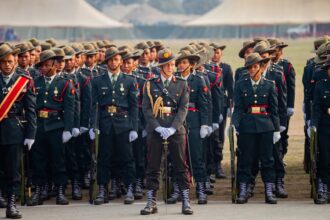
The landscape of modern warfare is a complex tapestry, interwoven with threads of state-sanctioned military action and the increasingly prevalent presence of private military contractors. In the context of the Iraq War, this duality became particularly pronounced, creating a distinct divide between the roles, responsibilities, and societal perceptions of uniformed troops and their civilian counterparts. This article will explore the multifaceted nature of this divide, examining the historical context, the operational realities, the ethical considerations, and the lasting implications of the contractor-troop dynamic in the tumultuous years of the Iraq War.
The employment of private individuals and companies to perform military functions is not a new phenomenon. Indeed, the concept of mercenary forces can be traced back to antiquity, where armies often relied on paid soldiers from other regions. However, the scale and nature of private military involvement in the post-9/11 era, and specifically in Iraq, represented a significant evolution.
From Mercenaries to “Contractors”: A Semantic Shift
The term “mercenary” often carries negative connotations, implying a purely profit-driven individual with questionable loyalties. In contrast, the term “contractor” was carefully chosen by governments and companies to suggest a more legitimate, professional, and accountable workforce. This linguistic shift aimed to distance these private actors from historical perceptions of disreputable fighters and to frame them as essential service providers.
The Rise of Private Military Companies (PMCs)
Following the initial invasion of Iraq in 2003, the U.S. government found itself stretched thin. The demands of nation-building, security, and logistics far outstripped the available military personnel. This created a burgeoning market for private companies that could offer specialized services, from security and logistics to catering and translation. Companies like Blackwater (later Academi), DynCorp International, and KBR became household names, or at least familiar entities, within the warzone.
The Global Context of Military Outsourcing
It is crucial to understand that the Iraq War was not an isolated incident in the outsourcing of military functions. Decades prior, a trend towards privatizing military services had been building globally. However, the sheer magnitude of contracting in Iraq, coupled with the high-profile nature of the conflict, brought this trend into sharp relief. The war served as a crucible, testing the efficacy and ethical boundaries of widespread reliance on private forces.
The “Invisible Army”: Filling the Gaps
The presence of contractors in Iraq was pervasive, often filling roles that the military itself struggled to maintain or that were deemed too costly or resource-intensive to staff with uniformed personnel. This created an “invisible army” operating alongside the official military, whose contributions were vital but often overlooked by the public.
Logistics and Support: The Backbone of Operations
The logistical demands of maintaining a large military presence in a hostile environment are immense. Contractors played a critical role in supplying everything from food, water, and fuel to ammunition and equipment. They managed vast supply chains, operated transportation fleets, and maintained critical infrastructure, enabling troops to focus on combat operations.
Security and Force Protection: A Controversial but Necessary Role
One of the most visible and controversial roles undertaken by contractors was security. This ranged from providing personal security details for high-ranking officials and diplomats to guarding bases, convoys, and sensitive facilities. In many instances, contractors were deployed in areas where military units were overstretched or unable to provide adequate protection.
Specialized Skills and Expertise: Beyond the Traditional Military Toolkit
The modern military requires a diverse range of skills, many of which are not core to a soldier’s primary training. Contractors provided crucial expertise in areas such as intelligence analysis, cyber warfare, bomb disposal, medical support, and translation services, filling critical gaps in the military’s capabilities.
The dynamics between Iraq War contractors and U.S. troops have been a topic of significant discussion, particularly regarding their roles and responsibilities during the conflict. A related article that delves deeper into this subject can be found at In the War Room, where it explores the complexities of contractor involvement and its implications for military operations and accountability. This analysis sheds light on the often-blurred lines between military personnel and private contractors in combat zones, highlighting the challenges faced by both groups.
Operational Realities: Two Worlds in the Same War Zone
Despite operating in the same geographical space and often in close proximity, the daily realities of contractors and troops differed significantly. These differences stemmed from their respective organizational structures, legal frameworks, and the implicit and explicit expectations placed upon them.
The Soldier’s Experience: Duty, Sacrifice, and Accountability
For uniformed troops, the Iraq War was characterized by a clear chain of command, rigorous training, and an expectation of unwavering loyalty and sacrifice. Their deployment was a matter of national service, with inherent risks and the understanding that their actions were subject to military law and discipline.
The Weight of the Uniform: Identity and Purpose
The uniform signifies a distinct identity and a commitment to the nation. Soldiers are instilled with a sense of purpose and duty that extends beyond individual gain. This often translated into a deep camaraderie and a shared understanding of their mission, even amidst the horrors of war.
The Scars of Combat: Physical and Psychological Toll
Troops faced the direct brunt of combat, experiencing the dangers of improvised explosive devices (IEDs), ambushes, and direct firefights. The physical and psychological toll of sustained combat operations was immense, with long-term consequences for many returning soldiers.
Military Justice and Accountability: The Framework of Law
Soldiers are subject to the Uniform Code of Military Justice (UCMJ), a comprehensive legal framework that governs their conduct. This ensures a degree of accountability for their actions, with mechanisms for investigation, prosecution, and punishment.
The Contractor’s Landscape: Profit, Autonomy, and Ambiguity
Contractors, by contrast, operated within a fundamentally different paradigm. Their presence was dictated by contracts, their compensation was salary-based, and their legal standing was often more ambiguous, creating a unique set of operational realities.
The Profit Motive: Balancing Business and Duty
While many contractors were former military personnel with a sense of duty, their employment was inherently tied to their companies’ profit margins. This created a potential tension between mission objectives and financial incentives, though many individuals and companies strove to uphold professional standards.
Autonomy and Flexibility: Adapting to Circumstance
Contractors often enjoyed a degree of autonomy not typically afforded to military personnel. This allowed for greater flexibility in adapting to rapidly changing situations and in leveraging specialized skills. However, this autonomy also raised questions about oversight and control.
The Gray Areas of Law: Jurisdiction and Responsibility
The legal status of contractors in a war zone was a complex and often contentious issue. While operating on behalf of the U.S. government, they were not subject to the UCMJ in the same way as troops. This led to instances where accountability was difficult to establish, particularly in cases of alleged misconduct.
“Freedom of Movement” and Risk Assessment
Contractors, particularly those in security roles, often operated with a degree of freedom of movement that could differ from military patrols. This was sometimes driven by contractual requirements or the need to access specific locations, but it also meant that their risk assessment and operational parameters could vary.
Ethical Conundrums: The Moral Compass in a War Zone
The presence of contractors in Iraq ignited a fierce debate about the ethical implications of outsourcing warfare. These debates centered on issues of accountability, the blurring lines between combatants and civilians, and the potential for a mercenary mindset to compromise operational integrity.
Accountability Deficits: Who is Responsible?
Perhaps the most significant ethical concern revolved around accountability. When contractors were accused of wrongdoing, such as excessive force or criminal acts, establishing clear lines of responsibility proved challenging. The complex web of contracts, subcontractors, and home-country jurisdictions often created loopholes that shielded individuals and companies from full accountability.
The Nisour Square Massacre: A Stark Example
The tragic events of September 16, 2007, when guards from Blackwater Worldwide opened fire in Baghdad’s Nisour Square, killing 17 Iraqi civilians and wounding 20 others, became a potent symbol of the accountability problem. The subsequent legal battles and acquittals highlighted the difficulties in prosecuting contractors for actions taken in a war zone.
The Limits of Civilian Law in a Military Context
While contractors were subject to U.S. civilian law, its application in the chaotic environment of Iraq was often problematic. The practicalities of evidence gathering, witness intimidation, and the inherent dangers of pursuing legal action against armed private security personnel in a hostile environment made prosecution exceedingly difficult.
The Blurring of Lines: Combatant or Civilian?
The operational roles of contractors often blurred the traditional distinction between combatants and non-combatants. When private security personnel were armed and engaged in firefights, their status became ambiguous. This ambiguity had implications for international humanitarian law and the perception of their actions by both the local population and allied forces.
The “For-Profit” Warrior: Loyalty and Motivation
The debate also touched upon the fundamental nature of warfare. Critics argued that the involvement of contractors, driven by profit, could lead to a “for-profit” warrior class whose primary loyalty was to their employers rather than to the broader mission or ethical principles. This raised concerns about the potential for a more transactional and less principled approach to conflict.
The Perception of Occupation: An Alien Force
For the Iraqi population, the sight of armed contractors, often distinguishable from uniformed troops by their civilian attire and distinct vehicles, could further complicate perceptions of the occupying force. It could foster a sense that the conflict was being waged by an array of disparate, often unaccountable, entities.
The Erosion of the Warrior Ethos?
Some argued that the widespread reliance on contractors could, over time, erode the warrior ethos within the regular military. By outsourcing certain dangerous or unpleasant tasks, the military might inadvertently shield its permanent personnel from the full spectrum of wartime experiences, potentially impacting morale, esprit de corps, and the shared understanding of sacrifice.
Public Perception and Media Portrayal: Shaping the Narrative
The way contractors were perceived by the public and portrayed in the media played a significant role in shaping the narrative of the Iraq War and the divide between troops and contractors. Their often-opaque operations and high-profile incidents made them subjects of intense scrutiny and often conflicting interpretations.
The “Private Soldier” in the Headlines
When contractors made headlines, it was frequently for incidents involving violence, controversy, or perceived abuses. The Nisour Square shooting, for instance, dominated news cycles and fueled public outrage, often casting a negative light on all contractors.
Sensationalism and the Simplification of Complexity
The media’s need for compelling narratives sometimes led to sensationalism, simplifying the complex reality of contractor roles. The nuanced contributions of logistical support or specialized technical expertise were often overshadowed by dramatic accounts of security operations.
The “Shadowy” Figure: Mystery and Mistrust
The lack of transparency surrounding many contractor operations contributed to an aura of mystery and, in some cases, mistrust. Without clear public oversight or easy access to information, it was difficult for the public to form a balanced understanding of their roles and responsibilities.
Distinguishing Contributions: The Unsung Heroes
While controversies often dominated the headlines, it is important to acknowledge that many contractors performed vital and dangerous work with professionalism and dedication. However, their contributions, particularly in logistical and support roles, were often less visible and therefore less likely to be reported on.
The Silent Majority: Dedication Behind the Scenes
The vast majority of contractors were not involved in high-profile security incidents. They were the individuals who ensured that supply lines remained open, that bases were functional, and that essential services were delivered. Their dedication, though often unsung, was critical to the overall war effort.
The Perception Gap: Troops as Heroes, Contractors as Hired Guns
This disparity in media focus often created a perception gap, where troops were widely lauded as selfless heroes, while contractors were sometimes viewed with suspicion, perceived as mere “hired guns” motivated solely by financial gain. This oversimplification overlooked the diverse motivations and contributions of individuals within the contractor force.
The role of contractors in the Iraq War has been a topic of significant debate, especially when compared to the experiences of US troops on the ground. Many argue that contractors often operated with less oversight and accountability, leading to concerns about their impact on military operations and local populations. For a deeper understanding of this complex issue, you can explore a related article that delves into the nuances of contractor involvement and its implications for military strategy and ethics. To read more about this, visit this insightful article.
Lasting Implications: The Evolving Face of Warfare
| Iraq War Contractors | US Troops | |
|---|---|---|
| Number | Estimated 180,000 | Peak of around 170,000 |
| Casualties | Estimated 1,554 | 4,431 killed |
| Cost | Billions of dollars | Trillions of dollars |
The Iraq War served as a watershed moment in the integration of private military contractors into modern warfare. The experiences and debates surrounding their involvement have had profound and lasting implications for military strategy, international law, and the very definition of conflict.
The Permanence of Private Military Forces
The Iraq War demonstrated the significant capabilities and cost-effectiveness that private military contractors can offer. This has led to their continued and expanded use in subsequent conflicts and ongoing military operations, suggesting that their presence is not a temporary phenomenon but a permanent feature of modern warfare.
The Military’s Evolving Structure: A Hybrid Force
Future military structures are likely to be increasingly hybrid, incorporating both uniformed personnel and a significant private contractor element. This requires careful consideration of integration strategies, command structures, and legal frameworks to ensure seamless and effective operations.
The Contractual Ecosystem: A New Industry
The rise of private military contracting has created a substantial industry with complex contractual relationships and significant economic stakes. Understanding and managing this ecosystem is crucial for both governments and the companies involved.
The Need for Enhanced Oversight and Regulation
The ethical and accountability challenges exposed during the Iraq War have spurred calls for greater oversight and regulation of private military contractors. This includes developing clearer legal frameworks, establishing robust accountability mechanisms, and ensuring transparency in contracting and operations.
International Legal Frameworks: Adapting to Reality
International humanitarian law is still grappling with the complexities of private military actors. There is an ongoing need to adapt existing legal frameworks or develop new ones to address the unique challenges posed by contractors operating in armed conflict.
Domestic Legislation and Accountability: Closing the Loopholes
National governments are increasingly recognizing the need for domestic legislation to govern the conduct of their citizens and companies involved in private military contracting. This aims to ensure that individuals and companies are held accountable for their actions, regardless of where they operate.
Redefining the Soldier’s Role in a Privatized World
The increasing reliance on contractors may also necessitate a re-evaluation of the soldier’s role in a world where many traditional military functions are outsourced. This could involve focusing on core combat competencies, leadership, and the ethical considerations of engaging with and managing private military forces.
In conclusion, the Iraq War provided a stark and often challenging illustration of the divide between uniformed troops and private military contractors. While their operational realities, motivations, and societal perceptions differed, their intertwined presence was integral to the war effort. The lessons learned from this complex dynamic continue to shape the future of warfare, demanding a more robust understanding of the ethical, legal, and strategic implications of employing private forces in the crucible of conflict.

Blackwater Disappeared. America’s Private Army Didn’t.
FAQs
What is the difference between Iraq War contractors and US troops?
Iraq War contractors are private companies hired by the US government to provide various services in support of military operations in Iraq, such as logistics, security, and construction. US troops, on the other hand, are members of the United States Armed Forces who are deployed to Iraq to carry out military operations and maintain security.
How many Iraq War contractors were employed during the conflict?
During the Iraq War, the number of contractors employed by the US government in Iraq far exceeded the number of US troops. At its peak in 2008, there were over 180,000 contractors working in Iraq, compared to around 160,000 US troops.
What are the roles and responsibilities of Iraq War contractors?
Iraq War contractors perform a wide range of roles and responsibilities, including providing security for US personnel and facilities, transporting supplies and equipment, maintaining military bases, and carrying out construction projects. They also provide support services such as food, laundry, and medical care.
What are the advantages of using Iraq War contractors?
Using contractors allows the US military to supplement its capabilities and quickly scale up operations without having to recruit and train additional troops. Contractors also provide specialized skills and expertise that may not be readily available within the military.
What are the criticisms and controversies surrounding Iraq War contractors?
Critics of the use of contractors in the Iraq War have raised concerns about accountability, oversight, and the potential for misconduct and human rights abuses. There have been numerous incidents involving contractors, including the 2007 Nisour Square massacre in Baghdad, which resulted in the deaths of 17 Iraqi civilians at the hands of Blackwater security contractors.