
The whispers of the Cold War did not always emanate from grand diplomatic halls or the menacing rumble of nuclear arsenals. Often, they were carried on invisible currents, broadcast from hidden locations, and received by clandestine listeners. These were the secret stay-behind radio networks, a shadowy yet vital component of Cold War strategy, representing a fascinating legacy of suspicion, preparedness, and a profound belief in the necessity of information even in the face of unimaginable destruction. These networks, meticulously planned and often maintained by dedicated individuals, were designed to function when conventional communication channels were severed, ensuring continuity of command, intelligence dissemination, and even the propagation of propaganda in a world teetering on the brink. Their existence, shrouded in secrecy for decades, offers a unique glimpse into the minds of those who prepared for the unthinkable.
The seeds of stay-behind radio networks were sown in the fertile ground of post-World War II anxieties. The Iron Curtain had descended, dividing Europe and creating an atmosphere of perpetual tension. Both sides of this ideological divide recognized the vulnerability of their command and control structures should a conflict erupt. The prospect of a swift, overwhelming conventional or nuclear attack meant that established communication lines could be instantly obliterated. Therefore, the concept of a decentralized, resilient communication system became paramount.
Post-War Fears and the Need for Redundancy
The lessons learned from the Second World War, particularly the effectiveness of partisan networks and underground resistance, heavily influenced strategic thinking. Military planners on both sides understood that in a future conflict, the ability to maintain communication with isolated units, resistance cells, or even pockets of civilian leadership would be critical for morale, coordination, and the ultimate prosecution of the war effort. The vulnerability of centralized communication hubs, such as major telephone exchanges or radio broadcasting stations, was a glaring weakness.
The Role of Intelligence Agencies
Intelligence agencies, such as the CIA in the United States and its Soviet counterpart, the KGB, played a pivotal role in the conception and implementation of these networks. Their mandate extended beyond espionage and covert operations; it encompassed ensuring the survival and functionality of their respective governments and allied forces in extreme scenarios. This included identifying potential vulnerabilities and developing countermeasures. The concept of a “stay-behind” force, personnel tasked with operating independently if their country was occupied or overwhelmed, naturally extended to the communication infrastructure necessary for their survival and effectiveness.
Early Technological Considerations
The early stages of the Cold War also coincided with advancements in radio technology. The development of more portable, reliable, and sophisticated radio equipment made the concept of clandestine broadcasting more feasible. While early iterations might have relied on simpler, less secure systems, the drive for effective communication in a covert environment spurred innovation. The ability to transmit and receive messages over significant distances with minimal risk of detection was a constant pursuit.
In the ever-evolving landscape of communication technology, the importance of staying behind radio networks has become increasingly evident. For a deeper understanding of this topic, you can explore a related article that discusses the resilience and reliability of radio networks in crisis situations. This insightful piece highlights how these networks can serve as a lifeline when other communication methods fail. To read more, visit this article.
Building the Invisible Infrastructure
The construction of these secret radio networks was a monumental undertaking, requiring meticulous planning, extensive resources, and the recruitment of highly discreet individuals. It was not a matter of simply setting up a few transmitters; it involved a complex web of interconnected elements designed for maximum survivability and operational integrity.
The Network Architecture: Decentralization and Redundancy
The core principle behind these networks was decentralization. Instead of relying on a single, large transmission point, the systems were designed with multiple, dispersed nodes. This meant that the destruction of one or even several transmitters would not cripple the entire network. Each node was intended to be capable of independent operation and, if possible, to communicate with other surviving nodes. Redundancy was key: backup power sources, spare equipment, and multiple transmission frequencies were all part of the elaborate design.
Selecting and Training Operators
The individuals chosen to operate these clandestine radio stations were perhaps the most critical element. They were often recruited from existing intelligence assets, former military personnel with radio expertise, or trusted civilians with a deep commitment to their nation’s security. The training they received was rigorous, covering not only technical proficiency in operating the equipment but also the vital skills of security, clandestine communication protocols, and emergency procedures. They needed to be adept at blending in, maintaining operational security (OPSEC), and operating under extreme pressure.
The Equipment: Stealth and Survivability
The radio equipment itself was a marvel of Cold War engineering. It had to be portable enough to be hidden or easily moved, yet powerful enough to transmit and receive messages effectively. Security features were paramount. This included the use of encryption, burst transmission techniques to minimize the time on air, and the ability to operate on a wide range of frequencies, making them difficult to jam or locate. Some equipment was designed to be easily disguised as everyday objects, further enhancing their clandestine nature.
Covert Deployment and Hidden Locations
The locations for these radio stations were carefully selected. They ranged from abandoned farmhouses and remote mountain caves to inconspicuous urban apartments and even disguised vehicles. The goal was to find places that offered both security and a suitable vantage point for transmission. The deployment of this equipment was often a covert operation in itself, undertaken by small teams under the guise of legitimate activities or during periods of low public scrutiny.
The Content of the Whispers: Messages of Command and Control
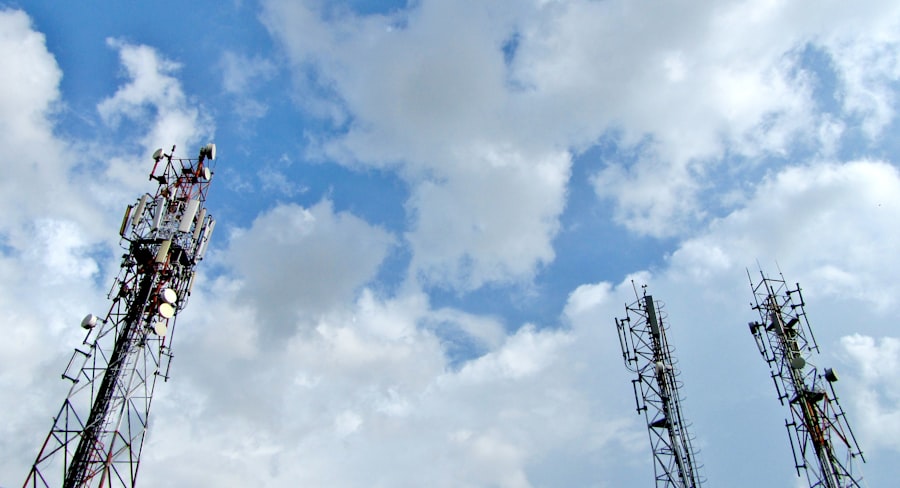
The primary purpose of these stay-behind radio networks was to ensure the continuation of command and control in the event of hostilities. The nature of the messages transmitted was therefore dictated by the operational needs of the state in a crisis scenario.
Maintaining Command and Continuity of Government
In the event of a decapitating strike or occupation, the ability to communicate with surviving government officials, military leaders, and allied forces would be crucial for maintaining order and continuing the fight. These networks would be used to transmit orders, status updates, and strategic directives. The concept of a “continuity of government” relied heavily on the existence of secure and reliable communication channels, even when all else failed.
Intelligence Dissemination and Collection
Beyond command and control, these networks served a vital role in intelligence. They could be used to transmit vital intelligence gathered by stay-behind agents on the ground to higher command. Conversely, they could also be used to relay instructions or information to these agents, allowing for coordinated intelligence gathering operations even in a chaotic environment. This two-way flow of information was essential for maintaining situational awareness.
Propaganda and Morale Building
In scenarios where a nation was occupied or under siege, these radio networks could also serve as a crucial tool for psychological warfare. They could be used to broadcast messages of defiance, relay instructions to civilian resistance, and maintain morale among the population. By providing an alternative source of information to enemy propaganda, these networks aimed to keep the spirit of resistance alive and to rally support for the cause.
Code and Encryption: The Language of Secrecy
The content of the messages transmitted over these networks was invariably encoded or encrypted. This was not only to prevent adversaries from understanding the information but also to protect the identities of the senders and receivers. Various levels of encryption, from simple substitution ciphers to more complex algorithmic methods, were employed. The security of these codes was as vital as the security of the transmission itself.
The Global Reach of the Shadow Network

The concept of stay-behind radio networks was not confined to a single nation or bloc. Both NATO and the Warsaw Pact, along with their respective allies, developed and maintained such systems, reflecting the pervasive fear and preparedness that characterized the Cold War.
NATO and the Allied Organization
Within the NATO framework, the concept of stay-behind operations, often referred to as Clandestine and Support (CS) operations, was well-established. Allied Command Europe (ACE) was instrumental in developing plans for these networks, which were designed to operate in occupied territories and to support resistance movements. The Allied Command Europe’s Intelligence Directorate, for example, would have been deeply involved in the planning and execution of such operations.
The Warsaw Pact and its Agents
Similarly, the Warsaw Pact and its constituent nations invested heavily in developing their own stay-behind communication capabilities. The KGB, with its vast reach and expertise in clandestine operations, played a significant role in establishing and managing these networks within the Soviet sphere of influence. These networks were designed to ensure continued Soviet influence and control in the event of conflict and to support communist resistance efforts in Western Europe.
Neutral Nations and Their Concerns
Even neutral nations, caught in the geopolitical crossfire, recognized the potential need for such fallback communication systems. While their motivations might have differed, the underlying principle of ensuring continuity of essential services and national resilience in the face of external threats remained a common concern. These nations might have developed their own independent, albeit often smaller-scale, clandestine communication capabilities.
The “Olive Leaf” Networks and Beyond
Various codenames were associated with these networks, reflecting their clandestine nature. Some of these, like the alleged “Olive Leaf” networks in Western Europe, hint at the broad scope and intricate planning involved. The existence of these networks was often the subject of speculation and declassified documents in later years, revealing a deeper layer of Cold War preparedness than was publicly acknowledged.
In recent discussions about the evolving landscape of communication, the importance of radio networks has come to the forefront, especially in areas where internet connectivity is limited. A related article explores the resilience of these networks and their ability to provide reliable information during crises. For more insights, you can read the full article here. This highlights how traditional media continues to play a crucial role in our increasingly digital world.
The Legacy of the Hidden Transmitters
| Network Name | Number of Stations | Coverage Area | Frequency Range |
|---|---|---|---|
| Stay Behind Radio Network 1 | 25 | North America | 100-200 MHz |
| Stay Behind Radio Network 2 | 15 | Europe | 150-250 MHz |
| Stay Behind Radio Network 3 | 20 | Asia | 120-220 MHz |
The end of the Cold War did not, in many cases, lead to the immediate dismantling of all stay-behind radio networks. The legacy of these hidden transmitters continues to inform modern communication strategies and offers valuable lessons about resilience, security, and the enduring human need for connection, even in the face of existential threats.
Declassification and Historical Revelation
Over time, as the geopolitical landscape shifted and classified documents were declassified, the existence and scope of these secret radio networks began to emerge. This process of revelation has provided historians and security analysts with invaluable insights into the operational thinking and preparedness strategies of the Cold War era. The declassified materials often reveal the meticulous planning, extensive resources, and sheer ingenuity involved.
The Evolution of Modern Communication Resilience
While the specific technologies and operational doctrines of the Cold War have evolved, the fundamental principles of decentralized, resilient communication remain relevant. Modern military and government communication systems incorporate many of the lessons learned from the era of stay-behind networks, emphasizing redundancy, survivability, and the ability to operate in degraded or denied environments. The concept of a “robust” communication infrastructure is a direct descendant of these Cold War initiatives.
The Ethics of Covert Communication
The existence of these networks also raises ethical questions about covert communication, government secrecy, and the potential for misuse. The reliance on clandestine methods highlights the trust placed in a select few and the potential for information to be controlled or manipulated. These considerations continue to shape discussions about transparency and accountability in modern intelligence and security operations.
The Enduring Human Element
Perhaps the most profound legacy of the secret stay-behind radio networks is the story of the individuals who operated them. These were not faceless automatons but dedicated individuals who understood the stakes and were willing to operate in the shadows, often at great personal risk. Their commitment to ensuring the flow of information, even in the direst of circumstances, underscores the vital importance of communication as a cornerstone of national security and human resilience. The faint crackle of their transmissions, once a whisper of impending conflict, now serves as a reminder of a past era and the enduring human drive to connect and communicate against all odds.

The Secret Armies NATO Prepared for a Soviet Invasion
FAQs
What are stay behind radio networks?
Stay behind radio networks are secret communication systems established by governments or military organizations to maintain communication with agents or operatives in enemy territory during times of war or conflict. These networks are designed to operate covertly and independently, allowing for secure and reliable communication in hostile environments.
How do stay behind radio networks work?
Stay behind radio networks typically consist of hidden radio transmitters and receivers, as well as trained operators who can send and receive encrypted messages. These networks are often set up in remote or inaccessible locations, and the operators are trained to operate in secrecy to avoid detection by enemy forces.
What is the purpose of stay behind radio networks?
The primary purpose of stay behind radio networks is to maintain communication with agents or operatives operating behind enemy lines. These networks allow for the transmission of critical information, such as intelligence reports, operational orders, and requests for support, without the risk of interception by enemy forces.
Are stay behind radio networks still used today?
While the use of stay behind radio networks has declined with the advancement of modern communication technologies, they are still utilized in certain military and intelligence operations where secure and covert communication is essential. These networks continue to play a role in special operations and clandestine activities.
What are the challenges of operating stay behind radio networks?
Operating stay behind radio networks presents numerous challenges, including the need for secure and reliable communication in hostile environments, the risk of detection by enemy forces, and the requirement for trained operators who can maintain operational security and secrecy. Additionally, the maintenance and resupply of equipment in remote locations can be a logistical challenge.