Finland’s Arctic Security: NATO and Russian Relations
Finland, a nation known for its serene lakes, vibrant forests, and a long-standing tradition of neutrality, has found itself at a critical juncture concerning its Arctic security. The geopolitical landscape of the High North has dramatically shifted in recent years, compelling Finland to reassess its defense posture and its place within the broader international security architecture. The country’s decision to join the North Atlantic Treaty Organization (NATO) in April 2023 marked a seismic change in its foreign policy and, consequently, its approach to Arctic security and its complex relationship with its vast eastern neighbor, Russia. This article delves into the intricate dynamics of Finland’s Arctic security, examining the implications of its NATO membership, its historical relationship with Russia, and the evolving challenges and opportunities in the region.
The Finnish Arctic, encompassing the northernmost regions of Lapland, is not merely a land of ice and snow; it is a strategically vital area with growing global significance. Historically, its importance was primarily linked to its natural resources and its role as a buffer zone. However, the melting of the Arctic ice cap, driven by climate change, has unlocked new shipping routes, access to previously inaccessible natural resources, and a heightened military interest from various nations. Finland, with its extensive Arctic coastline and proximity to key strategic points, is therefore a significant player in the region’s future.
Geographical Considerations and Resource Potential
- Northernmost Territories: Finland’s Arctic territories share borders with Sweden and Norway, both NATO members, and a substantial, lengthy border with Russia. This geographical proximity inherently makes Finnish Arctic security inextricably linked to the security of its neighbors and the broader Nordic region. The vast, sparsely populated terrain presents unique challenges for defense, requiring specialized equipment and strategies.
- Untapped Resource Wealth: The Arctic is believed to hold vast reserves of oil, natural gas, and rare earth minerals. As these resources become more accessible, the economic and strategic importance of the region escalates. Finland, with its own Arctic resource potential, is positioned to benefit from this growing demand, but this also attracts international attention and potential competition.
- Emerging Shipping Routes: The Northern Sea Route, traversing the Arctic Ocean along Russia’s coast, and the Northwest Passage, primarily north of Canada, are becoming increasingly viable alternatives to traditional shipping lanes. These routes offer significant reductions in transit time and cost, making them attractive for global trade. Finland’s proximity to these routes, particularly the Northern Sea Route, positions it as a potential transit hub and a vital stakeholder in maritime security.
Historical Context of Arctic Engagement
- Early Exploration and Exploitation: For centuries, the Arctic was a frontier for exploration and resource exploitation. Indigenous Sámi communities have inhabited the region for millennia, developing a deep understanding of its environment. Finland, as a nation with a significant Sámi population in its Arctic regions, recognizes the importance of their traditional knowledge and rights in the context of modern Arctic development and security.
- The Cold War Era: During the Cold War, the Arctic served as a critical strategic area for both the United States and the Soviet Union. The Barents Sea, for instance, was a key theater for naval operations and submarine patrols. Finland, though not a member of NATO, maintained a careful balancing act, fostering a policy of neutrality while recognizing the prevailing security realities shaped by the superpower rivalry. This period instilled in Finnish strategic thinking a deep appreciation for geopolitical maneuvering and the maintenance of national sovereignty.
- Post-Cold War Shifts: Following the collapse of the Soviet Union, the Arctic saw a period of increased international cooperation, particularly through the Arctic Council. However, resurgent Russian assertiveness in recent years has once again cast a shadow of geopolitical competition over the region, altering the dynamics of cooperation and raising security concerns.
In recent discussions surrounding Finland’s NATO membership and its implications for Arctic security, an insightful article can be found on In The War Room. This piece delves into the strategic challenges posed by Russia in the Arctic region and how Finland’s alignment with NATO could reshape the security dynamics in this critical area. For a deeper understanding of these geopolitical shifts, you can read the article here: In The War Room.
Finland’s Journey to NATO Membership and Arctic Implications
Finland’s historic decision to apply for and subsequently join NATO was a direct response to Russia’s full-scale invasion of Ukraine in February 2022. This move fundamentally reshaped Finland’s security landscape, including its approach to Arctic security, bringing new allies and responsibilities to the fore.
The End of Neutrality and the Dawn of Collective Security
- Shifting Public Opinion: For decades, neutrality was a cornerstone of Finnish foreign policy, deeply ingrained in the national psyche and supported by a strong public consensus. However, the brutal realities of the war in Ukraine dramatically shifted public opinion, with a significant majority of Finns expressing support for NATO membership as the most effective means of ensuring national security.
- Article 5 and Mutual Defense: The core principle of NATO is collective defense, enshrined in Article 5 of the North Atlantic Treaty. For Finland, this means that an attack on one member is considered an attack on all. This commitment provides a significant security guarantee, particularly in the context of its long border with Russia. The presence of NATO allies along its northern flank, including Norway and Sweden (which joined in March 2024), strengthens its defense capabilities.
- Enhanced Deterrence: NATO membership significantly enhances Finland’s deterrent posture. The combined military might and interoperability of the alliance present a formidable challenge to any potential aggressor. This is particularly relevant in the Arctic, where the increased military presence of NATO forces can serve to deter any adventurism or expansionist ambitions.
Impact on Border Security and Military Readiness
- Strengthened Northern Flank: Finland’s accession to NATO strengthens the alliance’s northern flank. Its well-trained and capable military, combined with the resources and collective security umbrella of NATO, creates a more robust defensive posture against potential threats emanating from Russia’s Arctic territories.
- Increased Interoperability and Exercises: NATO membership necessitates increased interoperability with allied forces. This translates into more frequent joint military exercises, standardization of equipment and procedures, and shared intelligence. In the Arctic context, this means Finland will be better equipped to conduct operations alongside its NATO allies in challenging environments, enhancing the collective defense of the region.
- Border Monitoring and Surveillance: The long Finnish-Russian border, much of which lies within the Arctic Circle, will now be subject to NATO’s enhanced surveillance and intelligence-gathering capabilities. This improved situational awareness is crucial for early warning of potential threats and for effective border management.
Russia’s Arctic Strategy and Finland’s Perceptions
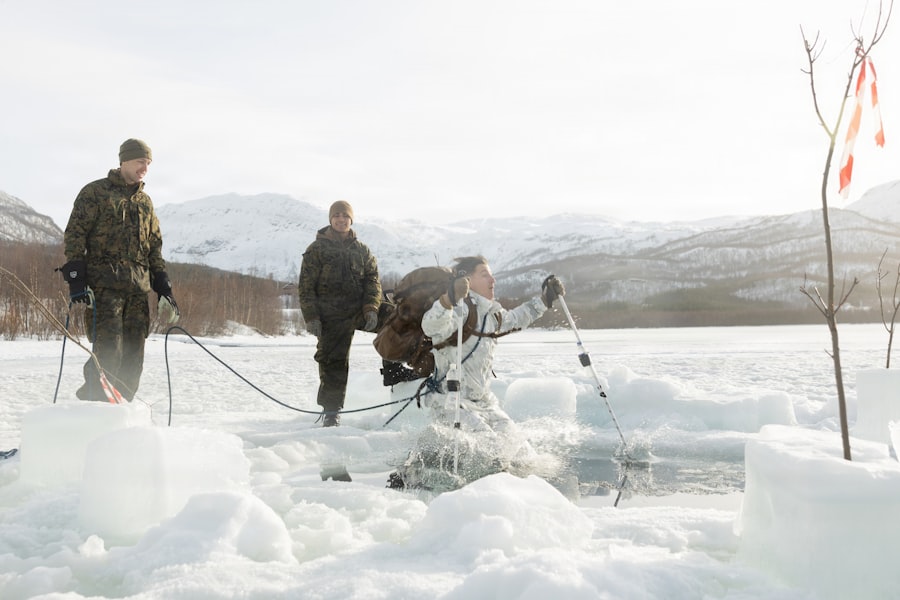
Russia views the Arctic as a vital region for its national interests, encompassing economic development, military projection, and strategic control. Finland’s NATO membership has inevitably altered the dynamics of this relationship, introducing a new layer of complexity to Russian Arctic strategy and Finland’s perception of it.
Russia’s Military Modernization and Assertiveness
- Reopening Soviet-Era Bases: Russia has been actively modernizing its military infrastructure in the Arctic, reopening and expanding Soviet-era bases and developing new capabilities. This includes a significant expansion of its naval presence, including nuclear-powered submarines, and the deployment of advanced air defense systems.
- Control of Northern Sea Route: Russia views the Northern Sea Route as its sovereign waterway and is investing heavily in its development and security. This includes the creation of icebreaker fleets, ports, and military installations along its Arctic coastline. Control over this route is seen as crucial for both economic prosperity and military projection.
- Assertive Stance on Arctic Governance: Russia has consistently pushed for its own interpretation of Arctic governance, often emphasizing its dominant role in the region. This has led to friction with other Arctic states, particularly concerning issues of maritime rights and resource allocation.
Finland’s Security Concerns and Risk Assessment
- Increased Military Pressure: Finland’s security planners are now acutely aware of the potential for increased military pressure from Russia along their shared border and in the wider Arctic region. Russia’s actions in Ukraine and its ongoing military buildup in the Arctic are seen as direct indicators of its strategic intentions.
- The “Arctic Buffer” Erosion: For decades, Finland’s neutrality served as a kind of “Arctic buffer” between NATO and Russia. With Finland now a NATO member, this buffer has effectively dissolved, leading to a more direct interface between the alliance and Russia in the High North. This raises the stakes and necessitates a heightened state of readiness.
- Hybrid Warfare and Information Operations: Beyond overt military threats, Finland, like other NATO members, is concerned about Russia’s use of hybrid warfare tactics, including disinformation campaigns, cyberattacks, and attempts to influence public opinion. These tactics are particularly potent in the vast and often isolated Arctic regions.
The Evolving Role of NATO in the Finnish Arctic
Finland’s integration into NATO brings new dimensions to the alliance’s presence and responsibilities in the Arctic. The focus shifts from individual national defense to a collective approach, with Finland playing a crucial role in the alliance’s northern strategy.
Strengthening the Northern Defense Alliance
- Integrated Defense Planning: NATO’s accession process for Finland involved extensive consultations on integrated defense planning. This means that Finland’s military capabilities and strategies are now coordinated with those of its NATO allies, ensuring a cohesive response to any potential threat in the Arctic.
- Resource Sharing and Joint Operations: Membership allows for the sharing of resources, intelligence, and expertise among NATO members. This is particularly beneficial in the Arctic, where the operational environment is challenging and requires specialized capabilities, such as ice-hardened vessels and long-range reconnaissance aircraft.
- Enhanced Maritime Surveillance: NATO’s maritime surveillance capabilities in the Arctic will be significantly enhanced by Finland’s inclusion. Its coast guard and naval assets, combined with those of its allies, can provide a more comprehensive picture of maritime activity, crucial for detecting and deterring potential threats.
Challenges and Opportunities for NATO-Russia Cooperation (and Lack Thereof)
- Limited Prospects for Cooperation: Given the current geopolitical climate and Russia’s actions, prospects for significant NATO-Russia cooperation in the Arctic appear limited. The breakdown of trust following the invasion of Ukraine has cast a long shadow over any potential for collaborative initiatives.
- Maintaining Lines of Communication: Despite the tensions, maintaining open lines of communication, particularly between military commands, remains crucial for de-escalation and preventing miscalculation. NATO’s commitment to dialogue, even in challenging times, is important for managing potential crises in the Arctic.
- Focus on Stability and Predictability: While direct cooperation is unlikely, NATO’s objective in the Arctic, alongside Finland, is to promote stability and predictability. This involves clear signaling of defensive intentions and a commitment to international law and norms, aiming to deter any actions that could destabilize the region.
As Finland strengthens its ties with NATO, the implications for Russian Arctic security are becoming increasingly significant. The strategic positioning of Finland within the alliance could alter the balance of power in the region, prompting a reassessment of military strategies by Russia. For a deeper understanding of these dynamics, you can explore a related article that discusses the broader geopolitical context and its potential impacts on Arctic security. This insightful piece can be found here.
The Future of Arctic Security: Finland’s Enduring Role
| Category | Data/Metric |
|---|---|
| Defense Spending | Finland’s defense spending as a percentage of GDP: 1.4% |
| NATO Membership | Finland is not a member of NATO |
| Russian Military Presence | Russian military exercises in the Arctic have increased in recent years |
| Arctic Security | Cooperation between Finland and NATO in Arctic security has been increasing |
Finland’s transition to NATO membership represents a watershed moment for Arctic security. Its long-standing commitment to defense, coupled with the collective security of the alliance, positions it as a critical player in safeguarding the High North. However, the path ahead is complex, demanding continued vigilance, adaptability, and a commitment to international cooperation where possible.
Balancing Defense and Diplomacy
- The Importance of Deterrence: While deterrence remains paramount, Finland and its NATO allies will need to maintain a careful balance with diplomatic engagement. Open channels of communication, even with adversaries, are essential for managing tensions and preventing escalation.
- Upholding International Law: Finland’s commitment to upholding international law and established norms in the Arctic will be crucial. This includes respecting freedom of navigation, ensuring environmental protection, and promoting peaceful dispute resolution.
- Investing in Arctic Resilience: Beyond military considerations, investing in the resilience of Arctic communities and ecosystems is vital. This includes addressing the impacts of climate change, supporting sustainable development, and ensuring the well-being of the region’s inhabitants.
The Nordic Cooperation Dimension
- Strengthened Nordic Defense Ties: Finland’s NATO membership, alongside Sweden’s recent accession, creates an unprecedented level of defense integration among the Nordic countries. This close cooperation within the NATO framework further bolsters the security of the entire region.
- Joint Arctic Strategies: The enhanced collaboration among Finland, Sweden, and Norway, all NATO members, allows for the development of more cohesive and effective joint Arctic strategies. This includes coordinated military planning, shared intelligence, and collaborative approaches to maritime security.
- A United Front: The unified approach of the Nordic nations within NATO presents a strong and coherent voice in Arctic security discussions, ensuring that their interests and concerns are adequately represented within the alliance and on the international stage.
The Long-Term Geopolitical Outlook
The Arctic is a region of growing strategic importance, and its future security landscape will be shaped by a complex interplay of geopolitical factors. Finland’s membership in NATO has fundamentally altered its security calculus, providing a robust framework for defense while simultaneously introducing new challenges in its relationship with Russia. The country’s ability to navigate these complexities, balancing its commitment to collective security with the imperative of maintaining regional stability, will be crucial for the continued peace and prosperity of the Finnish Arctic and the wider High North. The evolving dynamics necessitate a constant reassessment of strategies, a commitment to robust defense, and a pragmatic approach to diplomacy in a region that is increasingly central to global security.

Russia’s Nuclear Submarines Depend on This Arctic Lifeline
FAQs
What is the current relationship between Finland and NATO?
Finland is not a member of NATO, but it has a close partnership with the organization through the Partnership for Peace program and the Enhanced Opportunities Partnership. Finland has also signed a host nation support agreement with NATO, allowing for cooperation in areas such as training and exercises.
How does Russia’s presence in the Arctic impact Finland’s security?
Russia’s increased military presence in the Arctic has raised concerns about security in the region, particularly for Finland. The Arctic is a strategically important area, and Finland has been monitoring Russian activities closely. Finland has also been enhancing its own military capabilities in response to the changing security situation in the Arctic.
What are Finland’s security concerns in the Arctic region?
Finland’s security concerns in the Arctic region include the potential for increased military activity, the impact of climate change on the region, and the need to protect its own territorial integrity. Finland has been working to strengthen its defense capabilities and enhance cooperation with other Arctic nations to address these concerns.
How does Finland cooperate with other Arctic nations on security issues?
Finland participates in various international forums and organizations focused on Arctic security, such as the Arctic Council and the Northern Group. These platforms provide opportunities for Finland to engage in dialogue and cooperation with other Arctic nations on security issues, including military and defense matters.
What steps has Finland taken to enhance its security in the Arctic region?
Finland has taken several steps to enhance its security in the Arctic region, including increasing its military presence and capabilities in the area. Finland has also been working to strengthen its partnerships with other Arctic nations and enhance its situational awareness in the region through improved surveillance and monitoring capabilities.