The rumbling silence of the deep ocean is the domain of the Russian nuclear submarine fleet, a potent symbol of Moscow’s strategic ambition and a cornerstone of its defense doctrine. Among these formidable vessels, the Borei-class (Project 955) submarines, also known as the “Bastion” class, represent the apex of Russia’s undersea power projection. These nuclear-powered ballistic missile submarines (SSBNs) are designed not merely to deter, but to project a credible and survivable nuclear retaliatory capability, ensuring Russia’s continued status as a major global power. Their operational deployment patterns, particularly in securing strategic waters, reveal a nuanced strategy aimed at both asserting dominance and safeguarding national interests in an increasingly complex geopolitical landscape.
The Russian Federation maintains a nuclear triad, a strategic cornerstone comprising land-based intercontinental ballistic missiles (ICBMs), nuclear-capable strategic bombers, and nuclear-powered ballistic missile submarines. Each leg of this triad serves a distinct purpose, but the SSBN force holds a unique position due to its inherent survivability and mobility. Unlike land-based missiles, which can be targeted, or bombers, which can be intercepted, submarines operating in the vastness of the oceans are exceedingly difficult to detect and destroy. This makes them the most secure and therefore the most credible leg of Russia’s nuclear deterrent.
The Evolution of Russian SSBNs
The Borei-class represents a significant leap forward from its Soviet-era predecessors, the Typhoon and Delta classes. While these earlier submarines were marvels of their time, the Borei-class incorporates advanced stealth technology, quieter propulsion systems, and a more sophisticated weapon system. The development and deployment of the Borei-class are a direct response to evolving global security dynamics and the need to maintain a qualitative edge in strategic deterrence.
From Cold War Giants to Modern Stealth Platforms
The transition from the colossal Typhoon-class submarines, designed for open-ocean warfare, to the more refined and stealth-oriented Borei-class signifies a strategic shift. The emphasis has moved from sheer size and brute force to a more intelligent and survivable approach to nuclear deterrence. This evolution reflects lessons learned from decades of submarine warfare and technological advancements in both anti-submarine warfare (ASW) and submarine technology.
The Strategic Imperative of Survivability
The primary mission of an SSBN is to survive a first strike and deliver a retaliatory blow. This means operating in areas where they are least likely to be detected by adversary ASW forces. Russia’s strategic doctrine places immense value on this survivability, as it ensures the continuity of command and control and the guaranteed delivery of a devastating response to any existential threat.
The Ocean as a Sanctuary
The vast, largely unmonitored expanses of the world’s oceans offer a natural sanctuary for submarines. However, the effectiveness of this sanctuary is constantly being challenged by advancements in sonar technology, satellite surveillance, and ASW capabilities of potential adversaries. Therefore, the design and operational doctrine of the Borei-class are focused on maximizing their ability to remain hidden within this sanctuary.
The Russian nuclear submarine bastion strategy plays a crucial role in the country’s maritime defense, emphasizing the protection of its strategic assets in coastal waters. For a deeper understanding of this strategy and its implications for global security, you can explore the article available at this link. This resource provides valuable insights into the operational aspects and historical context of Russia’s naval capabilities.
Bastion Strategy: Securing Strategic Waters through Subsurface Dominance
The “Bastion” strategy, as it pertains to the Borei-class submarines, refers to their deployment in specific, pre-defined maritime areas that offer a combination of strategic depth, concealment, and access to potential targets. These are not necessarily offensive positions, but rather secure operational zones from which they can effectively deter aggression and respond if necessary. These areas are often referred to as “bastion areas” or “home waters” from which the submarines can operate with a higher degree of assurance of their own survival.
Defining the Bastion: Geographic and Strategic Considerations
The selection of these bastion areas is a complex undertaking, involving considerations of bathymetry, ocean currents, acoustic conditions, and the proximity of adversary ASW assets. Russia’s primary bastion areas are typically located within its territorial waters or in adjacent, strategically important seas, such as the Barents Sea in the Arctic and the Sea of Okhotsk in the Pacific. These areas provide a natural defense in depth and are crucial for both the security of the submarines and the projection of Russian influence.
The Arctic Bastion: A New Frontier of Strategic Competition
The Arctic has become an increasingly important strategic region for Russia. Its vast, ice-covered waters offer excellent concealment for submarines, and its proximity to North American and European missile attack routes makes it a critical area for deterring attacks. The Borei-class submarines operating in the Arctic can pose a significant threat to adversaries, as their presence in these remote and challenging environments is difficult to counter.
The Pacific Bastion: Projecting Power in Asia
In the Pacific, the Sea of Okhotsk serves as a key bastion area for Russian SSBNs. This strategically enclosed sea, bordered by Russia, Japan, and Sakhalin Island, offers a defensible environment for ballistic missile submarines. Its location allows for the rapid deployment of missiles towards potential targets in East Asia and the western United States.
Operational Doctrine: The Silent Guardians
The operational doctrine of the Borei-class submarines emphasizes stealth, endurance, and the ability to maintain a continuous patrol within their designated bastion areas. They are designed to remain submerged for extended periods, making them incredibly difficult to track. Their missions are often conducted in strict radio silence to avoid detection, further enhancing their survivability.
The Art of Stealth: Minimizing Acoustic Signatures
The Borei-class submarines are equipped with advanced quieting technologies that significantly reduce their acoustic signature. This includes sophisticated hull coatings, vibration isolation systems, and advanced propeller designs. The goal is to make them virtually undetectable by the most sensitive sonar systems.
Sustained Patrols: The Endurance of the Bastion
These submarines are designed for long-duration patrols, capable of remaining at sea for months at a time. This sustained presence within their bastion areas ensures a constant deterrent and allows them to respond to threats with minimal warning. Their logistical support networks are designed to facilitate these extended deployments without compromising their operational readiness.
The Borei-Class Submarine: A Technological Marvel
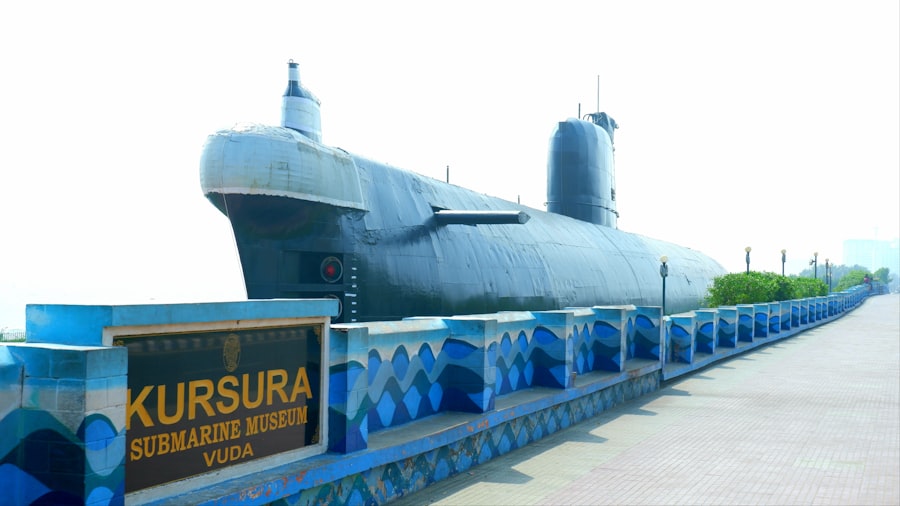
The Borei-class submarines are a testament to modern Russian naval engineering and a significant upgrade in capabilities. Their design incorporates lessons learned from decades of submarine operations and incorporates cutting-edge technologies in propulsion, weapons systems, and stealth.
Propulsion and Survivability Enhancements
The Borei-class submarines are powered by a single OK-650 V2 nuclear reactor, providing ample power for their propulsion and all onboard systems. This allows for high speeds and extended submerged operations. The integration of advanced noise reduction technologies throughout the hull and propulsion system is crucial for their stealth capabilities.
Silent Running: The Key to Invisibility
The “silent running” capability of these submarines is paramount. Engineers have meticulously designed the hull, propulsion, and internal systems to minimize any noise or vibration that could be detected by enemy sonar. This includes using advanced materials and sophisticated damping techniques.
The Strategic Payload: Bulava Ballistic Missiles
The primary offensive capability of the Borei-class submarines lies in their armament of the R-30 Bulava (Bulava-M) intercontinental ballistic missiles (ICBMs). Each submarine can carry up to 16 of these missiles, each equipped with multiple independently targetable re-entry vehicles (MIRVs). This provides a devastating nuclear strike capability.
MIRVs and Penetration Aids: Overcoming Defenses
The Bulava missile’s MIRV capability means that a single missile can carry multiple nuclear warheads, each capable of striking a different target. This greatly increases the number of targets that can be hit and makes missile defense systems significantly more challenging to counter. The missiles also incorporate various penetration aids to further confuse and evade enemy defenses.
Range and Accuracy: Global Reach
The Bulava missile boasts an impressive range, estimated to be over 8,000 kilometers, giving the Borei-class submarines the ability to strike targets across vast distances. The accuracy of these missiles is also crucial for ensuring the effectiveness of a retaliatory strike.
The Geopolitical Implications of the Bastion Strategy
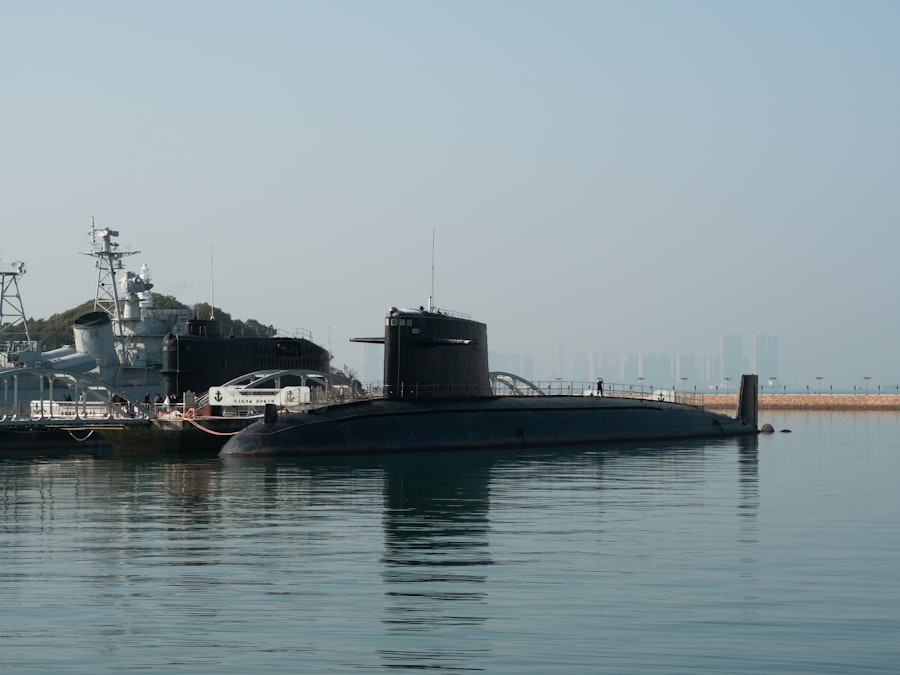
The deployment of the Borei-class submarines and the implementation of the bastion strategy have significant geopolitical implications. They serve as a clear signal of Russia’s resolve to maintain its nuclear deterrent and its willingness to project power. This, in turn, influences the strategic calculations of other major powers.
Deterrence and Escalation Control
The primary purpose of the bastion strategy is deterrence. By possessing a survivable nuclear force, Russia aims to dissuade any potential adversary from launching a first strike. The ability of the Borei-class submarines to remain hidden and strike at a moment’s notice ensures that any aggression against Russia would result in unacceptable retaliation.
The Stability-Instability Paradox
The presence of a robust nuclear deterrent, while intended to maintain stability, can also create a “stability-instability paradox.” This refers to the idea that the existence of nuclear weapons may reduce the likelihood of large-scale conventional war, but it can also embolden states to engage in riskier behavior in limited conflicts, believing that nuclear escalation is unlikely. Russia’s bastion strategy contributes to this complex dynamic.
Power Projection and Regional Influence
Beyond deterrence, the bastion strategy also allows Russia to project power and assert its influence in strategically important regions. The silent patrols of its SSBNs serve as a constant reminder of Russia’s military capabilities and its commitment to defending its interests.
The Arctic: A New Arena for Competition
As mentioned earlier, the Arctic is a key focus of Russia’s strategic thinking. The Borei-class submarines operating from their Arctic bastions are a powerful tool for asserting Russia’s claims and protecting its vast resource interests in the region. This also creates a new arena for competition with other Arctic powers.
The Black Sea and Baltic Sea: Managing Regional Threats
While the primary bastions are in the Arctic and Pacific, smaller, more agile Russian submarines, and potentially even specialized Borei-class variants in the future, can be deployed to secure strategic waters closer to home, such as the Black Sea and the Baltic Sea. This allows Russia to monitor and counter threats in these sensitive regions more effectively.
The Russian nuclear submarine bastion strategy has garnered significant attention in recent years, particularly in light of evolving geopolitical tensions. This strategy focuses on protecting key maritime areas where nuclear submarines can operate safely while deterring potential adversaries. For a deeper understanding of the implications and developments surrounding this strategy, you can explore a related article that discusses the broader context of naval power and deterrence in modern warfare. To read more about this topic, visit this insightful article.
Future of the Bastion Strategy and Challenges Ahead
| Aspect | Details |
|---|---|
| Strategy Name | Russian Nuclear Submarine Bastion Strategy |
| Purpose | To protect and secure Russia’s strategic nuclear submarine fleet |
| Location | Primarily in the Arctic and Pacific regions |
| Key Features | Use of underwater bastions, deployment of advanced submarines, and development of anti-access/area denial capabilities |
| Challenges | Environmental harshness, technological advancements by potential adversaries, and geopolitical tensions |
The Russian nuclear submarine bastion strategy, anchored by the Borei-class, is a dynamic and evolving element of global security. While it currently provides a significant strategic advantage, it faces a number of challenges and will likely continue to adapt to changing geopolitical realities and technological advancements.
Technological Arms Race in ASW and Submarine Warfare
The ongoing advancements in anti-submarine warfare (ASW) technology by potential adversaries pose a continuous threat to the survivability of submarines. Nations are investing heavily in more sophisticated sonar systems, underwater surveillance networks, and unmanned underwater vehicles (UUVs). This necessitates continuous innovation in submarine stealth technology and operational tactics by Russia.
Countering Advanced Sonar Technologies
The development of new sonar technologies, such as distributed and networked sonar systems, presents a significant challenge for submarines. Russia must continuously invest in advanced quieting techniques and countermeasures to ensure its submarines remain undetected.
The Evolving Geopolitical Landscape
The global geopolitical landscape is constantly shifting. New alliances are forming, and existing ones are being tested. Russia’s bastion strategy must adapt to these changes, potentially requiring the re-evaluation of strategic deployment areas and operational doctrines. The rise of new naval powers and the increasing assertiveness of established ones will shape the future of undersea warfare.
The Role of Unmanned Systems
The increasing development and deployment of unmanned underwater vehicles (UUVs) by various navies could fundamentally alter the nature of ASW. These systems can operate for extended periods, cover vast areas, and potentially conduct operations with less risk to human life, making them a formidable challenge to traditional submarine operations.
Modernization and Future Generations
The Borei-class submarines are expected to serve for decades to come. However, Russia is already looking towards future generations of SSBNs. These future platforms will likely incorporate even more advanced stealth technologies, improved weapon systems, and potentially new operational concepts. The continued evolution of the bastion strategy will be intertwined with the development of these next-generation submarines. The focus will remain on maintaining a survivable, credible, and adaptable nuclear deterrent in an ever-changing world.

Russia’s Nuclear Submarines Depend on This Arctic Lifeline
FAQs
What is the Russian nuclear submarine bastion strategy?
The Russian nuclear submarine bastion strategy is a military doctrine that involves deploying nuclear-powered submarines armed with ballistic missiles to specific areas in order to protect them from enemy attacks and ensure the ability to launch a retaliatory strike if necessary.
How does the Russian nuclear submarine bastion strategy work?
Under the bastion strategy, Russian nuclear submarines operate in designated “bastion” areas, which are heavily defended and difficult for enemy forces to penetrate. This allows the submarines to remain hidden and secure, ready to launch their missiles if needed.
What is the purpose of the Russian nuclear submarine bastion strategy?
The primary purpose of the bastion strategy is to ensure the survivability and effectiveness of Russia’s nuclear deterrent. By deploying submarines in bastion areas, Russia aims to maintain a credible second-strike capability, deterring potential adversaries from launching a nuclear attack.
How does the Russian nuclear submarine bastion strategy impact global security?
The bastion strategy contributes to the overall stability of the global nuclear balance by ensuring that Russia maintains a secure and reliable nuclear deterrent. However, it also raises concerns about the potential for miscalculation or escalation in the event of a crisis involving nuclear-armed submarines.
What are the challenges and limitations of the Russian nuclear submarine bastion strategy?
Challenges and limitations of the bastion strategy include the need to continuously modernize and maintain the submarines and their associated infrastructure, as well as the risk of detection and targeting by advanced anti-submarine warfare capabilities possessed by potential adversaries.