Russia’s Arctic Fortress: The Hidden Weakness
The vast, icy expanse of the Russian Arctic, often depicted as an impenetrable fortress of military might, is a region of immense strategic importance. For decades, Moscow has invested heavily in fortifying its northern borders, establishing a formidable network of bases, advanced radar systems, and a growing naval presence. This buildup has been driven by a confluence of factors: the burgeoning economic potential of untapped resources, the geopolitical jostling with other Arctic nations, and the desire to project power on the global stage. However, beneath the imposing facade of this Arctic stronghold lies a critical and often overlooked vulnerability: its profound reliance on a fragile and rapidly thawing infrastructure.
The Arctic holds a unique allure for Russia, transcending mere territorial claims. It represents a frontier of opportunity, a reservoir of vast untapped natural resources, and a crucial transit route for global commerce.
The Riches Beneath the Ice: Resources and Economic Aspirations
The Arctic Ocean is estimated to hold significant reserves of oil, natural gas, and minerals, resources that are increasingly scarce elsewhere. Russia, with its vast Arctic coastline, sees the region as a vital component of its future economic prosperity. The development of these resources is not just about revenue generation; it’s about energy security, technological advancement, and maintaining its status as a major global energy supplier. However, the extraction and transportation of these resources are inherently challenging, requiring specialized infrastructure and facing the constant threat of environmental disruption.
The Northern Sea Route: A New Global Trade Artery
The receding ice caps are opening up the Northern Sea Route (NSR), a shipping lane that could drastically shorten transit times between Europe and Asia compared to the Suez Canal. Russia has aggressively promoted the NSR, investing in icebreaker fleets and port infrastructure, aiming to become the dominant facilitator of this new Silk Road of the North. This ambition, however, is contingent on the predictability of ice conditions and the development of safe and reliable navigational aids, both of which are being challenged by climate change.
Geopolitical Maneuvering and Military Modernization
As the Arctic becomes more accessible, it also becomes a focal point for international competition. Russia views the militarization of its Arctic territories as essential to protecting its interests and deterring potential adversaries. This has led to the reopening and modernization of Soviet-era bases, the deployment of advanced weaponry, and the establishment of a robust air and missile defense network. The perceived need for a strong military presence to safeguard its resource claims and maritime routes underscores the strategic significance Russia places on the region.
Recent discussions surrounding Russia’s Arctic fortress have unveiled a hidden weakness that could potentially undermine its strategic advantages in the region. For a deeper understanding of these vulnerabilities and their implications for global security, you can read the related article here: Russia’s Arctic Fortress: Hidden Weaknesses Explored. This analysis delves into the geopolitical dynamics at play and how they may affect Russia’s military posture in the Arctic.
The Thawing Foundation: Infrastructure Under Siege
The very ground upon which Russia’s Arctic fortress is built is proving to be its Achilles’ heel. The permafrost, the layer of soil that has remained frozen for millennia, is now succumbing to rising global temperatures at an alarming rate. This thawing poses an existential threat to the physical infrastructure that underpins Russia’s Arctic ambitions.
The Permafrost Problem: A Foundation of Ice is Melting
Permafrost provides a stable foundation for buildings, roads, pipelines, and military installations across vast swathes of the Arctic. As it thaws, the ground becomes unstable, leading to subsidence, landslides, and structural damage. This phenomenon is not a distant threat; it is a present and growing reality across Siberia and the Russian Arctic. The costs associated with repairing and adapting existing infrastructure, let alone building new facilities, are astronomical.
Transportation Networks: The Arteries of the North are Weakening
Roads and railways in the Arctic are particularly vulnerable. As the permafrost thaws, these vital transportation links buckle, crack, and collapse, disrupting the movement of goods, personnel, and military equipment. This exacerbates the logistical challenges inherent in operating in such a remote and harsh environment, making resupply and reinforcement of military outposts increasingly difficult and costly. The reliance on ice roads during winter, which are becoming less reliable due to warmer temperatures, further amplifies this vulnerability.
Energy Infrastructure: A Looming Catastrophe
Pipelines carrying oil and gas are a cornerstone of Russia’s Arctic economy. These pipelines are often laid directly on or partially within permafrost. As the permafrost thaws, the ground can shift, leading to stress on the pipelines, increasing the risk of leaks and ruptures. The environmental consequences of such incidents would be devastating, and the economic impact on Russia’s vital energy sector could be catastrophic. Repairing and reinforcing these pipelines in such a remote and challenging environment is an immense undertaking.
Military Installations: The Fortress Walls are Cracking
Military bases, radar stations, and airfields constructed on permafrost are also at risk. The thawing ground can compromise the structural integrity of buildings, damage runways, and disrupt the functionality of sensitive radar and communication equipment. Maintaining these facilities in a state of readiness becomes a constant battle against the elements, requiring continuous and expensive repairs, diverting resources from other strategic priorities.
The Human Element: A Shrinking and Strained Population
Beyond the physical infrastructure, Russia’s Arctic fortress faces another critical weakness: the sustainability of its human presence. The harsh environment and limited economic opportunities have always presented challenges, but a changing climate and demographic trends are exacerbating these issues.
Demographic Decline: A Shrinking Workforce and Military Pool
Many indigenous communities in the Russian Arctic are facing demographic decline due to a combination of factors including limited access to healthcare, education, and economic opportunities. This trend is mirrored in the wider Russian population, with a general demographic decline impacting the availability of a skilled workforce for resource extraction and military personnel for Arctic garrisons. Attracting and retaining skilled labor in such a remote and challenging region is a significant hurdle.
Social Services and Quality of Life: A Growing Disparity
The provision of adequate social services, healthcare, and education in the Arctic is already a significant challenge. As the climate changes, these challenges are amplified. Increased reliance on costly and often unreliable transportation for essential supplies, coupled with the direct impact of environmental changes on traditional livelihoods, puts further strain on communities. This can lead to a decline in quality of life, making it even harder to attract and retain the population needed to sustain Russia’s Arctic presence.
Indigenous Rights and Environmental Concerns: A Growing Source of Friction
The increasing pace of industrial development in the Arctic, driven by Russia’s resource ambitions, often clashes with the rights and traditional ways of life of indigenous populations. Growing environmental concerns, amplified by the visible impacts of climate change, can also fuel local resistance and international scrutiny, creating potential friction and operational hurdles for Moscow’s Arctic plans.
The Economic Burden: The Cost of Arctic Ambition
The ambition to dominate the Arctic comes with an enormous economic price tag. While the potential rewards are substantial, the costs associated with developing and maintaining infrastructure in such a challenging environment, coupled with the escalating repairs due to climate change, are immense and unsustainable.
The Enormous Cost of Maintenance and Repair
The constant need to repair and adapt infrastructure battered by permafrost thaw, extreme weather events, and the sheer remoteness of the region places a significant and ever-increasing strain on Russia’s budget. These are not one-off expenses; they are ongoing and escalating costs that divert funds from other critical areas of the economy and national security.
The Viability of Arctic Investments: Returns Amidst Uncertainty
The economic viability of large-scale Arctic resource extraction projects is increasingly being questioned. The high upfront investment, coupled with the unpredictable operational environment and the global push towards decarbonization, raises doubts about the long-term profitability of these ventures. Russia’s reliance on fossil fuels makes it particularly vulnerable to these shifts.
Geopolitical Isolation and Economic Sanctions: A Double Whammy
The current geopolitical climate, characterized by Russia’s international isolation and economic sanctions, further compounds the financial strain. Access to advanced technology, financing, and foreign investment, crucial for Arctic development, has been severely curtailed. This makes it even more difficult and expensive for Russia to undertake the ambitious projects required to realize its Arctic ambitions.
Recent analyses have shed light on the hidden vulnerabilities of Russia’s Arctic fortress, revealing potential weaknesses that could be exploited in the event of conflict. These insights are crucial for understanding the strategic landscape in the Arctic region, where military posturing has intensified. For a deeper dive into the implications of these findings, you can read more in this related article on In the War Room, which explores the broader geopolitical ramifications of Russia’s Arctic ambitions.
The Strategic Rethink: Is the Fortress Sustainable?
| Weakness | Impact |
|---|---|
| Melting permafrost | Compromises structural integrity |
| Isolation | Limited access to resources and support |
| Harsh weather conditions | Challenges maintenance and operations |
The confluence of a thawing foundation, a strained population, and an unsustainable economic burden raises fundamental questions about the long-term viability of Russia’s Arctic fortress as currently envisioned. The very strengths Russia has cultivated – its military presence and resource ambitions – are being undermined by the environmental realities of the region.
The Reality of Climate Change: An Unstoppable Force
The most significant factor undermining Russia’s Arctic fortress is the undeniable reality of climate change. The warming Arctic is not a hypothetical future scenario; it is a present and accelerating phenomenon. Moscow’s strategy, built on the premise of a stable, frozen environment, is fundamentally at odds with the unfolding environmental crisis.
The Need for Adaptation and Re-evaluation: A Pragmatic Approach
Russia faces a critical choice: continue to pour vast resources into maintaining a brittle and increasingly unsustainable military and economic presence, or adopt a more pragmatic and adaptive approach. This would involve prioritizing infrastructure resilience, investing in technologies that can withstand permafrost thaw, and fostering a more sustainable economic model that is less reliant on resource extraction vulnerable to environmental change.
The Shifting Geopolitical Landscape: A New Arctic Order
As the Arctic transforms, so too will the geopolitical landscape. Other Arctic nations, while also facing challenges, may prove more agile in adapting to the changing environment. Russia’s current approach, characterized by a focus on military dominance, may prove counterproductive in a future where cooperation and climate adaptation become paramount for regional stability and prosperity. The illusion of an impenetrable Arctic fortress is slowly being eroded by the undeniable power of a warming planet. The true test for Russia will not be in building higher walls, but in adapting to the melting ground beneath its feet.
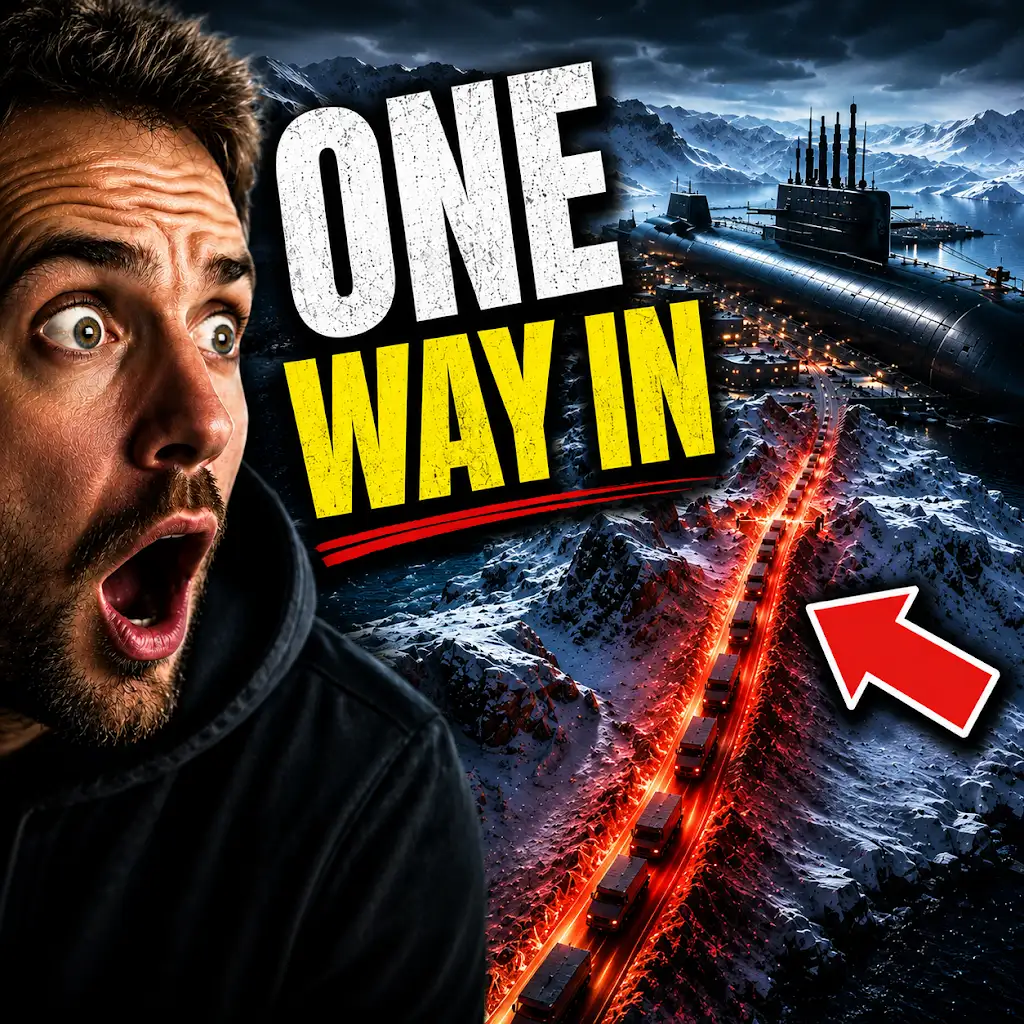
Russia’s Nuclear Submarines Depend on This Arctic Lifeline
FAQs
What is the Russia Arctic fortress?
The Russia Arctic fortress refers to the military installations and infrastructure that Russia has built in the Arctic region to assert its presence and protect its interests in the area.
What are the hidden weaknesses of the Russia Arctic fortress?
The hidden weaknesses of the Russia Arctic fortress may include vulnerabilities in its supply lines, logistical challenges, and the harsh environmental conditions of the Arctic region that can affect the effectiveness of military operations.
How does the Russia Arctic fortress impact global geopolitics?
The Russia Arctic fortress has significant implications for global geopolitics as it allows Russia to assert its influence in the Arctic region, which is rich in natural resources and has strategic importance for trade routes and military positioning.
What are the key components of the Russia Arctic fortress?
The key components of the Russia Arctic fortress include military bases, airfields, ports, and infrastructure for surveillance and communication, as well as icebreakers and other specialized vessels for navigating the Arctic waters.
What are the concerns surrounding the Russia Arctic fortress?
Concerns surrounding the Russia Arctic fortress include the potential for increased militarization of the Arctic region, competition for resources, environmental impacts, and the potential for conflict between Russia and other Arctic nations.