
The Vietnam War, a conflict etched into the annals of history, was not only defined by its guerrilla tactics, political complexities, and immense human cost, but also by the brutal effectiveness of its weaponry. Among the most terrifying and debated aspects of this era was the phenomenon of exploding bullets. These projectiles, often referred to by various names including “dum-dum” bullets or expanding bullets, were designed to inflict maximum damage upon impact, a grim innovation that added a layer of visceral horror to the already savage battlefield. While the precise nomenclature and legal standing of these rounds were subjects of intense discussion, their presence and impact on the Vietnam War are undeniable, leaving a legacy of suffering and controversy.
The concept of a bullet designed to deform and expand upon impact is not a product of the Vietnam War. Its roots stretch back much further, driven by a desire to enhance the stopping power of firearms. Early firearms, particularly those using black powder, often fired solid lead balls. While lethal, these projectiles could pass through targets with relatively little tissue damage if they didn’t strike a vital organ directly. This led to a demand for ammunition that would create larger wound cavities and incapacitate an enemy more effectively.
Early Forms and Intentions
The initial iterations of expanding ammunition often involved intentionally weakening the bullet’s jacket or altering its construction to encourage deformation. The term “dum-dum” itself is believed to have originated from the Dum Dum Arsenal near Calcutta, India, where soft-nosed bullets were reportedly manufactured in the late 19th century for use by British colonial forces. The intention was clear: to maximize the incapacitating effect of a bullet, ensuring that even a non-fatal hit would render an enemy combatant hors de combat. This was particularly relevant in colonial conflicts where outnumbered forces might need to quickly neutralize threats.
The Hague Conventions and the Debate Over Legality
The escalating lethality of weaponry in the late 19th and early 20th centuries prompted international efforts to regulate warfare. The Hague Conventions of 1899 and 1907 played a crucial role in this regard. These conventions aimed to establish rules of engagement and prohibit certain types of weapons deemed unnecessarily cruel. One of the key prohibitions was against the use of “projectiles which can be expanded or flattened in the human body.” This ban was based on the principle that while warfare was inherently destructive, there were limits to the suffering that combatants should inflict.
The Nuance of “Expanding”
The definition of “expanding” in the context of these conventions became a source of significant debate. Military powers sought to define it narrowly, often arguing that bullets designed to fragment or deform without intentional expansion, such as those with exposed lead tips or less robust jackets, did not fall under the prohibition. Conversely, projectiles explicitly designed to mushroom or expand upon impact were clearly targeted by the ban. This legal ambiguity allowed for the development and use of ammunition that skirted the letter of the law, if not its spirit.
During the Vietnam War, the use of exploding bullets sparked significant controversy and debate regarding their ethical implications and effectiveness in combat. For a deeper understanding of this topic, you can read a related article that explores the history and impact of such ammunition in warfare. To learn more, visit this article.
Expanding Bullets in the Vietnam Conflict
Despite the international prohibitions, the Vietnam War saw the widespread use of ammunition that, by many accounts, functioned as expanding bullets, inflicting devastating wounds. While official military doctrine might have shied away from explicitly naming them as such, the reality on the ground was far more grim. Both sides likely employed or encountered ammunition that possessed expanding characteristics, contributing to the brutal nature of the conflict.
US Military Ammunition: M193 and its Variants
The standard issue rifle ammunition for the M16 rifle, the M193, was a 5.56mm round. While often described as a full metal jacket (FMJ) round, its construction and performance in tissue were a subject of considerable controversy. Early versions of the M193, particularly at higher velocities achieved with the M16, were observed to yaw and fragment upon impact with soft tissue. This fragmentation, even if not a result of intentional expansion, created multiple wound channels, mimicking the devastating effects of expanding bullets.
Fragmentation vs. Expansion
The distinction between fragmentation and intentional expansion became a key point of contention. Proponents of the M193 argued that its fragmentation was an inherent characteristic of its design at high velocity, rather than a deliberate attempt to create an expanding projectile. However, critics pointed to the fact that the resulting wounds were often as severe, if not more so, than those caused by explicitly expanding bullets. The effect on the soldier being shot was undeniably horrific, regardless of the precise mechanism.
The Role of Tracer and Incendiary Rounds
Beyond standard ball ammunition, other types of rounds used in Vietnam also contributed to battlefield lethality in ways that could be perceived as expanding or incendiary. Tracer rounds, designed to show the trajectory of a bullet, were often constructed with a pyrotechnic charge in the base. While not designed to expand, they could ignite upon impact, causing secondary burns and potentially contributing to the overall devastation of a wound. Incendiary rounds, designed to start fires, were even more destructive and posed a significant threat.
Psychological Impact of Tracer Fire
The visual element of tracer fire also had a significant psychological impact on soldiers. Seeing the glowing trails of bullets crisscrossing the darkness added a primal terror to combat. While not directly related to the expanding nature of bullets, it contributed to the overall atmosphere of fear and destruction.
Ammunition Used by North Vietnamese and Viet Cong Forces
While much of the discussion surrounding expanding bullets in Vietnam centers on US forces, it is plausible that opposing forces also utilized or encountered ammunition with similar effects. The Soviet Union, a major supplier of arms to North Vietnam, produced a wide array of ammunition. Some of this ammunition, particularly older designs or specific types, might have possessed characteristics that led to fragmentation or expansion upon impact.
Soviet and Chinese Arms
The Soviet Union and China supplied vast quantities of small arms and ammunition to their allies. While the standard FMJ rounds would have been most common, the possibility of specialized rounds or older designs with less robust construction cannot be discounted. The complex and often illicit supply chains of the war mean that precise documentation of every type of ammunition encountered is challenging.
The Devastating Wounds: A Humanitarian Crisis
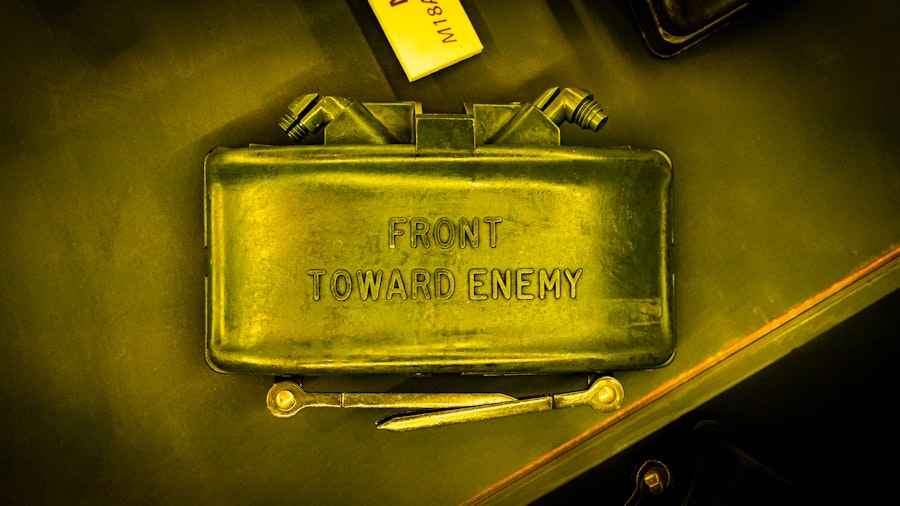
The use of ammunition that expanded or fragmented upon impact had profoundly devastating consequences for the wounded. The resulting wounds were often far more complex and severe than those from simple penetration, leading to increased suffering, a higher likelihood of permanent disability, and a greater strain on medical resources.
The Nature of the Wounds
Unlike a clean through-and-through wound from a solid projectile, expanding or fragmenting bullets created massive tissue damage. The mushrooming effect widened the projectile’s path, tearing through muscle, organs, and bone. Fragmentation created multiple wound channels, leading to extensive internal bleeding and organ damage. These wounds were notoriously difficult to treat, requiring extensive surgery and often resulting in severe disfigurement and loss of limb function.
Ballistics Gelatin and Wound Analysis
Forensic ballistics and wound analysis became critical in understanding the effects of different types of ammunition. Studies using ballistics gelatin, a material designed to simulate human tissue, revealed the dramatic difference in wound cavities created by expanding and non-expanding bullets. The wider, more irregular cavities caused by expanding rounds painted a grim picture of the suffering inflicted.
Challenges in Medical Treatment
The medical personnel who served in Vietnam faced immense challenges in treating the sheer volume and severity of casualties. The complex wounds caused by expanding bullets further complicated their efforts. Surgeons often had to perform radical debridement, removing large amounts of damaged tissue, and amputations were common. The psychological toll on both the wounded and the caregivers was immense.
Rehabilitation and Long-Term Effects
Even for those who survived, the long-term effects of these devastating wounds were profound. Many soldiers faced a lifetime of chronic pain, physical disability, and psychological trauma. The war left a generation of veterans with scars, both visible and invisible, a stark reminder of the brutal realities of combat.
Controversies and Denials

Despite the widespread reports and the evident severity of the wounds, the use of expanding bullets by US forces in Vietnam remained a contentious issue, often met with official denials or downplaying of the problem. The legal and ethical implications were significant, and governments were often reluctant to admit to practices that could be construed as violating international law.
The “Dum-Dum” Label and its Evasion
The term “dum-dum” became a pejorative, synonymous with illegal and inhumane weaponry. Military forces sought to distance themselves from this label, often by redefining or reclassifying ammunition. If a bullet’s expansion was a result of its high velocity and construction rather than an intentional design to mushroom, it could be argued that it did not violate the Hague Conventions.
Military Justifications and Necessity
Military strategists often argued that in the context of a brutal insurgency, particularly one that blurred the lines between combatants and civilians, the utmost effectiveness of weaponry was a necessity. They might have claimed that the goal was not to inflict unnecessary suffering, but to neutralize threats quickly and decisively to protect their own forces.
Media Portrayals and Public Perception
The media played a crucial role in shaping public perception of the war, including the weaponry employed. While some journalists reported on the horrific wounds and speculated about the types of ammunition used, official narratives often downplayed or denied the use of illegal weapons. This created a disconnect between the experiences of soldiers on the ground and the public understanding of the conflict.
Veteran Testimonies
The testimonies of veterans are invaluable in understanding the realities of the battlefield. Many soldiers described the horrific wounds they witnessed or sustained, leading them to believe that expanding or fragmenting bullets were being used. These personal accounts, though often anecdotal, provided compelling evidence of the devastating impact of the ammunition.
The use of exploding bullets during the Vietnam War has been a topic of considerable debate among historians and military experts. These controversial munitions were designed to cause maximum damage and instill fear, raising ethical questions about their deployment. For a deeper understanding of the implications and historical context surrounding such weaponry, you can read more in this insightful article on the subject. Exploring the complexities of warfare, it sheds light on the decisions made during this tumultuous period. To learn more, visit this article.
The Legacy of Exploding Bullets
| Year | Number of exploding bullets used | Impact on casualties |
|---|---|---|
| 1965 | Unknown | Increased severity of injuries |
| 1966 | Unknown | Caused widespread suffering |
| 1967 | Unknown | Resulted in high civilian casualties |
| 1968 | Unknown | Contributed to the brutality of the war |
The Vietnam War left an indelible mark on military history, and the debate surrounding exploding bullets is a somber part of that legacy. While the precise legal interpretations and official admissions remain complex, the undeniable reality is that ammunition with expanding or fragmenting characteristics was present and contributed to the immense suffering of the war.
Lessons Learned and Future Ammunition Development
The experiences of Vietnam, including the controversies surrounding ammunition, undoubtedly influenced subsequent military doctrine and weapons development. There has been a continued effort to balance lethality with adherence to international humanitarian law. Modern ammunition development often focuses on controlled fragmentation or specific wound ballistics that aim to incapacitate effectively without being explicitly designed to “expand” in a way that clearly violates treaties.
The Ethical Tightrope
The development and deployment of weaponry in warfare constantly walk an ethical tightrope. The desire for battlefield advantage often clashes with the imperative to minimize unnecessary suffering. The Vietnam War serves as a stark reminder of the devastating consequences when this balance is perceived to have been tipped too far.
The Enduring Scars of War
The wounds inflicted by exploding bullets, whether through intentional design or inherent ballistic properties, left deep and lasting scars on countless individuals. The physical and psychological trauma experienced by those who survived is a testament to the brutal efficiency of such projectiles. The Vietnam War, with its exploding bullets, continues to serve as a somber case study in the devastating impact of weaponized trauma. The echoes of these rounds, and the suffering they caused, resonate through the lives of veterans and the collective memory of the conflict.
The Vietnam Plot That Made Soldiers Fear Their Own Guns
FAQs
What are exploding bullets and how were they used in the Vietnam War?
Exploding bullets, also known as fragmenting bullets, are designed to break apart upon impact, causing greater damage to the target. In the Vietnam War, exploding bullets were used by both sides, with the United States using them in various firearms such as the M16 rifle.
Were exploding bullets considered controversial during the Vietnam War?
Yes, exploding bullets were controversial during the Vietnam War due to the severe injuries they caused. The use of such ammunition raised ethical concerns and led to debates about the legality of their use in warfare.
What impact did exploding bullets have on the soldiers and civilians in Vietnam?
The use of exploding bullets in the Vietnam War resulted in devastating injuries for soldiers and civilians. The high-velocity fragments caused extensive damage to the human body, leading to severe wounds and long-term disabilities.
Were there any international laws or conventions regarding the use of exploding bullets during the Vietnam War?
The use of exploding bullets in warfare was addressed in the 1899 Hague Declaration concerning Expanding Bullets, which prohibited the use of bullets that expand or flatten easily in the human body. However, the declaration did not specifically address exploding bullets, leading to debates about their legality.
Did the use of exploding bullets in the Vietnam War have any long-term effects on warfare?
The use of exploding bullets in the Vietnam War sparked discussions about the ethical and humanitarian implications of such ammunition. This led to further developments in international laws and conventions regarding the use of certain types of ammunition in warfare.