Covert US Military Missions: Uncovering Secret Operations
The shadows of global geopolitics often conceal a reality far more intricate and clandestine than the public eye perceives. For decades, the United States military has engaged in a spectrum of secret operations, missions shrouded in an operational security that borders on the absolute. These covert endeavors, ranging from intelligence gathering and special forces interventions to psychological warfare and support for proxy forces, represent a vital, albeit controversial, instrument of American foreign policy. Uncovering these secret operations is a monumental task, fraught with challenges due to the very nature of their design – to remain undetected. Yet, through diligent investigative journalism, declassified documents, whistleblower accounts, and academic research, glimpses into this hidden world have begun to emerge, painting a picture of a complex and often morally ambiguous landscape.
The concept of covert operations is not a modern invention; clandestine activities have been a feature of warfare and diplomacy for centuries. However, the formalized and institutionalized approach to covert action by the United States gained significant momentum during the Cold War. The escalating ideological conflict with the Soviet Union necessitated a proactive and often indirect approach to countering perceived threats and advancing American interests without triggering direct military confrontation. This era saw the birth and expansion of the Central Intelligence Agency (CIA) and the increasing reliance on special operations forces within the military.
The Cold War Crucible: Birth of Modern Covert Action
The Cold War provided fertile ground for the development of sophisticated covert operations. Facing a powerful ideological adversary with global reach, the US found itself compelled to engage in activities beyond traditional military deployments. This period witnessed the early days of intelligence gathering through clandestine means, the support of anti-communist movements in various countries, and the use of propaganda and disinformation campaigns. The perceived existential threat fostered an environment where secrecy and deniability were paramount.
Proxy Wars and “Third Force” Support
During the Cold War, a significant aspect of covert American strategy involved supporting anti-communist “third forces” in countries perceived as falling under Soviet influence. This included providing financial aid, training, and weaponry to resistance groups, rebels, and even fledgling governments that aligned with US interests. Examples such as the Bay of Pigs invasion in Cuba, though a public failure, underscore the willingness to engage in direct paramilitary action, while other, less publicized, efforts focused on long-term destabilization or support for insurgencies. The justification was often framed as preventing the spread of communism, but critics point to instances where these actions led to prolonged civil wars, human rights abuses, and unintended negative consequences for the populations involved.
Intelligence Gathering and Espionage
The clandestine collection of intelligence has always been a cornerstone of covert operations. During the Cold War, this involved a vast array of activities, from the placement of human agents behind enemy lines to the development of sophisticated electronic surveillance technologies. The goal was to gain an understanding of adversary capabilities, intentions, and plans, thereby informing policy decisions and enabling preemptive actions. The risks associated with such operations were immense, with captured agents facing imprisonment or execution.
Post-Cold War Adaptations and the War on Terror
The fall of the Soviet Union marked a significant shift in the global landscape, but it did not signal an end to covert operations. Instead, the nature and focus of these missions evolved. The rise of transnational terrorism, particularly after the September 11th attacks, ushered in a new era of asymmetric warfare and a renewed emphasis on unconventional operations. The “War on Terror” provided a broad mandate for covert action, often targeting non-state actors in remote and unstable regions.
The Rise of Special Operations Forces (SOF)
The post-Cold War era and the War on Terror witnessed a dramatic expansion in the role and capabilities of US Special Operations Forces. Units like the Navy SEALs, Army Green Berets, and Delta Force became increasingly prominent in conducting highly sensitive missions. These forces are trained for a wide range of tasks, including direct action, special reconnaissance, counterterrorism, and foreign internal defense. Their ability to operate in small, highly specialized teams, often with minimal footprint and under extreme secrecy, made them ideal instruments for clandestine operations.
Unconventional Warfare and Counterinsurgency
Covert operations in the post-9/11 era have frequently involved unconventional warfare tactics aimed at disrupting and degrading terrorist networks. This includes working with local partners, providing training and advisory support to foreign security forces, and conducting targeted raids or strikes against enemy leadership. The complexities of counterinsurgency operations, often requiring a deep understanding of local culture, politics, and tribal dynamics, further amplified the need for discreet and adaptable operational approaches.
In recent discussions surrounding covert military activities, an intriguing article titled “The Shadows of Warfare: Unveiling Secret American Military Operations” provides an in-depth analysis of the strategies and implications of these clandestine missions. This piece explores how such operations have shaped U.S. foreign policy and military effectiveness over the years. For more insights, you can read the full article here: The Shadows of Warfare.
Modus Operandi: The Art of Secrecy and Deniability
The effectiveness of any covert operation hinges on its ability to remain secret and, if discovered, to allow for plausible deniability. This is not merely a matter of operational discipline; it involves a carefully constructed framework of policies, procedures, and technological safeguards designed to prevent leaks and obscure the true nature of the mission.
Intelligence Dominance and HUMINT
Human Intelligence (HUMINT) remains a critical component of covert operations. The recruitment and management of human sources provide invaluable insights that cannot be replicated by technical means alone. Covert operatives often leverage these sources to gather information on enemy plans, identify key individuals, and even facilitate sabotage or disruption. The risks for both the operatives and their sources are immense, and the successful cultivation of trust and long-term relationships is paramount.
Source Development and Asset Management
The painstaking process of identifying, vetting, and cultivating sources is a fundamental aspect of HUMINT. This involves understanding the motivations and vulnerabilities of potential assets, building rapport, and ensuring their security. The management of these assets is an ongoing and complex task, requiring careful communication, risk assessment, and often, financial or other forms of compensation. The ethical considerations surrounding the use of human sources, particularly in foreign contexts, are a recurring point of debate.
Clandestine Communications and Tradecraft
Modern covert operations rely on sophisticated methods of communication that minimize the risk of interception or detection. This includes encrypted messaging, dead drops, and pre-arranged signals. The development and mastery of specialized tradecraft, a set of skills and techniques for operating secretly and safely, are essential for operatives. This encompasses everything from disguise and evasion to the use of cover identities and the avoidance of surveillance.
Technological Augmentation and SIGINT
While HUMINT provides crucial insights, technological advancements have significantly augmented the capabilities of covert operations. Signals Intelligence (SIGINT), the collection of intelligence from electronic signals, plays a vital role. This includes intercepting communications, monitoring radar emissions, and gathering data from satellite imagery. The development of advanced sensor technology, cyber warfare capabilities, and secure communication networks allows for both offensive and defensive covert actions.
Cyber Operations and Digital Espionage
In the 21st century, the digital realm has become a critical battleground for covert operations. Cyber espionage, the clandestine infiltration of computer networks to steal sensitive information, is a powerful tool. This can involve exploiting vulnerabilities in foreign government systems, military networks, or critical infrastructure. Furthermore, cyber operations can be used for disruption, such as disabling enemy communication systems or influencing public discourse through social media manipulation.
Remote Sensing and Surveillance Technologies
Satellite imagery, drone surveillance, and other remote sensing technologies provide invaluable real-time or near-real-time intelligence without the need for direct human presence in potentially hostile environments. These technologies allow for the monitoring of troop movements, the identification of hidden facilities, and the tracking of suspected individuals. The data collected can then inform targeting decisions or provide early warning of potential threats.
Ethical Quandaries and Legal Gray Areas
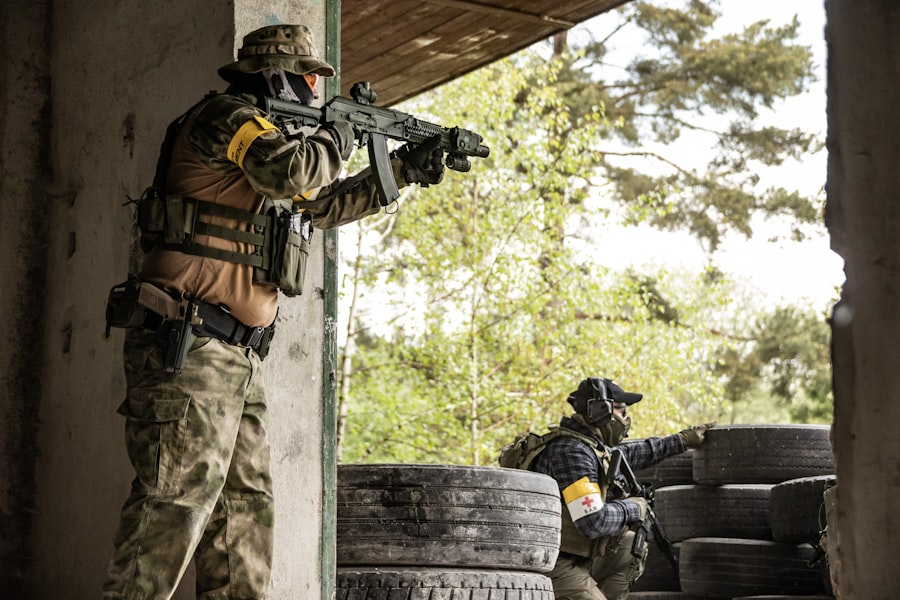
The inherent secrecy and the often-sensitive nature of covert operations inevitably lead to significant ethical and legal quandaries. The absence of public scrutiny, the potential for unintended consequences, and the blurred lines between intelligence gathering and outright intervention raise profound questions about accountability and the rule of law.
The Paradox of Oversight and Accountability
A fundamental challenge in covert operations is maintaining adequate oversight without compromising the very secrecy that is essential for their success. Congressional committees are tasked with overseeing intelligence activities, but the classified nature of the information they receive can limit their ability to provide robust scrutiny. This creates a paradox where vital operations may be conducted with limited independent oversight, increasing the risk of abuses or policy missteps.
Whistleblowers and the Public Trust
Whistleblowers, individuals who expose wrongdoing within covert operations, often face severe repercussions, including prosecution. While their actions can bring crucial information to light and prompt reforms, they also highlight the tension between national security and the public’s right to know. The debate over the protection of whistleblowers and the balance between secrecy and transparency remains a persistent challenge.
The Morality of Intervention and Non-Intervention
Covert operations frequently involve intervening in the internal affairs of other nations, often by supporting factions or attempting to influence political outcomes. The ethical justification for such interventions is hotly debated. Proponents argue that they are necessary to prevent greater evils, such as the rise of hostile regimes or terrorist organizations. Critics, however, point to the potential for destabilization, human rights abuses, and the erosion of national sovereignty.
Unintended Consequences and Blowback
A recurring theme in the history of covert operations is the phenomenon of “blowback,” where the unintended consequences of an operation can lead to negative repercussions for the sponsoring nation. For example, the arming and training of Mujahideen fighters in Afghanistan during the Soviet-Afghan war contributed to the rise of militant groups that later posed a threat to the US. The complex interconnectedness of global politics means that even well-intentioned covert actions can have unforeseen and detrimental outcomes.
The Application of International Law
The application of international law to covert operations presents a significant challenge. Many covert actions, by their very nature, operate outside the established norms of state-to-state interactions. Questions arise regarding sovereignty, self-defense, and the use of force in contexts where attribution is intentionally obscured. The lack of clear legal frameworks can create a gray area where the legality and legitimacy of actions are difficult to assess.
Documenting the Undocumented: Methods of Uncovering Secrets

The very essence of covert operations makes their documentation a complex and often dangerous undertaking. However, a combination of persistent investigative efforts, technological advancements, and the willingness of individuals to break the silence has allowed for the gradual unveiling of these hidden narratives.
Investigative Journalism and Deep Dives
Investigative journalists have played a crucial role in shedding light on covert US military missions. Through meticulous research, the cultivation of sources, and the painstaking cross-referencing of information, they have been able to piece together the fragments of secret operations. These investigations often involve years of work, building trust with individuals who may be reluctant to speak due to fear or legal implications.
Source Cultivation and Verification
The cornerstone of investigative journalism in this field is the ability to identify and cultivate reliable sources. This requires not only professional interviewing skills but also an understanding of the specific operating environments and the motivations of individuals who may possess insider knowledge. Verifying the information obtained from these sources is paramount, often requiring multiple independent confirmations.
Accessing Declassified Information and Leaks
The gradual declassification of government documents, though often heavily redacted, can provide invaluable clues to past covert activities. Whistleblower leaks, while controversial, have also served as a powerful catalyst for revealing previously unknown operations. The careful analysis and contextualization of these documents and leaks are essential for building a comprehensive picture.
Academic Research and Historical Analysis
Academics and historians, working with available declassified materials, memoirs, and journalistic accounts, contribute to a deeper understanding of the history and evolution of covert operations. Their analytical frameworks help to contextualize these missions within broader geopolitical trends and to assess their long-term impacts.
Archival Research and Document Analysis
Academic researchers often spend years sifting through government archives, looking for any mentions of clandestine activities. The analysis of internal memos, policy directives, and after-action reports can provide critical insights into the planning, execution, and outcomes of covert operations.
Oral Histories and Testimonial Accounts
In addition to archival research, academics often conduct oral histories with individuals who were involved in or affected by covert operations. While these accounts must be approached with critical analysis, they can offer unique perspectives and fill in gaps left by official documentation.
Recent discussions surrounding secret American military operations have brought to light various aspects of covert activities that often remain hidden from the public eye. For those interested in exploring this topic further, a related article can be found at In the War Room, which delves into the complexities and implications of these clandestine missions. Understanding the nuances of such operations is crucial for grasping the broader context of national security and military strategy.
The Future of Covert Operations: Evolving Threats and Evolving Tactics
| Operation Name | Location | Objective | Duration |
|---|---|---|---|
| Operation Neptune Spear | Abbottabad, Pakistan | Elimination of Osama bin Laden | May 2, 2011 |
| Operation Inherent Resolve | Middle East | Combatting ISIS | 2014 – Present |
| Operation Enduring Freedom | Afghanistan | Counter-terrorism and nation-building | 2001 – 2014 |
As the global landscape continues to shift, so too will the nature and scope of covert US military operations. Emerging threats, from sophisticated state-sponsored cyberattacks to the proliferation of advanced weaponry and the challenges of navigating an increasingly interconnected world, will necessitate further adaptation and innovation.
The Digital Frontier and the New Battlefield
The ongoing digitalization of global society means that future covert operations will likely be increasingly focused on the cyber domain. This includes offensive cyber warfare capabilities, the use of disinformation campaigns to influence public opinion in adversary nations, and the protection of critical US infrastructure from cyber threats. The lines between espionage, sabotage, and warfare are likely to become increasingly blurred.
Artificial Intelligence and Autonomous Systems
The integration of artificial intelligence (AI) into military operations, including covert actions, is an inevitable development. AI can enhance intelligence analysis, enable more sophisticated autonomous surveillance, and potentially even control unmanned weapon systems in clandestine environments. The ethical and strategic implications of AI-driven covert operations are vast and will require careful consideration.
The Rise of Hybrid Warfare and Grey Zone Conflict
The concept of “hybrid warfare,” which blends conventional and unconventional tactics, often operating below the threshold of open conflict, is becoming increasingly prevalent. Covert operations are a natural fit for this type of engagement, allowing nations to exert influence, disrupt adversaries, and achieve strategic objectives without triggering a full-scale military response. Navigating these “grey zones” will be a defining characteristic of future geopolitical competition.
Deniable Operations and Strategic Ambiguity
The ability to conduct deniable operations and maintain strategic ambiguity will remain a key element of future covert action. This allows nations to exert pressure and achieve objectives while avoiding direct attribution and the potential for escalation. The skillful management of perception and information will be as crucial as the operational execution itself.
The Persistent Need for Human Intelligence
Despite the advancements in technology, the fundamental need for human intelligence is unlikely to diminish. Understanding the motivations, intentions, and cultural nuances of adversaries remains a critical aspect of effective covert operations. The human element, with its capacity for judgment, intuition, and adaptability, will continue to be indispensable in navigating the complexities of the clandestine world.
In conclusion, covert US military missions are an integral, albeit often unseen, component of American national security strategy. Their history is a testament to the evolving nature of global conflict, from the ideological battles of the Cold War to the asymmetric threats of the 21st century. Uncovering these secret operations is a continuous process, demanding vigilance, critical analysis, and a commitment to understanding the complex interplay of power, secrecy, and consequence that defines this hidden dimension of modern warfare and diplomacy. The ethical and legal challenges they present are profound and will continue to shape the debate about their role and accountability in the years to come.
The Vietnam Plot That Made Soldiers Fear Their Own Guns
FAQs
What are secret American military operations?
Secret American military operations are classified missions carried out by the United States military that are not publicly disclosed or acknowledged. These operations may include covert actions, special forces missions, intelligence gathering, and other sensitive activities.
How are secret American military operations authorized?
Secret American military operations are authorized by the President of the United States, often in consultation with the National Security Council and other key advisors. These operations may be conducted under the authority of various government agencies, including the Department of Defense and the Central Intelligence Agency.
What is the purpose of secret American military operations?
The purpose of secret American military operations is to advance the national security interests of the United States. These operations may be conducted to gather intelligence, disrupt enemy activities, support allies, or carry out other strategic objectives. They are often used in situations where overt military action may not be feasible or desirable.
How are secret American military operations different from regular military operations?
Secret American military operations differ from regular military operations in that they are conducted with a high level of secrecy and often involve specialized units or tactics. These operations may be carried out in denied or hostile environments, and may not be publicly acknowledged by the US government.
What oversight is in place for secret American military operations?
Secret American military operations are subject to oversight by various government entities, including congressional committees, the Department of Defense, and the intelligence community. While the details of these operations may be classified, they are still subject to legal and ethical standards, and are monitored to ensure compliance with US laws and policies.