The morning of December 7, 1941, dawned bright and deceptively peaceful over Pearl Harbor. The United States Pacific Fleet, a formidable force representing American naval power in the Pacific, was at anchor, its battleships majestically arrayed along Ford Island. Sailors enjoyed a rare Sunday morning of relaxation, the scent of salt air and blooming hibiscus filling their senses. Few could have anticipated the sudden, brutal awakening that would forever etch this date into the annals of history. This article seeks to remember that fateful day, exploring the events, the human cost, and the enduring legacy of the attack on Pearl Harbor.
The tranquility of that Hawaiian Sunday was shattered with unprecedented violence. Without declaration of war, without warning, a wave of Japanese aircraft descended from the skies, their rising sun insignia a chilling harbinger of destruction. The attack, meticulously planned and executed by the Imperial Japanese Navy, was designed to cripple the Pacific Fleet and pave the way for Japanese expansion across Southeast Asia and the Pacific.
The First Wave: A Torrent of Bombs and Torpedoes
The initial assault commenced just before 8:00 AM local time. A swarm of torpedo bombers and dive bombers, flying low and fast, targeted the unsuspecting battleships. The element of surprise was absolute. Sailors, roused from their slumber by the thunderous roar of engines and the explosion of ordnance, scrambled to their stations, many still in their pajamas. The air filled with the acrid smell of smoke and the cries of wounded men.
The Battleships Bear the Brunt
The iconic battleships, the pride of the fleet, became primary targets. The USS Arizona was struck by an armor-piercing bomb that detonated her forward magazine, causing a catastrophic explosion that ripped the ship apart. She sank in minutes, taking with her over a thousand sailors. The USS Oklahoma, capsized by torpedoes, trapped hundreds of men inside her hull. Other battleships, including the USS West Virginia, USS California, and USS Nevada, suffered extensive damage, some partially or fully submerged. The sheer ferocity of the attack overwhelmed the defenses, which were largely unprepared for such an onslaught.
Other Naval Vessels Under Attack
The devastation was not confined to the battleships. Cruisers, destroyers, and auxiliary vessels also came under fire. The USS Utah, a former battleship converted into a target ship, was torpedoed and capsized. Planes strafed airfields, destroying American aircraft on the ground before they could even get airborne. The coordinated nature of the attack demonstrated the formidable capabilities of the Japanese air arm.
The Second Wave: Continued Devastation
Following a brief lull, a second wave of Japanese aircraft arrived, continuing the assault. While the initial shock had begun to wear off and some defensive measures were being put in place, the renewed attack inflicted further damage. The focus shifted to other vital infrastructure and remaining vessels.
Targeting Repair Facilities and Fuel Depots
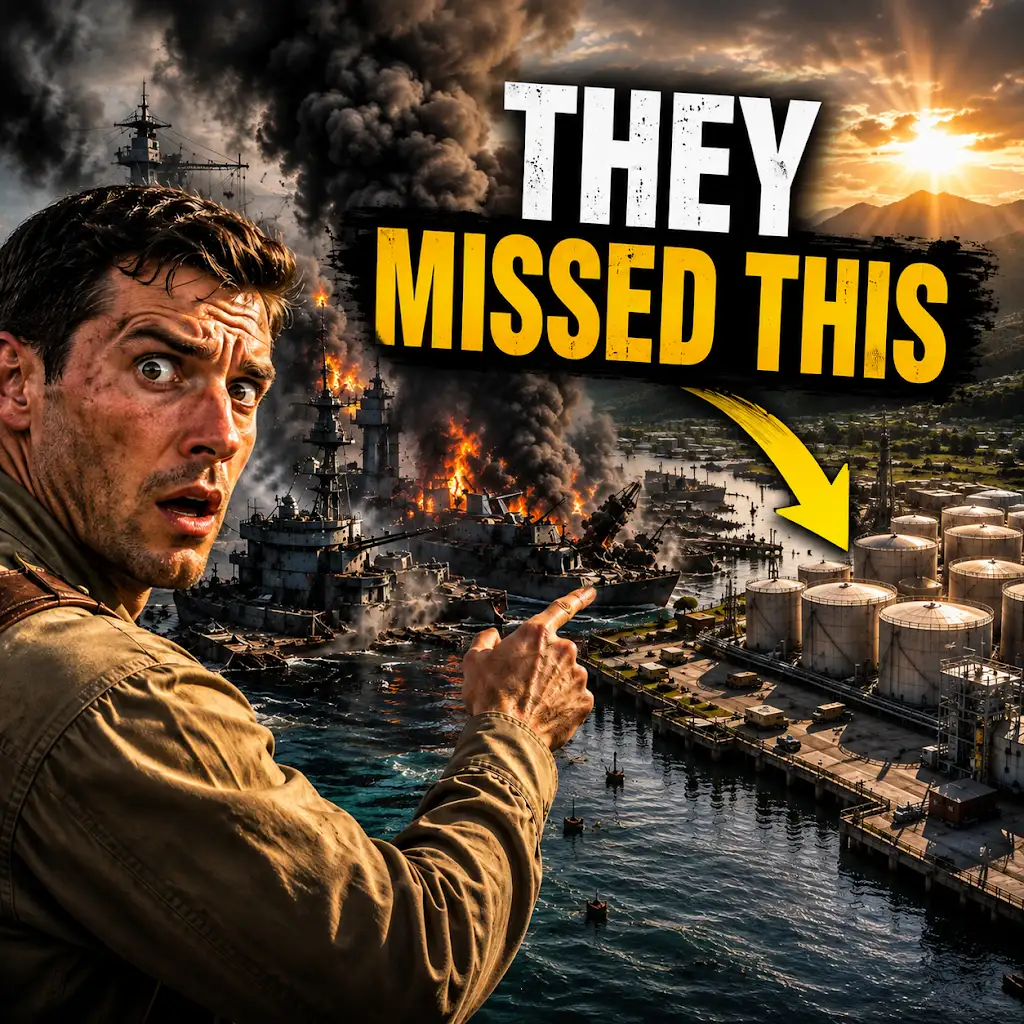
The Japanese pilots also targeted oil storage tanks and repair facilities, aiming to cripple the fleet’s ability to wage war even if some ships survived the initial onslaught. The destruction of fuel reserves would have had long-term consequences for the Pacific Fleet’s operational capacity.
The USS Nevada‘s Brave Stand
The USS Nevada attempted to get underway during the attack, a testament to the courage and determination of her crew. She steamed out of the harbor under heavy fire, aiming to reach open sea. Despite being hit by numerous bombs and torpedoes, she managed to beach herself near Hospital Point, preventing her from sinking in the channel and blocking access for other ships. Her courageous act, though ultimately unsuccessful in saving herself from significant damage, represented a flicker of defiance in the face of overwhelming odds.
The events surrounding the Pacific Fleet on December 7, 1941, marked a pivotal moment in World War II, leading to significant changes in naval strategy and military engagement. For a deeper understanding of the implications of this attack and its aftermath, you can read a related article that explores the broader context of the Pacific Theater during this critical period. For more information, visit this article.
The Human Cost: Lives Lost and Heroes Forged
Beyond the shattered hulls and plumes of smoke, the attack on Pearl Harbor represented a profound human tragedy. Families were shattered, futures extinguished, and lives irrevocably altered. Yet, amidst the chaos and despair, acts of extraordinary bravery and sacrifice emerged, illuminating the indomitable spirit of those who served.
The Fallen: A Catalog of Loss
The official casualty count stands at 2,403 Americans killed and 1,178 wounded. This number represents pilots, sailors, Marines, and civilians who were present at Pearl Harbor that fateful morning. Each statistic represents a unique individual, a son, a husband, a friend, whose life was cut short. The loss of life was staggering, a stark reminder of the brutal realities of modern warfare.
The Crew of the USS Arizona: A Symbol of Sacrifice
The USS Arizona became a silent, submerged tomb for over a thousand men. The catastrophic explosion and rapid sinking made rescue impossible for many. The sheer scale of the loss from this single vessel underscored the devastating impact of the attack. Their sacrifice has become a powerful symbol of the day’s tragedy, commemorated by the memorial that now stands above their watery grave.
Other Vessels and Their Losses
Other ships also suffered heavy casualties. The USS Oklahoma lost 429 men. The USS West Virginia lost 103. The USS California lost 43. These numbers, while significant, do not fully capture the individual stories of bravery, fear, and loss experienced by those aboard these vessels.
Acts of Heroism: Courage in the Face of Adversity
In the midst of the destruction, numerous acts of heroism took place. Sailors, without regard for their own safety, fought fires, rescued their shipmates, and manned anti-aircraft guns. Their courage and selflessness in the face of imminent danger were extraordinary.
Medics and Firefighters: Battling the Flames and Wounds
Naval medics and firefighters worked tirelessly to save lives amidst the inferno. They ran into burning buildings and onto damaged ships, tending to the wounded and battling the raging fires with limited resources and under constant threat. Their dedication to duty was remarkable.
Sailors Manning Guns: Fighting Back Against the Attackers
Despite the overwhelming odds and the lack of adequate preparation, many sailors managed to man anti-aircraft guns and provide what little defensive fire they could. They fought bravely against the attacking aircraft, inflicting some damage on the enemy planes and demonstrating their resolve.
The Aftermath: A Nation Roused to War
The attack on Pearl Harbor was a devastating blow to American military power and national pride. However, it also served as a catalyst, galvanizing the nation and propelling the United States into World War II. The surprise and brutality of the attack erased any lingering doubts about the necessity of engaging in the global conflict.
President Roosevelt’s Call to Arms: “A Date Which Will Live in Infamy”
The day after the attack, President Franklin D. Roosevelt addressed a joint session of Congress, delivering his iconic “a date which will live in infamy” speech. His words resonated deeply with the American public, articulating the profound injustice of the attack and solidifying the nation’s resolve to fight.
Declaration of War: Entering the Global Conflict
Following the President’s address, Congress overwhelmingly declared war on Japan. This marked the official entry of the United States into World War II, transforming the global conflict into a truly worldwide conflagration. The declaration of war on Germany and Italy soon followed, solidifying the Allied front.
The Pacific Fleet Rebuilds: Resilience and Determination
Though severely damaged, the Pacific Fleet was not destroyed. The attack had failed to hit vital repair facilities and fuel reserves as thoroughly as the Japanese had hoped. This allowed for a remarkably swift rebuilding and refitting process. The spirit of resilience and determination within the Navy was evident as crews worked tirelessly to get ships back into service.
Lessons Learned: Adapting Naval Warfare
The attack provided invaluable, albeit painful, lessons for naval warfare. The vulnerability of battleships to air power was starkly demonstrated, leading to a greater emphasis on aircraft carriers and air superiority in future naval engagements. The importance of intelligence and preparedness was also highlighted.
The Role of Submarines: A Shadowy Presence
While the battleships bore the brunt of the visible attack, American submarines, though not directly involved in the initial defense, played a crucial role throughout the war. Their silent patrols and devastating attacks on Japanese shipping would prove vital in disrupting enemy supply lines and ultimately contributing to Japan’s defeat.
Remembering Pearl Harbor: Legacy and Commemoration
Decades later, the attack on Pearl Harbor remains a pivotal moment in American history. The site of the attack is now a solemn memorial, a place of reflection and remembrance for the sacrifices made and the lessons learned.
The USS Arizona Memorial: A Sacred Site
The USS Arizona Memorial, a stark white structure built over the submerged remains of the battleship, is the most prominent symbol of remembrance. Visitors from around the world come to pay their respects, reflecting on the lives lost and the profound impact of that day. The oil that continues to weep from the sunken vessel, known as “the black tears of the Arizona,” serves as a constant, poignant reminder.
The Tomb of the Unknown Sailor: A Symbol of All Sacrifices
While not directly at Pearl Harbor, the Tomb of the Unknown Soldier at Arlington National Cemetery serves as a broader symbol of the sacrifices made by all those who served and died in World War II. The spirit of remembrance extends beyond the specific site of the attack to encompass the entire war effort.
Museums and Exhibitions: Preserving the History
Numerous museums and exhibitions across the United States and in Hawaii are dedicated to preserving the memory of Pearl Harbor. These institutions house artifacts, photographs, and personal accounts, ensuring that future generations can understand the significance of this event and the sacrifices of those who lived through it.
Oral Histories and Personal Testimonies: Voices from the Past
The personal stories of survivors, veterans, and those who lived through the attack are invaluable in understanding the human dimension of Pearl Harbor. Oral histories and personal testimonies provide a direct link to the past, offering intimate glimpses into the fear, bravery, and enduring impact of that fateful day.
The Enduring Spirit of Resilience: A Nation United
The attack on Pearl Harbor, while a tragedy, also showcased the extraordinary resilience of the American spirit. The nation, though stunned and angered, rallied together, determined to overcome the adversity and emerge victorious. This spirit of unity and determination in the face of profound challenge continues to be a source of inspiration.
On December 7, 1941, the Pacific Fleet faced a devastating surprise attack at Pearl Harbor, which marked a pivotal moment in World War II. This event not only led to the United States’ entry into the war but also significantly altered the balance of naval power in the Pacific. To gain a deeper understanding of the implications of this attack and its aftermath, you can read a related article that explores the broader context of the Pacific Fleet’s operations during this critical period. For more information, visit this article.
The Broader Implications: A Turning Point in History
| Metrics | Data |
|---|---|
| Ships | 8 battleships, 8 cruisers, 30 destroyers, 4 submarines, and 49 other vessels |
| Aircraft | 353 aircraft |
| Casualties | 2,403 killed, 1,178 wounded |
| Damage | 4 battleships sunk, 4 battleships damaged, 3 cruisers damaged, 3 destroyers damaged, 1 other ship sunk, and 188 aircraft destroyed |
The attack on Pearl Harbor had far-reaching consequences, not only for the United States but for the entire course of World War II and the post-war world order. It fundamentally altered the geopolitical landscape and ushered in a new era of global conflict.
The Shift in Naval Warfare: The Rise of the Aircraft Carrier
The success of Japanese carrier-based aircraft in disabling the battleship fleet at Pearl Harbor marked a definitive shift in naval warfare. The era of the battleship as the dominant capital ship drew to a close, and the aircraft carrier ascended to its place of paramount importance. This strategic evolution would define naval combat for decades to come.
The Doolittle Raid: A Retaliatory Blow
In a bold and morale-boosting retaliatory strike, the United States launched the Doolittle Raid just a few months after Pearl Harbor. While militarily of limited strategic impact, this audacious bombing mission against Tokyo sent a powerful message to Japan and the world that the United States would not stand idly by.
The Pacific Theater Intensifies: A Long and Bloody Struggle
The attack plunged the United States into a brutal and protracted conflict in the Pacific. The ensuing years would witness some of the fiercest fighting of World War II, from the island-hopping campaigns to the naval battles that would shape the outcome of the war.
The Cost of Victory: The Ultimate Sacrifice
The path to victory in the Pacific was paved with immense sacrifice. The battles of Guadalcanal, Iwo Jima, Okinawa, and countless others resulted in staggering casualties on both sides. The memory of Pearl Harbor served as a constant reminder of the stakes involved and the ultimate price of freedom.
The Dawn of the Nuclear Age: A Changed World
The end of World War II, hastened by the use of atomic bombs on Hiroshima and Nagasaki, ushered in the nuclear age. The development and deployment of these devastating weapons, a direct consequence of the global conflict that began for America with the attack on Pearl Harbor, irrevocably altered the nature of warfare and international relations.
The events of December 7, 1941, were a stark reminder of the fragility of peace and the devastating consequences of unchecked aggression. Remembering Pearl Harbor is not merely an act of historical recollection; it is a commitment to understanding the sacrifices made, honoring the courage displayed, and striving for a future where such a tragedy is never repeated. The echoes of that fateful Sunday morning continue to resonate, a solemn testament to the enduring impact of a day that forever changed the world.
Japan Won Pearl Harbor—So Why Did It Lose the War?
FAQs
What was the Pacific Fleet?
The Pacific Fleet was the United States Navy fleet stationed in the Pacific Ocean during World War II. It was one of the primary forces responsible for defending the United States and its interests in the Pacific theater.
What happened to the Pacific Fleet on December 7, 1941?
On December 7, 1941, the Pacific Fleet suffered a devastating surprise attack by the Imperial Japanese Navy at Pearl Harbor, Hawaii. The attack resulted in significant damage to the fleet and led to the United States’ entry into World War II.
What were the consequences of the attack on the Pacific Fleet?
The attack on the Pacific Fleet at Pearl Harbor resulted in the loss of several battleships, cruisers, and destroyers, as well as the deaths of over 2,400 American military personnel and civilians. The attack also led to a declaration of war by the United States against Japan and its entry into World War II.
How did the Pacific Fleet recover from the attack?
Following the attack on Pearl Harbor, the Pacific Fleet underwent a massive rebuilding and reorganization effort. New ships were constructed, damaged vessels were repaired, and the fleet was strengthened to continue its operations in the Pacific theater.
What role did the Pacific Fleet play in the outcome of World War II?
The Pacific Fleet played a crucial role in the Allied victory in the Pacific theater during World War II. It participated in numerous battles and campaigns, including the pivotal Battle of Midway, and ultimately contributed to the defeat of the Imperial Japanese Navy and the liberation of the Pacific islands.