The predawn darkness over Pearl Harbor on December 7, 1941, was shattered by the thunderous roar of Japanese aircraft. Waves of bombers, torpedo planes, and fighters descended upon the unsuspecting American Pacific Fleet, unleashing a devastating assault. The goal was clear: cripple the United States’ naval power in the Pacific and pave the way for Japan’s expansionist ambitions. Yet, amidst the chaos and destruction, a curious anomaly emerged. While the battleships were ravaged, their fuel tanks, vital to sustaining a naval war, were largely untouched. This seemingly paradoxical omission has fueled debate and speculation for decades, prompting historians and strategists to delve into the intricate calculations and considerations that shaped Japan’s decision. The sparing of Pearl Harbor’s fuel reserves was not an oversight; it was a calculated, albeit ultimately flawed, strategic decision rooted in a complex interplay of military doctrine, resource limitations, and ambitious objectives.
The Japanese attack on Pearl Harbor was conceived as a decisive blow, a preemptive strike designed to neutralize the United States Pacific Fleet and buy Japan time to secure its burgeoning empire in Southeast Asia and the Pacific. Admiral Isoroku Yamamoto, the architect of the plan, understood that a protracted war with the industrial behemoth that was America would be a losing proposition for Japan. His strategy hinged on a swift, overwhelming victory that would demoralize the Americans and force them to negotiate a peace settlement favorable to Japan, or at least a prolonged period of indecisiveness.
Yamamoto’s Grand Vision: The Gamble of a Limited War
Admiral Yamamoto, a graduate of Harvard University and a keen observer of Western military thought, was acutely aware of America’s industrial might and vast manpower reserves. He recognized that a war of attrition would inevitably favor the United States. Therefore, his strategy for Pearl Harbor was not to annihilate the American navy entirely, but rather to inflict such a severe blow that it would be incapacitated for an extended period. This would allow Japan to consolidate its gains in Southeast Asia, establish a defensive perimeter, and potentially negotiate an end to hostilities before the full weight of American industrial capacity could be brought to bear.
The “Decisive Battle” Doctrine: A Lingering Influence
The Imperial Japanese Navy, like many navies of the era, was heavily influenced by the “decisive battle” doctrine, most famously espoused by Alfred Thayer Mahan. This doctrine emphasized the importance of concentrating naval forces for a single, overwhelming engagement that would cripple the enemy’s fleet and secure command of the seas. While Yamamoto’s plan was a departure from a single, climactic surface battle, it still embodied the spirit of a swift, decisive strike designed to achieve a decisive strategic advantage. The focus was on incapacitating the enemy’s capital ships – the battleships and aircraft carriers – as they represented the core of naval power projection.
The Economic and Resource Landscape: Japan’s Vulnerabilities
Japan was a nation with limited natural resources, particularly oil. Its industrial and military expansion was heavily reliant on imported raw materials, especially from the United States. This dependence made Japan incredibly vulnerable to economic sanctions and blockades. Therefore, a prolonged war of attrition, which would undoubtedly involve the destruction of fuel supplies, was a scenario that Japan sought to avoid at all costs. This awareness of its resource constraints played a significant role in shaping the objectives of the Pearl Harbor attack.
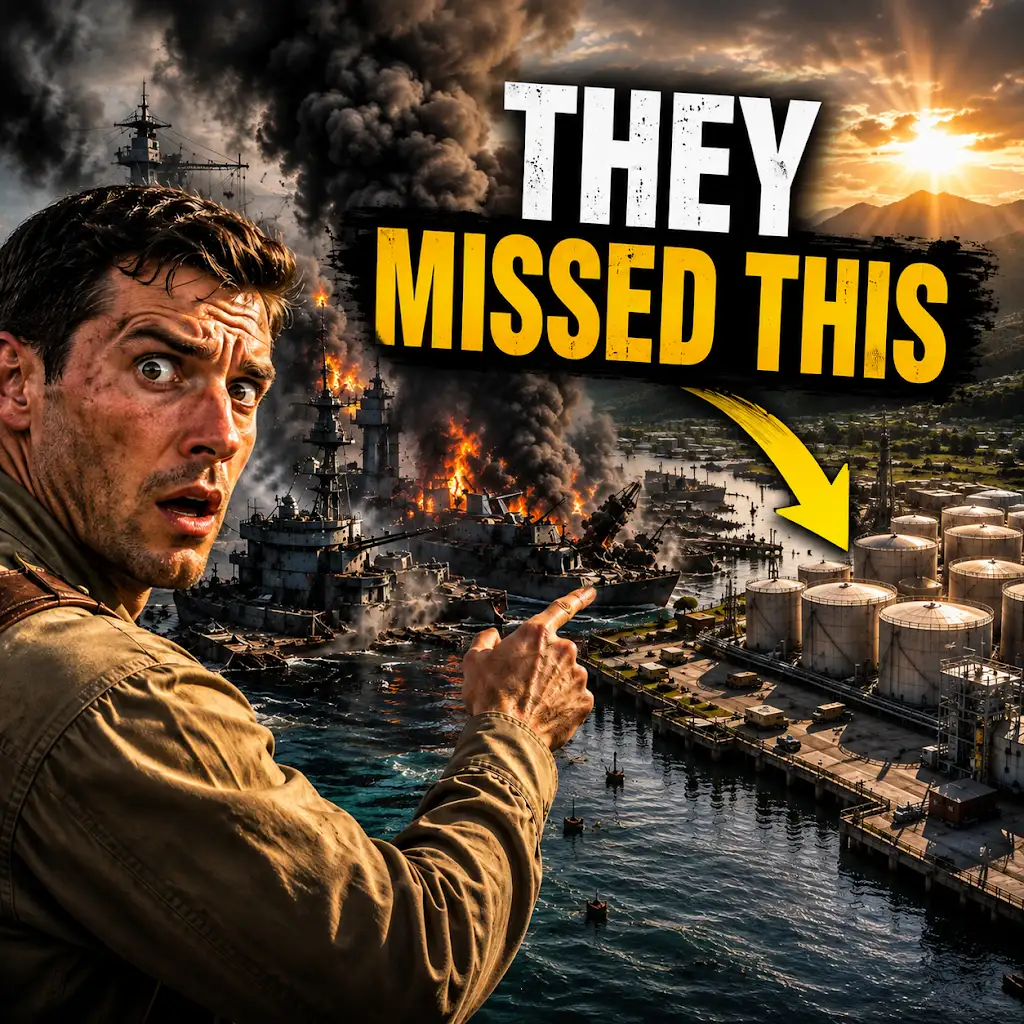
One intriguing aspect of the attack on Pearl Harbor is the decision by Japanese forces not to target the fuel tanks, which were crucial to the U.S. Pacific Fleet’s operations. This strategic choice has been the subject of much analysis and speculation. For a deeper understanding of the implications and reasoning behind this decision, you can read a related article that explores the military strategies and historical context surrounding the attack. Check it out here: Why Japan Didn’t Bomb Pearl Harbor Fuel Tanks.
The Targeting Calculus: What Was Most Important to Destroy?
The selection of targets at Pearl Harbor was a meticulous process, driven by strategic priorities. The primary objective was to neutralize the American battleships, the symbols of American naval power and a significant threat to Japan’s westward expansion. Aircraft carriers, though increasingly recognized for their potential, were not present in large numbers at Pearl Harbor on that fateful day, adding another layer of complexity to the targeting decisions.
The Battleships as the Primary Objective
The battleships were the undisputed titans of naval warfare in the pre-World War II era. They represented the ultimate platform for projecting power and engaging the enemy fleet in a decisive battle. Japan’s naval planners correctly identified the American battleships as the most significant threat to their ambitions in the Pacific. Their destruction or incapacitation would severely cripple the United States’ ability to contest Japanese control over the vast expanse of the Pacific Ocean.
The “Capital Ship” Mentality: A Prevalent Naval Philosophy
For decades, naval strategy had revolved around the dominance of battleships. Their heavy armor and powerful main guns were seen as the ultimate arbiter of naval power. While aircraft carriers were gaining prominence, the traditional view of naval warfare still placed battleships at the apex of the naval hierarchy. Yamamoto and his staff were operating within this established paradigm, prioritizing the elimination of these formidable vessels.
The Strategic Significance of Crippling the Pacific Fleet
By destroying or disabling the battleships, Japan aimed to create a power vacuum in the Pacific. This would allow the Imperial Japanese Navy to operate with relative impunity, expanding its reach and establishing its new order without immediate naval opposition from the United States. The speed of this expansion was crucial, as it aimed to present the United States with a fait accompli, a situation so entrenched that challenging it would be prohibitively costly.
The Absence of Carriers: A Fortunate Coincidence and a Strategic Shift
The fact that the American aircraft carriers were not at Pearl Harbor on December 7th was a stroke of luck for the United States, but it also reflected a burgeoning strategic shift. The carriers USS Enterprise, Lexington, and Saratoga were either at sea or elsewhere on training exercises. This absence, while fortunate for American naval continuity, meant that a significant portion of American naval air power was not neutralized in the initial strike. This would prove to be a critical miscalculation on Japan’s part, as carriers would rapidly become the dominant force in naval warfare.
The Evolving Role of Aircraft Carriers: A Nascent Threat
While battleships still held a revered place, the potential of the aircraft carrier was becoming increasingly apparent to some naval strategists. The concept of launching aircraft from a moving platform to strike enemy vessels at long range was revolutionary. However, the full implications of this shift were not yet universally grasped, and the established doctrines often favored the traditional battleships.
The Impact of Carrier Presence on Japanese Targeting
Had the carriers been present and identified as primary targets, it is conceivable that Japan’s targeting priorities might have shifted. The devastation wrought by aircraft carriers on naval fleets during the war underscored their importance. However, in December 1941, the focus remained predominantly on the battleships.
The Fuel Tanks: A Question of Priority and Risk
The oil storage facilities at Pearl Harbor represented a significant strategic asset. Their destruction would have severely hampered the operational capacity of the United States Pacific Fleet. However, the decision to spare them was not a casual one. It involved a complex calculation of risk, reward, and the perceived urgency of other objectives.
The Immense Storage Capacity: A Tempting Target
Pearl Harbor was home to vast quantities of fuel oil, stored in massive tanks. This oil was the lifeblood of the fleet, enabling ships to operate for extended periods at sea. Destroying these facilities would have been a severe logistical blow to the American war effort, potentially forcing a withdrawal of ships and a prolonged period of replenishment.
The Strategic Impact of Depriving the Fleet of Fuel
Depriving the Pacific Fleet of its fuel reserves would have had immediate and far-reaching consequences. Ships would be grounded, operations would be curtailed, and the ability to project power across the vast Pacific would be severely diminished. This could have bought Japan invaluable time to consolidate its position.
The Potential for Incendiary Devastation: A Double-Edged Sword
The sheer volume of oil stored at Pearl Harbor meant that an attack on these facilities could have resulted in catastrophic fires, spreading beyond the intended targets and causing immense collateral damage. While destruction was the goal, the uncontrolled spread of fire presented a significant risk, not only to military assets but also to the civilian infrastructure of Oahu.
The Calculation of “Zero-Sum” Warfare: What to Destroy First?
The Japanese attack was a meticulously planned operation with a limited timeframe. Commanders on the ground had to make rapid decisions about the allocation of their limited resources and munitions. The calculus of “zero-sum” warfare dictates that every bomb or torpedo dropped on one target cannot be dropped on another.
Limited Munitions and Time Constraints
The Japanese carrier strike force carried a finite amount of ordnance. The decision to prioritize the destruction of battleships and airfields meant that other potentially valuable targets, like fuel depots, had to be weighed against these primary objectives. Time was also a critical factor; the attack was designed to be swift and overwhelming, leaving little room for extensive reconnaissance or re-evaluation of targets once the operation was underway.
The Risk of Incendiary Attacks on Fuel Tanks
While the idea of destroying fuel tanks was strategically appealing, the methods available posed a significant risk. Torpedoes were primarily designed for ships, and bombing stationary fuel tanks, especially large ones, could be less effective than intended. Furthermore, the potential for uncontrolled fires, as mentioned earlier, might have been a deterrent for some commanders, especially if they feared the fires would spread to their own attacking forces or to areas outside their direct control.
The Operational Doctrine of the Japanese Navy: Focus on Ships
The operational doctrine of the Imperial Japanese Navy, like most navies at the time, was primarily focused on engaging and destroying enemy warships. The training and doctrine emphasized striking enemy vessels directly. While infrastructure was important, the immediate destruction of the enemy’s fighting force was the paramount concern.
The Emphasis on Direct Naval Engagement
The training of Japanese naval pilots and torpedo crews was geared towards attacking ships. The precise targeting of moving vessels, often at high speed and under fire, was the skill they honed. While they possessed the capability to attack land-based targets, their primary operational focus was on naval combat.
The “Shock and Awe” Factor: Destroying the Symbols of Power
The psychological impact of sinking battleships was immense. These were the visible symbols of American naval power. Their destruction would have sent a powerful message of Japanese strength and American vulnerability, aligning with Yamamoto’s goal of achieving a demoralizing victory.
The “Unseen” Element: Intelligence and the Uncertainty of Carrier Location
While the focus has often been on what was targeted, the intelligence picture available to the Japanese on the eve of the attack also played a role. The exact location of the American aircraft carriers was a crucial piece of intelligence that remained elusive, influencing the overall strategic calculus.
The Elusive Carriers: A Blind Spot in Japanese Intelligence
Despite their extensive intelligence-gathering efforts, the Japanese were not entirely certain of the precise location of all American aircraft carriers on December 7, 1941. This uncertainty contributed to a strategic dilemma: should they dedicate precious resources to searching for potentially absent carriers, or focus on the guaranteed presence of the battleships?
The Limited Effectiveness of Pre-Attack Reconnaissance
While reconnaissance aircraft were launched, their ability to comprehensively sweep the vastness of the Pacific and pinpoint the exact locations of all American naval assets was limited. The vast distances involved and the potential for enemy ships to be dispersed made it a challenging task.
The “What If” Scenario: The Impact of Carrier Destruction
The absence of carriers at Pearl Harbor allowed the United States to rebuild and expand its carrier fleet, which would ultimately play a decisive role in the Pacific War. Had the carriers been present and destroyed, the course of the war might have been significantly different. This highlights the critical nature of intelligence and the risks associated with operating with incomplete information.
The Strategic Implication of Carrier Presence: A Different Attack Plan?
If Japanese intelligence had definitively known the location of the American carriers and that they were indeed at Pearl Harbor, it is highly probable that the attack plan would have been significantly altered. Aircraft carriers would have become a primary target, potentially eclipsing even the battleships in terms of importance.
Prioritizing Air Superiority: A Shift in Objectives
The destruction of enemy aircraft carriers would have been a critical step towards achieving air superiority in the Pacific. This would have allowed Japanese aircraft to operate with greater freedom and effectiveness, both at sea and in supporting amphibious operations.
The Unforeseen Dominance of Carrier Warfare
The subsequent decades of naval warfare would demonstrate the undeniable dominance of aircraft carriers. The Battle of Midway, a pivotal turning point in the Pacific War, was largely a carrier-versus-carrier engagement. Japan’s failure to destroy the American carriers at Pearl Harbor was a fundamental strategic miscalculation that had profound consequences.
The decision by Japan not to target the fuel tanks at Pearl Harbor has been a topic of much debate among historians, as it could have significantly impacted the outcome of the attack. Some argue that the Japanese aimed to deliver a decisive blow to the U.S. Pacific Fleet, believing that destroying battleships would be more effective than targeting fuel supplies. For a deeper understanding of this strategic choice and its implications, you can read more in this insightful article on the subject. The complexities of military strategy during World War II continue to fascinate scholars and enthusiasts alike, making it a rich area for exploration. For further details, check out this related article.
The Post-Attack Realization: A Missed Opportunity or a Necessary Sacrifice?
| Reasons | Metrics |
|---|---|
| Lack of intelligence | Japanese intelligence did not have accurate information about the location and significance of the fuel tanks at Pearl Harbor |
| Focus on primary targets | The primary targets for the Japanese attack were the battleships and aircraft carriers, which were considered more strategically important than the fuel tanks |
| Time and resources | The limited time and resources available for planning and executing the attack meant that the Japanese had to prioritize their targets, and the fuel tanks were not considered a top priority |
In the aftermath of the devastating attack, the realization that the fuel reserves had been spared became a point of contention and analysis. Was this a missed opportunity to inflict even greater damage, or was it a calculated sacrifice deemed necessary to achieve the primary objectives of the attack?
The Debate Among Historians and Strategists: Was it a Mistake?
The sparing of the fuel tanks has been a recurring subject of debate among military historians and strategists. Some argue that it was a significant oversight, a failure to exploit a critical vulnerability that would have crippled the American fleet far more severely. Others contend that the Japanese attack was already pushing the boundaries of risk and resource allocation, and that focusing on the battleships was the most logical and achievable goal.
The “What Could Have Been” Scenario: A Hypothetical Catastrophe
Historians often explore the hypothetical scenarios of what might have happened had the fuel tanks been destroyed. The crippling effect on the Pacific Fleet, the extended timeline for American recovery, and the potential for Japan to achieve its strategic objectives unimpeded are all part of this speculative analysis.
The Constraints of Real Warfare: Not a Video Game
It is important to remember that warfare is not a video game where objectives can be reset or optimized at will. Commanders operate under immense pressure, with limited information and finite resources. Decisions made in the heat of battle are often based on the best available intelligence and strategic priorities at that specific moment.
The Japanese Perspective: A Calculated Risk for a Defined Goal
From the Japanese perspective, the attack was a success in its primary objective of crippling the American battleships. While the fuel reserves remained, the operational capacity of the fleet was severely diminished. The strategic gamble was that this initial blow would be sufficient to achieve their broader goals.
The “Limited War” Strategy: A Short, Sharp Shock
Yamamoto’s strategy was predicated on the idea of a short, sharp shock, not a prolonged war of attrition. The destruction of the battleships was designed to achieve this shock and awe, forcing the United States to the negotiating table. The fuel tanks, while valuable, were secondary to the immediate neutralization of the enemy’s capital ships.
The Long-Term Consequences: An Unforeseen Escalation
The ultimate failure of the Japanese strategy lay in their underestimation of the American will to fight and their industrial capacity to rebound. The attack, instead of forcing negotiation, galvanized American resolve and led to a full-scale commitment to total war, a conflict that Japan, with its limited resources, could not ultimately win.
The Legacy of the Decision: Lessons Learned and Enduring Mysteries
The decision to spare Pearl Harbor’s fuel tanks remains a compelling case study in strategic decision-making, highlighting the complexities of military planning, the influence of doctrine, and the critical role of intelligence. It serves as a reminder that even the most meticulously planned operations can have unforeseen consequences.
The Strategic Lessons of Pearl Harbor: Beyond the Obvious
The attack on Pearl Harbor offers numerous strategic lessons, extending far beyond the immediate destruction of ships and aircraft. It underscores the importance of understanding the enemy’s motivations, capabilities, and vulnerabilities, as well as the need for adaptability in the face of evolving military technology and doctrine.
The Perils of Underestimating the Enemy: A Recurring Theme
Japan’s underestimation of the American will to fight and their industrial resilience proved to be a fatal flaw in their strategic calculus. This is a timeless lesson that has been repeated throughout history in various conflicts.
The Importance of Adaptability in Warfare: The Rise of the Carrier
The war at sea in the Pacific rapidly evolved into a carrier-dominated conflict. Japan’s initial focus on battleships, while understandable given the doctrines of the time, left them ill-prepared for this shift, especially after failing to neutralize the American carrier force.
The Enduring Mystery: A Puzzle for Future Generations
While historical analysis has shed considerable light on the decision-making process behind the Pearl Harbor attack, the question of the fuel tanks continues to intrigue. Was it a calculated omission, a tactical prioritization, or a subtle hint of a more complex strategy that remains to be fully understood?
The Human Element: The Pressures of Command and the Fog of War
The human element, with its inherent pressures, biases, and the inherent fog of war, can never be entirely removed from historical analysis. The decisions made by individuals in critical moments are often a complex interplay of logic, intuition, and circumstance.
The Ongoing Quest for Understanding: A Testament to Strategic Thinking
The enduring fascination with why Pearl Harbor’s fuel tanks were spared is a testament to the enduring importance of strategic thinking. It encourages us to examine past decisions, learn from them, and to continue to grapple with the fundamental questions of how nations plan for and wage war. The echoes of that fateful morning continue to resonate, offering valuable insights into the intricate dance of strategy, power, and consequence.
Japan Won Pearl Harbor—So Why Did It Lose the War?
FAQs
1. What was the reason Japan did not bomb Pearl Harbor fuel tanks?
Japan did not bomb the fuel tanks at Pearl Harbor because they were not considered a primary military target. The main objectives of the attack were to destroy the Pacific Fleet’s battleships, aircraft carriers, and aircraft.
2. What were the primary targets of the Japanese attack on Pearl Harbor?
The primary targets of the Japanese attack on Pearl Harbor were the battleships, aircraft carriers, and aircraft of the Pacific Fleet. The goal was to cripple the US Navy’s ability to project power in the Pacific.
3. Did Japan consider targeting the fuel tanks at Pearl Harbor?
While the Japanese did consider targeting the fuel tanks at Pearl Harbor, they ultimately decided against it in favor of focusing on the more strategically important military assets of the Pacific Fleet.
4. What impact did the decision not to bomb the fuel tanks have on the attack on Pearl Harbor?
The decision not to bomb the fuel tanks at Pearl Harbor did not significantly impact the overall success of the attack. The Japanese achieved their primary objectives of crippling the US Pacific Fleet and gaining a strategic advantage in the Pacific.
5. Were there any strategic reasons for Japan to avoid targeting the fuel tanks at Pearl Harbor?
Strategically, Japan’s decision to avoid targeting the fuel tanks at Pearl Harbor was based on the belief that destroying the Pacific Fleet’s battleships, aircraft carriers, and aircraft would have a greater impact on the US Navy’s ability to respond to Japanese expansion in the Pacific.