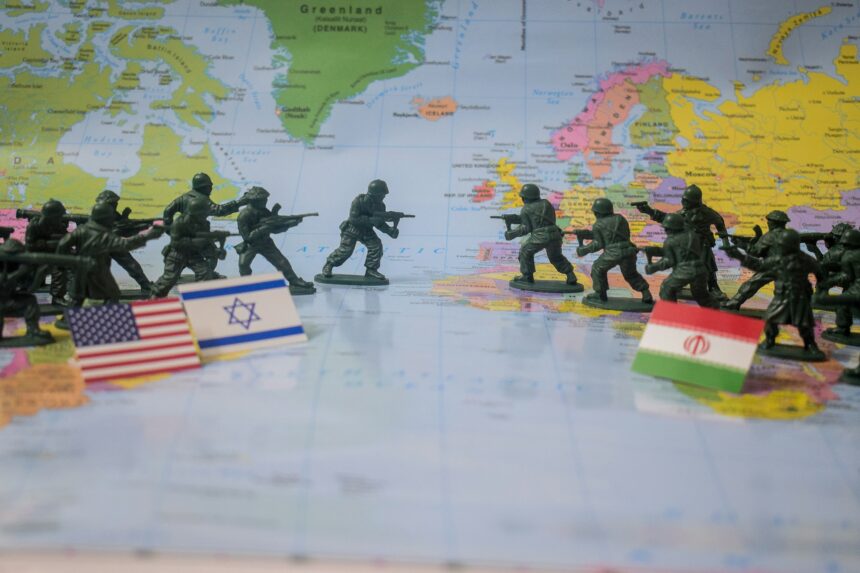
The repercussions of the Iran War, a hypothetical but increasingly plausible conflict, would send shockwaves far beyond the Middle East, significantly impacting Taiwan’s delicate deterrence posture. While seemingly geographically distant, the intricate web of global geopolitics, economic dependencies, and military strategies means that a major conflagration in the Persian Gulf would inevitably reshape the calculus of power and influence surrounding the island. This article will explore the multifaceted ways in which the Iran War could influence Taiwan’s ability to deter a potential invasion from mainland China.
The outbreak of a major conflict involving Iran, a significant energy producer and a key player in regional power dynamics, would necessitate a profound recalibration of global geopolitical priorities. Major world powers, particularly those with vested interests in the Middle East’s stability and energy supply, would likely divert substantial diplomatic, economic, and potentially military resources to manage and contain the crisis. This seismic shift would have direct implications for Taiwan, altering the attention and resources dedicated to its own security concerns.
The United States’ Strategic Reorientation
The United States, as the preeminent global superpower and Taiwan’s most significant security guarantor, would face an immediate and overwhelming demand on its resources in the event of an Iran War. Its military assets, intelligence capabilities, and diplomatic bandwidth would be heavily taxed by the unfolding crisis in the Middle East. This would inevitably lead to a reassessment of its strategic deployments and commitments.
Impact on US Military Presence and Capabilities in the Indo-Pacific
A protracted Iran War could strain US military readiness and the availability of key assets in the Indo-Pacific region. Naval assets, aerial refueling capabilities, and even troop rotations might be diverted to support operations in the Middle East. This reduction in visible US presence or perceived capability in the Indo-Pacific could be interpreted by Beijing as an opportune moment to advance its own territorial ambitions regarding Taiwan, potentially emboldening Chinese military planners. The ability of the US to project power and respond rapidly to a Taiwan contingency would be demonstrably diminished, weakening a cornerstone of Taiwan’s deterrence.
US Diplomatic Capital and Focus
Beyond military considerations, US diplomatic capital would be significantly consumed by efforts to de-escalate the Iran conflict, secure energy supplies, and manage humanitarian fallout. This would inevitably reduce the bandwidth available for actively engaging in diplomatic initiatives related to Taiwan and the broader East Asian security landscape. Beijing, ever attuned to shifts in global attention, might perceive this as a window of opportunity, believing that international pressure on China to refrain from military action against Taiwan would be diluted.
The Rise of Regional Powers and Alliance Dynamics
An Iran War would also catalyze shifts in the influence and actions of regional powers. Their responses, driven by their own national interests and evolving threat perceptions, would further complicate the geopolitical environment surrounding Taiwan.
China’s Strategic Calculations and Opportunism
Beijing would undoubtedly view an Iran War as a significant geopolitical event with potential benefits for its long-term strategic objectives concerning Taiwan. It might see a reduced US focus on the Indo-Pacific as a green light to intensify its military pressure on the island, believing that international condemnation would be less impactful amidst a more pressing global crisis. Furthermore, China could leverage its position as a major energy consumer by seeking to secure its own energy supplies, potentially strengthening its economic leverage and its ability to withstand international sanctions, should it choose to act against Taiwan. The war could also be seen as an opportunity to test the resolve of US alliances and the extent of their commitment to Taiwan’s defense.
Other Regional Actors and Their Responses
Other regional actors, such as Japan, South Korea, and Australia, would also be deeply concerned by an Iran War, primarily due to its potential impact on global energy markets and trade routes. Their responses would be crucial to Taiwan’s deterrence. If these nations prioritize energy security and economic stability above all else, their willingness to support Taiwan might diminish. Conversely, if they perceive a greater threat to regional stability stemming from a emboldened China, they might strengthen their support for Taiwan, bolstering its deterrence. However, the immediate shockwaves of an Iran conflict might initially lead to a more inward-looking approach focused on self-preservation, potentially leaving Taiwan feeling more isolated.
The ongoing tensions in the Middle East, particularly the Iran war, have significant implications for Taiwan’s deterrence strategy against potential aggression from China. As outlined in a related article, the geopolitical dynamics shaped by conflicts in one region can influence military postures and alliances in another. For a deeper understanding of how these developments intersect, you can read more in this article: Iran War Impact on Taiwan Deterrence.
Economic Disruptions and Taiwan’s Vulnerability
The economic fallout from an Iran War would be substantial and far-reaching, with Taiwan, as a highly interconnected economy, being particularly vulnerable. Disruptions to global energy supplies and trade routes would exert significant pressure on Taiwan’s economy, potentially impacting its ability to sustain its defense efforts and its overall resilience.
Energy Security and Supply Chain Instability
Iran is a major oil producer, and its involvement in a protracted conflict would likely lead to significant disruptions in global oil and gas supplies. Taiwan is heavily reliant on imported energy, and any surge in prices or shortages would directly impact its industries and daily life. This economic strain could weaken Taiwan’s resolve and its capacity to fund its defense, making it a more attractive target for an aggressor.
Impact on Taiwan’s Manufacturing Sector
Taiwan’s advanced manufacturing sector, particularly its semiconductor industry, is a global linchpin. Disruptions to energy supply chains and increased operational costs due to energy price volatility could impact production levels and profitability. This could weaken Taiwan’s economic leverage and its appeal as a stable partner for international businesses, potentially diminishing the economic incentives for other nations to come to its aid.
Global Trade Routes and Maritime Security
An Iran War would likely lead to increased instability and potential disruption of critical global trade routes, especially in the Indian Ocean and the Strait of Hormuz. While not directly impacting Taiwan’s immediate maritime access, the broader instability and heightened naval activity in contested waters could indirectly affect shipping costs, insurance rates, and the overall predictability of international trade. This global economic turbulence could divert international attention and resources away from ensuring the security of East Asian maritime routes, potentially impacting Taiwan’s supply lines and its ability to receive critical imports.
Global Economic Slowdown and its Impact on Taiwan’s Defense Spending
A prolonged Iran War would almost certainly contribute to a global economic slowdown. Reduced global demand and investment would impact Taiwan’s export-oriented economy. This economic contraction would put pressure on the Taiwanese government to reduce spending, potentially leading to cuts in defense budgets. A perception of weakened economic resilience and reduced defense spending by Taiwan could be interpreted by Beijing as a sign of vulnerability, further eroding its deterrence.
Reduced Foreign Investment and Aid
In a global climate of economic uncertainty, foreign investment and aid to Taiwan might dwindle. Countries and corporations would likely prioritize their own economic stability and direct resources towards more immediate concerns. This would further strain Taiwan’s resources, making it more challenging to maintain and modernize its defense capabilities, a crucial element of its deterrence strategy.
Military Implications and the Erosion of Deterrence

The military implications of an Iran War would be profound, not only for the Middle East but also for the global balance of power, directly affecting Taiwan’s deterrence. The reallocation of military resources, the potential for escalation, and the impact on alliance commitments would all contribute to a complex and potentially dangerous shift in the military calculus.
The Diversion of US Military Assets and Focus
As previously mentioned, the United States would be the most significantly impacted by the diversion of military assets. The very capabilities that underpin Taiwan’s deterrence – naval power projection, air superiority, and intelligence, surveillance, and reconnaissance (ISR) assets – would be heavily engaged elsewhere.
Reduced Forward Deployed Forces in the Pacific
A significant reduction in US forward-deployed forces in the Indo-Pacific, including carrier strike groups and amphibious assault ships, would create a noticeable void. This reduced presence would diminish the immediate military threat perceived by Beijing and could embolden them to undertake aggressive actions against Taiwan. The speed and scale of a US response to a Taiwan contingency would be significantly hampered.
Strain on US Logistics and Readiness
Sustaining operations in the Middle East would place immense strain on US logistics, maintenance, and personnel readiness. This would inevitably impact the Pentagon’s ability to prepare for and execute large-scale operations in multiple theaters. The perception of a stretched and potentially overextended US military would not go unnoticed by China’s military planners.
The Potential for Escalation and New Military Technologies
An Iran War could also lead to the emergence of new military technologies and doctrines, as well as increased experimentation with existing ones. The lessons learned from the conflict, both by the US and China, could influence future military developments and strategic thinking, potentially creating new challenges for Taiwan’s defense.
The Proliferation of Advanced Weaponry
If Iran or its allies deploy or utilize novel or advanced weaponry, this could trigger a new arms race. Similarly, the conflict might see increased use of drones, electronic warfare, and cyber capabilities, which could then be adapted and deployed in the Taiwan Strait. Taiwan would need to continuously adapt its defense strategy to counter these evolving threats, a costly and resource-intensive endeavor.
China’s Learning Curve and Military Modernization
China would be closely observing the military operations in the Iran War, analyzing the strengths and weaknesses of various military systems and tactics. They would undoubtedly seek to learn lessons that could be applied to their own military modernization efforts and potential operations against Taiwan. This could accelerate their development and deployment of capabilities specifically designed to counter Taiwan’s defenses and any potential US intervention.
The Impact on International Diplomacy and Alliance Cohesion
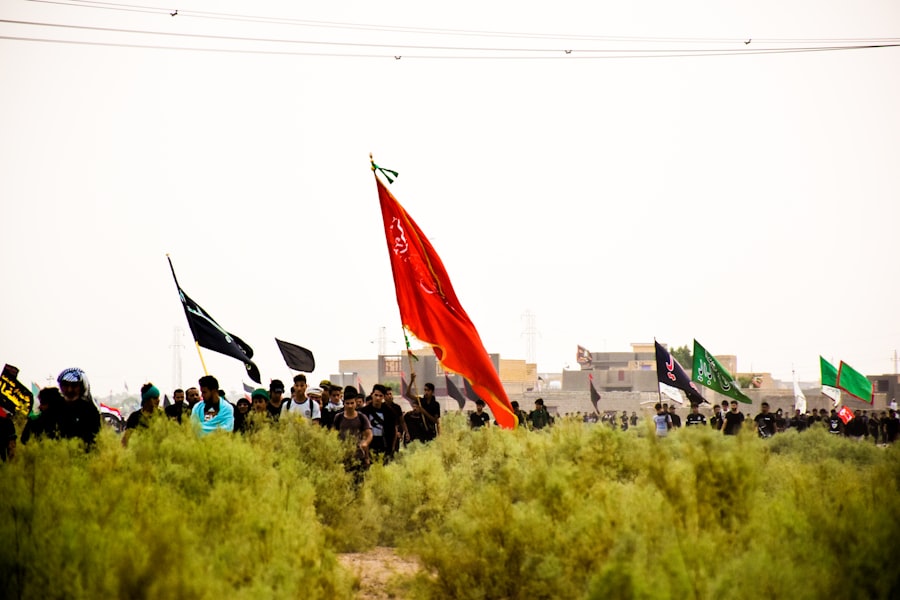
The diplomatic landscape surrounding Taiwan’s deterrence would be significantly altered by an Iran War. The ability of international actors to present a united front and to effectively deter Chinese aggression would be tested by the competing demands of the Middle East crisis.
The “Two-Front War” Dilemma for the US and its Allies
An Iran War would present the United States with a complex “two-front war” scenario, or at least the significant challenge of managing two major global crises simultaneously. This would severely test the capacity and willingness of US allies to engage in coordinated diplomatic and potentially military responses to both situations.
Strain on NATO and its Relevance to Taiwan
While NATO’s primary focus is on European security, a major conflict in the Middle East could nonetheless have repercussions for its members. European nations might be more focused on energy security and their own proximity to the conflict, potentially diminishing their appetite for robust engagement in the Taiwan Strait. This could weaken the perception of a unified Western front against Chinese aggression.
The Quadrilateral Security Dialogue (Quad) and its Future
The Quad, comprising the US, Japan, India, and Australia, is a key security architecture in the Indo-Pacific. An Iran War could strain the cohesion of the Quad. Member states might have differing priorities and levels of concern regarding the Middle East crisis, potentially diverting their attention and resources away from collective security efforts in the Indo-Pacific. Japan and Australia, in particular, would be heavily impacted by energy market volatility, potentially leading to a more pragmatic and less ideologically driven approach to regional security.
China’s Diplomatic Maneuvers and International Perceptions
Beijing would likely engage in sophisticated diplomatic maneuvers to exploit the situation created by an Iran War. It would seek to portray itself as a responsible global actor, while simultaneously undermining international efforts to deter its actions against Taiwan.
Framing the Taiwan Issue in a Global Context
China might attempt to frame the Taiwan issue as a domestic matter and a challenge to its sovereignty, seeking to draw parallels with the complexities of the Middle East. It could argue that the international community’s focus on Iran distracts from the “legitimate” claims it has over Taiwan, attempting to diminish the international outcry against potential military action.
Undermining International Sanctions and Condemnation
China would likely leverage its economic influence to resist or undermine any potential international sanctions or condemnations that might arise from its actions concerning Taiwan. If global resources are already strained by the Iran War, the willingness and capacity of nations to impose meaningful sanctions on China could be significantly reduced.
The ongoing tensions in the Middle East, particularly the impact of the Iran war, have significant implications for Taiwan’s deterrence strategy against potential aggression from China. As the geopolitical landscape shifts, Taiwan must carefully assess how regional conflicts influence its security posture and alliances. For a deeper understanding of these dynamics, you can explore a related article that discusses the broader implications of military conflicts on global deterrence strategies at In The War Room.
Taiwan’s Adaptation and the Future of Deterrence
| Metrics | Data |
|---|---|
| Increased Military Spending | 10% increase in defense budget |
| Enhanced Military Exercises | 50% increase in joint military drills with allies |
| Procurement of Advanced Weaponry | Acquisition of 20 new fighter jets |
| Diplomatic Alliances | Strengthened partnerships with regional powers |
Faced with the multifaceted challenges posed by an Iran War, Taiwan would be compelled to adapt its deterrence strategies to maintain its security. This would require a recalibration of its defense spending, a strengthening of its international partnerships, and a continued emphasis on its own resilience and resolve.
Enhancing Asymmetric Warfare Capabilities
In an environment where overt military intervention might be delayed or diminished, Taiwan would likely intensify its focus on asymmetric warfare capabilities. This includes the development and deployment of anti-ship missiles, mobile air defense systems, mine warfare capabilities, and cyber warfare assets that can inflict significant costs on an invading force.
Investing in “Porcupine” Strategy and Novel Defense Concepts
Taiwan’s “porcupine” strategy, designed to make invasion prohibitively costly for China, would need to be further refined and expanded. This would involve continuous investment in new defense concepts and technologies, ensuring that its defensive capabilities remain a credible deterrent even in the face of a technologically advanced adversary.
Strengthening Cyber and Information Warfare Defenses
The increasing importance of cyber and information warfare in modern conflict would necessitate a significant enhancement of Taiwan’s defenses in these domains. Countering disinformation campaigns and protecting critical infrastructure would be paramount to maintaining public morale and operational effectiveness.
Deepening Bilateral and Multilateral Security Cooperation
Despite the potential for diminished global attention, Taiwan would need to redouble its efforts to deepen its security cooperation with like-minded partners. This would involve strengthening existing relationships and exploring new avenues for collaboration.
Strengthening US-Taiwan Security Ties
Despite the strain on US resources, Taiwan would continue to rely heavily on its relationship with the United States. This would involve advocating for continued arms sales, joint training exercises, and intelligence sharing, emphasizing Taiwan’s strategic importance in the Indo-Pacific.
Expanding Cooperation with Japan, Australia, and Other Democracies
Taiwan would seek to expand its security cooperation with Japan, Australia, and other democratic nations. This could involve joint exercises, intelligence sharing, and potentially even the development of shared defense strategies that acknowledge the broader geopolitical shifts. The ability to present a more united and coordinated defense posture would be crucial.
Cultivating Domestic Resilience and International Support
Ultimately, Taiwan’s deterrence would depend on its own internal resilience and its ability to garner sustained international support. A determined and well-prepared populace, coupled with a clear message of international solidarity, would be essential in deterring aggression.
Maintaining Public Morale and National Resolve
In the face of potential global distraction and economic hardship, maintaining strong public morale and national resolve would be critical. Taiwan’s ability to demonstrate its commitment to its own defense and its democratic values would be a significant factor in deterring an invasion.
Strategic Communication and Global Advocacy
Taiwan would need to engage in proactive strategic communication to ensure that its security concerns remain on the international agenda, even amidst the distractions of a major conflict elsewhere. This would involve advocating for its right to self-determination and highlighting the broader implications of Chinese aggression for global peace and stability.
In conclusion, the hypothetical Iran War would not be a contained event in the Middle East. Its ripples would undoubtedly reach the Taiwan Strait, fundamentally altering the strategic calculations of all involved parties. Taiwan’s deterrence, a complex interplay of military strength, economic resilience, and international diplomacy, would face unprecedented challenges. The ability of Taiwan and its allies to navigate these shifts, adapt their strategies, and maintain a credible deterrent would be a defining test of the 21st-century geopolitical order.
What Happens If China Moves Before America Rearms?
FAQs
1. How does the Iran war impact Taiwan’s deterrence strategy?
The Iran war could potentially impact Taiwan’s deterrence strategy by diverting the attention and resources of major powers, such as the United States, away from the Asia-Pacific region and towards the Middle East. This could create a power vacuum in the region, affecting Taiwan’s security and defense capabilities.
2. What are the potential implications of the Iran war on Taiwan’s military alliances?
The Iran war could lead to shifts in military alliances and priorities, as countries reassess their strategic interests and commitments. This could impact Taiwan’s ability to secure support from key allies and partners in the event of a conflict or security threat.
3. How might the Iran war impact Taiwan’s defense procurement and modernization efforts?
The Iran war could lead to changes in global arms markets and supply chains, affecting Taiwan’s ability to procure advanced defense technologies and equipment. This could impact Taiwan’s efforts to modernize its military and enhance its deterrence capabilities.
4. What role could Taiwan play in the context of the Iran war?
Taiwan could potentially play a role in the Iran war by contributing to international efforts to maintain peace and stability in the region. This could involve diplomatic initiatives, humanitarian assistance, or other forms of support for conflict resolution and peacebuilding.
5. How might the Iran war impact Taiwan’s overall security environment?
The Iran war could create geopolitical and security challenges that have indirect implications for Taiwan’s overall security environment. This could include changes in regional power dynamics, shifts in global security priorities, and potential spillover effects from the conflict.