The question of whether America can successfully fight two wars simultaneously is a complex one, weaving together threads of military capability, economic capacity, political will, and strategic foresight. Historically, the United States has faced such challenges, though rarely with the same intensity and global interconnectedness of today’s geopolitical landscape. Examining this proposition requires a multi-faceted approach, delving into the historical precedents, the current state of American military readiness, the economic implications, the domestic and international political considerations, and the ever-evolving nature of modern warfare.
America’s experience with multiple simultaneous conflicts is not unprecedented, though the scale and nature of these conflicts have varied significantly. Understanding these historical instances offers valuable insights into the challenges and potential pitfalls of such endeavors.
The Civil War: A Nation Divided Against Itself
While not an external conflict in the traditional sense, the American Civil War (1861-1865) presented an existential struggle where the nation was, in essence, fighting a war against itself. The Union forces had to deploy resources and manpower across a vast geographical area to subdue Confederate resistance. This internal conflict drained national resources, fractured society, and required immense logistical and strategic planning. The lessons learned here are about the profound domestic cost of sustained warfare, the importance of maintaining national unity, and the long-term consequences of prolonged conflict, even when fought within one’s own borders. The immense human and economic toll underscores the critical need for national consensus and shared sacrifice when engaging in protracted military actions.
World War II: The Grand Alliance and Global Conflict
The most prominent example of America fighting multiple major wars simultaneously is undoubtedly World War II. The United States found itself engaged in a two-front war, battling Imperial Japan in the Pacific and Nazi Germany and its allies in Europe. This monumental undertaking showcased America’s industrial might, its ability to mobilize its population, and the critical role of alliances.
The Pacific Theater: Island Hopping and Naval Dominance
The war in the Pacific was characterized by vast distances, amphibious assaults, and a reliance on naval power. The United States had to contend with the entrenched Japanese military, which fought with fierce determination. The strategy of “island hopping” required significant resources in terms of ships, aircraft, and ground troops. This theater demanded rapid technological development, particularly in naval aviation and submarine warfare. The sheer scale of logistics and the attrition rate of personnel and materiel were immense.
The European Theater: Land War in the Old World
Simultaneously, the United States was a vital partner in the European theater, contributing significantly to the Allied war effort through Lend-Lease, strategic bombing campaigns, and eventually, the Normandy landings and the subsequent push towards Berlin. This involved large-scale land battles, complex logistical operations across the Atlantic, and coordination with numerous allied nations. The demands on American industry to produce weapons, vehicles, and supplies for both theaters were staggering.
Industrial Might and Mobilization
World War II demonstrated the power of the American industrial complex to retool and ramp up production for war. Factories were converted to produce tanks, aircraft, ships, and ammunition at an unprecedented rate. The mobilization of the workforce, including women entering the labor force in large numbers, was crucial. This period highlights the indispensable link between a nation’s economic capacity and its ability to sustain prolonged and multifaceted warfare.
The Role of Alliances
Crucially, the success in World War II was not achieved in isolation. The United States relied heavily on its alliances with Great Britain, the Soviet Union, China, and many other nations. These alliances provided strategic depth, shared burdens, and facilitated joint operations. Without these partnerships, the strain on American resources and manpower would have been far greater, potentially making success in both theaters unsustainable.
The Cold War Era: Proxy Wars and Global Containment
While not always characterized by direct, large-scale conventional warfare, the Cold War era saw the United States engaged in numerous proxy conflicts and maintaining a global military presence to counter Soviet influence. This included the Korean War and the Vietnam War, where American forces were deeply engaged in protracted and costly conflicts.
The Korean War: A Limited War on the Peninsula
The Korean War (1950-1953) saw the US and UN forces fighting to repel North Korean and Chinese aggression. This conflict demonstrated the challenges of fighting a conventional war against a determined adversary on challenging terrain, while simultaneously maintaining a global posture against the Soviet Union. It highlighted the risks of escalation and the difficulty of achieving decisive victory in certain geopolitical contexts.
The Vietnam War: A Protracted and Divisive Conflict
The Vietnam War was a highly controversial and lengthy conflict where the US was involved in counterinsurgency operations and direct combat. The war placed immense strain on American resources, manpower, and public opinion. The experience in Vietnam served as a stark reminder of the potential for prolonged and unwinnable conflicts, the importance of clear objectives, and the societal divisions that can arise from prolonged military engagements. It also underscored the limitations of conventional military might in dealing with unconventional threats and the importance of understanding local political and social dynamics.
In exploring the complexities of military strategy, the question of whether America can effectively fight two wars at once has garnered significant attention. A related article that delves into this topic is available at In the War Room, where experts analyze historical precedents and current military capabilities. This discussion provides valuable insights into the challenges and implications of simultaneous engagements on multiple fronts, highlighting the need for strategic planning and resource allocation in modern warfare.
Modern Military Capabilities and Readiness
The ability to fight two wars simultaneously in the 21st century hinges on the current state of America’s military. This involves assessing its active duty personnel, reserve components, technological superiority, logistical networks, and overall readiness.
Personnel Strength and Deployment Capacity
The United States military boasts a large active-duty force across all branches: Army, Navy, Marine Corps, and Air Force. However, the question of sufficient personnel to sustain operations on two distinct fronts simultaneously is critical.
Active Duty Forces: The Frontline
The approximately 1.3 million active-duty personnel are the primary fighting force. However, deploying significant portions of these forces to two different theaters of operation, especially if they are geographically dispersed and require substantial operational buildup, could stretch these numbers thin. This raises concerns about the sustainability of prolonged deployments, the frequency of troop rotations, and the potential for burnout among service members.
Reserve and National Guard Components: A Crucial Augmentation
The Reserve and National Guard components play a vital role in augmenting active-duty forces during times of increased demand. Their integration and readiness are paramount. Mobilizing and deploying large numbers of reservists and National Guard units for extended periods can strain civilian economies and impact family life. Their effectiveness depends on adequate training, equipment, and integration with active-duty units.
Technological Superiority and Innovation
The US military has long relied on its technological edge to maintain an advantage. In modern warfare, this includes advanced aircraft, naval vessels, drones, cyber warfare capabilities, and sophisticated intelligence, surveillance, and reconnaissance (ISR) systems.
Air Superiority and Power Projection
The Air Force and naval aviation are crucial for projecting power and achieving air superiority in any conflict. The ability to conduct sustained air operations over two distinct theaters simultaneously requires a robust fleet of aircraft, well-trained pilots, and extensive logistical support for maintenance and refueling.
Naval Dominance and Global Reach
The US Navy’s global presence and carrier strike groups are essential for power projection and maintaining freedom of navigation. Sustaining naval operations in two major theaters would place significant demands on its fleet, requiring careful allocation of resources and strategic positioning.
Cyber Warfare and Emerging Technologies
The integration of cyber warfare capabilities and other emerging technologies is transforming modern conflict. The ability to conduct offensive and defensive cyber operations across multiple fronts is becoming increasingly important, and its impact on traditional warfare is profound. The development and deployment of autonomous systems and artificial intelligence also present new challenges and opportunities.
Logistical Networks and Sustainment
Sustaining military operations, especially over long distances and in multiple theaters, is heavily reliant on robust logistical networks. This includes transportation, supply chains, maintenance, and medical support.
Global Supply Chains: The Lifeline
The ability to transport troops, equipment, and supplies across vast oceans and continents is a monumental task. The efficiency and resilience of these global supply chains are critical. Any disruption, whether due to hostile action or natural disaster, could have dire consequences for military operations.
Maintenance and Readiness of Equipment
Modern military hardware is complex and requires constant maintenance. Sustaining operations on two fronts would mean increased wear and tear on equipment, demanding a high capacity for repair and replacement. The readiness rates of aircraft, vehicles, and naval vessels would be under immense pressure.
Economic and Financial Implications

The ability to fight two wars simultaneously is inextricably linked to a nation’s economic strength and its willingness to bear the financial burden. Modern warfare is extraordinarily expensive, and sustaining multiple conflicts would place an unprecedented strain on the American economy.
The Cost of War: A Fiscal Reckoning
The direct costs of waging war – personnel, equipment, ammunition, fuel, and operations – are immense. Engaging in two major conflicts simultaneously would dramatically increase these expenditures, potentially leading to significant budget deficits and increased national debt.
Defense Spending: A Necessary Investment or a Drain?
A substantial increase in defense spending would be required to support two simultaneous wars. This raises questions about the opportunity cost of such spending – what other areas of the economy or social programs would have to be sacrificed? The debate over the appropriate level of defense spending is often contentious, and the need for two simultaneous conflicts would amplify these discussions.
Economic Strain and Public Support
The economic strain of prolonged, large-scale warfare can erode public support for the conflict. Rising taxes, inflation, and resource shortages can lead to domestic discontent, making it difficult for a government to maintain the political will necessary to sustain multiple wars.
Resource Allocation and Prioritization
In a scenario of two simultaneous wars, difficult decisions regarding resource allocation would be inevitable. Which theater receives priority? How are limited resources, such as advanced weaponry or specialized personnel, divided? These decisions would have significant strategic and tactical implications.
Industrial Production Capacity: Meeting Demand
The American industrial base would need to be capable of meeting the demand for a vast array of military materiel for two distinct conflicts. This would require significant investment in manufacturing, research, and development, and potentially a return to wartime production models.
Impact on Civilian Economy: A Balancing Act
The demands of war can significantly impact the civilian economy. Labor shortages could arise as personnel are deployed, and the diversion of raw materials and manufacturing capacity to military production could lead to shortages and price increases for consumer goods.
Political Will and Public Opinion
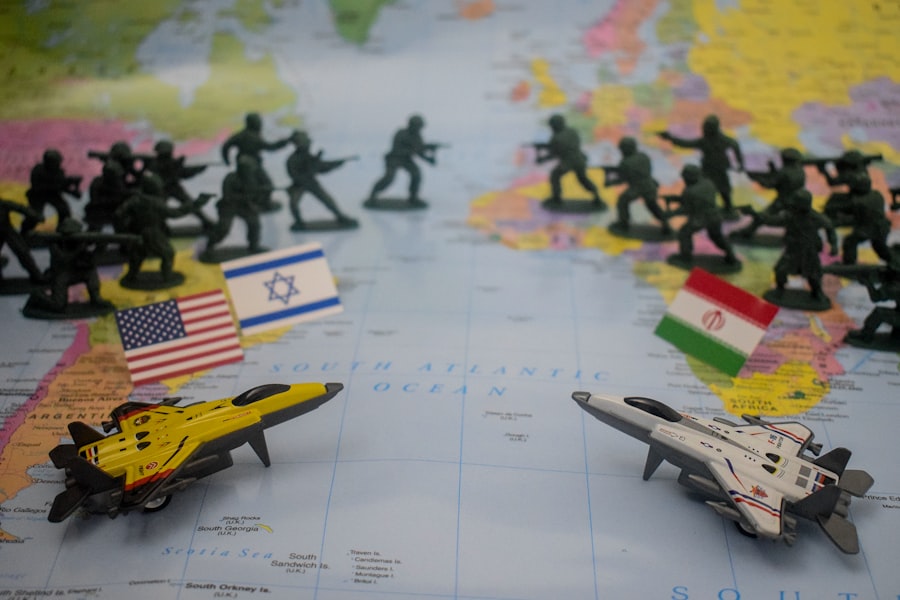
Beyond military and economic capabilities, the successful prosecution of war, especially multiple simultaneous wars, relies heavily on sustained political will and broad public support.
Domestic Consensus and Political Leadership
The ability of political leaders to forge and maintain a domestic consensus for war is crucial. This involves clearly articulating the objectives of the conflict, demonstrating a viable strategy, and transparently communicating the costs and sacrifices involved.
The Role of Media and Information
In the age of instant communication, the media plays a significant role in shaping public opinion. The narrative surrounding the wars, the reporting on casualties and progress, and the dissemination of information can all influence the level of public support.
Elections and Shifting Priorities
The cyclical nature of democratic elections means that political priorities can shift. A public weary of prolonged conflict or facing economic hardship may elect leaders who are less inclined to sustain multiple wars, regardless of military capability.
International Alliances and Global Diplomacy
In today’s interconnected world, fighting wars without broad international support is increasingly difficult and unsustainable. Strong alliances and effective diplomacy are essential for sharing burdens, garnering resources, and maintaining legitimacy.
Coalition Warfare: Burden Sharing and Legitimacy
The formation of broad international coalitions can significantly reduce the burden on any single nation and enhance the legitimacy of military action. However, coordinating the efforts of multiple nations with diverse interests and capabilities presents its own set of challenges.
Diplomatic Efforts and De-escalation
Alongside military action, robust diplomatic efforts are crucial for managing conflicts, seeking de-escalation, and achieving long-term political solutions. The ability to engage in effective diplomacy while simultaneously prosecuting wars is a complex balancing act.
In the context of America’s military capabilities, the question of whether the nation can effectively fight two wars at once has garnered significant attention. A related article that delves deeper into this topic can be found on In The War Room, which explores the strategic implications and challenges of simultaneous engagements. For those interested in understanding the complexities of modern warfare, this piece provides valuable insights. You can read more about it in the article here.
The Nature of Modern Warfare and Emerging Threats
| Metric | Data |
|---|---|
| Military Budget | 610 billion in 2021 |
| Total Active Military Personnel | 1.3 million |
| Total Aircraft | 13,398 |
| Total Tanks | 6,287 |
| Nuclear Warheads | Approximately 5,800 |
The landscape of warfare is constantly evolving, presenting new challenges and complexities that must be considered when assessing America’s ability to fight two wars simultaneously.
Asymmetric Warfare and Irregular Threats
Modern conflicts are often characterized by asymmetric warfare, where less conventional forces employ tactics such as insurgency, terrorism, and cyberattacks against technologically superior adversaries. Fighting two such conflicts simultaneously, especially if they are diverse in their nature, would require highly adaptable and versatile military forces.
Counterinsurgency and Nation-Building
Many contemporary conflicts involve counterinsurgency operations and the complexities of nation-building. These types of operations are resource-intensive, time-consuming, and often have unclear exit strategies, making them particularly challenging to sustain, let alone manage across multiple fronts.
The Rise of Cyber Warfare
The domain of cyber warfare has emerged as a critical battlefield. The ability to conduct offensive cyber operations and defend against cyberattacks is now as important as traditional military capabilities. Sustaining operations in two theaters would necessitate a robust and coordinated cyber defense and offense strategy.
The Threat of Great Power Competition
The resurgence of great power competition, particularly from China and Russia, introduces a different set of challenges. These adversaries possess significant military capabilities and are developing new technologies. The possibility of being drawn into conflicts with these state actors, potentially in multiple regions, adds another layer of complexity to the question of fighting two wars.
Hybrid Warfare and Deniability
Modern adversaries are increasingly employing hybrid warfare tactics, blending conventional military operations with irregular warfare, cyberattacks, and disinformation campaigns. This often blurs the lines of conflict and makes attribution and response more difficult.
The Interconnectedness of Global Systems
In the 21st century, global systems are highly interconnected. Conflicts can have far-reaching economic, political, and social consequences that extend beyond the immediate theater of operations. This interconnectedness means that even localized conflicts can quickly escalate and draw in multiple actors, complicating the ability to manage separate conflicts.
In conclusion, the question of whether America can successfully fight two wars simultaneously is not a simple yes or no. It depends on a confluence of factors: the specific nature of the conflicts, the readiness and capacity of the US military, the economic resilience of the nation, the strength of political will, the efficacy of international alliances, and the evolving nature of warfare itself. While America possesses significant capabilities, the challenges of sustaining two major conflicts are profound and would demand unprecedented levels of resources, strategic acumen, and national unity. The lessons of history, combined with a realistic assessment of current capabilities and emerging threats, suggest that while the United States has the potential to engage in such scenarios, the probability of unqualified success would be significantly tested, and the costs, both human and material, would be immense.
What Happens If China Moves Before America Rearms?
FAQs
1. Can the United States fight two wars at the same time?
Yes, the United States has the capability to fight two wars simultaneously due to its large military budget, advanced technology, and global military presence.
2. Has the United States fought two wars at the same time in the past?
Yes, the United States has fought two wars at the same time in the past. For example, the United States fought in both Afghanistan and Iraq during the early 2000s.
3. What factors determine the United States’ ability to fight two wars at once?
The United States’ ability to fight two wars at once is determined by factors such as military readiness, troop levels, equipment availability, and the geopolitical situation at the time.
4. What challenges does the United States face when fighting two wars simultaneously?
Challenges the United States may face when fighting two wars simultaneously include strain on military resources, potential for overextension, and the need to prioritize and allocate resources effectively.
5. How does the United States prioritize its military efforts when facing the possibility of fighting two wars at once?
The United States prioritizes its military efforts based on national security interests, strategic alliances, and the level of threat posed by each conflict. This prioritization helps allocate resources and determine the level of engagement in each conflict.