The United States, a global superpower and architect of much of the modern defense landscape, is facing a critical juncture concerning its missile stockpiles. As geopolitical tensions simmer and the specter of large-scale conflict looms, the question of the nation’s capacity to wage modern warfare, particularly in terms of missile capabilities, becomes paramount. The year 2026 is emerging as a key benchmark, a potential inflection point where existing inventory levels, production rates, and evolving strategic demands could converge to reveal a significant depletion in crucial missile systems. This outlook is not a prediction of imminent failure, but rather a sober assessment of the complex interplay between defense strategy, industrial capacity, and global events that are shaping the availability of America’s most potent offensive and defensive weapons.
The Shifting Global Security Landscape and its Impact on Demand
The current geopolitical climate is characterized by a resurgence of great power competition, a phenomenon not witnessed with such intensity since the Cold War. The rise of China as a military peer competitor, coupled with Russia’s persistent assertiveness and ongoing conflicts, has fundamentally altered the strategic calculus for the United States. This intensified competition directly translates into increased demand for a wide array of military assets, with precision-guided munitions and advanced missile systems at the forefront.
The War in Ukraine and the Strain on Munitions
The protracted conflict in Ukraine has served as a stark, real-world stress test for Western defense industries, particularly for the United States. The sheer volume of artillery shells, anti-tank missiles, and air-defense interceptors expended by Ukrainian forces, coupled with the continuous resupply efforts from the US and its allies, has placed an unprecedented strain on existing stockpiles. While the focus has often been on conventional munitions, the demand for more sophisticated missile systems has also escalated. For instance, the deployment of HIMARS (High Mobility Artillery Rocket System) and its precision-guided rockets (GMLRS) has been instrumental in Ukraine’s battlefield successes. However, the sustained deployment and high expenditure rates of these systems, alongside other air defense missiles like Stinger and Javelin, have significantly depleted US inventories. The initial assumption of a rapid resolution to the conflict proved optimistic, leading to a sustained demand that outpaced initial production and replenishment plans.
Rising Tensions in the Indo-Pacific
The strategic pivot towards the Indo-Pacific region, driven by concerns over China’s growing military might and territorial ambitions, further amplifies the demand for specific missile capabilities. This theater is characterized by vast distances, maritime dominance, and the potential for island-hopping campaigns. Consequently, there is an increased need for long-range strike capabilities, anti-ship missiles, and advanced air and missile defense systems to counter potential threats to naval assets and regional allies. The development and deployment of systems like the Long-Range Hypersonic Weapon (LRHW), Tomahawk cruise missiles, and various missile defense interceptors are critical for maintaining deterrence in this complex environment. The ongoing build-up of China’s own missile forces necessitates a robust and responsive US response, which in turn draws heavily on existing stockpiles.
The Re-emergence of Deterrence as a Core Strategy
In an era of renewed great power competition, the concept of deterrence has re-entered the forefront of US defense strategy. This shift implies a greater emphasis on maintaining sufficient military power, including a credible missile arsenal, to dissude potential adversaries from engaging in aggression. A robust and readily available stockpile of missiles is a cornerstone of effective deterrence, signaling a nation’s capacity to inflict unacceptable damage on an aggressor. Any perceived depletion or degradation of these capabilities can undermine this crucial element of national security, potentially emboldening adversaries.
As concerns grow over the potential depletion of the U.S. missile stockpile by 2026, it is crucial to stay informed about the implications of this situation on national security and military readiness. A related article that delves into the strategic challenges and potential solutions can be found at this link. This resource provides valuable insights into the current state of U.S. missile inventory and the necessary steps to address any shortfalls.
Production Capacity vs. Consumption: A Growing Discrepancy
The core of the US missile stockpile depletion concern lies in the widening gap between the rate at which missiles are being consumed and the nation’s capacity to produce them. Decades of relative peace and a focus on precision warfare had led to an optimization of production lines, often prioritizing efficiency over surge capacity. This approach, while cost-effective in peacetime, proves inadequate when faced with the realities of sustained, high-intensity conflict or accelerated strategic replenishment.
The Legacy of “Just-in-Time” Defense Manufacturing
The defense industrial base has, for years, operated under principles not dissimilar to civilian “just-in-time” manufacturing. This model emphasizes lean inventory, minimal waste, and efficient production flows. While this can be effective for predictable, lower-demand scenarios, it leaves the system vulnerable to sudden spikes in demand. When a conflict escalates or a significant resupply effort is required, the intricate and often specialized supply chains for missile components can become bottlenecks. Lead times for critical raw materials, specialized microelectronics, and propellants can extend significantly, delaying production ramp-up.
Bottlenecks in the Supply Chain
The production of advanced missiles is a complex undertaking involving a global network of suppliers for everything from exotic alloys and sensitive guidance components to specialized propellants and intricate circuitry. The Ukraine conflict, in particular, exposed vulnerabilities in these supply chains. For example, the availability of certain rare earth minerals or advanced microprocessors can be dictated by geopolitical factors and the production capabilities of a limited number of global manufacturers. When demand surges from multiple fronts, these existing bottlenecks can be exacerbated, leading to extended lead times and significant delays in replenishing depleted stockpiles.
The Challenge of Scaling Up Production
Increasing the production of advanced missiles is not a simple matter of flipping a switch. It requires significant investment in new manufacturing facilities, specialized tooling, and the training of a skilled workforce. Many of these specialized production lines were scaled down or even shuttered during periods of lower global tension. Re-establishing or expanding these capabilities takes time and substantial financial commitment. The Pentagon has initiated efforts to boost production, but the lead times inherent in industrial expansion mean that significant increases in output will not materialize instantaneously. By 2026, the impact of these ramp-up efforts will begin to be felt, but the initial depletion may have already occurred.
Key Missile Systems Facing Depletion by 2026
Several categories of missile systems are particularly vulnerable to depletion by 2026 due to their strategic importance, high expenditure rates in recent conflicts, and the challenges associated with their production.
Air-to-Air Missiles (AAMs) and Their Role in Air Superiority
Maintaining air superiority is a cornerstone of modern military operations. Air-to-air missiles, such as the AIM-120 AMRAAM (Advanced Medium-Range Air-to-Air Missile) and the AIM-9 Sidewinder, are critical for achieving this. The increased presence of advanced fighter aircraft in potential conflict zones, coupled with the need to counter sophisticated enemy air defenses, has driven up the demand for these munitions. Furthermore, the role of AAMs extends to ground attack missions in some configurations. The sustained air patrols and defensive operations, particularly in response to potential incursions, contribute to a steady drain on these stockpiles.
Air Defense Interceptiors and the Growing Missile Threat
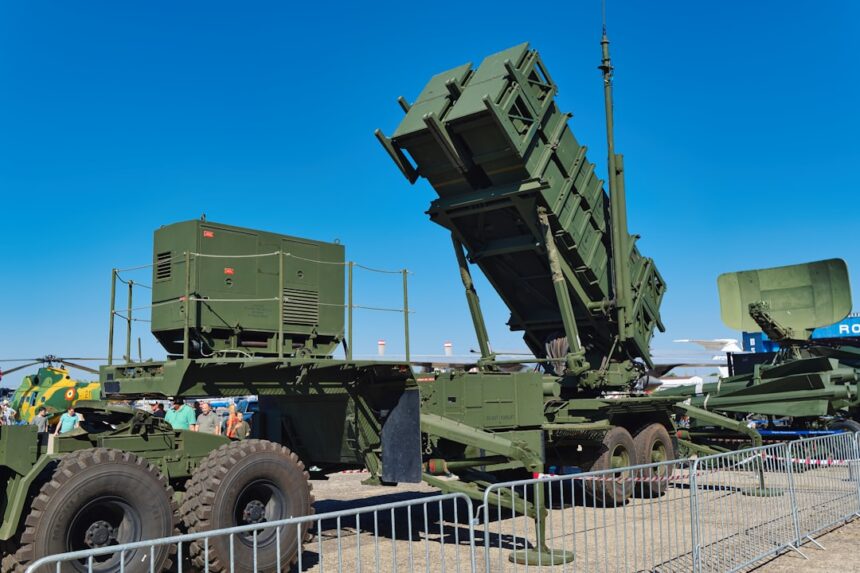
The proliferation of ballistic and cruise missiles by potential adversaries presents a significant and growing threat. The US relies on advanced air and missile defense systems, such as the Patriot system with its PAC-2 and PAC-3 interceptors, and the Terminal High Altitude Area Defense (THAAD) system. The successful interception of incoming threats, particularly in a high-tempo conflict, consumes interceptor missiles at a rapid pace. The ongoing missile programs of countries like North Korea, Iran, and the advanced missile capabilities of China and Russia necessitate a robust and readily available inventory of interceptors. The conflict in Ukraine has also highlighted the critical importance of air defense, leading to significant transfers of systems and missiles to allies, impacting US domestic stockpiles.
Precision-Guided Munitions (PGMs) and the Modern Battlefield
Precision-guided munitions, including various types of smart bombs and guided rockets, have become indispensable on the modern battlefield. The ability to strike targets with pinpoint accuracy reduces collateral damage and maximizes effectiveness. However, the widespread adoption and integration of PGMs into nearly every aspect of air and ground operations have led to their high consumption rates. Systems like the Joint Direct Attack Munition (JDAM) and the aforementioned GMLRS are examples of PGMs that have seen significant use. The potential for prolonged, high-intensity conflicts against peer or near-peer adversaries implies a sustained demand for these munitions, placing pressure on existing stockpiles.
Long-Range Strike Capabilities and Strategic Deterrence
The ability to project power across vast distances is a defining characteristic of a global superpower. Long-range strike missiles, such as the Tomahawk cruise missile and increasingly, hypersonic weapons, are vital for strategic deterrence and offensive operations. The operational tempo in the Indo-Pacific, where distances are significant, places a premium on these systems. Moreover, the development and deployment of advanced adversary long-range strike capabilities necessitate a robust US response, leading to increased attention and potential expenditure on its own long-range missile systems. The replenishment of these high-value, complex systems is a significant industrial challenge.
Strategic Implications and Potential Consequences of Depletion
The depletion of US missile stockpiles by 2026 carries profound strategic implications, potentially undermining the nation’s ability to deter aggression, project power, and defend its interests.
Erosion of Deterrence Capabilities
A perceived lack of readily available, advanced missile systems can significantly erode the credibility of US deterrence. Potential adversaries may interpret a depleted arsenal as a sign of weakness or an inability to sustain a prolonged conflict, emboldening them to pursue aggressive actions. The psychological aspect of deterrence is as crucial as the physical capacity to wage war. If potential aggressors believe that the US cannot effectively respond with overwhelming force due to insufficient missile supplies, the risk of miscalculation and escalation increases.
Compromised Ability to Project Power
The projection of power, a key element of US foreign policy and global influence, relies heavily on the ability to deploy forces and strike targets at long distances. Missile systems are central to this capability. If stockpiles are depleted, the US may find itself constrained in its ability to respond effectively to crises, deter aggression, or support allies in remote theaters. This could lead to a diminished role on the global stage and a reduced capacity to shape international events.
Impact on Alliance Commitments and Burden Sharing
The United States is committed to the defense of numerous allies around the world. These commitments often involve the provision of advanced weaponry and the assurance of military support. A depletion of missile stockpiles could strain the US’s ability to fulfill these commitments, potentially leading to questions about the reliability of American security guarantees. This could have ripple effects on alliance cohesion and encourage allies to pursue independent defense strategies, potentially leading to a less stable global security architecture.
The Risk of Escalation in Regional Conflicts
In the event of a regional conflict, the rapid expenditure of missiles for both offensive and defensive purposes could quickly deplete available stocks. If the US is unable to rapidly replenish these supplies, it may be forced to make difficult choices regarding the scale and duration of its involvement, potentially leading to a protracted and indecisive conflict or even the risk of escalation if critical defensive capabilities are absent.
As concerns grow over the potential depletion of the US missile stockpile by 2026, experts are increasingly analyzing the implications of this situation on national security and military readiness. A related article discusses the strategic challenges the US may face if its missile inventory continues to dwindle, highlighting the need for a comprehensive review of defense policies. For more insights on this pressing issue, you can read the full article here.
Efforts to Address the Shortfall and Future Outlook
Recognizing the growing concerns, the US Department of Defense and defense contractors are actively working to address the projected missile stockpile depletion. However, the scale of the challenge and the inherent lead times in industrial production mean that significant improvements will take time.
Increased Defense Spending and Production Initiatives
The US Congress has responded to the growing demand by increasing defense spending, with a significant portion allocated to munitions procurement. The Department of Defense is prioritizing the ramp-up of production for critical missile systems, including those used extensively in Ukraine and those deemed essential for countering peer competitors. This involves not only placing larger orders but also investing in expanding manufacturing capacity and securing critical supply chains.
Streamlining Acquisition Processes and Reducing Lead Times
Efforts are underway to streamline the often-bureaucratic acquisition processes that can slow down the procurement of critical defense equipment. This includes exploring innovative contracting methods, reducing regulatory hurdles, and fostering closer collaboration between the government and industry to expedite the delivery of essential munitions. The aim is to reduce the lead times associated with both the procurement of raw materials and the manufacturing of finished missile systems.
Investing in the Defense Industrial Base
A long-term solution requires sustained investment in the broader defense industrial base. This includes supporting research and development for next-generation missile technologies, as well as ensuring the viability and capacity of the companies that produce the components and assemble the final products. The reliance on a limited number of suppliers for critical parts is a vulnerability that needs to be addressed through diversification and investment in domestic production capabilities.
The Long Road to Replenishment
While the efforts to address the missile stockpile depletion are significant, it is crucial to acknowledge that the process of full replenishment will likely extend beyond 2026. The sheer volume of missiles required, coupled with the complexities of their production, means that it will take several years of sustained effort to return stockpiles to desired levels. Therefore, while the situation may improve by 2026, a full recovery and the establishment of robust surge capacity will likely be a longer-term endeavor. The ongoing geopolitical landscape will continue to dictate demand, making continuous assessment and adaptation of production strategies essential.

What Happens If China Moves Before America Rearms?
FAQs
What is the current status of the US missile stockpile in 2026?
As of 2026, the US missile stockpile is experiencing depletion due to the aging of existing missiles and the need for modernization.
What factors are contributing to the depletion of the US missile stockpile?
The depletion of the US missile stockpile is primarily due to the aging of existing missiles, the expiration of their service life, and the need for modernization to keep up with evolving threats.
How is the US government addressing the depletion of the missile stockpile?
The US government is investing in the modernization of its missile stockpile, including the development and deployment of next-generation missile systems to replace aging ones.
What are the potential implications of the US missile stockpile depletion?
The potential implications of the US missile stockpile depletion include reduced deterrence capabilities, decreased readiness for potential conflicts, and the need for increased investment in modernization efforts.
What are the long-term plans for the US missile stockpile?
The long-term plans for the US missile stockpile include continued modernization efforts, the development of advanced missile defense systems, and strategic planning to ensure a robust and effective missile stockpile for national security.