
The thunder of recent geopolitical events, particularly the heightened tensions with Iran and the subsequent military deployments, has cast a long shadow over America’s defense posture. While the immediate crisis may have been averted or de-escalated, a less visible, yet profoundly significant, consequence is beginning to surface: a concerning shortage in key missile and munition stockpiles. This article delves into the complex factors contributing to this emerging deficit, its implications for national security, and the long-term strategies required to address it.
The rapid and extensive deployment of American military assets in response to the Iranian crisis, though necessary for deterrence and readiness, placed an unprecedented strain on existing munition reserves. This wasn’t simply a matter of firing a few missiles; it involved sustained operations, exercises, and the prepositioning of vast quantities of ordnance across multiple theaters of operation.
Sustained Operational Tempo and Expenditure
The protracted periods of heightened alert and readiness demanded by the Iran situation necessitated the continuous expenditure of various missile types. From air-to-air missiles crucial for air superiority to precision-guided munitions employed in potential strike scenarios, every deployment meant a reduction in readily available stock.
Air-to-Air Superiority Under Pressure
Fighter aircraft, the backbone of air defense and offensive air power, rely heavily on a steady supply of missiles like the AIM-120 AMRAAM. The need to maintain a robust air presence in the region, coupled with the theoretical possibility of aerial engagements, led to significant withdrawals from stockpiles. This directly impacts the ability to sustain prolonged air operations in future conflicts.
Precision Strikes and the Diminishing Reserve
The efficacy of modern warfare is inextricably linked to precision-guided munitions (PGMs). Weapons such as the JDAM (Joint Direct Attack Munition) and various cruise missiles, while incredibly effective, are consumed at a rapid pace during operations. The Iran crisis, with its emphasis on calibrated responses and the avoidance of collateral damage, likely saw a substantial drawdown of these high-value assets.
Pre-positioning and Deployment Logistics
Beyond the expenditure in actual combat or deterrence operations, the logistical undertaking of pre-positioning vast quantities of munitions in forward areas also contributes to the perceived shortage. While these munitions are not necessarily “used,” their relocation and deployment mean they are not immediately available within the continental United States.
The Global Reach of American Power
Projecting power across the globe, especially to volatile regions like the Middle East, requires the extensive use of sealift and airlift capabilities to transport munitions. The Iran scenario saw a significant surge in these logistical movements, effectively moving stockpiles from domestic storage to areas of potential conflict.
Strategic Stockpiles and Their Purpose
The United States maintains strategic stockpiles of munitions intended for prolonged conflicts and surge requirements. However, the scale of the recent deployments may have eroded these buffers, raising questions about the adequacy of reserves for unforeseen future contingencies.
In light of the ongoing discussions surrounding the missile shortage in America following the Iran war, an insightful article can be found that delves into the implications of this situation on national security and military readiness. For a comprehensive analysis, you can read more about it in this article: America’s Missile Shortage: Impacts and Solutions. This piece explores the challenges faced by the U.S. military and potential strategies to address the deficit in missile supplies.
The Production Pipeline: A Bottleneck Revealed
The strain on existing stockpiles has brought to the fore a critical weakness in the defense industrial base: the capacity of the munitions production pipeline to replenish these depleted reserves at the necessary pace. Decades of prioritizing cost-efficiency and “just-in-time” inventory management have inadvertently created vulnerabilities.
The Legacy of “Peace Dividend” Era Manufacturing
Following the end of the Cold War, defense spending, and particularly investment in munition manufacturing capacity, saw a significant decline. This “peace dividend” era led to the consolidation of production facilities, the loss of specialized skills, and a general slowdown in the rate of new weapon production.
Aging Infrastructure and Workforce Challenges
Many existing munition manufacturing plants are aging and may require significant investment in modernization. Furthermore, the defense industry faces challenges in attracting and retaining a skilled workforce, particularly in specialized fields like chemical engineering for propellants and advanced manufacturing techniques.
The Long Lead Times of Complex Munitions
The production of advanced missiles and munitions is not a simple assembly line process. It involves intricate supply chains, specialized components, and rigorous testing protocols. The lead times for producing certain sophisticated weapons can extend for years, making rapid replenishment a significant challenge.
The Economics of Munition Production
The economic realities of munition production also play a crucial role. Historically, the demand for munitions has been cyclical, often spiking during conflicts and then declining during periods of relative peace. This has made it difficult for manufacturers to justify continuous, high-volume production without guaranteed long-term contracts.
The “Boom and Bust” Cycle of Defense Contracts
The defense industry often operates on a “boom and bust” cycle, with demand for certain munitions peaking during times of conflict and then tapering off. This makes it challenging for manufacturers to maintain consistent production levels and invest in expanding capacity.
The Price of Readiness: A Matter of Investment
Ensuring adequate munition stockpiles requires sustained and significant investment, not just during periods of crisis. This necessitates a long-term strategic vision from policymakers and a willingness to fund production even when immediate threats appear to have subsided.
Geopolitical Implications: A Shift in the Balance of Power?
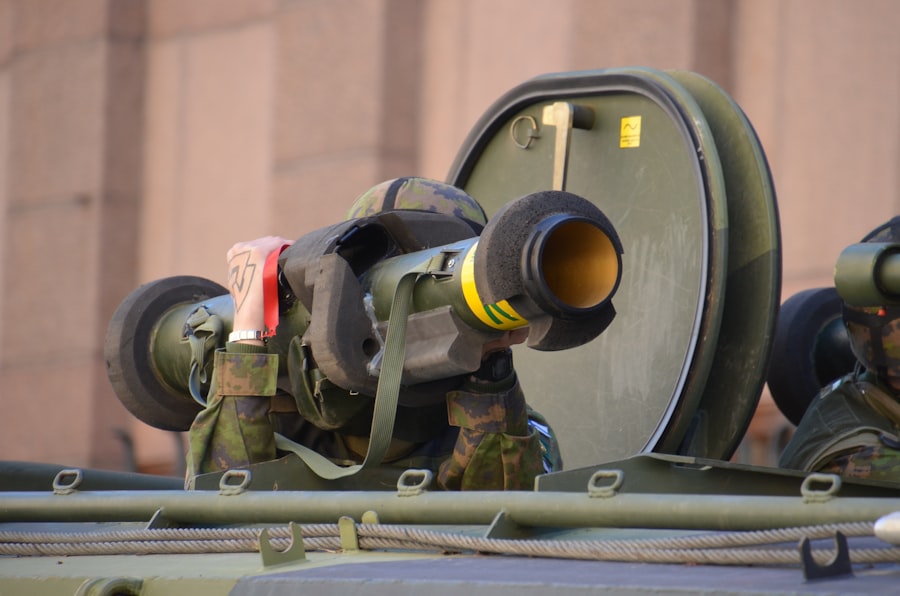
The emerging missile shortage has profound implications for America’s global standing and its ability to deter potential adversaries. A nation perceived as having depleted munition reserves may be seen as less capable of sustained military action, potentially emboldening rivals and complicating diplomatic efforts.
Deterrence and the Perception of Strength
Deterrence relies heavily on the credible threat of overwhelming force. If adversaries perceive that America’s capacity to project that force, particularly through missile strikes, is diminished, their calculus in engaging in aggressive behavior may shift.
The Signal Sent to Adversaries
A visible depletion of munition stockpiles could be interpreted by adversaries as a sign of weakness or overextension, potentially encouraging them to exploit perceived vulnerabilities or press their own agendas more aggressively.
The Risk of Escalation
Conversely, a perceived inability to sustain a conflict due to munition shortages could also lead to a greater willingness to escalate to avoid a protracted engagement where such limitations become apparent. This creates a dangerous paradox for conflict management.
Alliance Commitments and Burden Sharing
America’s alliances are built on the assurance of mutual defense, which includes the ability to project power in support of allies. A munition shortage could undermine these assurances, leading allies to question the reliability of U.S. commitments and potentially prompting them to seek alternative security arrangements.
The Strain on NATO and Pacific Allies
Key allies within NATO and in the Indo-Pacific region rely on U.S. military support and the availability of American munitions. A shortage could strain these relationships and complicate joint military planning and exercises.
The Call for Increased Burden Sharing
In light of potential U.S. limitations, there may be increased pressure on allies to increase their own defense spending and munition production capabilities, a move that could lead to a more multi-polar defense landscape.
Addressing the Shortage: A Multi-Pronged Approach
Rectifying the missile shortage will require a comprehensive and sustained effort involving increased investment, strategic adjustments to production, and a recalibration of defense industrial policy. There is no single solution; rather, a combination of initiatives will be necessary.
Revitalizing the Defense Industrial Base
A fundamental aspect of addressing the shortage lies in strengthening and expanding the defense industrial base responsible for munition production. This involves more than just increasing orders; it requires strategic investment in infrastructure, technology, and human capital.
Investing in Modern Manufacturing Facilities
The government must work with industry to invest in upgrading and modernizing existing manufacturing facilities and, where necessary, establishing new ones to increase production capacity. This includes embracing advanced manufacturing techniques and automation.
Fostering a Skilled Workforce
Initiatives to attract, train, and retain a skilled workforce are paramount. This could involve partnerships with educational institutions, apprenticeship programs, and incentives for workers in critical defense manufacturing sectors.
Strategic Stockpile Management and Procurement Reforms
Beyond production, a re-evaluation of U.S. stockpile management and procurement strategies is crucial. This includes ensuring that the right types and quantities of munitions are being produced and stored, and that procurement processes are efficient and responsive.
Rethinking “Just-in-Time” Inventory for Munitions
The principles of “just-in-time” inventory management, while effective in many commercial sectors, are ill-suited for the strategic needs of munition stockpiles. A shift towards maintaining larger, more robust reserves is necessary.
Long-Term Procurement Contracts and Predictable Demand
Providing defense contractors with long-term procurement contracts offers greater certainty and incentivizes investment in production capacity. Predictable demand allows for more efficient planning and reduces the “boom and bust” cycle.
Enhancing Research and Development for Future Capabilities
While addressing current shortages, it is equally important to invest in research and development to ensure that America’s future munition capabilities remain at the cutting edge, capable of countering evolving threats.
Developing Next-Generation Munitions
Investment in R&D for next-generation missiles and munitions, incorporating advanced technologies such as AI-enabled targeting, hypersonic capabilities, and counter-drone technologies, is critical for maintaining a technological edge.
Exploring Novel Production Methods and Materials
Research into novel production methods, such as additive manufacturing (3D printing), and the development of new materials can potentially accelerate production times and reduce costs for certain components.
The ongoing conflict in the Middle East, particularly following the recent tensions with Iran, has raised significant concerns regarding America’s missile inventory. As military analysts assess the implications of a potential missile shortage, it is crucial to stay informed about the broader context of these developments. For a deeper understanding of the challenges facing the U.S. military in this regard, you can read a related article that explores the implications of the missile supply chain and its impact on national security. You can find it here: related article.
The Path Forward: A National Imperative
| Country | Number of Missiles | Shortage |
|---|---|---|
| United States | 1000 | 200 |
| United Kingdom | 500 | 100 |
| France | 700 | 150 |
The emerging missile shortage is not merely a logistical or budgetary concern; it is a strategic imperative that demands immediate attention and sustained commitment. The lessons learned from the recent Iran crisis underscore the critical need for a robust, resilient, and responsive defense industrial base capable of meeting the demands of a complex and unpredictable global security environment.
The Long-Term Consequences of Neglect
Ignoring this emerging deficit will have significant long-term consequences for U.S. national security. It could undermine deterrence, complicate alliance management, and diminish America’s ability to protect its interests and allies in a volatile world.
Erosion of Global Influence
A perceived inability to sustain military operations due to munition shortages could lead to a gradual erosion of U.S. global influence and a shift in the international balance of power.
Increased Risk in Future Conflicts
The ability to project overwhelming force is a key element in mitigating the duration and human cost of conflicts. A munition shortage directly jeopardizes this capability, potentially leading to prolonged engagements and increased casualties.
A Call for Bipartisan Consensus and Strategic Vision
Addressing the missile shortage effectively will require a bipartisan consensus and a clear, long-term strategic vision that transcends immediate political cycles. It is an investment in national security that demands sustained attention and resources.
Investing in Readiness as a Strategic Priority
Maintaining adequate munition stockpiles must be elevated to a strategic national security priority, with consistent funding and policy support.
Fostering Public-Private Partnerships for Innovation
Encouraging robust public-private partnerships will be essential for driving innovation, streamlining production, and ensuring that the defense industrial base remains agile and responsive to evolving threats.
The challenges are significant, but the necessity is undeniable. The United States must act decisively to replenish its munition stockpiles and revitalize its defense industrial base, ensuring that it remains the preeminent global power, capable of deterring aggression and protecting its vital interests for decades to come. The recent events have served as a stark reminder that readiness is not a static condition, but a continuous endeavor that requires foresight, investment, and a commitment to national security.

What Happens If China Moves Before America Rearms?
FAQs
What is the current status of America’s missile supply after the Iran war?
As a result of the conflict with Iran, there has been a significant depletion of America’s missile supply. The increased demand for missiles during the war has led to a shortage in the country’s stockpile.
How has the missile shortage impacted America’s national security?
The missile shortage has raised concerns about America’s ability to effectively defend itself and its allies in the event of future conflicts. The limited supply of missiles has put a strain on the country’s national security capabilities.
What steps is the government taking to address the missile shortage?
The government is actively working to address the missile shortage by ramping up production and procurement efforts. Efforts are also being made to explore alternative sources for acquiring missiles to replenish the depleted stockpile.
What are the potential consequences of the missile shortage for America’s military operations?
The missile shortage could potentially impact America’s military operations by limiting its ability to conduct effective missile strikes and deter potential adversaries. This could have far-reaching implications for the country’s military strategy and global influence.
How long is it expected to take to replenish America’s missile supply?
It is difficult to predict an exact timeline for replenishing America’s missile supply, as it depends on various factors such as production capacity, procurement efforts, and international cooperation. However, the government is working diligently to expedite the process and ensure that the country’s missile stockpile is restored to a sufficient level.