War gaming, an often-overlooked facet of military history, played a pivotal role in shaping the strategic thinking and operational effectiveness of the Prussian army. More than a mere pastime for officers, it was a sophisticated, systematic process of simulating battlefield scenarios, allowing commanders to test doctrines, refine tactics, and anticipate enemy movements with unprecedented foresight. This rigorous approach to strategic preparation provided the Prussian military with a distinct and formidable advantage, contributing significantly to its ascendancy in 19th-century European conflicts.
The origins of war gaming within the Prussian military can be traced back to the early 19th century, a period of profound military reform and intellectual ferment. Following the devastating defeats at the hands of Napoleon, Prussia embarked on a comprehensive restructuring of its army, recognizing the need to innovate and adapt to the evolving nature of warfare. This era saw the rise of strategic thinkers who championed the scientific study of war, and war gaming emerged as a practical manifestation of this intellectual drive.
The Influence of Scharnhorst and Gneisenau
Key figures like Gerhard von Scharnhorst and August Neithardt von Gneisenau were instrumental in fostering a culture of intellectual curiosity and strategic analysis within the Prussian officer corps. They understood that military success was not solely dependent on bravery or brute force, but also on the ability to outthink and outmaneuver the enemy. War gaming, in its nascent form, offered a controlled environment for developing these critical intellectual skills. Early iterations involved detailed map exercises and tabletop simulations, allowing officers to grapple with logistical challenges, troop deployments, and the consequences of various tactical decisions. The emphasis was on developing a deep understanding of principles of war rather than rote memorization of battlefield maneuvers.
From Map Exercises to Sophisticated Simulations
As the 19th century progressed, Prussian war gaming evolved significantly. The initial map exercises, while valuable, were largely static. The development of more sophisticated tools and methodologies allowed for increasingly dynamic and realistic simulations. This evolution was driven by a desire to incorporate a greater range of variables, including the psychological aspects of leadership, the impact of morale, and the unpredictable nature of combat. The introduction of standardized rules, more detailed terrain representations, and the use of miniatures or other physical representations of forces transformed war gaming from a purely intellectual exercise into a more tangible and immersive experience. This allowed for a more visceral understanding of the flow of battle and the cascading effects of decisions.
The Prussian Army’s innovative approach to war gaming played a crucial role in its military successes during the 19th century, emphasizing strategic planning and tactical training. For a deeper understanding of how these war games influenced military strategy and preparedness, you can read the related article available at this link.
The Strategic Advantages Conferred by War Gaming
The impact of war gaming on Prussian military strategy was profound and multifaceted. It instilled a culture of critical thinking, fostered adaptability, and honed the ability of commanders to anticipate and respond to a wide array of battlefield situations. The insights gleaned from these simulations directly translated into more effective operational planning and execution on the actual battlefield.
Cultivating a Culture of Critical Thinking
At its core, war gaming was a powerful tool for cultivating critical thinking skills among Prussian officers. Instead of passively accepting established doctrines, officers were encouraged to question assumptions, explore alternative approaches, and analyze the potential strengths and weaknesses of their own plans and those of their adversaries. This process of deconstruction and reconstruction of tactical scenarios fostered an intellectual agility that proved invaluable in the fluid and often chaotic environment of war. The simulated battles forced officers to confront ambiguity, make decisions under pressure, and learn from simulated failures without the cost of real lives and matériel.
Fostering Adaptability and Innovation
The constant exposure to a multitude of hypothetical scenarios through war gaming engendered a remarkable degree of adaptability within the Prussian army. Officers became accustomed to thinking outside the box, devising novel solutions to unforeseen problems, and adjusting their strategies in response to changing circumstances. This willingness to innovate and adapt was a stark contrast to more rigid, tradition-bound military establishments and was a significant factor in Prussia’s military successes. War gaming provided a safe space to experiment with new tactical formations, innovative deployment strategies, and the integration of emerging technologies, allowing for a more rapid and less risky assimilation of advancements.
Enhancing Predictive Capabilities
Perhaps one of the most significant advantages conferred by war gaming was the enhancement of predictive capabilities. By systematically simulating various enemy courses of action, Prussian commanders gained a deeper understanding of potential threats and vulnerabilities. This foresight allowed them to develop pre-emptive strategies, identify critical objectives, and allocate resources more effectively, often placing them several steps ahead of their adversaries. The ability to accurately anticipate enemy reactions was a cornerstone of Prussian tactical brilliance. They learned to think like their opponent, analyzing their likely motivations, capabilities, and decision-making processes.
The Mechanics of Prussian War Gaming
The practical implementation of war gaming within the Prussian army was characterized by its meticulous attention to detail and its systematic approach. From the selection of participants to the analysis of outcomes, every aspect was designed to maximize the learning potential and strategic value of the exercise.
The Role of the “Kriegsspiel” Master
Central to the conduct of war gaming was the “Kriegsspiel” master, an individual tasked with moderating the simulation, interpreting the rules, and acting as the umpire. This role demanded a profound understanding of military strategy, tactics, and the specific scenario being played out. The Kriegsspiel master was not merely a referee; they were also a facilitator of learning, posing challenging questions, introducing unexpected twists, and ensuring that the simulation remained realistic and instructive. Their objective was to push the participants to their strategic limits, exposing flaws in their logic and prompting deeper consideration of consequences.
The Importance of Detailed Scenarios and Rules
Prussian war games were distinguished by their meticulously crafted scenarios, which often drew inspiration from historical battles or plausible future conflicts. These scenarios were imbued with detailed terrain descriptions, troop strengths, logistical constraints, and even elements of weather and political considerations. The accompanying rulesets were equally comprehensive, aiming to accurately model the physics of warfare, troop capabilities, and the effects of command and control. This level of detail ensured that the simulations were not abstract exercises but rather grounded in the realities of military operations, making the lessons learned more pertinent and actionable.
The Analytical Debrief and Feedback Loop
Upon the conclusion of a war game, a thorough analytical debrief was conducted. This was a critical phase where participants, led by the Kriegsspiel master, dissected the simulation, identifying key decision points, evaluating the effectiveness of various strategies, and drawing actionable conclusions. The insights gained from these debriefs were meticulously documented and fed back into doctrine development, training programs, and future war gaming scenarios. This continuous feedback loop was instrumental in the iterative refinement of Prussian military thinking and operational methodologies.
War Gaming’s Impact on Prussian Military Victories

The influence of war gaming was not merely theoretical; it was demonstrably reflected in the Prussian army’s remarkable battlefield successes throughout the mid to late 19th century. The structured simulation of conflict provided a significant strategic edge that few of its contemporaries could match.
The Austro-Prussian War of 1866
The Austro-Prussian War of 1866 serves as a prime example of war gaming’s impact. The Prussian victory was swift and decisive, attributed in large part to their superior planning and strategic execution. The war games conducted in the years leading up to the conflict had extensively explored scenarios involving rapid mobilization, effective use of railways for troop movement, and the deployment of new technologies like the needle gun. The battle of Königgrätz (Sadowa), for instance, showcased the Prussians’ ability to envelop and decisively defeat a larger Austrian force, a maneuver that had been extensively practiced and refined through war games. The speed and coordination of the Prussian advance and the decisive concentration of forces at the critical point were direct dividends of their rigorous simulated strategic thinking.
The Franco-Prussian War of 1870-1871
Similarly, the Franco-Prussian War of 1870-1871 highlighted the continued efficacy of Prussian war gaming. The German (primarily Prussian) forces, again through extensive simulation and analysis, had anticipated many of the French tactical approaches and strategic objectives. The meticulous planning for the siege of Metz and the Battle of Sedan, where the French army under Napoleon III was decisively defeated and captured, demonstrated a level of strategic foresight that proved overwhelming for the French command. The understanding of flanking maneuvers, the effective use of artillery, and the coordinated action of multiple army corps, all honed through war gaming, were critical to these victories. The Prussians had, through simulated conflict, already understood the potential for French overconfidence and tactical inflexibility, and had planned accordingly.
The Prussian Army’s innovative approach to war gaming played a crucial role in shaping modern military strategy, emphasizing the importance of simulation in training and planning. This method allowed commanders to visualize potential battle scenarios and make informed decisions based on various tactical outcomes. For those interested in exploring this topic further, a related article can be found at In the War Room, which delves into the historical significance and evolution of military simulations in the Prussian context.
Legacy and Modern Relevance of Prussian War Gaming
| Year | Number of War Games | Participants | Objectives |
|---|---|---|---|
| 1816 | 10 | 500 | To test new tactics and strategies |
| 1820 | 15 | 700 | To simulate potential battle scenarios |
| 1825 | 20 | 800 | To train officers in decision-making under pressure |
The legacy of Prussian war gaming extends far beyond the 19th century. Its principles and methodologies have profoundly influenced the development of modern military simulation and strategic planning across the globe.
The Foundation for Modern Military Simulations
The systematic approach to analyzing military problems, the emphasis on realistic scenarios, and the iterative process of learning and adaptation pioneered by the Prussians laid the groundwork for the sophisticated military simulations used today. Modern wargames, often conducted on computer-generated platforms, owe a significant debt to the intellectual tradition established by Prussian officers. These advanced simulations allow for the modeling of complex systems, the testing of new weapon platforms, and the exploration of hybrid warfare scenarios with an unprecedented level of detail and realism.
Lessons for Contemporary Strategic Thinking
The core tenets of Prussian war gaming remain highly relevant for contemporary strategic thinkers. The importance of critical thinking, the need for adaptability in the face of evolving threats, and the value of thoroughly understanding potential adversary courses of action are timeless principles. In an era of rapid technological change and complex geopolitical landscapes, the ability to rigorously simulate and analyze potential conflicts remains an indispensable tool for ensuring national security and maintaining a strategic advantage. The Prussian emphasis on understanding the ‘why’ behind a tactical decision, not just the ‘how,’ continues to be a vital lesson for aspiring strategists in any field. The disciplined pursuit of intellectual mastery over brute force, as embodied by Prussian war gaming, continues to be a defining characteristic of successful military leadership.
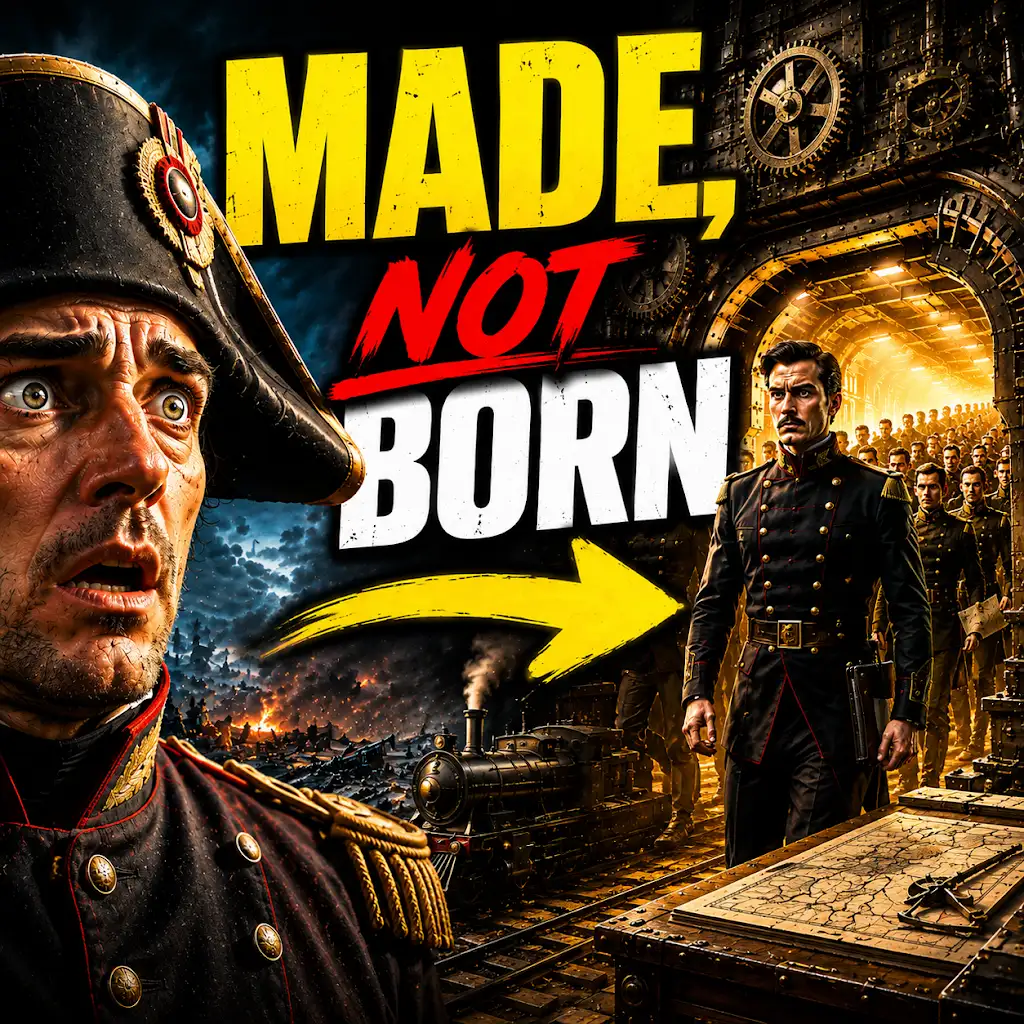
The Military Machine That Didn’t Need a Napoleon
FAQs
What is war gaming in the Prussian Army?
War gaming in the Prussian Army refers to the use of strategic and tactical simulations to train and prepare military officers for warfare. It was a key component of the Prussian military education system in the 19th century.
Who developed the concept of war gaming in the Prussian Army?
The concept of war gaming in the Prussian Army was developed by Prussian military theorist and general, Carl von Clausewitz. He is considered one of the most influential military strategists in history.
How did war gaming benefit the Prussian Army?
War gaming allowed the Prussian Army to test and refine military strategies and tactics in a controlled environment. It also provided a platform for officers to develop critical thinking and decision-making skills.
Was war gaming in the Prussian Army influential beyond Prussia?
Yes, the concept of war gaming in the Prussian Army had a significant impact on military education and training worldwide. Many other countries adopted similar war gaming practices based on the Prussian model.
Is war gaming still used in modern military training?
Yes, war gaming continues to be an important tool in modern military training and education. It is used by armed forces around the world to simulate and analyze various military scenarios.