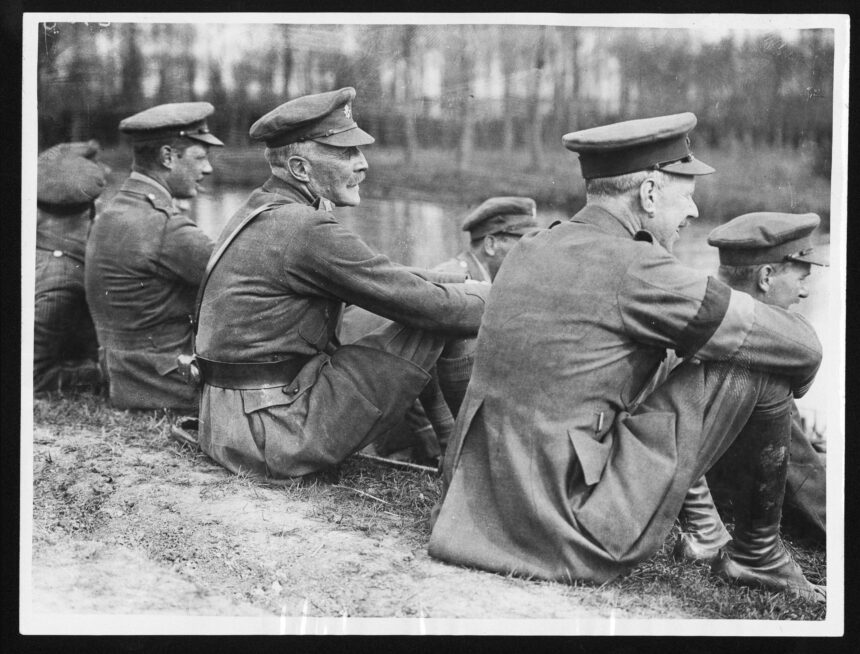
Helmuth von Moltke and the General Staff: A Strategic Legacy
Helmuth von Moltke, often referred to as “the Elder” to distinguish him from his nephew, stands as a titan in the annals of military strategy. His tenure as Chief of the Prussian General Staff, from 1857 to 1888, witnessed not only the dramatic unification of Germany but also the fundamental transformation of military planning and execution. Moltke’s genius lay not in grand pronouncements or personal battlefield heroism, but in his methodical, intellectual approach to warfare. He understood that victory was not solely the product of courage and firepower, but of meticulous preparation, intricate logistical planning, and a profound understanding of the political and geographical landscapes in which conflicts would unfold. His legacy is inextricably linked to the institution he so profoundly shaped: the General Staff, a body that became the blueprint for military planning organizations worldwide.
Moltke’s early life and formative experiences were crucial in shaping his unique perspective on warfare. Born into a Danish noble family, he served briefly in the Danish army before entering Prussian service. This early exposure to different military cultures provided him with a broader understanding of military organization and doctrine. His intellectual curiosity and dedication to study were evident even in his youth, as he immersed himself in history, geography, and the nascent field of statistics. These diverse interests would later coalesce into his groundbreaking approach to military science.
Early Military Career and Intellectual Development
Moltke’s initial years in the Prussian army were marked by quiet competence rather than overt brilliance. He served in various staff roles, where he honed his administrative skills and developed a keen eye for detail. It was during this period that he began to question traditional military thinking, which often relied on intuition and rote memorization of historical campaigns. He recognized the need for a more analytical and scientific approach to war, one that could adapt to the rapidly changing technological and political realities of the 19th century.
Exposure to the Ottoman Empire and its Impact
A significant turning point in Moltke’s intellectual development was his service as a military advisor to the Ottoman Empire in the 1830s. This experience provided him with invaluable insights into the complexities of warfare in a vast and diverse region. He witnessed firsthand the challenges of logistics, communication, and command across extended distances and diverse terrains. The Ottoman army, while large, suffered from significant organizational and strategic deficiencies. Moltke, observing these shortcomings, began to formulate his own ideas about how a modern military force should be structured, trained, and led. His observations in the East underscored the critical importance of a well-trained and independent General Staff capable of providing overarching strategic direction.
Helmuth von Moltke, known for his pivotal role in the development of the German General Staff system, significantly influenced military strategy in the 19th century. His innovative approaches to command and control are discussed in detail in a related article that explores the evolution of military leadership and organization. For more insights into this topic, you can read the article here: The Evolution of Military Leadership.
Reimagining the General Staff
Moltke inherited a General Staff that, while respected, lacked the comprehensive scope and authority it would later attain under his leadership. His primary contribution was to elevate this body from a subordinate advisory unit to the supreme organ of military command, responsible for all aspects of planning, training, and strategic direction. He fostered an environment of intellectual rigor, promoting critical thinking, rigorous analysis, and a culture of continuous learning.
The Rise of a Professional Military Cadre
Under Moltke’s guidance, the General Staff transitioned from a loose association of officers to a highly professional and specialized organization. He emphasized the recruitment of talented individuals from across the army, irrespective of their social standing, and subjected them to a demanding selection and training process. This ensured a constant influx of skilled officers dedicated to the art and science of warfare. The focus was on developing officers with broad knowledge, analytical prowess, and the ability to think independently and creatively under pressure.
Education and Training as Pillars of Excellence
Moltke recognized that a sophisticated General Staff required a sophisticated educational system. He played a pivotal role in shaping the curriculum and pedagogical methods of the Prussian War Academy (Kriegsakademie). The curriculum moved beyond mere tactical instruction to encompass a wide range of subjects, including history, geography, economics, law, and political science. Students were encouraged to engage in critical debate, analyze historical campaigns from multiple perspectives, and develop their own strategic insights. The emphasis was on cultivating an understanding of the interconnectedness of military action with broader political and societal goals.
The Importance of a “Decentralized” Command Structure
While the General Staff was the central nervous system of the Prussian army, Moltke also championed a degree of operational decentralization. He understood that in the fog of war, rigid, top-down command could be detrimental. He therefore instilled in his subordinates the principle of Auftragstaktik, or mission-type tactics. This doctrine empowered subordinate commanders to exercise initiative within the framework of the overall strategic objective. They were given a clear understanding of the mission and the enemy’s likely actions but were granted considerable latitude in how they achieved the objective. This allowed for greater flexibility and responsiveness to the dynamic battlefield.
The General Staff as the “Brain” of the Army
Moltke envisioned the General Staff as the intellectual powerhouse of the army, responsible for translating political objectives into military plans. This involved an intricate process of intelligence gathering, threat assessment, logistical planning, and operational design. The General Staff became the repository of military knowledge, constantly updating its understanding of potential adversaries, technological advancements, and the geopolitical landscape.
Intelligence Gathering and Analysis: A Strategic Imperative
Moltke placed immense importance on accurate and comprehensive intelligence. The General Staff established robust systems for gathering information on enemy strengths, dispositions, and intentions. This information was then subjected to rigorous analysis to identify vulnerabilities and opportunities. He understood that sound strategic decisions could only be made on the basis of reliable data, and his emphasis on intelligence laid the groundwork for modern intelligence agencies.
War Gaming and Scenario Planning: The Art of Preparation
A hallmark of Moltke’s approach was his insistence on thorough preparation through war games and scenario planning. The General Staff would meticulously simulate potential conflicts, exploring various courses of action and their likely outcomes. These exercises were not merely theoretical exercises but served to identify potential pitfalls, refine operational plans, and train staff officers in decision-making under simulated stress. This proactive approach to planning significantly reduced the element of surprise and enhanced the army’s readiness.
The Master Architect of Victory: Moltke’s Wars
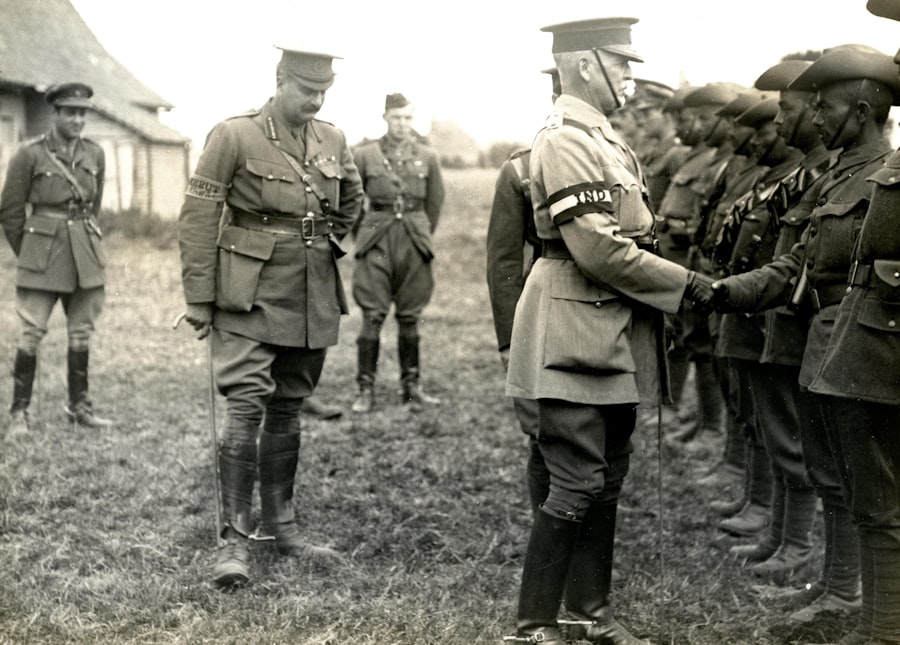
Moltke’s strategic genius was put to the ultimate test in a series of decisive wars that fundamentally reshaped the European balance of power. His meticulous planning and innovative strategies were instrumental in Prussia’s victories over Denmark, Austria, and France, culminating in the unification of Germany. These conflicts were not just military triumphs but also served as practical laboratories for his theories, demonstrating the efficacy of his approach to military organization and command.
The Danish War (1864): A Tactical Debut
The Second Schleswig War, while a relatively small-scale conflict, provided the first significant demonstration of Moltke’s strategic acumen. He understood the political complexities of the war and devised a plan that achieved Prussia’s objectives with minimal expenditure of resources and casualties. The swift and decisive nature of the Prussian victory, achieved through a combination of calculated aggression and effective logistical support, signaled the arrival of a new era in Prussian military planning.
The Strategic Objective: Securing German Interests
Moltke’s strategy in the Danish War was guided by a clear understanding of the political objectives. He aimed to assert German influence over the duchies of Schleswig and Holstein, while avoiding unnecessary escalation with other European powers. His plan emphasized the rapid deployment of forces and the decisive defeat of Danish resistance, thereby creating a fait accompli that would be difficult for other nations to overturn.
The Use of Mobilization and Logistics: A Foundation for Success
The war highlighted Moltke’s emphasis on efficient mobilization and logistics. He understood that the ability to quickly concentrate forces at a decisive point was crucial for victory. The Prussian army, under his guidance, demonstrated a remarkable capacity to mobilize and transport troops and supplies, a testament to the improvements made to the General Staff’s organizational capabilities.
The Austro-Prussian War (1866): The Triumph of Strategy
The war against Austria, a far more formidable adversary, cemented Moltke’s reputation as a master strategist. His plan involved a complex maneuver to divide and defeat the Austrian armies in detail. The Battle of Königgrätz, a decisive Prussian victory, was a testament to his ability to anticipate enemy movements and exploit their weaknesses through superior operational planning and execution. This victory not only unified Germany under Prussian leadership but also established the Prussian General Staff as the preeminent military organization in Europe.
The “Split and Envelop” Strategy: A Masterstroke of Operational Art
Moltke’s strategy for the Austro-Prussian War was a textbook example of operational art. He divided the Prussian forces into three armies, each with a clear mission, but designed to converge on the enemy at a decisive point. This strategy aimed to prevent the Austrians from concentrating their forces and allowed the Prussians to engage them with superior numbers. The meticulous coordination of these armies, despite the vast distances and the challenges of communication, was a testament to the General Staff’s planning capabilities.
The Role of the Railway: A New Dimension in Warfare
The Austro-Prussian War also marked a pivotal moment in the integration of new technologies into warfare. Moltke recognized the transformative potential of the railway system for the rapid deployment of troops and supplies. His plans meticulously incorporated railway logistics, allowing the Prussian army to move with unprecedented speed and efficiency. This innovative use of infrastructure gave Prussia a significant strategic advantage.
The Franco-Prussian War (1870-1871): The Ultimate Vindication
The war against France was the ultimate vindication of Moltke’s strategic vision. The Prussian army, meticulously prepared and expertly led, achieved a swift and overwhelming victory, leading to the collapse of the Second French Empire and the proclamation of the German Empire. The siege of Paris and the subsequent capture of Emperor Napoleon III were symbols of Prussia’s military dominance. Moltke’s planning extended beyond the battlefield, encompassing the political and diplomatic aspects of the conflict, ensuring that the military victory translated into a lasting political settlement.
The Art of Maneuver Warfare: Outmaneuvering the Enemy
Moltke’s strategy in the Franco-Prussian War emphasized maneuver warfare, aiming to outflank and encircle the French armies rather than engaging in costly frontal assaults. The encirclement of the French army at Sedan and the subsequent capture of Napoleon III were particularly brilliant examples of this approach. The objective was to achieve decisive results with minimal casualties, a hallmark of efficient and intelligent warfare.
The Importance of Centralized Planning and Decentralized Execution
The war demonstrated the effective implementation of Moltke’s philosophy of centralized planning combined with decentralized execution. The General Staff provided the overarching strategic direction, but subordinate commanders were empowered to make tactical decisions on the ground, adapting to the rapidly evolving battlefield situation. This flexibility was crucial in overcoming the initial French resistance and achieving a swift victory.
The Enduring Influence of Moltke’s Principles
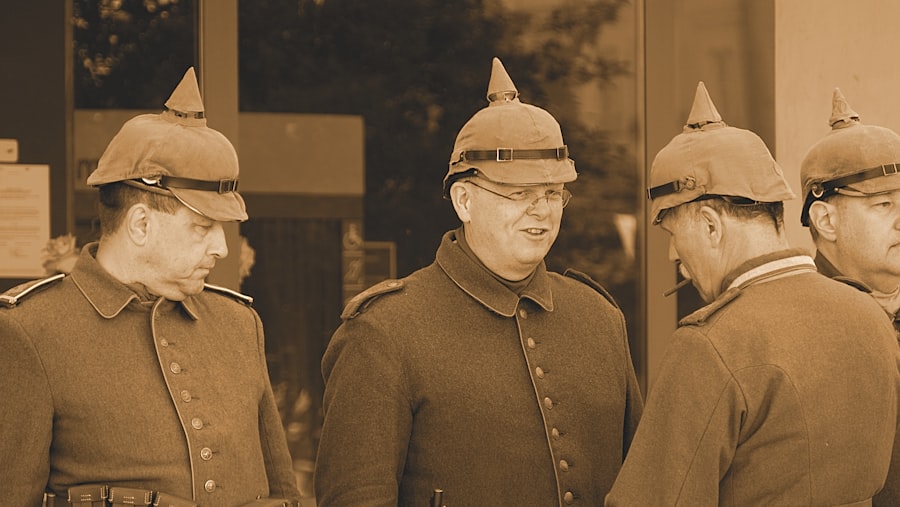
Moltke’s impact extended far beyond the battlefield. His systematic approach to military planning and his emphasis on the professionalization of the General Staff had a profound and lasting influence on military thought and organization worldwide. His principles, adapted and refined over time, continue to shape the way armies are structured, trained, and led even today.
The General Staff Model: A Global Blueprint
The Prussian General Staff, under Moltke’s leadership, became the model for general staff systems in armies across the globe. Nations sought to emulate its organizational structure, its rigorous training methods, and its commitment to intellectual rigor. The concept of a dedicated staff body responsible for strategic planning, intelligence analysis, and operational design became a universal feature of modern military organizations.
The Concept of Kriegsraison (Reason of State in War)
Moltke understood that war was an instrument of policy and that military objectives must always be aligned with political goals. This concept of Kriegsraison emphasized the need for clear communication and cooperation between civilian leaders and military commanders. He believed that military action should serve the broader interests of the state and that the military should not operate in a vacuum.
The Development of Military Doctrine and Theory
Moltke’s legacy is not just in the practical application of strategy but also in the theoretical foundations he laid for military doctrine. His writings and the operational plans produced by the General Staff provided a rich body of work that influenced military thinkers for generations. His emphasis on flexibility, initiative, and the importance of understanding the enemy contributed significantly to the development of modern military theory.
The Evolution of Warfare: Adapting to New Realities
While Moltke’s strategies were highly effective in the context of 19th-century warfare, his enduring legacy lies in his emphasis on adaptability and continuous learning. He understood that warfare was a dynamic phenomenon, constantly evolving with technological advancements and changing political landscapes. His principles provided a framework for future generations to adapt their strategies and organizations to new challenges.
The Impact of Technology on Strategy
Moltke lived during a period of rapid technological change, from the widespread adoption of railways to improvements in weaponry. He recognized the need to integrate these advancements into military planning. His legacy encourages a forward-looking approach, urging military leaders to constantly assess the impact of new technologies on strategy and tactics.
The Importance of Human Factor and Leadership
Despite his emphasis on planning and organization, Moltke never neglected the human element. He understood the importance of well-trained and motivated soldiers and the critical role of effective leadership at all levels. His doctrine of Auftragstaktik, empowering subordinate commanders, is a testament to his belief in the initiative and judgment of individual leaders.
Helmuth von Moltke, known for his innovative strategies and the development of the General Staff system, significantly influenced military operations in the 19th century. His approach to planning and executing campaigns laid the groundwork for modern military organization and strategy. For those interested in exploring more about the evolution of military leadership, you can read a related article that delves into the impact of Moltke’s strategies on contemporary warfare by following this link.
Conclusion: A Legacy of Intellectual Rigor
| Metrics | Data |
|---|---|
| Years of Service | 1825–1888 |
| Rank | Field Marshal |
| Known for | Reforming the Prussian army and the German General Staff |
| Key Contributions | Developed the concept of ‘military strategy’ |
Helmuth von Moltke the Elder was more than just a successful general; he was a revolutionary thinker whose ideas transformed the nature of warfare. His creation and cultivation of the Prussian General Staff established a paradigm for military planning that continues to resonate today. His legacy is one of intellectual rigor, meticulous preparation, and a profound understanding of the intricate relationship between policy and the application of force. The wars he waged and the victories he secured were not mere conquests, but the tangible manifestations of a strategic mind that understood that true military greatness lay not just in the clash of arms, but in the power of forethought and the art of calculated execution. The General Staff, as he envisioned and built it, remains a testament to his enduring vision of a military force guided by intelligence, adaptability, and an unwavering commitment to strategic excellence.
The Military Machine That Didn’t Need a Napoleon
FAQs
1. Who was Helmuth von Moltke?
Helmuth von Moltke was a Prussian and German military leader who served as the Chief of the Prussian General Staff from 1857 to 1888. He is known for his significant reforms and modernization of the Prussian military.
2. What is the General Staff?
The General Staff is a military organization responsible for strategic planning, intelligence gathering, and operational coordination. It plays a crucial role in the command and control of military forces.
3. What reforms did Helmuth von Moltke implement during his tenure as Chief of the General Staff?
Moltke implemented several reforms, including the adoption of the railway system for military transportation, the development of a comprehensive war plan, and the establishment of a centralized system for military intelligence.
4. What was Moltke’s role in the Franco-Prussian War of 1870-1871?
Moltke played a key role in the planning and execution of the Franco-Prussian War. His strategic brilliance and meticulous planning contributed to the decisive Prussian victory and the unification of Germany under Prussian leadership.
5. What was Moltke’s legacy in the history of military strategy and leadership?
Moltke’s legacy is characterized by his innovative approach to military strategy, his emphasis on thorough planning and preparation, and his influential leadership style. He is widely regarded as one of the most accomplished military leaders of the 19th century.