Prussian Mission Command: Effective Leadership in Action
In the annals of military history, few concepts have proven as enduringly influential and remarkably effective as Prussian Mission Command. More than just a tactical doctrine, it represents a profound philosophy of leadership, one that emphasizes trust, initiative, and decentralized decision-making. Emerging from the crucible of Prussian military reforms in the 19th century, it transformed a competent but often rigid army into a formidable force, capable of remarkable agility and battlefield success. This article will delve into the core tenets of Prussian Mission Command, exploring its foundational principles, its practical application, and its lasting legacy on leadership, not only in the military but also in the broader spheres of organizational management.
The need for a paradigm shift in military leadership became acutely apparent to Prussian strategists in the wake of their defeats against Napoleon. The French Grande Armée, with its emphasis on speed, maneuver, and inspired leadership, exposed the limitations of the Prussian military’s more rigid, centralized command structure. The old ways, characterized by meticulous pre-planning and strict adherence to orders, struggled to adapt to the fluid and unpredictable nature of modern warfare. This period of introspection and reform gave birth to the intellectual underpinnings of Mission Command.
The Shadow of Napoleon and the Call for Reform
Napoleon Bonaparte’s military genius was undeniable, and his campaigns across Europe demonstrated the power of a more adaptable and initiative-driven approach to warfare. Prussian military thinkers, notably Carl von Clausewitz, observed these developments closely. Clausewitz’s seminal work, On War, while not explicitly detailing Mission Command, laid the philosophical groundwork for understanding the inherently uncertain and chaotic nature of combat, advocating for a commander’s ability to understand the “fog of war” and act decisively within it. This understanding was crucial in moving away from pre-ordained plans towards a more dynamic response.
The Influence of Moltke the Elder
Count Helmuth von Moltke, known as Moltke the Elder, is widely recognized as the architect and principal proponent of Prussian Mission Command. As Chief of the Prussian General Staff for over three decades, Moltke orchestrated military victories that reshaped the European map, most notably in the Austro-Prussian War of 1866 and the Franco-Prussian War of 1870-1871. His genius lay not in dictating every move, but in creating a system that empowered subordinates to act intelligently and decisively in pursuit of a shared strategic vision.
Fostering Decentralization: The Heart of the Matter
Moltke understood that in the heat of battle, communication lines could be severed, and the supreme commander’s intent could become outdated by rapidly evolving circumstances. Therefore, he championed the idea of entrusting initiative to commanders at lower levels, provided they understood the overarching commander’s intent. This was a radical departure from previous military thinking, which often viewed initiative as a potential deviation from disciplined obedience.
The Philosophical Underpinnings: Understanding and Trust
At its core, Prussian Mission Command is built upon a profound understanding of human nature and the complexities of leadership. It recognizes that battlefield success is not solely a product of superior firepower or intricate plans, but also of the courage, intelligence, and adaptability of individual leaders. This necessitates a culture of mutual trust between commanders and their subordinates.
The Commander’s Intent: More Than Just an Order
A central pillar of Mission Command is the clear articulation of the “commander’s intent.” This is not simply a statement of objectives, but a broader explanation of the purpose of the operation, the desired end-state, and the critical conditions that must be met. It allows subordinates to understand why an action is being taken, enabling them to make informed decisions and adapt their plans when unforeseen circumstances arise, even if those decisions deviate from the original implied methods.
Fostering Initiative: Empowering the Subordinate
The concept of “Auftragstaktik” (Mission Tactics) is the practical manifestation of this philosophy. It means that commanders issue directives that define the mission, the operational environment, and the commander’s intent, but leave the specific methods of execution to the subordinate. This empowers junior officers and NCOs to seize opportunities, exploit weaknesses, and react to threats without needing to seek approval for every minor adjustment.
Prussian mission command, characterized by decentralized decision-making and the empowerment of subordinate leaders, has significantly influenced modern military strategies. For a deeper understanding of this concept and its implications in contemporary warfare, you can refer to a related article on the subject at In the War Room. This resource provides valuable insights into the evolution of mission command and its relevance in today’s complex operational environments.
The Pillars of Mission Command: A Deeper Dive
Prussian Mission Command is not a monolithic concept but a cohesive system built upon several interconnected pillars. These pillars work in synergy to create a flexible and effective leadership framework.
Cultivating Subordinate Initiative: The Engine of Agility
The deliberate cultivation of subordinate initiative is arguably the most distinctive feature of Mission Command. It requires a conscious effort to delegate authority and responsibility, coupled with a willingness to accept that subordinates may approach tasks differently than the commander would. This breeds confidence and fosters a sense of ownership among those executing the mission.
Training for Uncertainty: Beyond Static Drills
Training under Mission Command is not about rote memorization and rigid adherence to predefined scenarios. Instead, it focuses on developing adaptable thinking, problem-solving skills, and the ability to operate effectively in ambiguous situations. Wargames, simulations, and realistic exercises are designed to expose leaders to a wide range of challenges, forcing them to think critically and make decisions under pressure.
The Role of the “Gefechtskopf” (Battle Mind)
Prussian military thinkers emphasized the importance of developing a “Gefechtskopf,” or battle mind. This refers to the mental readiness and cognitive agility required to understand the battlefield, anticipate enemy actions, and exploit opportunities. It is a product of rigorous training, experience, and a deep understanding of the principles of warfare.
Prussian mission command has long been a topic of interest for military strategists and historians alike, as it emphasizes decentralized decision-making and the importance of initiative among subordinates. For those looking to delve deeper into this fascinating subject, a related article can provide valuable insights into its historical context and application in modern warfare. You can explore this further in the article found here, which discusses the evolution of command structures and their impact on military effectiveness.
Articulation of Intent: Clarity Amidst Chaos
The clarity and comprehensiveness of the commander’s intent are paramount. A well-articulated intent provides a guiding star for subordinate actions, ensuring that even when adapting methods, the overall objective remains in focus. This involves more than just issuing a command; it requires skillful communication and a genuine effort to ensure understanding.
The “Why” Behind the “What”: Context and Purpose
Understanding the “why” behind a mission is crucial for effective decentralized execution. When subordinates grasp the broader strategic context and the ultimate purpose of their actions, they are better equipped to make independent decisions that contribute to the overall success of the operation. This requires leaders to be open and transparent about their thinking.
End-State and Critical Conditions: Defining Success
Beyond the immediate objective, the commander’s intent must also define the desired end-state and the critical conditions that will signify success. This provides a clear target for subordinates to aim for and allows them to assess their progress and adjust their efforts accordingly.
Decentralization of Execution: Trust in Action
The core principle of decentralization allows for the most effective utilization of resources and the swiftest response to battlefield developments. It recognizes that the commander on the ground, facing immediate circumstances, is often best placed to make tactical decisions.
Empowering Junior Leaders: The Foundation of Adaptability
Prussian Mission Command empowered junior officers and NCOs to a degree rarely seen in other armies of the time. They were encouraged to take initiative, to improvise, and to lead their units with confidence. This decentralization was not a sign of weakness, but a deliberate strategy to maximize the army’s responsiveness and battlefield effectiveness.
The Managerial Dilemma: Balancing Control and Freedom
While decentralization is key, it does not imply a complete abdication of control. Commanders still retain oversight and the ultimate responsibility for the mission’s success. The challenge lies in finding the right balance between granting freedom of action and maintaining a degree of situational awareness and control.
Practical Application: Mission Command in Practice
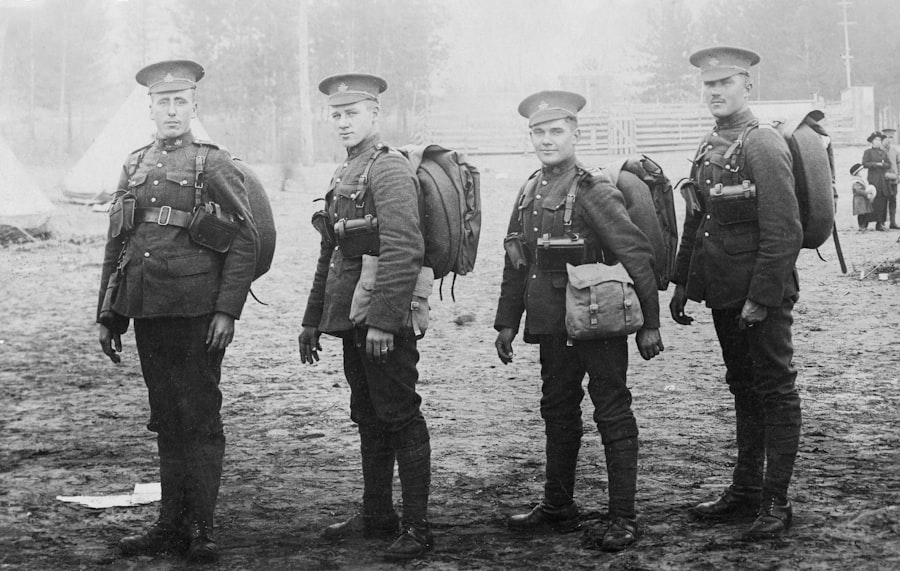
The theoretical principles of Mission Command were put to the test in numerous Prussian campaigns, demonstrating its practical efficacy. The success of these operations provided compelling evidence for its superiority over more centralized approaches.
The Prussian General Staff: An Engine of Coordination
The Prussian General Staff played a crucial role in operationalizing Mission Command. This highly trained and professional body was responsible for developing strategic plans, analyzing intelligence, and providing staff support to commanders at all levels. Their role was not to micromanage, but to facilitate informed decision-making and ensure coherence across the army.
Staff Rides and Training Exercises: Rehearsing the Concept
The General Staff organized extensive staff rides and training exercises that allowed commanders and their staffs to practice the principles of Mission Command. These exercises simulated complex operational scenarios, forcing participants to think critically, communicate effectively, and make decisions under pressure.
The Development of Doctrine: Codifying Best Practices
The experiences gained from these exercises and real-world operations were meticulously documented and codified into military doctrine. This process ensured that the lessons learned were passed down to future generations of leaders, solidifying the principles of Mission Command within the Prussian military.
The Austro-Prussian War (1866): A Masterclass in Agility
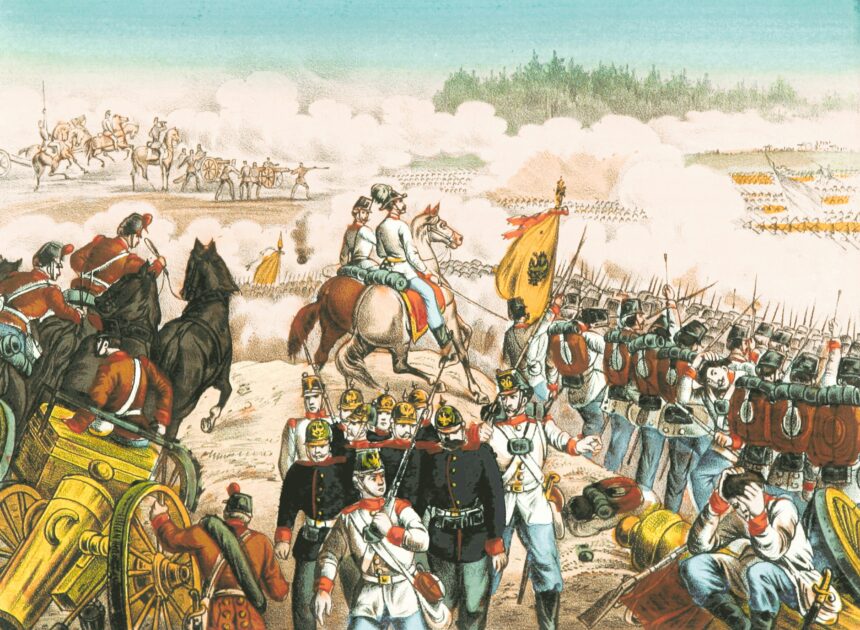
The Austro-Prussian War is often cited as a prime example of Mission Command in action. The Prussian army, equipped with superior breech-loading rifles and employing decentralized tactics, achieved a decisive victory over the larger Austrian forces.
The Battle of Königgrätz: Speed and Initiative Prevail
The Battle of Königgrätz (Sadowa) exemplified the advantages of Mission Command. Prussian corps commanders, acting on their understanding of the overall intent and the evolving battlefield, made independent decisions to reinforce critical sectors and exploit opportunities, leading to the encirclement and decisive defeat of the Austrian army. This was achieved despite communication challenges and the vastness of the battlefield.
Exploiting Disparate Units: The Power of Coordinated Independence
Moltke’s strategy relied on the coordinated independence of his corps. While they operated somewhat autonomously, their actions were guided by a shared understanding of the overarching strategic goal. This allowed the Prussian army to achieve a level of flexibility and responsiveness that overwhelmed the more rigid Austrian command structure.
The Franco-Prussian War (1870-1871): Sustaining Momentum
The Franco-Prussian War further cemented the reputation of Prussian military effectiveness, heavily influenced by Mission Command. The ability to adapt to changing battlefield conditions and maintain offensive momentum proved critical.
The Siege of Paris: Strategic Vision and Tactical Adaptability
While the siege of Paris was a lengthy affair, the Prussian army’s operational maneuvers leading up to it demonstrated the power of Mission Command. Corps commanders, anticipating French movements and seizing opportunities to disrupt their formations, effectively isolated French armies and paved the way for victory.
The Role of the Railroads and Logistics: Enabling Decentralization
The effective use of railways for rapid deployment and supply was also a key factor. This logistical advantage, combined with the decentralized execution of battlefield tactics, allowed the Prussians to maintain a relentless tempo of operations, outmaneuvering and defeating their French adversaries.
The Legacy of Mission Command: Beyond the Battlefield
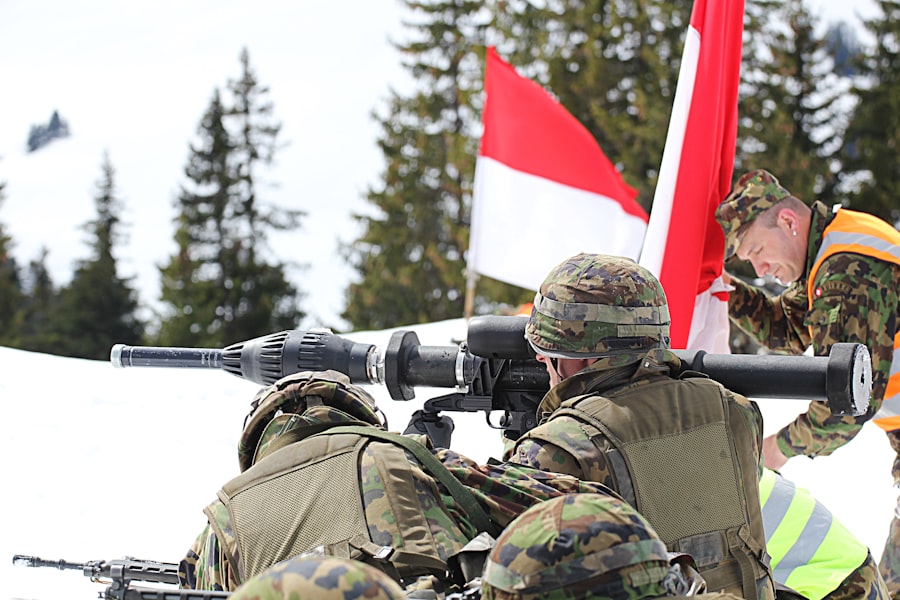
The influence of Prussian Mission Command extends far beyond the realm of military strategy. Its core principles have resonated with leaders in various fields, offering valuable insights into effective leadership and organizational management.
Modern Military Adaptation: The Evolution of Auftragstaktik
Contemporary military forces worldwide have adopted variations of Mission Command. While the specific terminology and emphasis may differ, the underlying philosophy of empowering subordinates, fostering initiative, and clearly articulating commander’s intent remains a cornerstone of effective modern warfare.
The U.S. Army’s Approach: Mission Essential Tasks and Intent
The U.S. Army, for example, has its own framework that closely aligns with Mission Command. Concepts like “mission essential tasks” and a strong emphasis on “commander’s intent” reflect the enduring influence of these Prussian principles. The goal is to create agile and adaptable units capable of operating in complex and unpredictable environments.
The Royal Marines’ “By Their Own Effort”: A Similar Spirit
Even organizations like the British Royal Marines, with their ethos of “by their own effort,” embody a similar spirit of independent action and initiative, born from a deep understanding of their mission and the trust placed in their leaders.
Business Leadership: Embracing Agility and Empowerment
The principles of Mission Command offer a compelling alternative to traditional hierarchical management structures in the business world. In today’s rapidly evolving markets, organizations that empower their employees and foster initiative are often more innovative and resilient.
Empowering Employees: Unleashing Potential and Innovation
Just as junior Prussian officers were trusted with battlefield decisions, employees at all levels in a business can be empowered to take ownership of their tasks, propose solutions, and adapt to changing customer needs. This fosters a more engaged and productive workforce.
The Importance of Clear Vision and Purpose: Guiding Strategic Alignment
In business, as in war, a clear overarching vision and purpose are essential. Leaders must articulate the company’s strategic goals and the rationale behind them, allowing employees to make independent decisions that align with the organization’s overall direction.
Continuous Learning and Adaptation: The Unchanging Imperative
Prussian Mission Command was not a static doctrine but a philosophy that evolved with experience. This emphasis on continuous learning and adaptation is crucial for any leader or organization seeking to remain effective in a dynamic world.
The Need for Feedback and Reflection: Learning from Experience
Both military and civilian leaders must foster a culture of open feedback and critical self-reflection. Analyzing successes and failures, understanding what worked and why, is essential for refining strategies and improving performance.
The Future of Leadership: Agility and Trust as Core Competencies
As the world becomes increasingly complex and unpredictable, the tenets of Prussian Mission Command – agility, trust, empowerment, and a clear understanding of intent – will only become more critical. The legacy of this 19th-century military philosophy continues to offer profound lessons for effective leadership in the 21st century and beyond.

The Military Machine That Didn’t Need a Napoleon
FAQs
What is Prussian mission command?
Prussian mission command is a military doctrine developed by the Prussian Army in the 19th century. It emphasizes decentralized decision-making and initiative at the lower levels of command, allowing for greater flexibility and adaptability on the battlefield.
What are the key principles of Prussian mission command?
The key principles of Prussian mission command include Auftragstaktik (mission-type tactics), which empowers subordinate leaders to make decisions based on the commander’s intent, and the concept of decentralized execution, which allows for independent action by lower-level units.
How does Prussian mission command differ from traditional command structures?
Prussian mission command differs from traditional command structures in that it places a greater emphasis on empowering subordinate leaders to make decisions based on the commander’s intent, rather than relying on strict top-down control and micromanagement.
What are the benefits of implementing Prussian mission command?
The benefits of implementing Prussian mission command include increased agility and adaptability on the battlefield, as well as the development of more capable and independent leaders at all levels of command.
Which modern military organizations have adopted Prussian mission command principles?
Modern military organizations, including the United States Army and other NATO allies, have incorporated elements of Prussian mission command into their doctrine, recognizing the value of decentralized decision-making and initiative in complex and dynamic operational environments.