Prussia’s Military Mastery: Producing Great Generals
The history of warfare is punctuated by the rise of nations that, through sheer strategic brilliance and an unwavering dedication to martial excellence, reshaped the geopolitical landscape. Among these, Prussia stands as a singular testament to the power of a meticulously crafted military machine, a force that, despite its relatively small size, consistently punched above its weight and dominated European battlefields for centuries. At the heart of this formidable power lay its unparalleled ability to cultivate and produce great generals, individuals who embodied the Prussian ethos of discipline, innovation, and unyielding resolve. The story of Prussia’s military mastery is inextricably linked to the caliber of its leadership, a narrative woven with the threads of rigorous training, a meritocratic system, and a profound understanding of the art and science of war.
Prussia’s ascent to military prominence was no accident; it was a deliberate and systematic endeavor, built upon a bedrock of foundational principles that permeated every level of its society, but most acutely its armed forces. This meticulous approach to military preparedness ensured that when conflict arose, Prussia was not merely ready but poised for victory.
The Legacy of Frederick William, the Great Elector
The seeds of Prussia’s military greatness were sown by Frederick William, the Great Elector of Brandenburg-Prussia. Recognizing the vulnerability of his fragmented territories, he understood that a strong and disciplined army was paramount for survival and expansion.
Building a Standing Army
Unlike many of his contemporaries who relied on feudal levies or hired mercenaries, the Great Elector championed the concept of a permanent, standing army. This provided a consistent and loyal fighting force, always ready for deployment, and allowed for standardized training and equipment.
Establishing a Professional Officer Corps
Crucially, the Great Elector began to professionalize the officer corps. He moved away from solely relying on noble lineage, acknowledging the need for competent leadership. This was the nascent stage of a system that would later become a hallmark of Prussian military success.
The Influence of Frederick the Great: The Architect of Prussian Doctrine
Frederick II, known as Frederick the Great, is arguably the most significant figure in shaping Prussian military doctrine and fostering the development of exceptional generals. His reign witnessed Prussia’s transformation into a major European power, largely due to his revolutionary strategies and his ability to inspire and develop brilliant commanders.
The Obsession with Training and Discipline
Frederick the Great was an ardent believer in the transformative power of rigorous training and absolute discipline. He understood that an army’s effectiveness on the battlefield was directly proportional to the precision with which its soldiers and officers executed maneuvers and followed orders.
The “School of the Drill Sergeant”
The Prussian army became renowned for its relentless drills. Soldiers spent countless hours mastering complex formations, marching in perfect unison, and executing volleys with machine-like efficiency. This created an army that could move as a single, cohesive unit, even under the most intense pressure. This emphasis on perfect execution was not merely about obedience; it was about instilling a deep understanding of tactical principles that could be applied instantaneously. The drill sergeant was not just a disciplinarian; he was a foundational educator in the language of warfare.
The Importance of the Maneuver
Frederick the Great also revolutionized battlefield tactics, moving away from the cumbersome linear formations favored by many. He emphasized maneuver, speed, and the decisive use of reserves. His army was trained to execute complex flanking movements and to exploit weaknesses in the enemy’s lines with astonishing agility. This required officers who could think on their feet, adapt to changing circumstances, and communicate orders effectively through the fog of war.
The “Oblique Order” and Tactical Innovation
Frederick the Great’s most famous tactical innovation was the “oblique order.” This strategy involved concentrating a superior force against the enemy’s flank while the center engaged in a holding action. It was a risky but incredibly effective tactic that could shatter enemy formations and lead to decisive victories. The successful implementation of such a complex maneuver demanded officers with exceptional strategic foresight and the ability to execute intricate plans under immense duress. It was a testament to the quality of leadership that Prussia was able to consistently produce.
The Legacy of the General Staff
The development of a professional General Staff was a cornerstone of Prussia’s enduring military success, particularly in the post-Napoleonic era. This institution institutionalized the creation, analysis, and dissemination of military knowledge, ensuring a continuity of strategic thinking that transcended individual commanders.
From Ad Hoc Committees to a Permanent Body
Initially, the idea of a dedicated staff was rudimentary. However, it evolved into a sophisticated organization responsible for planning campaigns, analyzing intelligence, and training future leaders. This body became the intellectual engine of the Prussian military.
The Art of War as a Science
The General Staff transformed the art of war into a more quantifiable science. They meticulously studied past campaigns, analyzed logistical challenges, and developed theoretical frameworks for military operations. This rigorous academic approach fostered a generation of officers who approached warfare with intellectual curiosity and a deep understanding of its complexities.
Prussia’s remarkable ability to produce great generals can be attributed to its unique military education system and emphasis on strategic innovation. This topic is explored in more depth in the article titled “The Legacy of Prussian Military Strategy,” which examines how the Prussian approach to leadership and tactics shaped modern warfare. For further insights, you can read the article here: The Legacy of Prussian Military Strategy.
Cultivating Leadership: The Prussian Officer Academy
The Prussian military understood that producing great generals required more than just battle experience; it demanded a structured and rigorous educational framework designed to hone intellectual prowess, strategic thinking, and moral fortitude. The officer academies became crucibles where potential leaders were forged.
The Kriegsakademie: The Pinnacle of Military Education
The Kriegsakademie, or War Academy, in Berlin was the premier institution for officer education in Prussia. It was not merely a place to learn tactics; it was an environment designed to cultivate strategic thinkers and future leaders capable of operating at the highest levels of command.
Curriculum Focused on Strategy and Grand Tactics
The curriculum at the Kriegsakademie went far beyond the basics of battlefield maneuvers. It delved deeply into strategy, operational art, and the grand sweep of military history. Students were exposed to the theories of Machiavelli, Clausewitz, and Sun Tzu, learning to analyze the interplay of military, political, and economic factors in warfare.
The Study of Military History
A significant portion of the curriculum was dedicated to the intensive study of historical campaigns. Students were tasked with dissecting victories and defeats, identifying the critical decisions, and understanding the underlying principles that led to success or failure. This immersive approach allowed them to learn from the triumphs and errors of past masters, equipping them with a vast repertoire of strategic options.
Case Studies and War Games
The Kriegsakademie excelled in its use of case studies and war games. Students would be presented with hypothetical scenarios, often based on real historical situations, and tasked with developing detailed operational plans. These exercises pushed them to think critically, anticipate enemy moves, and make difficult decisions under simulated pressure, preparing them for the realities of command.
Emphasis on Intellectual Rigor and Analytical Skills
The emphasis was not on rote memorization but on developing sharp analytical skills and the ability to synthesize complex information. Officers were encouraged to question assumptions, challenge conventional wisdom, and develop their own strategic insights. This fostered an environment of intellectual curiosity and continuous improvement.
Practical Training and Field Exercises
While academic rigor was paramount, it was complemented by extensive practical training. Officers were expected to gain firsthand experience of military operations and to understand the logistical realities of campaigning.
The Importance of the “Feldzugs” (Campaigns)
Aspiring generals were expected to participate in actual campaigns whenever possible. This provided invaluable experience in leading troops in combat, managing logistics, and making life-or-death decisions in the chaotic crucible of war. It was in these “Feldzugs” that theoretical knowledge was tested against the unforgiving realities of the battlefield.
Simulated Maneuvers and Large-Scale Exercises
Beyond actual combat, Prussia placed a strong emphasis on large-scale maneuvers and simulated exercises. These events, often involving thousands of troops, allowed officers to practice coordinating complex operations, testing their leadership under pressure, and refining their understanding of troop deployment and movement. These exercises were meticulously planned and analyzed, providing crucial feedback for improvement.
The “Erster Generalstabschef” and the Professionalization of Staff Work
The position of the Chief of the General Staff, or “Erster Generalstabschef,” became increasingly influential, transforming the way military operations were planned and executed. This role demanded an individual with exceptional intellect, strategic vision, and the ability to lead and coordinate the work of a highly skilled staff.
The Evolution of the Role
The Chief of the General Staff evolved from a mere advisor to the King into the principal architect of Prussia’s military strategy. This individual was responsible for overseeing the entire planning process, from intelligence gathering and logistical coordination to the development of detailed operational orders.
The Brain Trust of the Army
The General Staff, under the guidance of its chief, functioned as the army’s “brain trust.” They produced the detailed plans that guided Prussian armies in victory, ensuring a level of coordination and foresight that was unmatched by many of their adversaries. This institution ensured that Prussian military thinking was not dependent on the charismatic presence of a single leader but was a systematic and enduring capability.
A Meritocratic System and the Rise of Competent Commanders
While lineage and tradition played a role, Prussia’s military system increasingly embraced meritocracy, recognizing that competence and talent, rather than birthright, were the true indicators of effective leadership. This allowed exceptional individuals, regardless of their social standing, to rise through the ranks.
The Decline of Pure Aristocratic Privilege
Though the aristocracy remained influential, there was a gradual but significant shift away from unquestioned aristocratic privilege in the officer corps. The need for skilled and capable commanders became paramount, leading to a greater emphasis on merit and demonstrated ability.
Promotion Based on Performance
Prussia began to implement systems that favored promotion based on performance and demonstrated skill rather than solely on noble lineage. This opened up opportunities for talented individuals from less privileged backgrounds to achieve high ranks, contributing to a more dynamic and effective officer corps.
The Influence of Non-Noble Officers
The presence of competent non-noble officers, while still a minority, began to demonstrate that military prowess was not exclusive to the aristocracy. These individuals often brought fresh perspectives and a strong work ethic, further enhancing the overall quality of leadership.
The Role of the “Ehrenoffiziere” (Honorary Officers) and the Bourgeoisie
The inclusion of “Ehrenoffiziere” (honorary officers) and the increasing presence of officers from the educated bourgeoisie further diversified the talent pool. These individuals often possessed strong educational backgrounds and a keen understanding of modern military principles.
Integration of Educated Citizens
Prussia recognized the value of educating its citizenry and saw military service as a noble path for those with intellectual aptitude. This led to the integration of educated citizens from the bourgeoisie into the officer ranks, bringing valuable skills in areas like engineering, logistics, and administration.
The “Kadettenhäuser” (Cadet Schools)
The “Kadettenhäuser,” or cadet schools, were crucial in identifying and nurturing talent from a young age. While often drawing from aristocratic families, they also provided opportunities for talented boys from other social strata to receive a rigorous military education, preparing them for future leadership roles.
The “Adjutant” System: Mentorship in Practice
The “Adjutant” system was a vital component of this meritocratic approach, serving as a practical form of mentorship for aspiring officers. Adjutants were often seasoned veterans who served alongside their commanders, learning firsthand about leadership, strategy, and the nuances of battlefield command.
Learning from Experienced Commanders
Young officers, serving as adjutants, were privy to the decision-making processes of their superiors. They observed how commanders assessed situations, formulated plans, and managed their troops, gaining invaluable practical knowledge that could not be replicated in classrooms.
The Transfer of Knowledge and Experience
This system facilitated the direct transfer of knowledge and experience from one generation of leaders to the next. It fostered a culture of learning and continuous development, ensuring that Prussian military leadership remained at the cutting edge of tactical and strategic thinking.
Key Figures: Exemplars of Prussian Generational Prowess
The enduring legacy of Prussian military mastery is most vividly illustrated by the caliber of its generals, individuals whose names echo through military history. These were not merely skilled soldiers; they were strategists, innovators, and leaders who embodied the Prussian spirit.
Field Marshal Gebhard Leberecht von Blücher: The “Marshal Forward”
Blücher was the epitome of Prussian tenacity and aggressive leadership. His unwavering commitment to the fight, even in the face of overwhelming odds, made him a legendary figure and a crucial ally in Prussia’s most critical conflicts.
The Battle of Waterloo and the Decisive Intervention
Blücher’s arrival at the Battle of Waterloo with his Prussian forces was a turning point, providing Napoleon with the decisive blow that secured Allied victory. His relentless pursuit and willingness to engage the enemy were hallmarks of his command.
Inspiring Loyalty and Resilience
His nickname, “Marshal Forward,” reflected his aggressive style and his ability to inspire immense loyalty and resilience in his troops. He was a man who led from the front, embodying the Prussian ideal of courage and determination.
Helmuth von Moltke the Elder: The Master Strategist and Architect of Victory
Moltke the Elder, often considered the father of modern German warfare, was a master strategist whose meticulous planning and innovative use of technology revolutionized warfare in the 19th century. His influence extended far beyond the battlefield.
The Austro-Prussian War (1866) and the Franco-Prussian War (1870-71)
Moltke masterminded Prussia’s swift and decisive victories in the Austro-Prussian War and the Franco-Prussian War. These conflicts showcased his genius in mobilizing vast armies, coordinating complex operations, and employing modern technologies like the telegraph for rapid communication.
The Importance of the Railroad
Moltke was an early adopter and astute strategist in the use of railroads for rapid troop deployment and logistical support. This ability to concentrate forces quickly gave Prussia a significant strategic advantage.
The Role of the General Staff
His leadership of the Prussian General Staff solidified its reputation as one of the most efficient and intellectually rigorous military organizations in the world. He created a system where detailed planning and analysis were paramount to battlefield success.
Generalfeldmarschall Albrecht von Roon: The Architect of Army Reform
While not a battlefield general in the same vein as Blücher or Moltke, Albrecht von Roon was instrumental in creating the modern Prussian army that these great commanders would lead. His reforms fundamentally reshaped the military’s structure and capabilities.
Universal Conscription and the “Drei-Klassen-Wahlrecht”
Roon championed universal conscription, ensuring a large, well-trained reserve force. His reforms also included the controversial “Drei-Klassen-Wahlrecht” (three-class suffrage) in Prussia, which indirectly influenced the social composition of the army and its leadership.
Modernizing the Prussian Military Machine
His efforts to modernize the Prussian military machine, from weaponry to training, provided the essential infrastructure and manpower that enabled Prussia’s string of victories and the rise of its celebrated generals. He built the framework within which genius could flourish.
Prussia’s remarkable ability to produce great generals can be traced back to its unique military education system and the emphasis on strategic thinking. This focus on developing leaders who could adapt to the complexities of warfare is well illustrated in the article on military strategy found at In The War Room, which explores how historical contexts shaped the tactics and leadership styles of various military figures. By fostering an environment that encouraged innovation and critical analysis, Prussia set a standard that influenced military practices around the world.
The Enduring Legacy of Prussian Military Thought
| General | Years of Service | Battles Won | Notable Achievements |
|---|---|---|---|
| Frederick the Great | 1740-1786 | Multiple | Reformed the Prussian army, won the Silesian Wars |
| Carl von Clausewitz | 1801-1831 | N/A | Authored “On War” and influenced military strategy |
| Helmuth von Moltke the Elder | 1822-1888 | Multiple | Modernized the Prussian army, won the Austro-Prussian and Franco-Prussian Wars |
The military principles and leadership models cultivated by Prussia did not vanish with the decline of the Prussian state. Their influence has resonated through subsequent military history, shaping the doctrines and strategies of armies across the globe. The Prussian emphasis on rigorous training, strategic foresight, intellectual development, and a meritocratic approach to leadership left an indelible mark on the art of war, a legacy that continues to be studied and adapted by military thinkers to this day. The “Prussian spirit” of discipline, innovation, and unwavering commitment to excellence remains a potent historical force, a testament to the profound impact of its remarkable generals and the military machine they commanded.
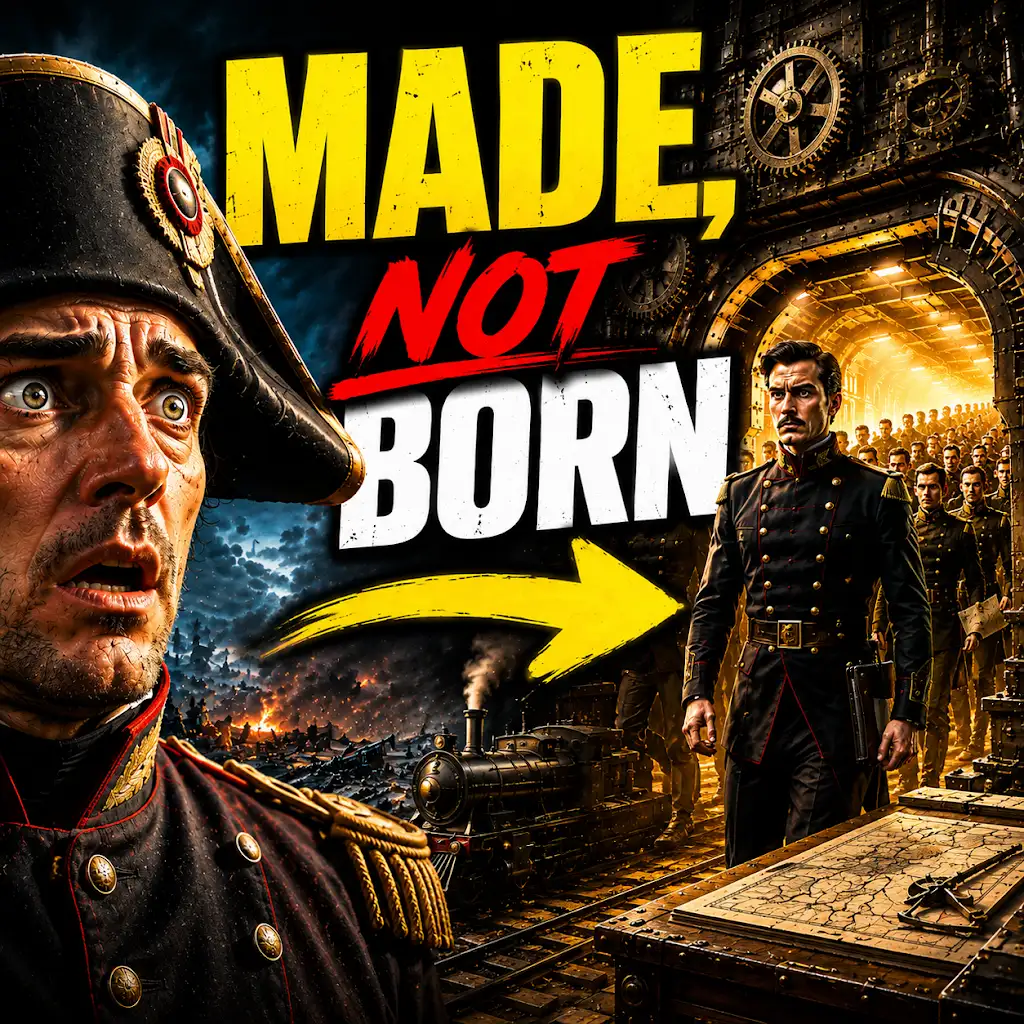
The Military Machine That Didn’t Need a Napoleon
FAQs
1. What was Prussia’s role in producing great generals?
Prussia was known for its military prowess and discipline, which played a significant role in producing great generals. The Prussian military system emphasized training, strategy, and leadership, which contributed to the development of exceptional military leaders.
2. Who were some of the notable generals produced by Prussia?
Prussia produced several notable generals, including Frederick the Great, Helmuth von Moltke, and Carl von Clausewitz. These generals were known for their strategic brilliance, tactical innovation, and leadership on the battlefield.
3. What factors contributed to Prussia’s success in producing great generals?
Prussia’s success in producing great generals can be attributed to several factors, including a strong emphasis on military education and training, a well-organized and disciplined military system, a culture of strategic thinking and innovation, and a tradition of military excellence.
4. How did Prussia’s military system differ from other European powers?
Prussia’s military system differed from other European powers in its emphasis on discipline, training, and merit-based promotion. The Prussian military also had a strong focus on strategic planning, logistics, and the integration of new technologies into its forces.
5. What impact did Prussia’s great generals have on military history?
The great generals produced by Prussia had a significant impact on military history, influencing tactics, strategy, and leadership for generations to come. Their contributions helped shape modern warfare and continue to be studied and admired by military leaders and historians.