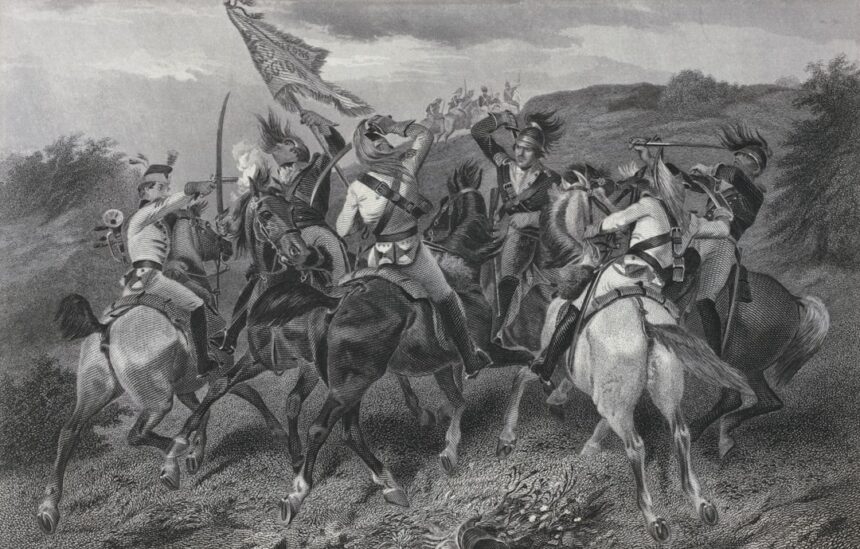
The Franco-Prussian War of 1870-1871 stands as a watershed moment in European history, a conflict that not only unified Germany but also fundamentally reshaped military thinking for generations to come. While the battlefield prowess of Prussian soldiers and the strategic brilliance of commanders like Moltke the Elder are often highlighted, the true architect of Prussian victory lay within the intricate machinery of its General Staff. This organization, more than any single individual or weapon system, provided the intellectual engine and operational framework that propelled Prussia to a swift and decisive triumph over France.
The Prussian General Staff was not born overnight, nor was its effectiveness a matter of mere chance. Its roots can be traced back to the Napoleonic Wars, a period that exposed the severe shortcomings of the fragmented and often indecisive command structures of the German states. The disastrous defeats of Jena and Auerstedt in 1806 served as a stark catalyst, prompting a fundamental re-evaluation of military organization and leadership.
The Reforms of Scharnhorst and Gneisenau
The intellectual fathers of the modern General Staff were Gerhard von Scharnhorst and August von Gneisenau. Emerging from the ashes of Prussian humiliation, these reformers understood that victory could not be achieved solely through bravery or numerical superiority. They recognized the need for a professional, educated, and intellectually independent body capable of analyzing complex situations, formulating strategic plans, and ensuring their effective execution.
- The Reorganization of the Army: Scharnhorst, as Minister of War, spearheaded sweeping reforms that included the establishment of a dedicated educational system for officers, emphasizing theoretical knowledge alongside practical experience. This laid the groundwork for a more intellectually capable officer corps.
- The Concept of the General Staff Corps: The creation of a distinct General Staff Corps, separate from regimental command, was a revolutionary concept. This body was tasked with the overarching strategic direction of the army, freeing up tactical commanders to focus on the immediate battlefield.
- Emphasis on Intelligence and Planning: A core tenet of the reformed system was the rigorous collection and analysis of intelligence. The General Staff was responsible for understanding the enemy’s strengths, weaknesses, and intentions, and for developing contingency plans to exploit any perceived advantages.
Evolution Through the Mid-19th Century
The principles established by Scharnhorst and Gneisenau were not static. Throughout the intervening decades, the Prussian General Staff continued to evolve, adapting to new technologies, geopolitical realities, and evolving military doctrines.
- The Influence of Clausewitz: Carl von Clausewitz, a distinguished Prussian officer and military theorist, provided the intellectual scaffolding for the General Staff’s work. His seminal work, On War, articulated the complex relationship between war and politics, the concept of “friction” in military operations, and the paramount importance of will and morale. The General Staff deeply internalized these principles, using them to inform their strategic deliberations.
- The “War Academy” and Officer Education: The Prussian Kriegsakademie (War Academy) became the crucible where future General Staff officers were forged. Admission was highly competitive, and the curriculum was designed to cultivate analytical thinking, strategic acumen, and a deep understanding of military history and theory. Graduates were not simply taught to command but to think about command and strategy at the highest levels.
- The Principle of “Auftragstaktik” (Mission-Type Tactics): While not exclusively a General Staff creation, the principles of Auftragstaktik, which emphasized giving subordinates clear objectives and the freedom to achieve them in the manner they deemed best, was heavily influenced by the General Staff’s understanding of initiative and decentralized execution. This allowed for flexibility and adaptability on the battlefield, a crucial advantage.
The Prussian General Staff played a crucial role in the military successes of the Franco-Prussian War in 1870, showcasing the effectiveness of meticulous planning and strategic innovation. For a deeper understanding of the organizational structure and operational strategies employed by the General Staff during this pivotal conflict, you can read a related article that explores these themes in detail. Check it out here: Related Article on Prussian General Staff.
The Operational Backbone: Planning and Preparation
The success of the Prussian General Staff in 1870 was a direct consequence of meticulous planning and comprehensive preparation. Decades of study, wargaming, and analysis had culminated in a level of readiness that France, despite its reputation, simply could not match.
Strategic War Games and Mobilization Exercises
The General Staff treated planning not as an abstract exercise but as a continuous, dynamic process.
- The “Kriegsspiel” (Wargame): The Prussian General Staff was a pioneer in the use of sophisticated wargames. These simulations, played out on detailed maps with opposing “sides” representing armies, allowed officers to test strategies, identify potential flaws, and refine operational concepts without risking actual lives or resources. The Kriegsspiel became an indispensable tool for developing tactical and strategic acumen.
- Mobilization as a Strategic Weapon: The General Staff understood that mobilization was not merely an administrative task but a crucial element of strategic advantage. Extensive plans were developed for the rapid and efficient mobilization of the Prussian army, incorporating precise timetables for troop movements, supply chain logistics, and the deployment of reserves. This level of preparedness meant that when war was declared, the Prussian army was ready to fight almost immediately, while the French lagged behind.
- Infrastructure Development: The General Staff also played a vital role in advocating for and influencing the development of crucial infrastructure, particularly railways. The Prussian railway network was strategically developed to facilitate rapid troop and supply movement, giving their armies a significant logistical advantage in deploying to the front lines.
The War of 1870: A Masterclass in Execution
The strategic plans conceived by the General Staff were put to the ultimate test in 1870. The initial deployment and subsequent campaigns showcased the efficacy of their meticulous preparation.
- The Moltke Plan: Helmuth von Moltke the Elder, as Chief of the General Staff, was the principal architect of the Prussian war plans. His strategy was not based on a single, rigid offensive but rather on a flexible deployment of multiple armies that could converge on the enemy, envelop them, and destroy them in detail. This contrasted with the French strategy, which was more centralized and less adaptable.
- Rapid Deployment and Concentration: The Prussian railway network, guided by General Staff planning, allowed for the rapid and coordinated deployment of hundreds of thousands of soldiers to the front. This speed allowed them to seize the initiative and dictate the terms of engagement.
- The “Schlieffen Plan” Precursor: While the famous Schlieffen Plan came later, the operational concepts employed in 1870, focusing on envelopment and decisive annihilation of enemy forces, laid the conceptual groundwork. The General Staff was constantly looking for ways to achieve a decisive victory through superior maneuver and concentration of force.
The Intellectual Engine: Intelligence and Information Dominance
The Prussian General Staff’s superiority was not just in planning but also in its sophisticated approach to gathering, analyzing, and utilizing intelligence. In an era before instantaneous communication, the ability to understand the enemy’s disposition and intentions was paramount.
The Department of Military History and the “Central Bureau”
The General Staff was more than just operational planners; it was a hub of intellectual inquiry.
- The Department of Military History: This department, under the General Staff, was responsible for collecting, analyzing, and disseminating historical military knowledge. By studying past campaigns, battles, and strategic decisions, officers gained invaluable insights into the enduring principles of warfare and the common pitfalls to avoid. This historical perspective informed their planning and decision-making.
- The “Central Bureau”: This was the heart of intelligence gathering and analysis. It comprised officers dedicated to collecting information from a variety of sources, including diplomatic channels, newspapers, spies, and reconnaissance reports. They meticulously sifted through this data, piecing together a comprehensive picture of the enemy’s military strength, disposition, and intentions.
- “Kriegsziele” (War Aims) and Political Understanding: The General Staff understood that military operations were not conducted in a vacuum. They worked closely with political leaders to understand the war aims and political objectives. This ensured that military planning was aligned with broader national policy, preventing a disconnect between battlefield actions and overarching political goals.
Exploiting French Weaknesses
The intelligence gathered by the General Staff allowed them to identify and exploit critical weaknesses in the French military.
- French Centralization and Lack of Initiative: The French command structure was highly centralized, with decisions often flowing from Paris. This made them slow to react to changing circumstances and stifled initiative at lower levels. The General Staff recognized this and devised plans that capitalized on French inflexibility.
- Inadequate Intelligence Gathering by France: In stark contrast, the French intelligence apparatus was far less sophisticated. They were consistently surprised by the speed and scale of Prussian mobilization and the precision of their deployment.
- Superior Communication and Dissemination: While both sides used the telegraph, the Prussian General Staff had a more organized system for receiving, processing, and disseminating intelligence to its commanders. This ensured that information flowed efficiently and that commanders were making decisions based on the most up-to-date assessments.
The Command Structure: Unity of Purpose and Decentralized Execution
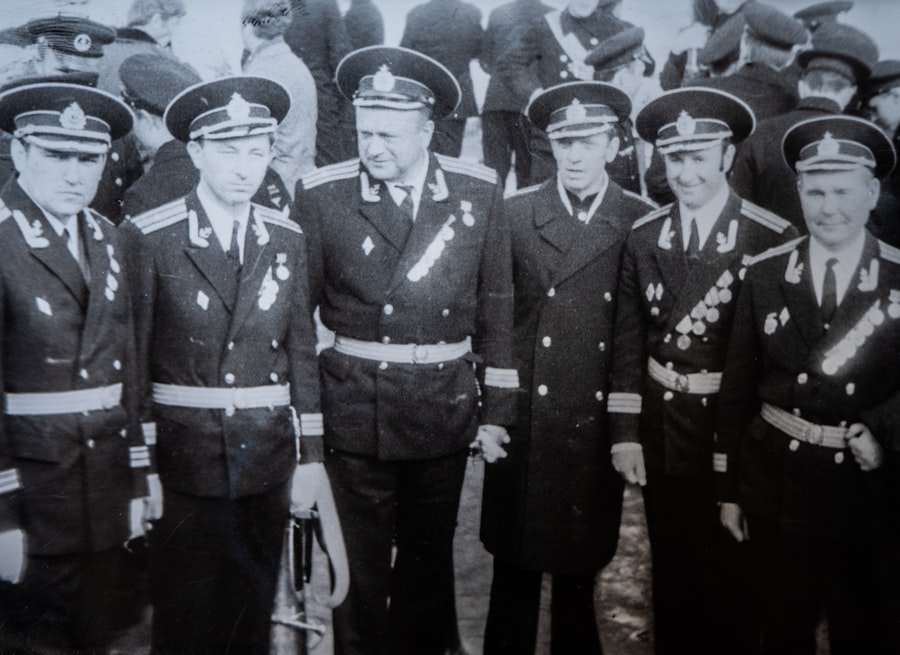
The effectiveness of the Prussian General Staff was inextricably linked to its command structure, which fostered both unity of purpose at the highest level and flexibility at the operational and tactical levels.
The Chief of the General Staff: The “Second Person” of the Army
The Chief of the General Staff held a unique and powerful position within the Prussian military hierarchy.
- Moltke the Elder’s Influence: Helmuth von Moltke the Elder, as Chief of the General Staff, commanded immense respect and authority. He was not a battlefield commander in the traditional sense but rather the principal strategic advisor to the King and the architect of the army’s operations. His word carried significant weight, and his vision guided the entire war effort.
- Direct Access to the Sovereign: The Chief of the General Staff had direct access to the King, allowing for swift communication and the immediate implementation of strategic decisions. This bypassed layers of bureaucracy and ensured that the General Staff’s plans were not bogged down in administrative minutiae.
- The “Mind” of the Army: The Chief of the General Staff was considered the intellectual and operational “mind” of the army, responsible for overarching strategy and the coordination of all its components.
The Role of the General Staff Officers
The individuals who served within the General Staff were the cogs that turned the machinery of victory.
- Highly Educated and Professional: As mentioned previously, General Staff officers were drawn from the most capable graduates of the War Academy. They were rigorously trained in strategy, tactics, history, logistics, and administrative matters.
- Rotation and Experience: Officers typically served tours of duty in the General Staff and then returned to regimental command, bringing their strategic insights back to the operational level. This cross-pollination of experience was invaluable in bridging the gap between strategy and execution.
- “Auftragstaktik” in Practice: The General Staff’s trust in its subordinate commanders, combined with the principle of Auftragstaktik, allowed for a degree of decentralization that proved highly effective. Commanders on the ground were empowered to make decisions within the broad framework of their mission, allowing for initiative and rapid adaptation to battlefield conditions. This was a stark contrast to the rigid, top-down command of the French army.
The Prussian General Staff played a crucial role in the military successes of 1870, particularly during the Franco-Prussian War, where their innovative strategies and organizational structure set a precedent for modern military operations. For a deeper understanding of the impact of this institution on military theory and practice, you can explore a related article that delves into its historical significance and evolution. This insightful piece can be found here.
The Lasting Legacy: A Model for Future Warfare
| Metrics | Value |
|---|---|
| Number of Staff Officers | Approximately 300 |
| Number of Field Officers | Approximately 100 |
| Number of Administrative Personnel | Approximately 200 |
| Number of Maps and Plans | Over 100,000 |
The victory of Prussia in 1870-1871 was not merely a military triumph; it was a testament to the enduring power of meticulous planning, intellectual rigor, and an adaptable organizational structure. The Prussian General Staff, through its innovative approach to warfare, left an indelible mark on military history.
The Global Impact of the Prussian Model
The success of the Prussian General Staff did not go unnoticed by other military powers.
- Adoption by Other Nations: Nations around the world, including the United States and Japan, studied and emulated the Prussian model of a professional General Staff. The principles of rigorous officer education, strategic planning, and intelligence analysis became cornerstones of modern military organization.
- Influence on Military Doctrine: The Prussian emphasis on maneuver warfare, decisive battle, and the integration of political and military objectives became a dominant paradigm for military thinking throughout the late 19th and early 20th centuries.
- The “Spirit of the General Staff”: Beyond specific structures, the Prussian General Staff fostered a culture of intellectualism, professionalism, and dedication to the state. This “spirit” of critical analysis and strategic thinking became a coveted attribute for military leaders globally.
The Road to the World Wars
The organizational principles and strategic thinking fostered by the Prussian General Staff, while instrumental in its own success, also cast a long shadow on the conflicts that followed.
- The “Schlieffen Plan” and its Consequences: The evolution of the General Staff’s strategic thinking, particularly the development of complex, pre-war operational plans like the Schlieffen Plan (which drew inspiration from the 1870 victory), would have profound and devastating consequences in the lead-up to World War I. The emphasis on rapid mobilization and pre-emptive action, a direct legacy of 1870, contributed to the outbreak of the Great War.
- The Enduring Challenge of Military Professionalism: The story of the Prussian General Staff remains a powerful reminder of the critical importance of professionalization, intellectual rigor, and adaptable structures in military affairs. It underscores that victory on the modern battlefield is as much a product of brilliant minds and meticulous planning as it is of brave soldiers and advanced weaponry.
In conclusion, the Prussian General Staff was the invisible hand that guided Prussia to victory in 1870. Its commitment to intellectual excellence, its meticulous planning, its sophisticated intelligence gathering, and its adaptable command structure provided the foundation upon which battlefield successes were built. The Franco-Prussian War was not just a testament to the Prussian army’s might, but a definitive demonstration of the power of a well-organized, intellectually driven General Staff to shape the course of history.

The Military Machine That Didn’t Need a Napoleon
FAQs
What was the Prussian General Staff?
The Prussian General Staff was a military institution established in 1806 to assist the Prussian army in planning, organizing, and executing military operations. It played a crucial role in the modernization and success of the Prussian military.
What were the key functions of the Prussian General Staff?
The Prussian General Staff was responsible for intelligence gathering, strategic planning, operational coordination, and the training and education of officers. It also played a key role in developing military doctrine and tactics.
How did the Prussian General Staff contribute to the success of the Prussian military in 1870?
During the Franco-Prussian War of 1870-1871, the Prussian General Staff demonstrated its effectiveness in planning and executing military campaigns. Its meticulous planning and coordination contributed significantly to the Prussian victory over the French forces.
Who were some notable figures associated with the Prussian General Staff in 1870?
One of the most notable figures associated with the Prussian General Staff in 1870 was Field Marshal Helmuth von Moltke, who served as the Chief of the General Staff. Moltke’s strategic brilliance and leadership were instrumental in the Prussian victory in the Franco-Prussian War.
What was the legacy of the Prussian General Staff in military history?
The Prussian General Staff’s emphasis on meticulous planning, intelligence gathering, and operational coordination set a new standard for military staff organizations. Its methods and principles influenced military staff structures and operations in other countries and had a lasting impact on military history.